See the monuments around you in AROpen chests in the app
Around Us is built for your phone — point your camera at the streets and discover the monuments and places around you in augmented reality.Around Us is built for your phone — chests unlock when you walk, explore and capture nearby places.
Medieval heritage and nature of Norfolk: historic mansions, monastery ruins, coastal lighthouses
Norfolk offers a rich mix of history and natural landscapes. You can find grand houses like Blickling and Holkham Hall, old monastery ruins such as Wymondham Abbey and Castle Acre Priory, and ancient Roman remains scattered across the countryside. Windmills stand like familiar landmarks in the rural scene, and coastal lighthouses like the one at Happisburgh watch over the North Sea.
Nature shapes this region just as much. The Norfolk Broads, a unique network of shallow lakes and winding waterways, create a water world where quietness and wildlife thrive. Pine forests invite walks in the shade, while beaches along the coast home colonies of seabirds. Nature reserves and bird sanctuaries are found throughout, drawing birdwatchers and nature lovers from all over.
Whether you walk through old stone monasteries and castles, look at the red brick walls of historic houses, or listen to the water’s gentle sound in the Broads, Norfolk shows layer after layer of history and natural beauty. It is a place where history is always visible and nature grows freely.
Medieval heritage and nature of Norfolk: historic mansions, monastery ruins, coastal lighthouses
Norfolk offers a rich mix of history and natural landscapes. You can find grand houses like Blickling and Holkham Hall, old monastery ruins such as Wymondham Abbey and Castle Acre Priory, and ancient Roman remains scattered across the countryside. Windmills stand like familiar landmarks in the rural scene, and coastal lighthouses like the one at Happisburgh watch over the North Sea.
Nature shapes this region just as much. The Norfolk Broads, a unique network of shallow lakes and winding waterways, create a water world where quietness and wildlife thrive. Pine forests invite walks in the shade, while beaches along the coast home colonies of seabirds. Nature reserves and bird sanctuaries are found throughout, drawing birdwatchers and nature lovers from all over.
Whether you walk through old stone monasteries and castles, look at the red brick walls of historic houses, or listen to the water’s gentle sound in the Broads, Norfolk shows layer after layer of history and natural beauty. It is a place where history is always visible and nature grows freely.
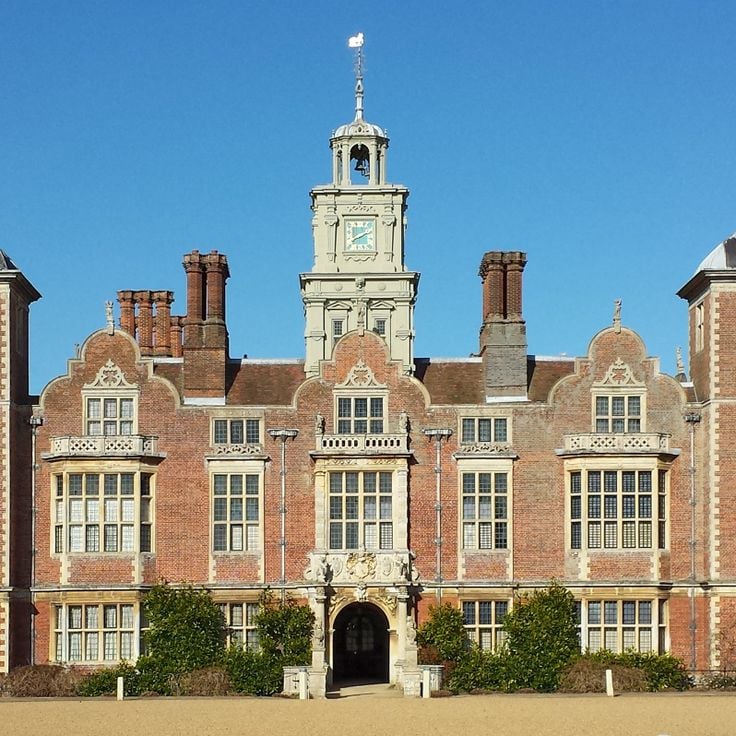
Blickling Estate is a 17th century manor house built in the Jacobean style. The building shows how wealthy families lived in this period, with grand rooms and careful detail throughout. The French-style gardens surrounding the house feature geometric patterns and wide open spaces. Visitors can explore the rooms inside to understand daily life from centuries ago, and walk through the carefully tended grounds that offer quiet moments and views of the Norfolk countryside.
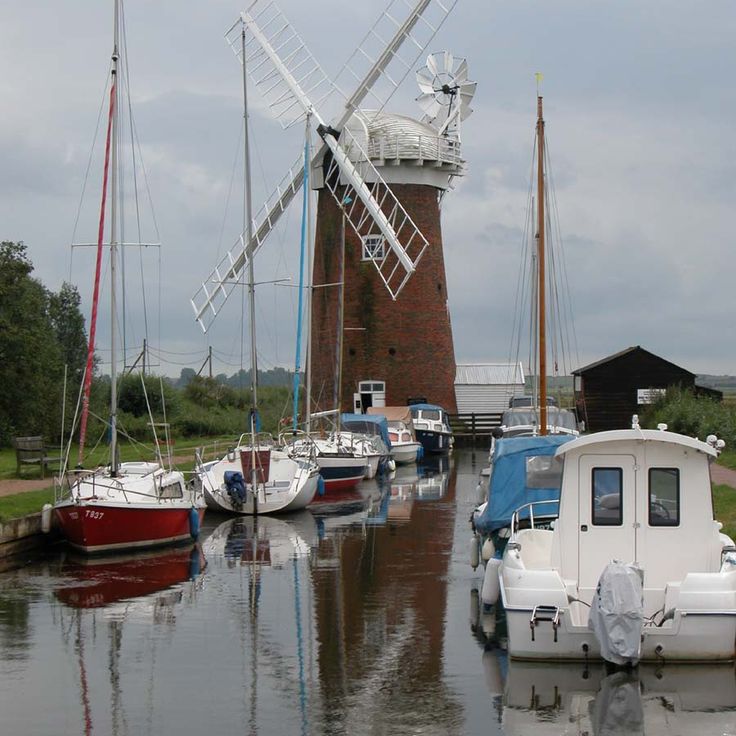
This 19th-century windpump in Horsey once played a vital role in draining the marshes of Norfolk. The structure stands out against the flat landscape and shows how people managed water in this area long ago. Today it offers visitors views across the wetland and gives a sense of the engineering solutions that were needed to manage this delicate environment.
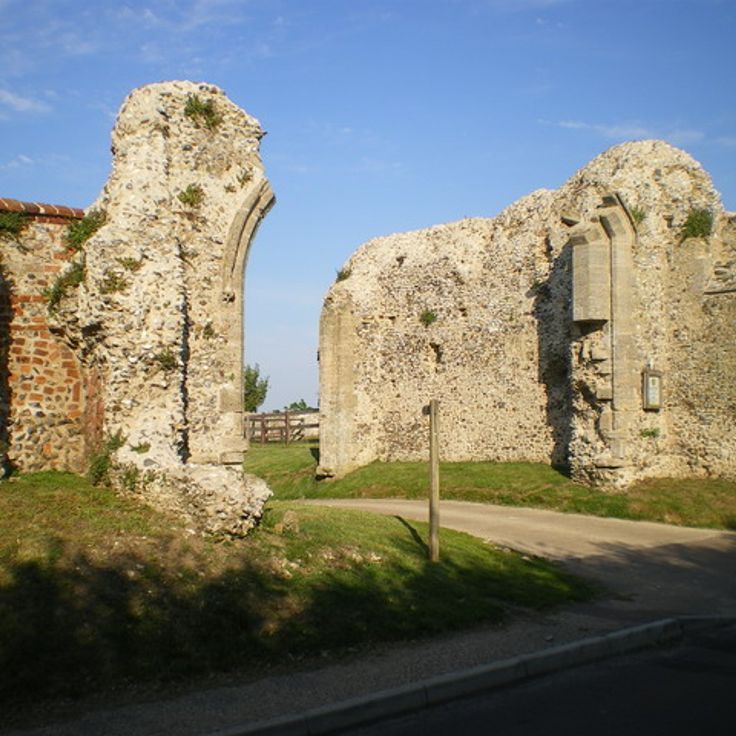
The Priory of Binham preserves Norman remains from an 11th century monastery. Its west facade displays early English architectural style. This site is part of Norfolk's rich medieval heritage, where religious communities once flourished. Visitors can walk among the stone walls and see the craftsmanship from that distant era. The priory tells the story of a Norfolk where monks lived and worked, and where the surrounding landscape has shifted through centuries.
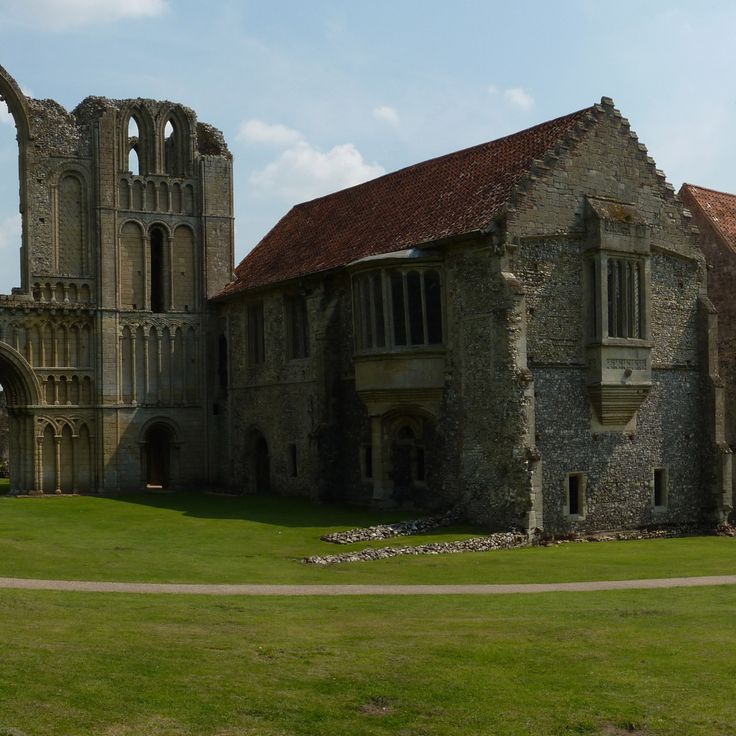
Castle Acre Priory is a medieval monastic complex in Norfolk featuring Norman and Gothic architectural elements. The ruins display the foundations of a 12th-century church, while the prior's house, still partly standing, offers insight into monastic life. Located in the Norfolk countryside, this site shows the religious importance of the region during the Middle Ages. Visitors can walk among the stone walls and learn about this former spiritual center that once played a significant role in the area's history.
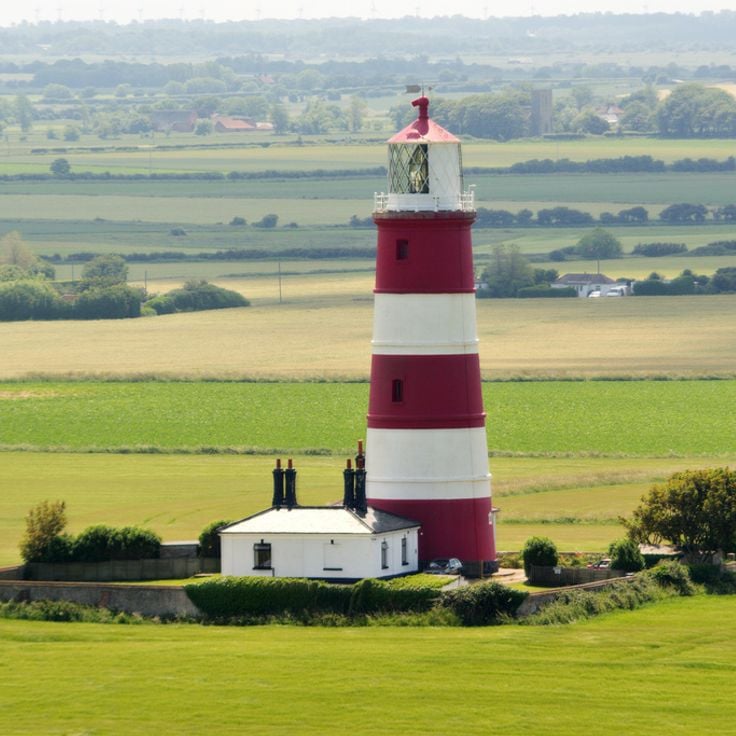
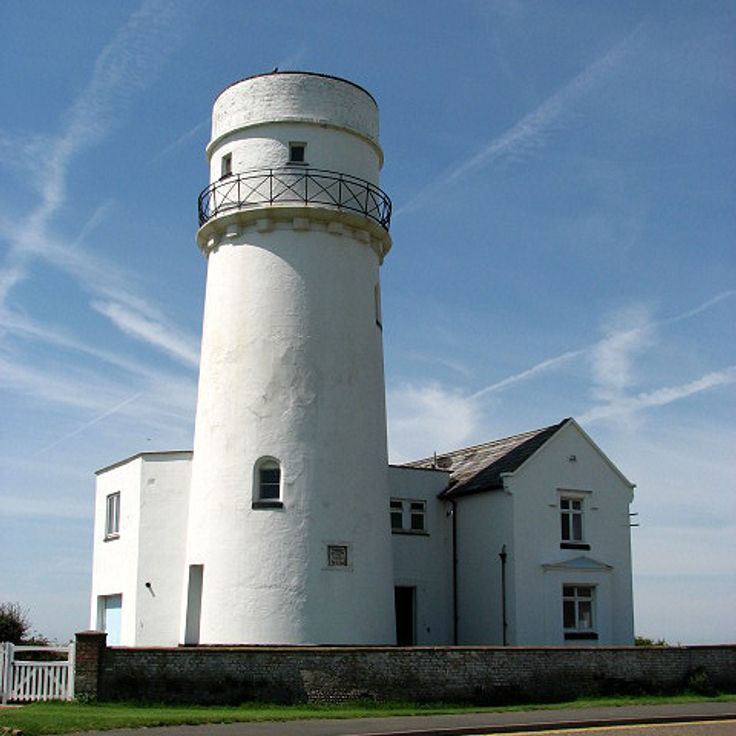
The Happisburgh lighthouse, built in 1791, stands as a notable coastal structure in Norfolk. Rising 26 meters above the landscape, it has long served maritime navigation. The interior retains original equipment that offers insight into the history of coastal safety. Visitors can climb 96 steps to reach the top and take in views of the North Sea from above. This lighthouse connects Norfolk's maritime history with its natural coastal landscape and speaks to the importance of this region for seafaring.
Thetford Forest is one of England's largest woodlands and forms an important part of Norfolk's natural landscape with its extensive coniferous plantations. The forest spreads across rolling terrain and offers a network of marked walking trails and cycling routes where visitors can explore on foot or by bike. Between the tall trees, visitors encounter diverse wildlife including deer, foxes, and numerous bird species. The forest serves as a green refuge within the region and provides space for outdoor recreation, from leisurely walks to more active cycling adventures.
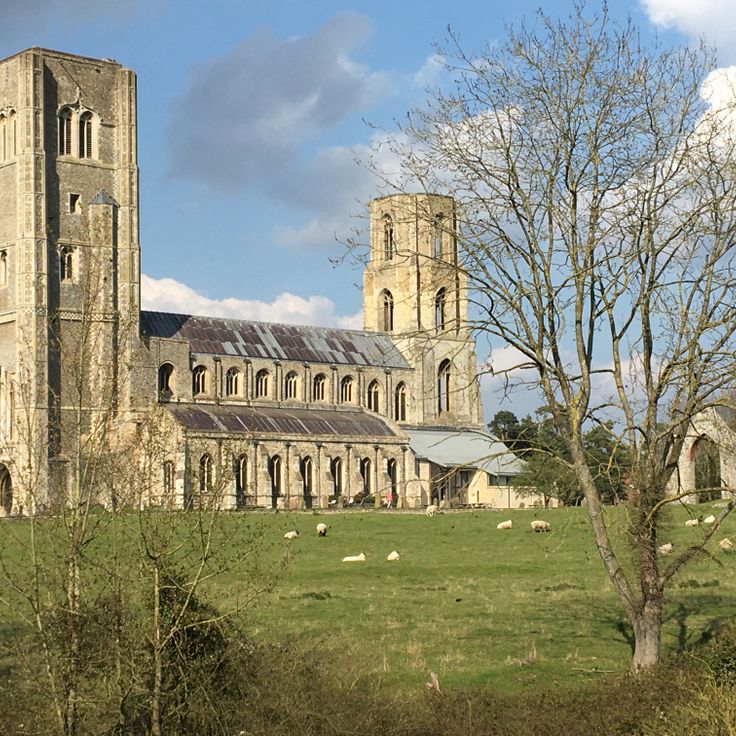
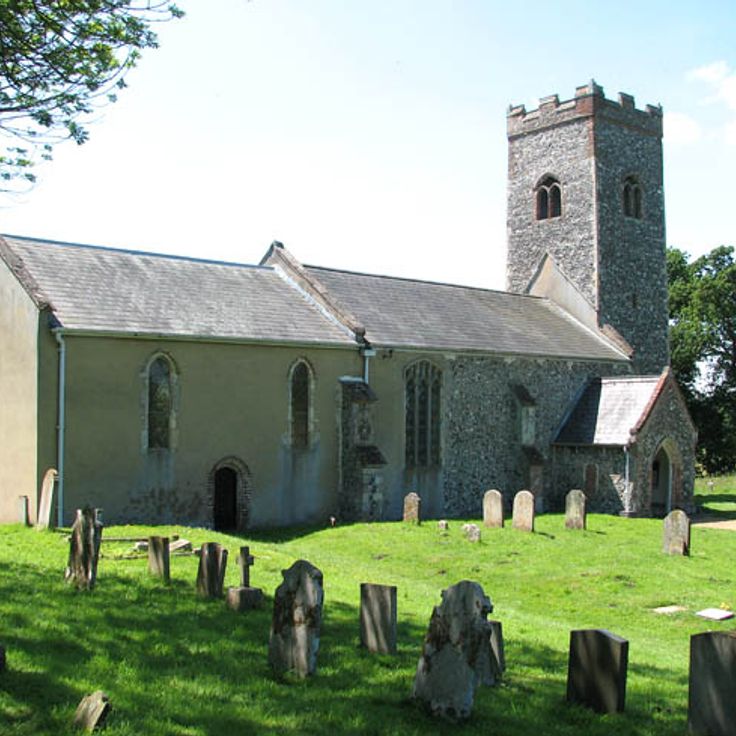
Wymondham Abbey is an 11th-century Benedictine monastery located in Norfolk, England. The building displays Norman architecture marked by two distinctive towers. Inside, you can see medieval wall paintings and a historic organ. This abbey represents the religious life that shaped medieval Norfolk and shows how important religious communities were to the region.
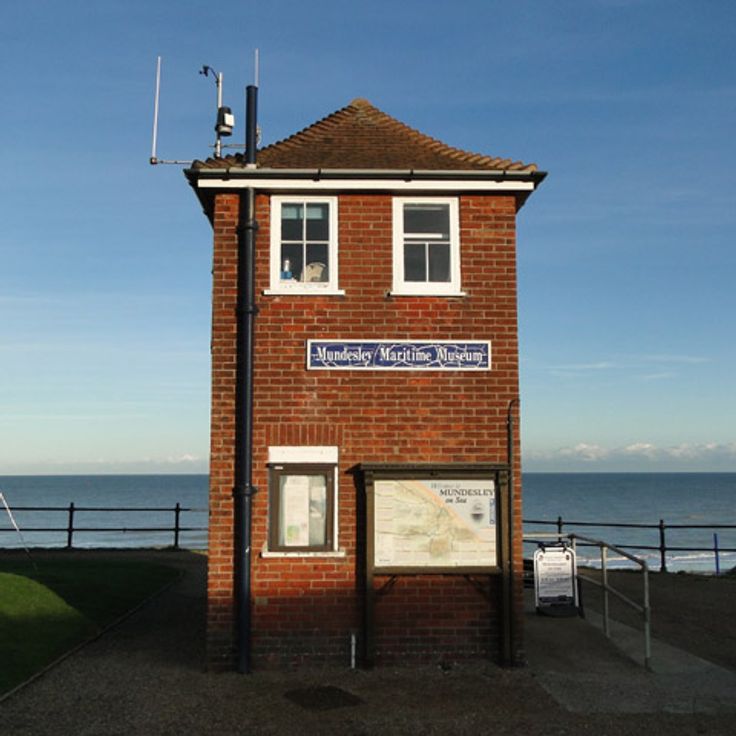
The maritime museum of Mundesley is housed in a former coastguard tower and displays exhibits about seafaring history along with rescue equipment from the 19th century. It offers insight into the maritime past of this coastal region and the work of the early rescue services that protected ships in the North Sea.
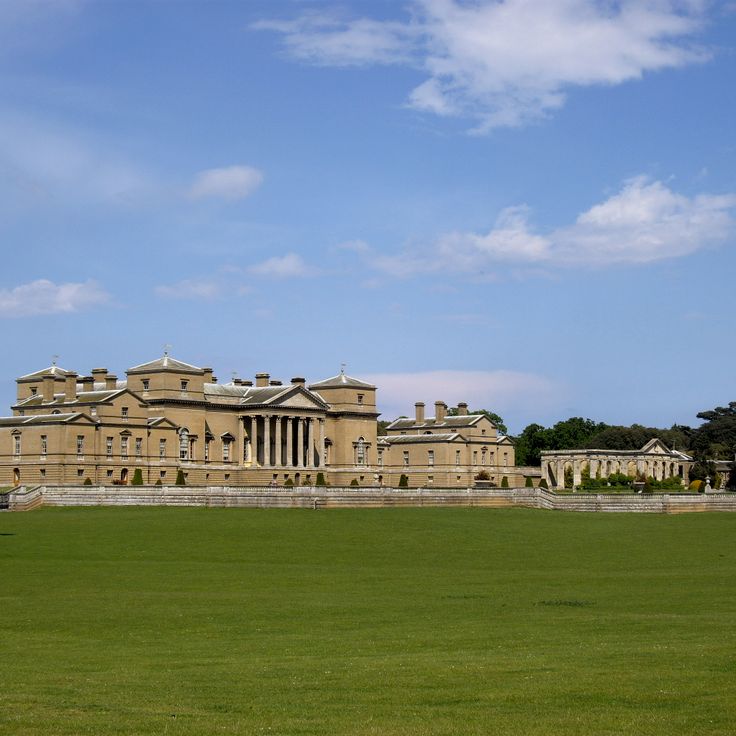
Holkham Hall is an 18th-century country house in Norfolk with Italian-style columns and elegant rooms that reflect how the wealthy lived during that era. The estate sits within a wide park where fallow deer roam freely, giving visitors a sense of the scale and grandeur of English country properties. The architecture blends British and Italian design elements, while the interior holds artwork and historical objects that speak to different periods. Walking through the house and grounds, you experience both the refined lifestyle of its residents and their connection to the natural landscape.
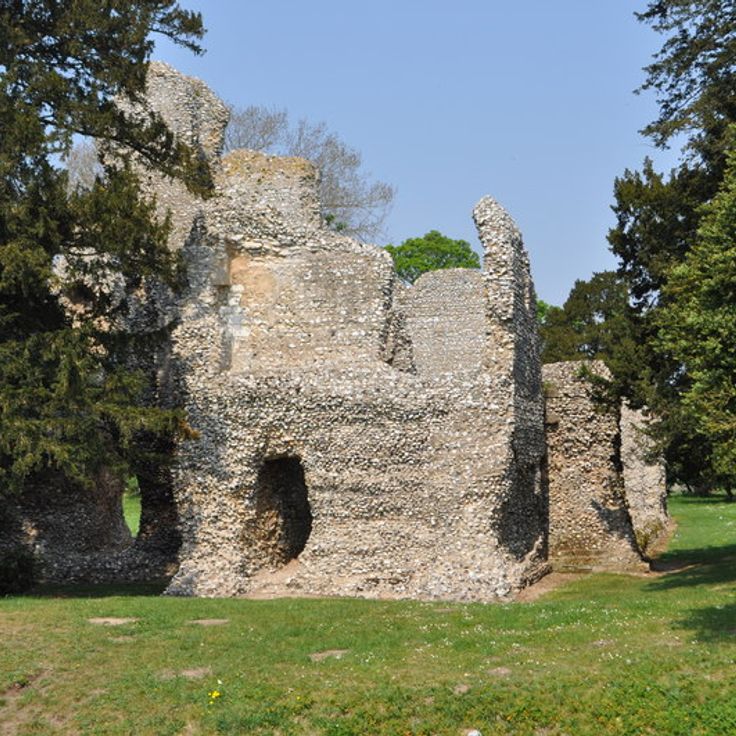
Weeting Castle shows the remains of three medieval manor houses from the 12th century. The stone walls and foundations tell the story of Norfolk's past, where history is visible at every turn. These ruins are part of a region filled with historical structures, from ancient monasteries to coastal lighthouses.
Blakeney Point is a 2.5 mile (4 kilometer) sandbank that extends into the North Sea from Norfolk's coast. Seals haul out on the beaches here, and the point attracts over 210 bird species throughout the year. It is one of the most important wildlife sites in the region, offering visitors a chance to see marine mammals and seabirds in their natural habitat.
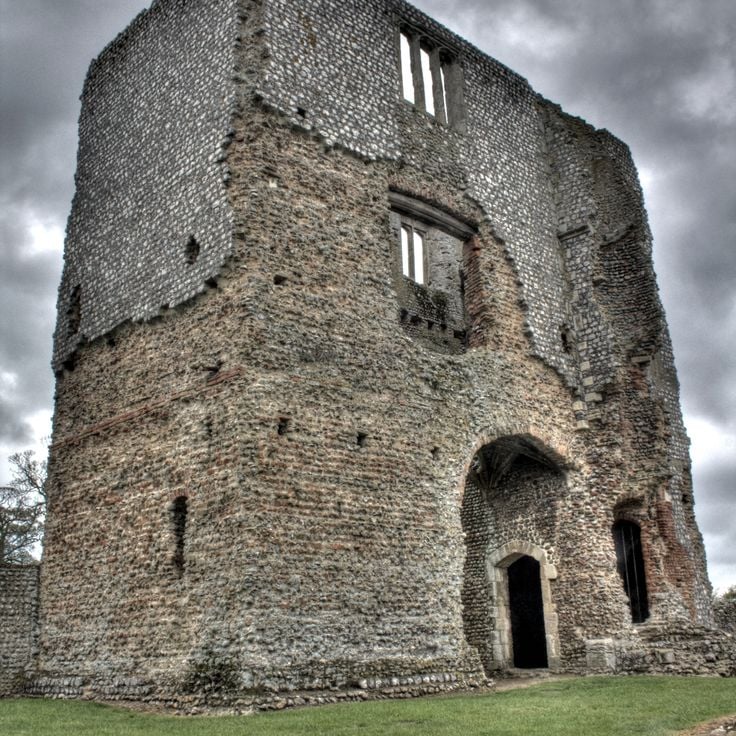
Baconsthorpe Castle is a fortified manor from the 15th century located in Norfolk. This estate features medieval architecture with its moats, gateways, and outer defensive wall. It shows how a wealthy landowner lived during the late Middle Ages and demonstrates the building techniques of that period. The ruins tell the story of Norfolk's past, when fortified manors like this one shaped the countryside.
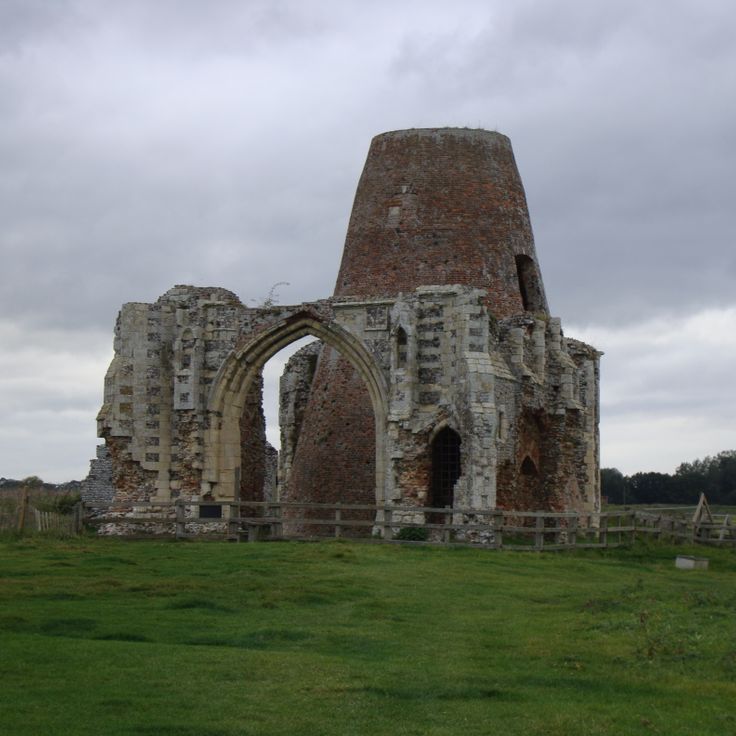
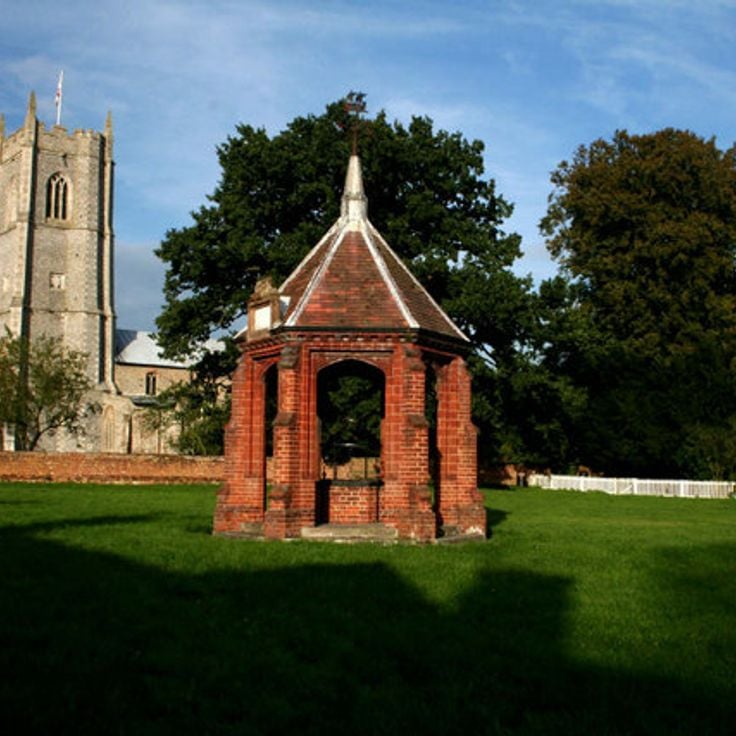
These remains of a medieval monastery stand beside the river in the open landscape of Norfolk Broads National Park. The ruins still show the strength of the religious buildings that once rose here over centuries. Visitors can explore the old stone walls and watch the river that has flowed alongside the abbey since its beginning. The site gives a sense of monastic life in the past and its importance to the region.
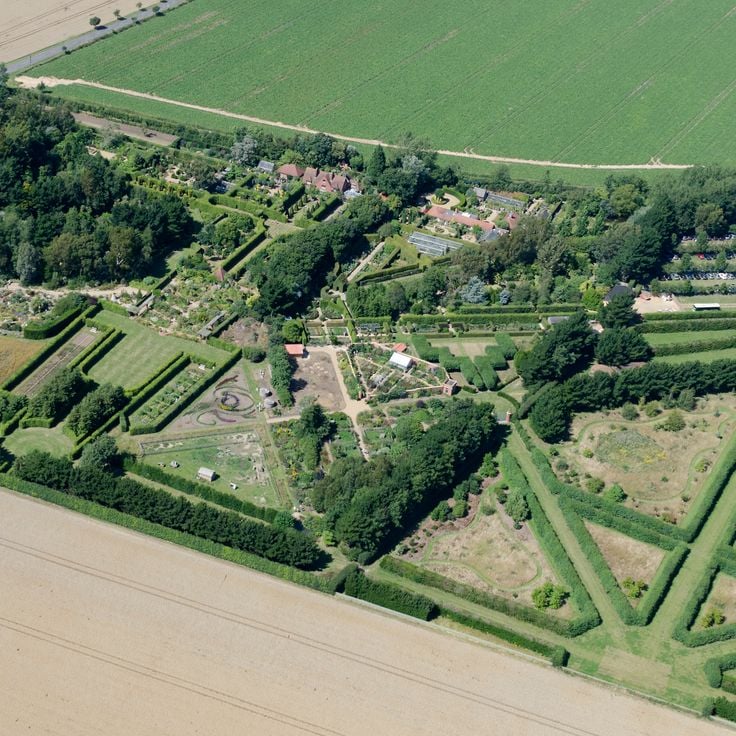
The garden at East Ruston Old Vicarage in Norfolk spreads across 13 hectares with several themed areas. Mediterranean and tropical plants thrive in different sections of this private garden, creating a surprising contrast with the surrounding Norfolk landscape. Visitors walk through distinct zones where plants from warmer regions flourish alongside traditional English plantings. The garden tells the story of how dedicated gardeners have created a layered landscape that brings distant climates to this eastern English countryside.
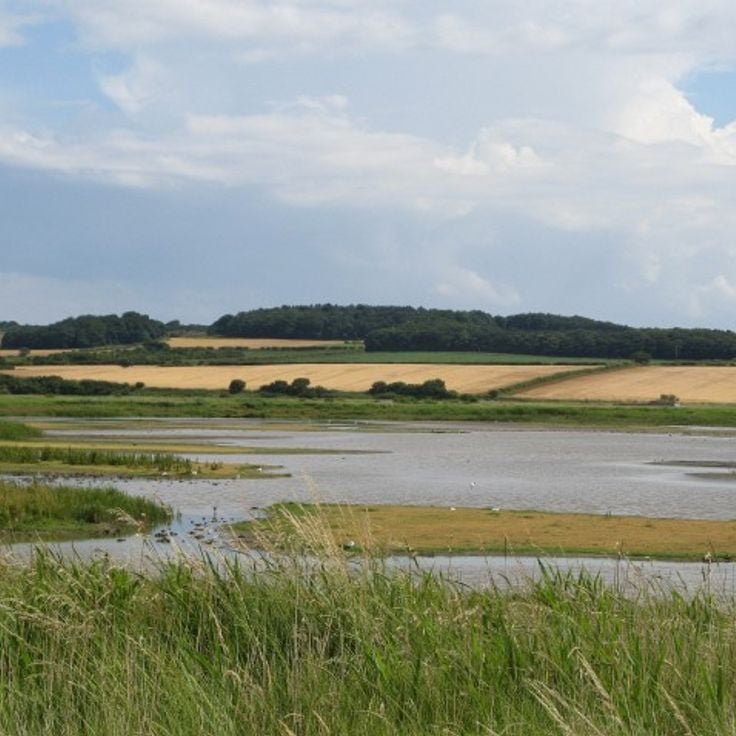
Cley Marshes is the oldest nature reserve in Norfolk. It offers observation hides and paths that wind through salt marshes and reed beds. The site attracts visitors who want to watch birds and other wildlife. Here you can see many bird species moving between the water and the reeds. The shallow waters and thick plant growth create homes for numerous animals. Walking through this natural area connects you with the landscape while giving you chances to observe the creatures that live here.
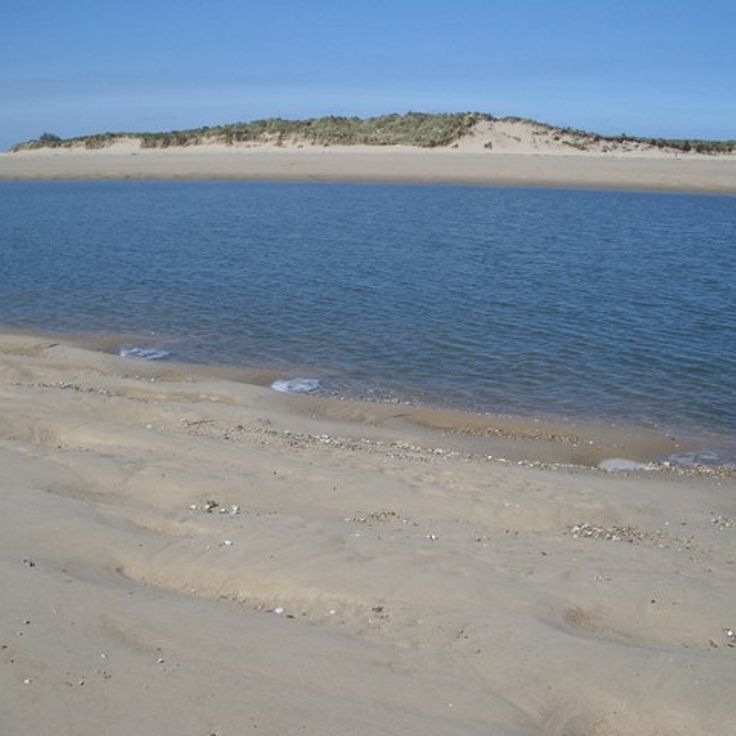
This island on Norfolk's north coast is a nature reserve with salt marshes, sand dunes, and bird sanctuaries. The island shows the different landscapes typical of this region: flat coastal areas where salt water and fresh water meet, and open spaces where seabirds nest and breed. Visitors can observe nature here as it exists throughout Norfolk, where history and nature conservation exist side by side.
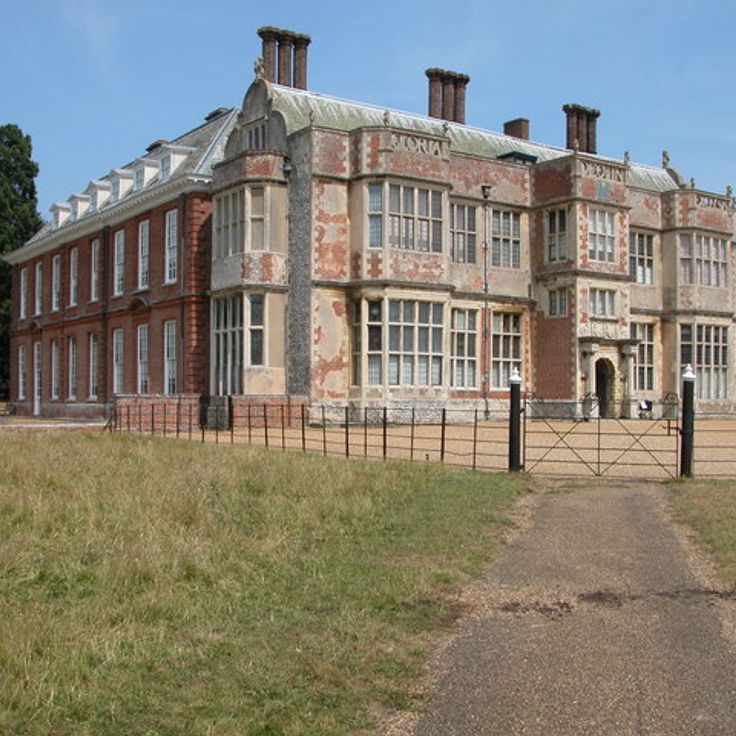
Felbrigg Hall is a 17th century manor house and represents the kind of grand residences found throughout Norfolk's landscape. The house contains a library of about 5000 books and a vegetable garden where historical plant varieties are grown. Walking through the rooms reveals furniture and artwork that tell the stories of families across generations. The garden shows how people lived and ate in past centuries.
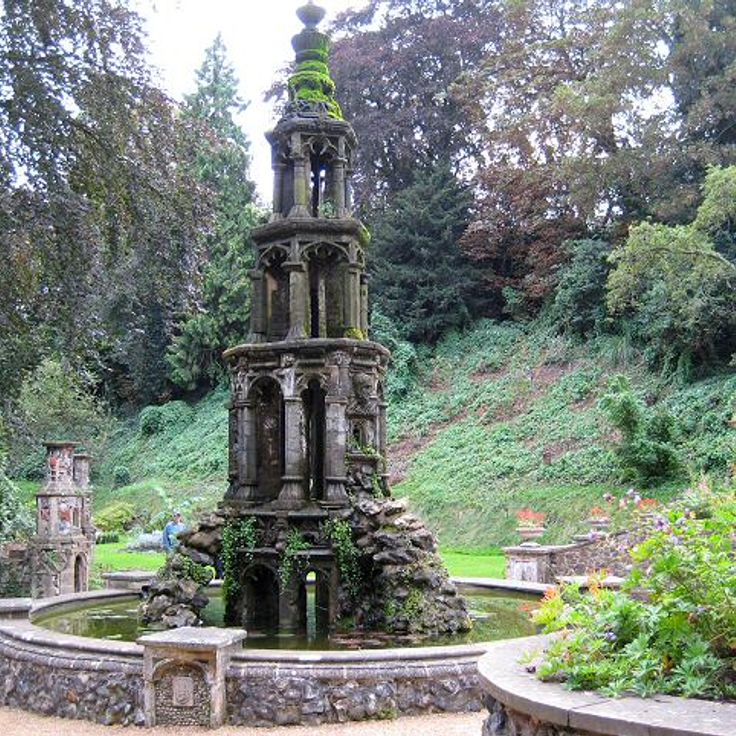
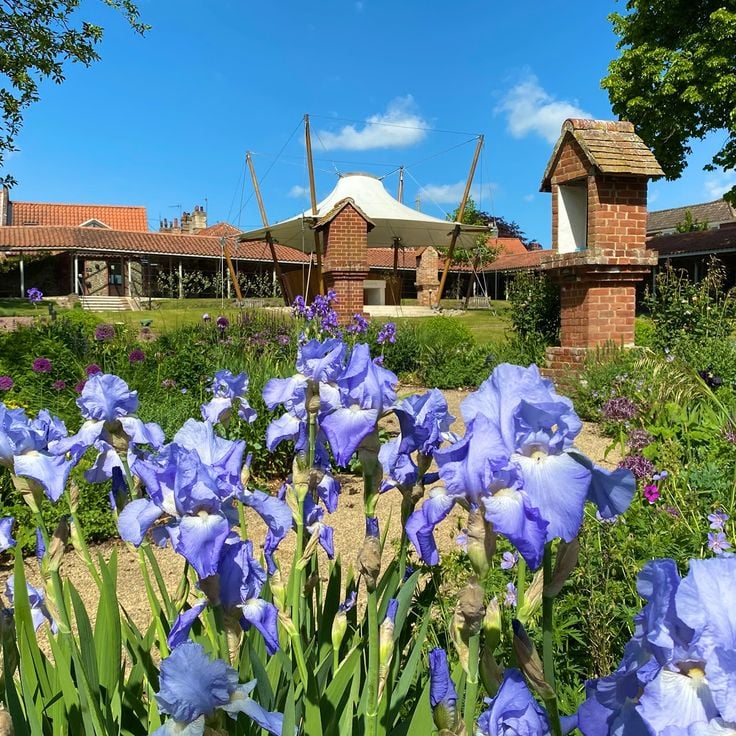
The Plantation Garden in Norwich is a 19th-century garden featuring terraces, vaulted walkways, and a section of medieval wall. It shows the layering of history that defines Norfolk, where architectural features from different periods sit side by side. This place brings together elegant Victorian garden design with tangible remains of the medieval town, making it a spot where history is visible at every turn.
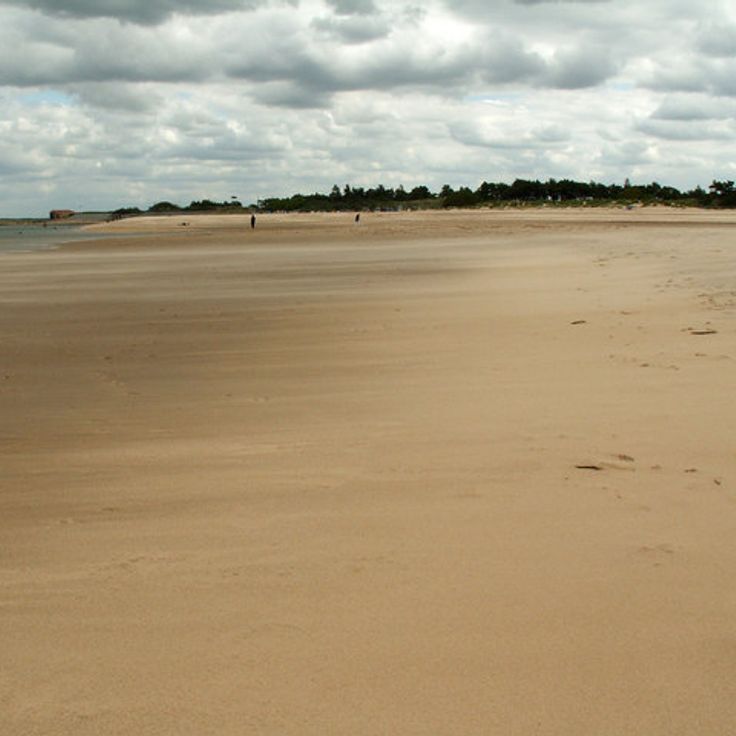
Holkham Beach stretches for four kilometres along a nature reserve dotted with salt marshes and bird watching points. This coastline forms part of the wider Norfolk landscape where water and wildlife thrive in shallow lakes and meandering waterways. The salt marshes create a home for wading birds and other water species that visit throughout the year. The broad, open beach invites long walks along the North Sea coast, and the observation points offer chances to watch birds in their natural setting.
Heydon village is a 16th-century settlement with a central green, a church, and traditional shops. The village preserves the features of medieval and early modern architecture. Red brick buildings line the streets, and the layout follows the original plan from centuries ago. The village shows how people lived and worked during this period. Visitors can walk through the quiet lanes and explore the old church. Heydon fits into Norfolk's rich history with its historic buildings and connection to rural life in the past.
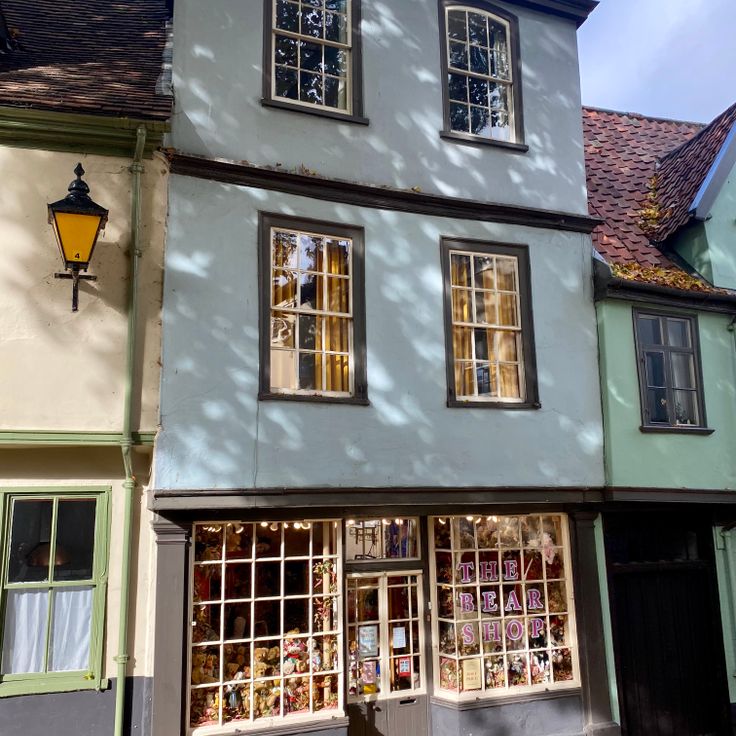
Elm Hill in Norwich is a medieval street from the 16th century where timber-framed and brick houses line narrow pathways. The street keeps its historic character with old shops, art galleries, and tea rooms tucked into the ground floors of taller buildings. Walking along Elm Hill, you see how people lived and worked in this part of Norwich centuries ago. The buildings stand closely together, creating intimate passages between them. The cobblestone paving and wooden frames of the houses offer glimpses into the past.
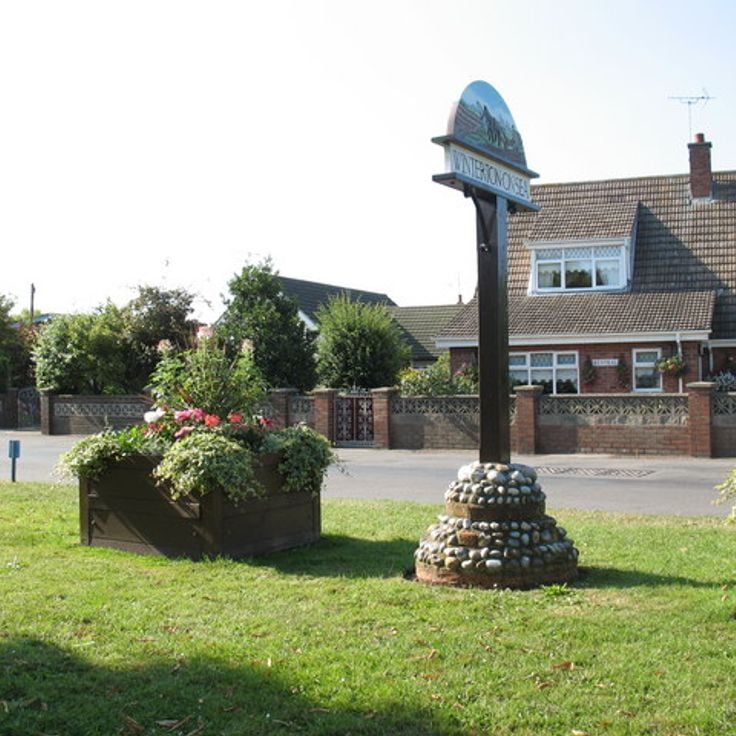
Winterton-on-Sea is a coastal village that reflects Norfolk's blend of history and nature. The village features a long sandy beach, dunes, and a protected area for seals and water birds. This coastal landscape shows how nature and human settlement work together in this region. The beach offers a place to walk and explore, while the protected areas provide habitat for wildlife. Winterton-on-Sea joins the everyday life of a village with the rhythms of the coast and the marine life of the North Sea.
Walsingham Shrine is a religious site established in 1061 that contains two main churches, medieval abbey ruins, and an herb garden. Located in Norfolk, it sits within a region that blends historical manor houses, monastic ruins, and coastal lighthouses with natural lakes and bird sanctuaries. This place reveals the layers of history that define Norfolk, where ancient stones and red brick buildings stand alongside wild natural landscapes.
This lighthouse was built in 1840 on red limestone cliffs and overlooks The Wash. Today it serves as a private residence and reflects the maritime history of Norfolk's coast. The structure stands as a reminder of how lighthouses once guided ships along the North Sea, and its position on the distinctive red cliffs makes it a recognizable landmark in the landscape. The lighthouse tells the story of Norfolk's relationship with the sea and its seafaring traditions.
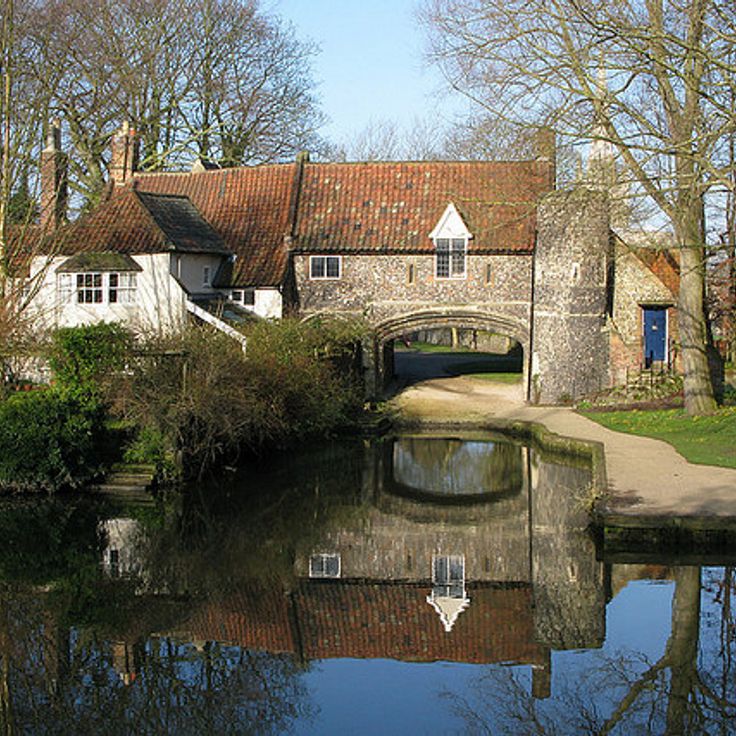
Pulls Ferry in Norwich is a medieval stone structure on the River Wensum that served as an entry point for materials during the construction of the cathedral. This building shows the logistical skill of medieval times and reveals how Norwich played an important religious and economic role in that era. The river was a vital transport route for heavy goods like stone and wood. Standing here, you can understand how people from the past managed large building projects and how waterways shaped their work and commerce.
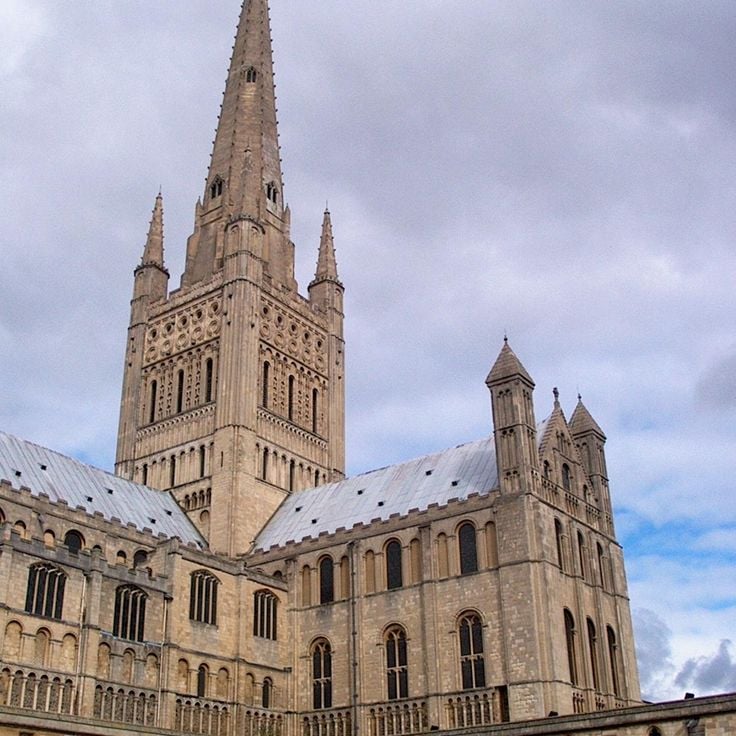
Norwich Cathedral is a Norman church built in the 11th century that served as the spiritual heart of the region. Its spire rises 96 meters and can be seen from miles around. Inside, the cathedral holds medieval cloisters with stone vaults that sheltered daily monastic life and prayer for centuries. The Romanesque arches and thick stone walls show the craftsmanship of Norman builders and reflect Norfolk's importance in medieval England.
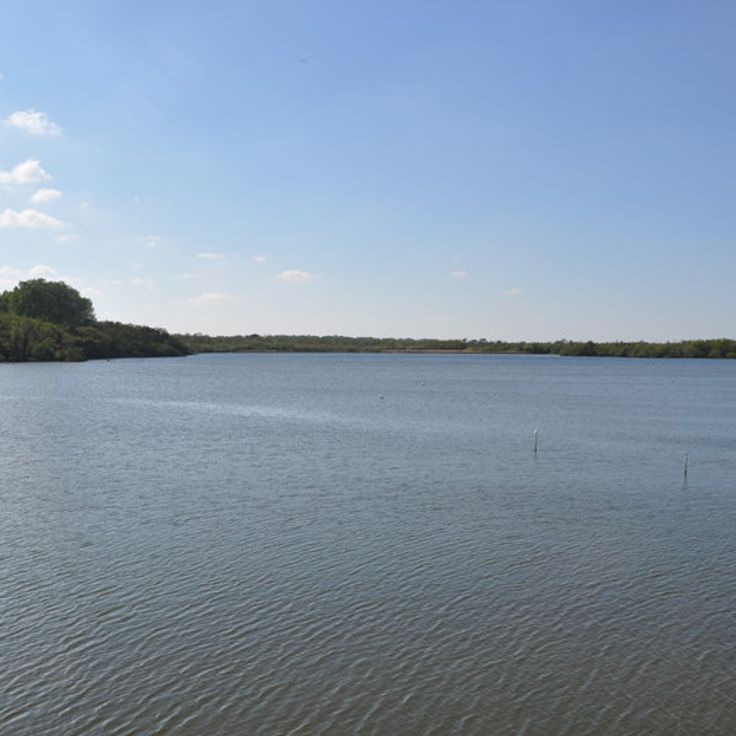
Ranworth Broad is a wetland reserve at the heart of the Norfolk Broads, covering about 40 hectares of shallow water and reed beds. The site draws birdwatchers and nature lovers who come to observe the diverse bird species that live here, from dabchicks to marsh harriers. A floating visitor center sits on the water, providing information about the ecology of this unique landscape. Walking paths and observation platforms allow visitors to experience the site up close. The broad itself changes with the seasons, and the reeds and water create a sense of being immersed in a working natural habitat.
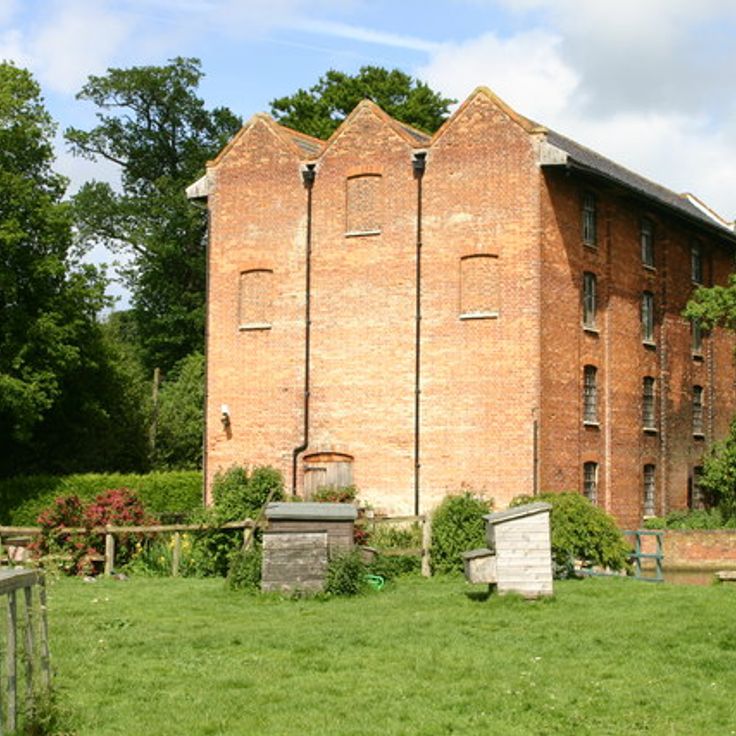
Letheringsett Water Mill is part of Norfolk's rich landscape of historic buildings and natural features. This 18th century mill still operates by water power, grinding grain into flour using its original machinery. The mill demonstrates how people once harnessed flowing water for work. Visitors can see the mechanisms that turn grain through centuries-old engineering.
Caistor St Edmund was a significant settlement during the Roman period in Norfolk. Visitors can see the remains of defensive walls that once protected the town. The forum, which served as the center of public life, lies beneath the modern landscape. The public baths from the 3rd century show how people lived during Roman times. The ruins sit in the rural countryside of Norfolk and reveal what life was like for the Romans in this region.
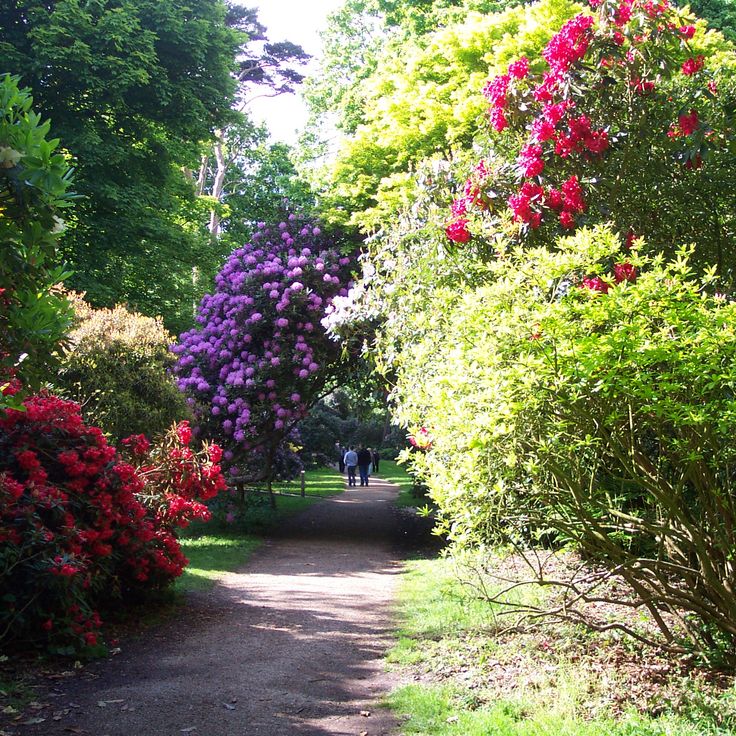
Sheringham Park sits on the Norfolk coast and covers land with gardens and woodland. Rhododendrons and azaleas grow throughout the grounds, especially impressive when in bloom. Walking paths wind through different parts of the park, from open spaces to thick woods. The park brings together designed gardens with the natural landscape of the coast, giving visitors a place to wander and spend time among plants and trees.
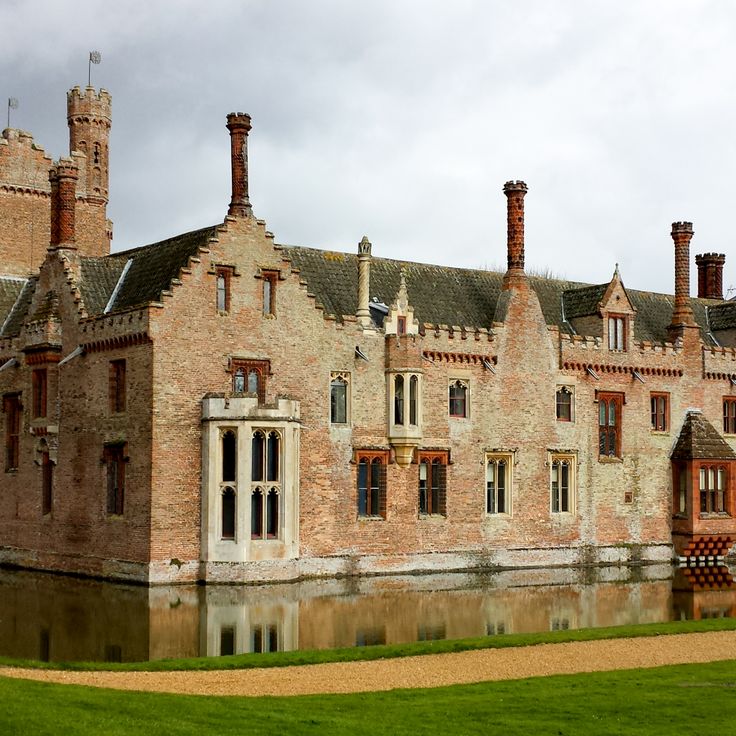
Oxburgh Manor is a moated house built in 1482 that sits within Norfolk's rich medieval landscape. Its rooms hold a chapel, historical tapestries, and a hidden priest's hole. This manor shows how the gentry lived and worked in medieval times, with its water defenses reflecting both practical concerns and displays of status. Walking through these spaces, you can see how such houses anchored the life of their regions for centuries.
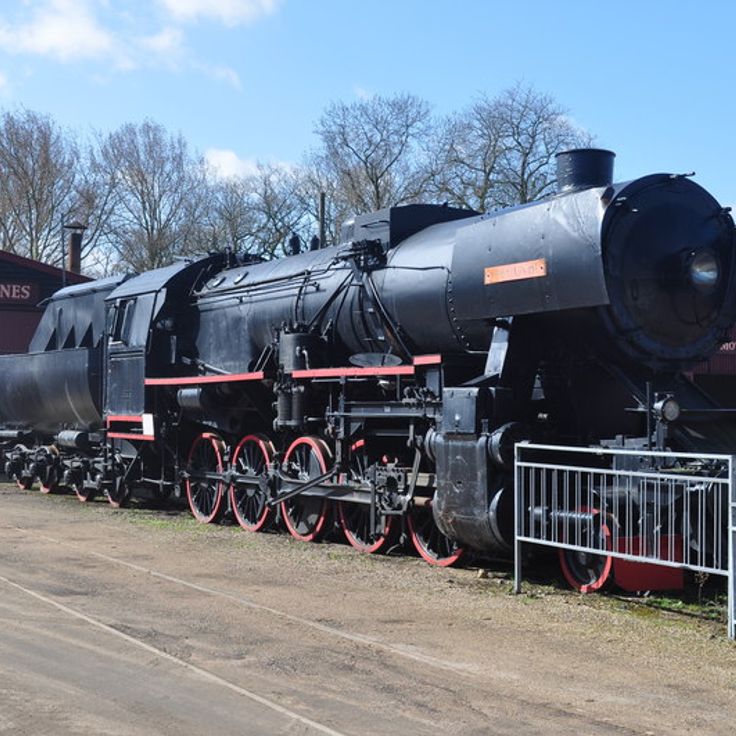
This Norfolk complex features four working steam locomotives that pull trains through the countryside. The site includes multiple garden sections with around 8000 plant species arranged in different styles. A museum documents the history of railways and gardening. Visitors ride the historic trains, walk through the gardens at their own pace, and learn about how these machines operated. The combination of working railway and cultivated grounds creates a place where you can experience both mechanical heritage and horticultural interest.
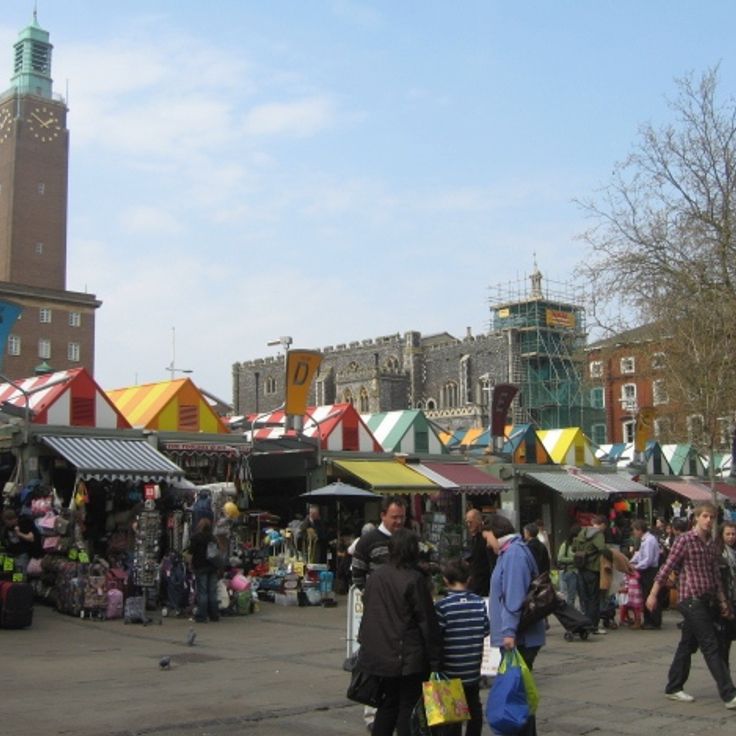
Norwich Market is one of the oldest open-air markets in the country and remains the heart of daily life in the city. Under the market halls and across the squares, you find local produce, crafts, and goods sold by traders from the surrounding region. The market shows how Norwich has been a center for trade and gathering for centuries. Walking through the paved areas, you feel the energy and history of this place.
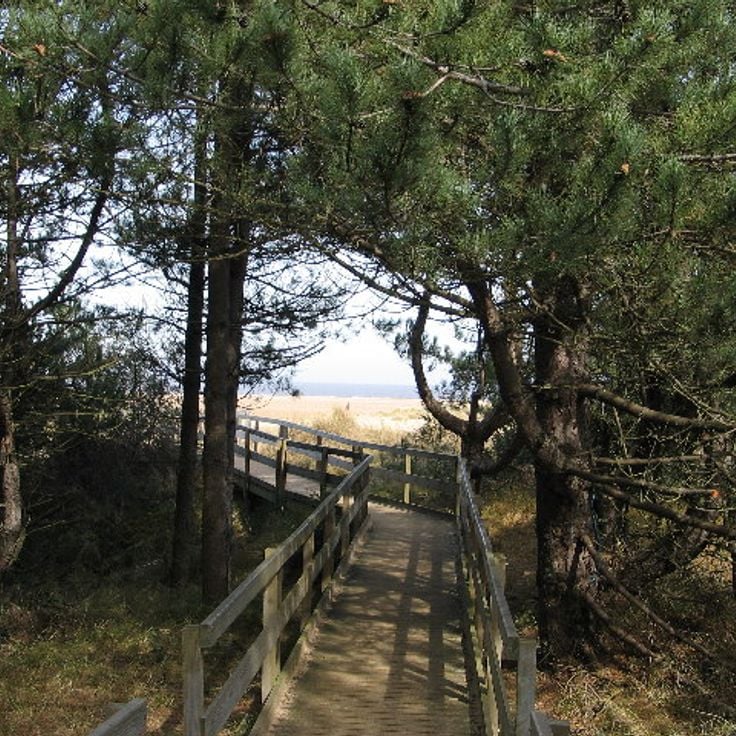
Holkham nature reserve is a vast expanse of coastland in Norfolk, stretching across sand dunes, marshes, and pine forests. Here you will find habitats for thousands of bird species, from ducks and geese to rare migratory birds. Walking paths lead through different landscapes, past salt marshes and along water channels where you can spot herons, cormorants, and other water birds. The reserve welcomes visitors on foot or by bicycle who want to experience nature at their own pace. The air carries the scent of salt and damp earth, and the quiet is broken only by the calls of birds.
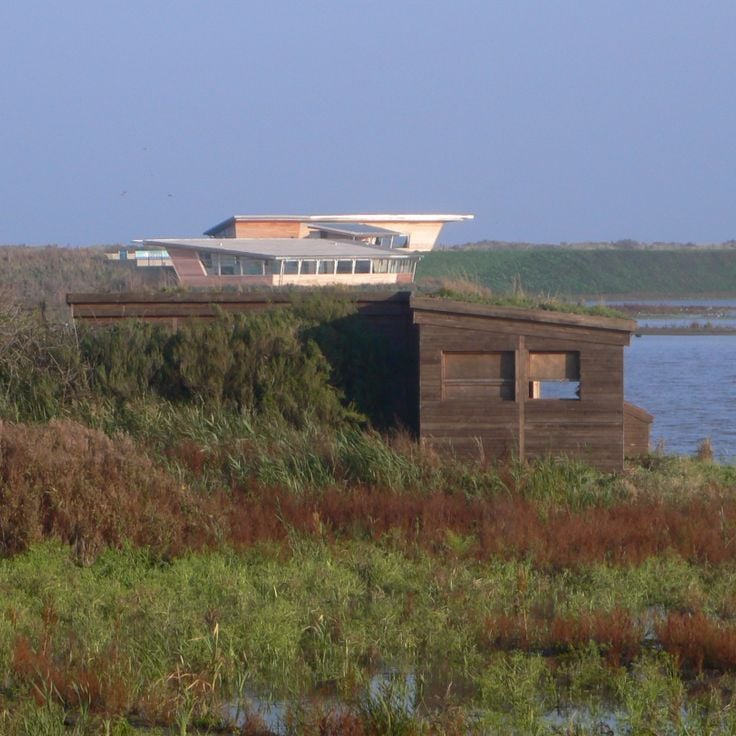
Titchwell Marsh is an RSPB nature reserve on the Norfolk coast that serves as a vital stopover for birds traveling between distant regions. The reserve contains diverse habitats including reed beds, shallow pools, and coastal grassland that support a wide range of species throughout the year. During spring and autumn migration periods, the site fills with thousands of traveling birds, making it one of the most rewarding places in Norfolk for birdwatchers. Visitors can observe wildlife from several hides scattered across the reserve and walk through trails that move through different habitat types. The reserve demonstrates how protected landscapes help maintain populations of water birds and migrants.
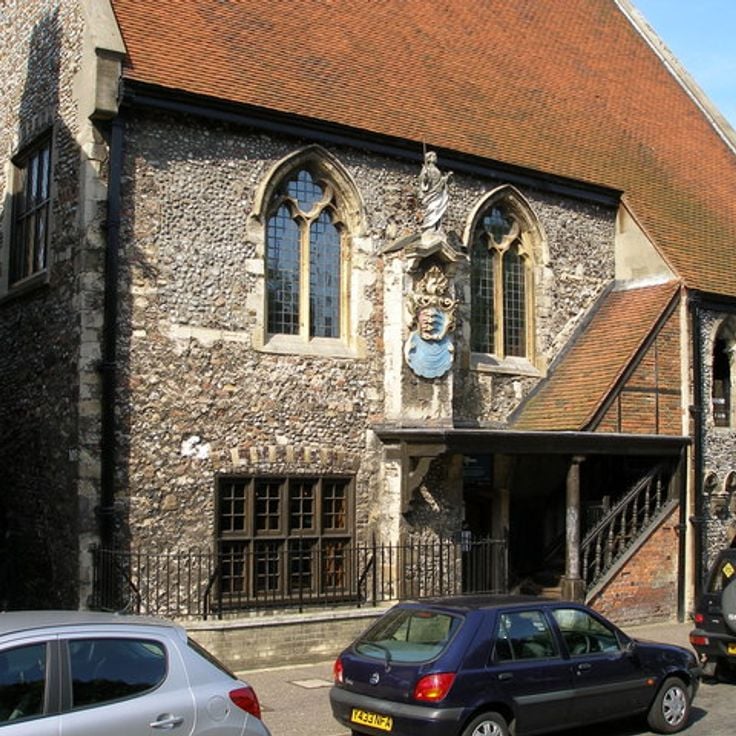
The Tolhouse Gaol in Great Yarmouth is one of the oldest prisons in the country and now serves as a museum. It tells the story of crime and punishment through the centuries. Visitors can see what life behind bars was like and how the justice system changed over time. The building itself is an important part of Norfolk's medieval heritage and connects history with the development of the law.
Blickling Estate is a 17th century manor house built in the Jacobean style. The building shows how wealthy families lived in this period, with grand rooms and careful detail throughout. The French-style gardens surrounding the house feature geometric patterns and wide open spaces. Visitors can explore the rooms inside to understand daily life from centuries ago, and walk through the carefully tended grounds that offer quiet moments and views of the Norfolk countryside.
This 19th-century windpump in Horsey once played a vital role in draining the marshes of Norfolk. The structure stands out against the flat landscape and shows how people managed water in this area long ago. Today it offers visitors views across the wetland and gives a sense of the engineering solutions that were needed to manage this delicate environment.
The Priory of Binham preserves Norman remains from an 11th century monastery. Its west facade displays early English architectural style. This site is part of Norfolk's rich medieval heritage, where religious communities once flourished. Visitors can walk among the stone walls and see the craftsmanship from that distant era. The priory tells the story of a Norfolk where monks lived and worked, and where the surrounding landscape has shifted through centuries.
Castle Acre Priory is a medieval monastic complex in Norfolk featuring Norman and Gothic architectural elements. The ruins display the foundations of a 12th-century church, while the prior's house, still partly standing, offers insight into monastic life. Located in the Norfolk countryside, this site shows the religious importance of the region during the Middle Ages. Visitors can walk among the stone walls and learn about this former spiritual center that once played a significant role in the area's history.
The Happisburgh lighthouse, built in 1791, stands as a notable coastal structure in Norfolk. Rising 26 meters above the landscape, it has long served maritime navigation. The interior retains original equipment that offers insight into the history of coastal safety. Visitors can climb 96 steps to reach the top and take in views of the North Sea from above. This lighthouse connects Norfolk's maritime history with its natural coastal landscape and speaks to the importance of this region for seafaring.
Thetford Forest is one of England's largest woodlands and forms an important part of Norfolk's natural landscape with its extensive coniferous plantations. The forest spreads across rolling terrain and offers a network of marked walking trails and cycling routes where visitors can explore on foot or by bike. Between the tall trees, visitors encounter diverse wildlife including deer, foxes, and numerous bird species. The forest serves as a green refuge within the region and provides space for outdoor recreation, from leisurely walks to more active cycling adventures.
Wymondham Abbey is an 11th-century Benedictine monastery located in Norfolk, England. The building displays Norman architecture marked by two distinctive towers. Inside, you can see medieval wall paintings and a historic organ. This abbey represents the religious life that shaped medieval Norfolk and shows how important religious communities were to the region.
The maritime museum of Mundesley is housed in a former coastguard tower and displays exhibits about seafaring history along with rescue equipment from the 19th century. It offers insight into the maritime past of this coastal region and the work of the early rescue services that protected ships in the North Sea.
Holkham Hall is an 18th-century country house in Norfolk with Italian-style columns and elegant rooms that reflect how the wealthy lived during that era. The estate sits within a wide park where fallow deer roam freely, giving visitors a sense of the scale and grandeur of English country properties. The architecture blends British and Italian design elements, while the interior holds artwork and historical objects that speak to different periods. Walking through the house and grounds, you experience both the refined lifestyle of its residents and their connection to the natural landscape.
Weeting Castle shows the remains of three medieval manor houses from the 12th century. The stone walls and foundations tell the story of Norfolk's past, where history is visible at every turn. These ruins are part of a region filled with historical structures, from ancient monasteries to coastal lighthouses.
Blakeney Point is a 2.5 mile (4 kilometer) sandbank that extends into the North Sea from Norfolk's coast. Seals haul out on the beaches here, and the point attracts over 210 bird species throughout the year. It is one of the most important wildlife sites in the region, offering visitors a chance to see marine mammals and seabirds in their natural habitat.
Baconsthorpe Castle is a fortified manor from the 15th century located in Norfolk. This estate features medieval architecture with its moats, gateways, and outer defensive wall. It shows how a wealthy landowner lived during the late Middle Ages and demonstrates the building techniques of that period. The ruins tell the story of Norfolk's past, when fortified manors like this one shaped the countryside.
These remains of a medieval monastery stand beside the river in the open landscape of Norfolk Broads National Park. The ruins still show the strength of the religious buildings that once rose here over centuries. Visitors can explore the old stone walls and watch the river that has flowed alongside the abbey since its beginning. The site gives a sense of monastic life in the past and its importance to the region.
The garden at East Ruston Old Vicarage in Norfolk spreads across 13 hectares with several themed areas. Mediterranean and tropical plants thrive in different sections of this private garden, creating a surprising contrast with the surrounding Norfolk landscape. Visitors walk through distinct zones where plants from warmer regions flourish alongside traditional English plantings. The garden tells the story of how dedicated gardeners have created a layered landscape that brings distant climates to this eastern English countryside.
Cley Marshes is the oldest nature reserve in Norfolk. It offers observation hides and paths that wind through salt marshes and reed beds. The site attracts visitors who want to watch birds and other wildlife. Here you can see many bird species moving between the water and the reeds. The shallow waters and thick plant growth create homes for numerous animals. Walking through this natural area connects you with the landscape while giving you chances to observe the creatures that live here.
This island on Norfolk's north coast is a nature reserve with salt marshes, sand dunes, and bird sanctuaries. The island shows the different landscapes typical of this region: flat coastal areas where salt water and fresh water meet, and open spaces where seabirds nest and breed. Visitors can observe nature here as it exists throughout Norfolk, where history and nature conservation exist side by side.
Felbrigg Hall is a 17th century manor house and represents the kind of grand residences found throughout Norfolk's landscape. The house contains a library of about 5000 books and a vegetable garden where historical plant varieties are grown. Walking through the rooms reveals furniture and artwork that tell the stories of families across generations. The garden shows how people lived and ate in past centuries.
The Plantation Garden in Norwich is a 19th-century garden featuring terraces, vaulted walkways, and a section of medieval wall. It shows the layering of history that defines Norfolk, where architectural features from different periods sit side by side. This place brings together elegant Victorian garden design with tangible remains of the medieval town, making it a spot where history is visible at every turn.
Holkham Beach stretches for four kilometres along a nature reserve dotted with salt marshes and bird watching points. This coastline forms part of the wider Norfolk landscape where water and wildlife thrive in shallow lakes and meandering waterways. The salt marshes create a home for wading birds and other water species that visit throughout the year. The broad, open beach invites long walks along the North Sea coast, and the observation points offer chances to watch birds in their natural setting.
Heydon village is a 16th-century settlement with a central green, a church, and traditional shops. The village preserves the features of medieval and early modern architecture. Red brick buildings line the streets, and the layout follows the original plan from centuries ago. The village shows how people lived and worked during this period. Visitors can walk through the quiet lanes and explore the old church. Heydon fits into Norfolk's rich history with its historic buildings and connection to rural life in the past.
Elm Hill in Norwich is a medieval street from the 16th century where timber-framed and brick houses line narrow pathways. The street keeps its historic character with old shops, art galleries, and tea rooms tucked into the ground floors of taller buildings. Walking along Elm Hill, you see how people lived and worked in this part of Norwich centuries ago. The buildings stand closely together, creating intimate passages between them. The cobblestone paving and wooden frames of the houses offer glimpses into the past.
Winterton-on-Sea is a coastal village that reflects Norfolk's blend of history and nature. The village features a long sandy beach, dunes, and a protected area for seals and water birds. This coastal landscape shows how nature and human settlement work together in this region. The beach offers a place to walk and explore, while the protected areas provide habitat for wildlife. Winterton-on-Sea joins the everyday life of a village with the rhythms of the coast and the marine life of the North Sea.
Walsingham Shrine is a religious site established in 1061 that contains two main churches, medieval abbey ruins, and an herb garden. Located in Norfolk, it sits within a region that blends historical manor houses, monastic ruins, and coastal lighthouses with natural lakes and bird sanctuaries. This place reveals the layers of history that define Norfolk, where ancient stones and red brick buildings stand alongside wild natural landscapes.
This lighthouse was built in 1840 on red limestone cliffs and overlooks The Wash. Today it serves as a private residence and reflects the maritime history of Norfolk's coast. The structure stands as a reminder of how lighthouses once guided ships along the North Sea, and its position on the distinctive red cliffs makes it a recognizable landmark in the landscape. The lighthouse tells the story of Norfolk's relationship with the sea and its seafaring traditions.
Pulls Ferry in Norwich is a medieval stone structure on the River Wensum that served as an entry point for materials during the construction of the cathedral. This building shows the logistical skill of medieval times and reveals how Norwich played an important religious and economic role in that era. The river was a vital transport route for heavy goods like stone and wood. Standing here, you can understand how people from the past managed large building projects and how waterways shaped their work and commerce.
Norwich Cathedral is a Norman church built in the 11th century that served as the spiritual heart of the region. Its spire rises 96 meters and can be seen from miles around. Inside, the cathedral holds medieval cloisters with stone vaults that sheltered daily monastic life and prayer for centuries. The Romanesque arches and thick stone walls show the craftsmanship of Norman builders and reflect Norfolk's importance in medieval England.
Ranworth Broad is a wetland reserve at the heart of the Norfolk Broads, covering about 40 hectares of shallow water and reed beds. The site draws birdwatchers and nature lovers who come to observe the diverse bird species that live here, from dabchicks to marsh harriers. A floating visitor center sits on the water, providing information about the ecology of this unique landscape. Walking paths and observation platforms allow visitors to experience the site up close. The broad itself changes with the seasons, and the reeds and water create a sense of being immersed in a working natural habitat.
Letheringsett Water Mill is part of Norfolk's rich landscape of historic buildings and natural features. This 18th century mill still operates by water power, grinding grain into flour using its original machinery. The mill demonstrates how people once harnessed flowing water for work. Visitors can see the mechanisms that turn grain through centuries-old engineering.
Caistor St Edmund was a significant settlement during the Roman period in Norfolk. Visitors can see the remains of defensive walls that once protected the town. The forum, which served as the center of public life, lies beneath the modern landscape. The public baths from the 3rd century show how people lived during Roman times. The ruins sit in the rural countryside of Norfolk and reveal what life was like for the Romans in this region.
Sheringham Park sits on the Norfolk coast and covers land with gardens and woodland. Rhododendrons and azaleas grow throughout the grounds, especially impressive when in bloom. Walking paths wind through different parts of the park, from open spaces to thick woods. The park brings together designed gardens with the natural landscape of the coast, giving visitors a place to wander and spend time among plants and trees.
Oxburgh Manor is a moated house built in 1482 that sits within Norfolk's rich medieval landscape. Its rooms hold a chapel, historical tapestries, and a hidden priest's hole. This manor shows how the gentry lived and worked in medieval times, with its water defenses reflecting both practical concerns and displays of status. Walking through these spaces, you can see how such houses anchored the life of their regions for centuries.
This Norfolk complex features four working steam locomotives that pull trains through the countryside. The site includes multiple garden sections with around 8000 plant species arranged in different styles. A museum documents the history of railways and gardening. Visitors ride the historic trains, walk through the gardens at their own pace, and learn about how these machines operated. The combination of working railway and cultivated grounds creates a place where you can experience both mechanical heritage and horticultural interest.
Norwich Market is one of the oldest open-air markets in the country and remains the heart of daily life in the city. Under the market halls and across the squares, you find local produce, crafts, and goods sold by traders from the surrounding region. The market shows how Norwich has been a center for trade and gathering for centuries. Walking through the paved areas, you feel the energy and history of this place.
Holkham nature reserve is a vast expanse of coastland in Norfolk, stretching across sand dunes, marshes, and pine forests. Here you will find habitats for thousands of bird species, from ducks and geese to rare migratory birds. Walking paths lead through different landscapes, past salt marshes and along water channels where you can spot herons, cormorants, and other water birds. The reserve welcomes visitors on foot or by bicycle who want to experience nature at their own pace. The air carries the scent of salt and damp earth, and the quiet is broken only by the calls of birds.
Titchwell Marsh is an RSPB nature reserve on the Norfolk coast that serves as a vital stopover for birds traveling between distant regions. The reserve contains diverse habitats including reed beds, shallow pools, and coastal grassland that support a wide range of species throughout the year. During spring and autumn migration periods, the site fills with thousands of traveling birds, making it one of the most rewarding places in Norfolk for birdwatchers. Visitors can observe wildlife from several hides scattered across the reserve and walk through trails that move through different habitat types. The reserve demonstrates how protected landscapes help maintain populations of water birds and migrants.
The Tolhouse Gaol in Great Yarmouth is one of the oldest prisons in the country and now serves as a museum. It tells the story of crime and punishment through the centuries. Visitors can see what life behind bars was like and how the justice system changed over time. The building itself is an important part of Norfolk's medieval heritage and connects history with the development of the law.
Blickling Estate is a 17th century manor house built in the Jacobean style. The building shows how wealthy families lived in this period, with grand rooms and careful detail throughout. The French-style gardens surrounding the house feature geometric patterns and wide open spaces. Visitors can explore the rooms inside to understand daily life from centuries ago, and walk through the carefully tended grounds that offer quiet moments and views of the Norfolk countryside.
This 19th-century windpump in Horsey once played a vital role in draining the marshes of Norfolk. The structure stands out against the flat landscape and shows how people managed water in this area long ago. Today it offers visitors views across the wetland and gives a sense of the engineering solutions that were needed to manage this delicate environment.
The Priory of Binham preserves Norman remains from an 11th century monastery. Its west facade displays early English architectural style. This site is part of Norfolk's rich medieval heritage, where religious communities once flourished. Visitors can walk among the stone walls and see the craftsmanship from that distant era. The priory tells the story of a Norfolk where monks lived and worked, and where the surrounding landscape has shifted through centuries.
Castle Acre Priory is a medieval monastic complex in Norfolk featuring Norman and Gothic architectural elements. The ruins display the foundations of a 12th-century church, while the prior's house, still partly standing, offers insight into monastic life. Located in the Norfolk countryside, this site shows the religious importance of the region during the Middle Ages. Visitors can walk among the stone walls and learn about this former spiritual center that once played a significant role in the area's history.
The Happisburgh lighthouse, built in 1791, stands as a notable coastal structure in Norfolk. Rising 26 meters above the landscape, it has long served maritime navigation. The interior retains original equipment that offers insight into the history of coastal safety. Visitors can climb 96 steps to reach the top and take in views of the North Sea from above. This lighthouse connects Norfolk's maritime history with its natural coastal landscape and speaks to the importance of this region for seafaring.
Thetford Forest is one of England's largest woodlands and forms an important part of Norfolk's natural landscape with its extensive coniferous plantations. The forest spreads across rolling terrain and offers a network of marked walking trails and cycling routes where visitors can explore on foot or by bike. Between the tall trees, visitors encounter diverse wildlife including deer, foxes, and numerous bird species. The forest serves as a green refuge within the region and provides space for outdoor recreation, from leisurely walks to more active cycling adventures.
Wymondham Abbey is an 11th-century Benedictine monastery located in Norfolk, England. The building displays Norman architecture marked by two distinctive towers. Inside, you can see medieval wall paintings and a historic organ. This abbey represents the religious life that shaped medieval Norfolk and shows how important religious communities were to the region.
The maritime museum of Mundesley is housed in a former coastguard tower and displays exhibits about seafaring history along with rescue equipment from the 19th century. It offers insight into the maritime past of this coastal region and the work of the early rescue services that protected ships in the North Sea.
Holkham Hall is an 18th-century country house in Norfolk with Italian-style columns and elegant rooms that reflect how the wealthy lived during that era. The estate sits within a wide park where fallow deer roam freely, giving visitors a sense of the scale and grandeur of English country properties. The architecture blends British and Italian design elements, while the interior holds artwork and historical objects that speak to different periods. Walking through the house and grounds, you experience both the refined lifestyle of its residents and their connection to the natural landscape.
Weeting Castle shows the remains of three medieval manor houses from the 12th century. The stone walls and foundations tell the story of Norfolk's past, where history is visible at every turn. These ruins are part of a region filled with historical structures, from ancient monasteries to coastal lighthouses.
Blakeney Point is a 2.5 mile (4 kilometer) sandbank that extends into the North Sea from Norfolk's coast. Seals haul out on the beaches here, and the point attracts over 210 bird species throughout the year. It is one of the most important wildlife sites in the region, offering visitors a chance to see marine mammals and seabirds in their natural habitat.
Baconsthorpe Castle is a fortified manor from the 15th century located in Norfolk. This estate features medieval architecture with its moats, gateways, and outer defensive wall. It shows how a wealthy landowner lived during the late Middle Ages and demonstrates the building techniques of that period. The ruins tell the story of Norfolk's past, when fortified manors like this one shaped the countryside.
These remains of a medieval monastery stand beside the river in the open landscape of Norfolk Broads National Park. The ruins still show the strength of the religious buildings that once rose here over centuries. Visitors can explore the old stone walls and watch the river that has flowed alongside the abbey since its beginning. The site gives a sense of monastic life in the past and its importance to the region.
The garden at East Ruston Old Vicarage in Norfolk spreads across 13 hectares with several themed areas. Mediterranean and tropical plants thrive in different sections of this private garden, creating a surprising contrast with the surrounding Norfolk landscape. Visitors walk through distinct zones where plants from warmer regions flourish alongside traditional English plantings. The garden tells the story of how dedicated gardeners have created a layered landscape that brings distant climates to this eastern English countryside.
Cley Marshes is the oldest nature reserve in Norfolk. It offers observation hides and paths that wind through salt marshes and reed beds. The site attracts visitors who want to watch birds and other wildlife. Here you can see many bird species moving between the water and the reeds. The shallow waters and thick plant growth create homes for numerous animals. Walking through this natural area connects you with the landscape while giving you chances to observe the creatures that live here.
This island on Norfolk's north coast is a nature reserve with salt marshes, sand dunes, and bird sanctuaries. The island shows the different landscapes typical of this region: flat coastal areas where salt water and fresh water meet, and open spaces where seabirds nest and breed. Visitors can observe nature here as it exists throughout Norfolk, where history and nature conservation exist side by side.
Felbrigg Hall is a 17th century manor house and represents the kind of grand residences found throughout Norfolk's landscape. The house contains a library of about 5000 books and a vegetable garden where historical plant varieties are grown. Walking through the rooms reveals furniture and artwork that tell the stories of families across generations. The garden shows how people lived and ate in past centuries.
The Plantation Garden in Norwich is a 19th-century garden featuring terraces, vaulted walkways, and a section of medieval wall. It shows the layering of history that defines Norfolk, where architectural features from different periods sit side by side. This place brings together elegant Victorian garden design with tangible remains of the medieval town, making it a spot where history is visible at every turn.
Holkham Beach stretches for four kilometres along a nature reserve dotted with salt marshes and bird watching points. This coastline forms part of the wider Norfolk landscape where water and wildlife thrive in shallow lakes and meandering waterways. The salt marshes create a home for wading birds and other water species that visit throughout the year. The broad, open beach invites long walks along the North Sea coast, and the observation points offer chances to watch birds in their natural setting.
Heydon village is a 16th-century settlement with a central green, a church, and traditional shops. The village preserves the features of medieval and early modern architecture. Red brick buildings line the streets, and the layout follows the original plan from centuries ago. The village shows how people lived and worked during this period. Visitors can walk through the quiet lanes and explore the old church. Heydon fits into Norfolk's rich history with its historic buildings and connection to rural life in the past.
Elm Hill in Norwich is a medieval street from the 16th century where timber-framed and brick houses line narrow pathways. The street keeps its historic character with old shops, art galleries, and tea rooms tucked into the ground floors of taller buildings. Walking along Elm Hill, you see how people lived and worked in this part of Norwich centuries ago. The buildings stand closely together, creating intimate passages between them. The cobblestone paving and wooden frames of the houses offer glimpses into the past.
Winterton-on-Sea is a coastal village that reflects Norfolk's blend of history and nature. The village features a long sandy beach, dunes, and a protected area for seals and water birds. This coastal landscape shows how nature and human settlement work together in this region. The beach offers a place to walk and explore, while the protected areas provide habitat for wildlife. Winterton-on-Sea joins the everyday life of a village with the rhythms of the coast and the marine life of the North Sea.
Walsingham Shrine is a religious site established in 1061 that contains two main churches, medieval abbey ruins, and an herb garden. Located in Norfolk, it sits within a region that blends historical manor houses, monastic ruins, and coastal lighthouses with natural lakes and bird sanctuaries. This place reveals the layers of history that define Norfolk, where ancient stones and red brick buildings stand alongside wild natural landscapes.
This lighthouse was built in 1840 on red limestone cliffs and overlooks The Wash. Today it serves as a private residence and reflects the maritime history of Norfolk's coast. The structure stands as a reminder of how lighthouses once guided ships along the North Sea, and its position on the distinctive red cliffs makes it a recognizable landmark in the landscape. The lighthouse tells the story of Norfolk's relationship with the sea and its seafaring traditions.
Pulls Ferry in Norwich is a medieval stone structure on the River Wensum that served as an entry point for materials during the construction of the cathedral. This building shows the logistical skill of medieval times and reveals how Norwich played an important religious and economic role in that era. The river was a vital transport route for heavy goods like stone and wood. Standing here, you can understand how people from the past managed large building projects and how waterways shaped their work and commerce.
Norwich Cathedral is a Norman church built in the 11th century that served as the spiritual heart of the region. Its spire rises 96 meters and can be seen from miles around. Inside, the cathedral holds medieval cloisters with stone vaults that sheltered daily monastic life and prayer for centuries. The Romanesque arches and thick stone walls show the craftsmanship of Norman builders and reflect Norfolk's importance in medieval England.
Ranworth Broad is a wetland reserve at the heart of the Norfolk Broads, covering about 40 hectares of shallow water and reed beds. The site draws birdwatchers and nature lovers who come to observe the diverse bird species that live here, from dabchicks to marsh harriers. A floating visitor center sits on the water, providing information about the ecology of this unique landscape. Walking paths and observation platforms allow visitors to experience the site up close. The broad itself changes with the seasons, and the reeds and water create a sense of being immersed in a working natural habitat.
Letheringsett Water Mill is part of Norfolk's rich landscape of historic buildings and natural features. This 18th century mill still operates by water power, grinding grain into flour using its original machinery. The mill demonstrates how people once harnessed flowing water for work. Visitors can see the mechanisms that turn grain through centuries-old engineering.
Caistor St Edmund was a significant settlement during the Roman period in Norfolk. Visitors can see the remains of defensive walls that once protected the town. The forum, which served as the center of public life, lies beneath the modern landscape. The public baths from the 3rd century show how people lived during Roman times. The ruins sit in the rural countryside of Norfolk and reveal what life was like for the Romans in this region.
Sheringham Park sits on the Norfolk coast and covers land with gardens and woodland. Rhododendrons and azaleas grow throughout the grounds, especially impressive when in bloom. Walking paths wind through different parts of the park, from open spaces to thick woods. The park brings together designed gardens with the natural landscape of the coast, giving visitors a place to wander and spend time among plants and trees.
Oxburgh Manor is a moated house built in 1482 that sits within Norfolk's rich medieval landscape. Its rooms hold a chapel, historical tapestries, and a hidden priest's hole. This manor shows how the gentry lived and worked in medieval times, with its water defenses reflecting both practical concerns and displays of status. Walking through these spaces, you can see how such houses anchored the life of their regions for centuries.
This Norfolk complex features four working steam locomotives that pull trains through the countryside. The site includes multiple garden sections with around 8000 plant species arranged in different styles. A museum documents the history of railways and gardening. Visitors ride the historic trains, walk through the gardens at their own pace, and learn about how these machines operated. The combination of working railway and cultivated grounds creates a place where you can experience both mechanical heritage and horticultural interest.
Norwich Market is one of the oldest open-air markets in the country and remains the heart of daily life in the city. Under the market halls and across the squares, you find local produce, crafts, and goods sold by traders from the surrounding region. The market shows how Norwich has been a center for trade and gathering for centuries. Walking through the paved areas, you feel the energy and history of this place.
Holkham nature reserve is a vast expanse of coastland in Norfolk, stretching across sand dunes, marshes, and pine forests. Here you will find habitats for thousands of bird species, from ducks and geese to rare migratory birds. Walking paths lead through different landscapes, past salt marshes and along water channels where you can spot herons, cormorants, and other water birds. The reserve welcomes visitors on foot or by bicycle who want to experience nature at their own pace. The air carries the scent of salt and damp earth, and the quiet is broken only by the calls of birds.
Titchwell Marsh is an RSPB nature reserve on the Norfolk coast that serves as a vital stopover for birds traveling between distant regions. The reserve contains diverse habitats including reed beds, shallow pools, and coastal grassland that support a wide range of species throughout the year. During spring and autumn migration periods, the site fills with thousands of traveling birds, making it one of the most rewarding places in Norfolk for birdwatchers. Visitors can observe wildlife from several hides scattered across the reserve and walk through trails that move through different habitat types. The reserve demonstrates how protected landscapes help maintain populations of water birds and migrants.
The Tolhouse Gaol in Great Yarmouth is one of the oldest prisons in the country and now serves as a museum. It tells the story of crime and punishment through the centuries. Visitors can see what life behind bars was like and how the justice system changed over time. The building itself is an important part of Norfolk's medieval heritage and connects history with the development of the law.