See the monuments around you in AROpen chests in the app
Around Us is built for your phone — point your camera at the streets and discover the monuments and places around you in augmented reality.Around Us is built for your phone — chests unlock when you walk, explore and capture nearby places.
What to visit in Jersey: medieval castles, maritime museums, sandy beaches
Jersey is a Channel Island with a history spanning from the Neolithic period to World War II. Visitors can explore Mont Orgueil Castle in Grouville, a fortress from the 13th century that overlooks Gorey, or Elizabeth Castle, a 16th-century fort reached by a causeway covered at high tide. The War Tunnels form an underground network from World War II that shows the period of German occupation. La Hougue Bie contains a burial site from the Neolithic period topped with two medieval chapels.
The island also offers natural spaces like Saint-Brelade Beach and Plemont Bay with sand and water for relaxation. The Jersey Museum and Maritime Museum in St. Helier tell stories of seafaring and history. For nature lovers, the Jersey Zoo spreads across 13 hectares with animals from around the world. Visitors can also sample local products at La Mare Wine Estate for wine tasting or visit the Anglo-Normandian Islands Distillery.
Together, these places show Jersey's story from its earliest people to the maritime activities that have shaped the island. Whether you seek medieval castles, museums, or nature, Jersey has something to discover.
What to visit in Jersey: medieval castles, maritime museums, sandy beaches
Jersey is a Channel Island with a history spanning from the Neolithic period to World War II. Visitors can explore Mont Orgueil Castle in Grouville, a fortress from the 13th century that overlooks Gorey, or Elizabeth Castle, a 16th-century fort reached by a causeway covered at high tide. The War Tunnels form an underground network from World War II that shows the period of German occupation. La Hougue Bie contains a burial site from the Neolithic period topped with two medieval chapels.
The island also offers natural spaces like Saint-Brelade Beach and Plemont Bay with sand and water for relaxation. The Jersey Museum and Maritime Museum in St. Helier tell stories of seafaring and history. For nature lovers, the Jersey Zoo spreads across 13 hectares with animals from around the world. Visitors can also sample local products at La Mare Wine Estate for wine tasting or visit the Anglo-Normandian Islands Distillery.
Together, these places show Jersey's story from its earliest people to the maritime activities that have shaped the island. Whether you seek medieval castles, museums, or nature, Jersey has something to discover.
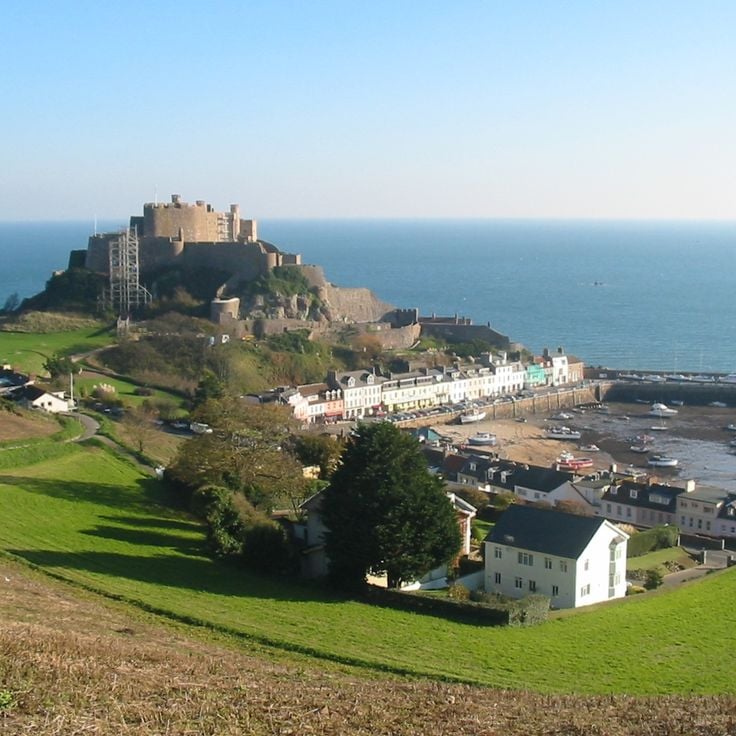
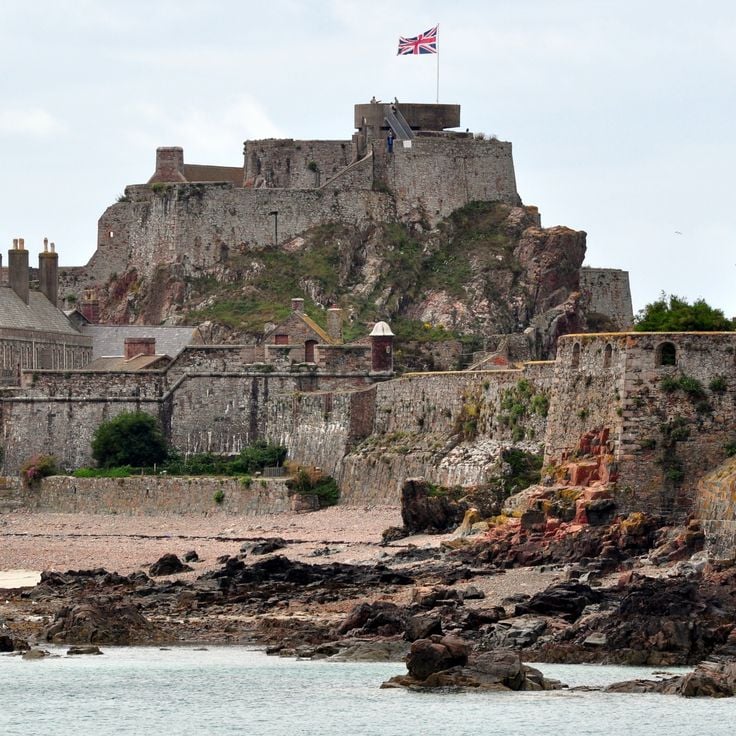
This fortress from the 13th century stands above Grouville Bay and the fishing village of Gorey. As part of this collection exploring Jersey's history, Mont Orgueil Castle helps visitors understand how the island was shaped from the medieval period to today. The defensive walls and towers show how important this location was for protection. Exhibition rooms inside allow visitors to learn more about the island's past.
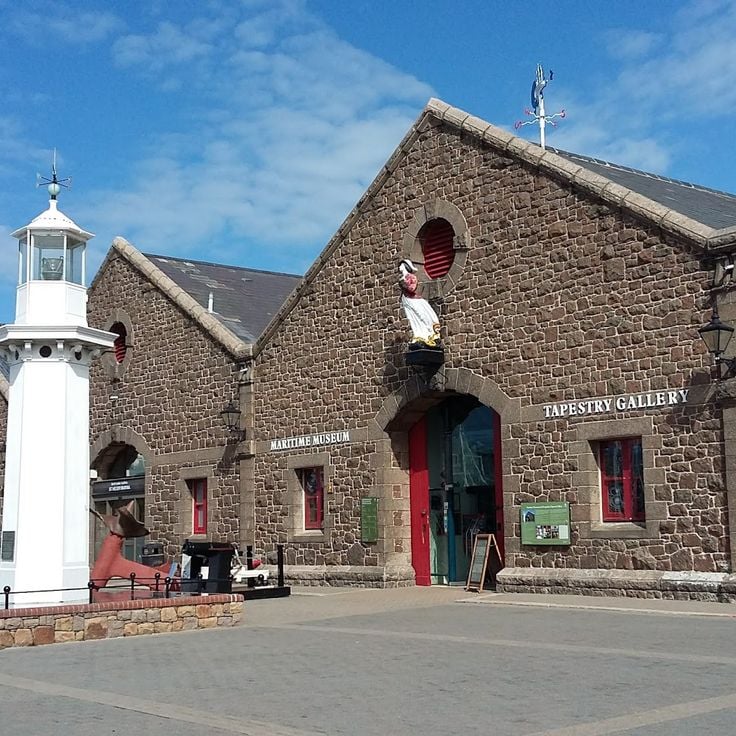
The Maritime Museum in St. Helier displays collections about the history of seafaring, fishing and sea trade in Jersey from the 18th century to the present day. Through objects, documents and ship models, the museum helps visitors understand the maritime activities that have shaped Jersey and its connection to the sea throughout history.
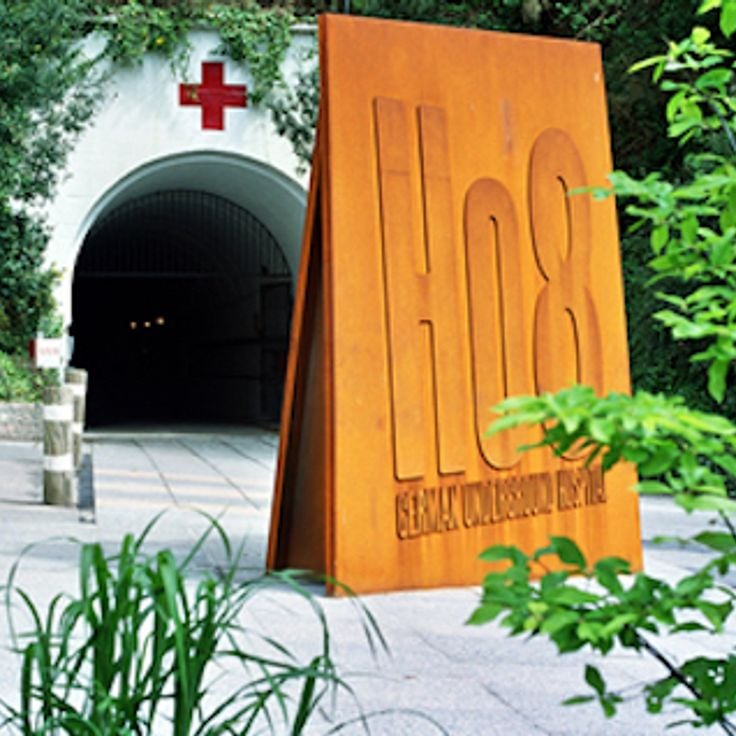
The War Tunnels are an underground network spanning over one kilometer, built by German forces during the occupation. Within the collection of what to visit in Jersey, they document how island residents lived between 1940 and 1945, helping visitors understand this period that shaped the island's history from its earliest inhabitants to the present day.
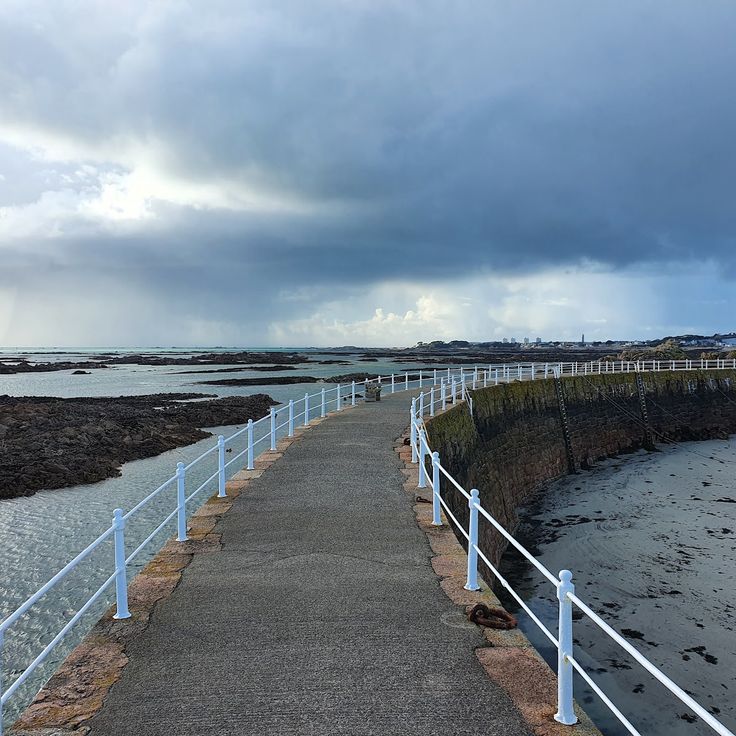
This 16th-century military fortress stands on a tidal island off the coast of St. Helier and is accessible via a causeway that floods during high tide. It forms part of Jersey's historical sites, which demonstrate how the island was shaped from ancient times through World War II. The castle allows visitors to learn about the military past and defensive structures of this Channel Island.
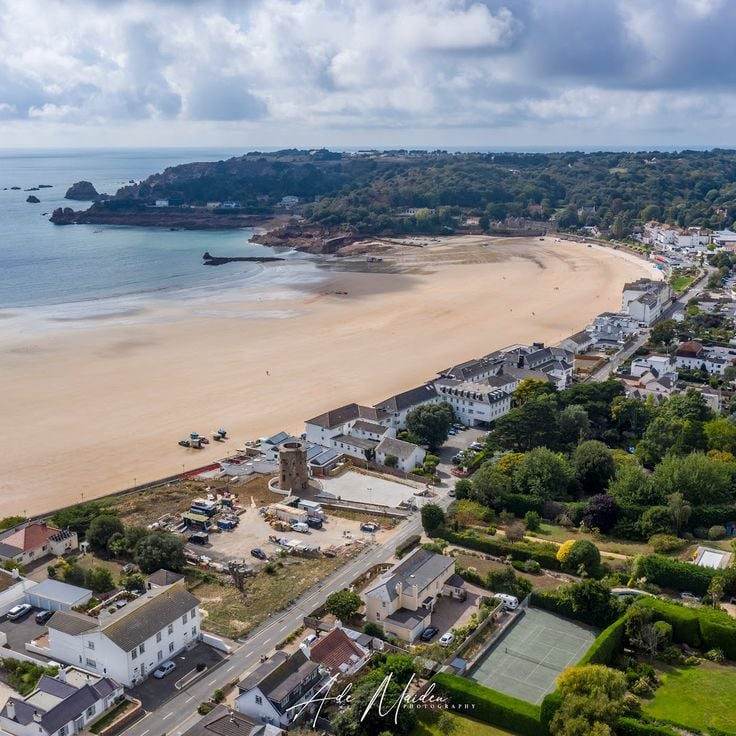
St. Brelade's Bay Beach is a wide sandy beach set in a sheltered bay. It has supervised swimming areas, water sports facilities, and restaurants and cafés along the promenade. This beach is part of Jersey's varied offerings, which range from medieval castles and war tunnels to natural spaces that show the island's history from the Neolithic period to the present day.
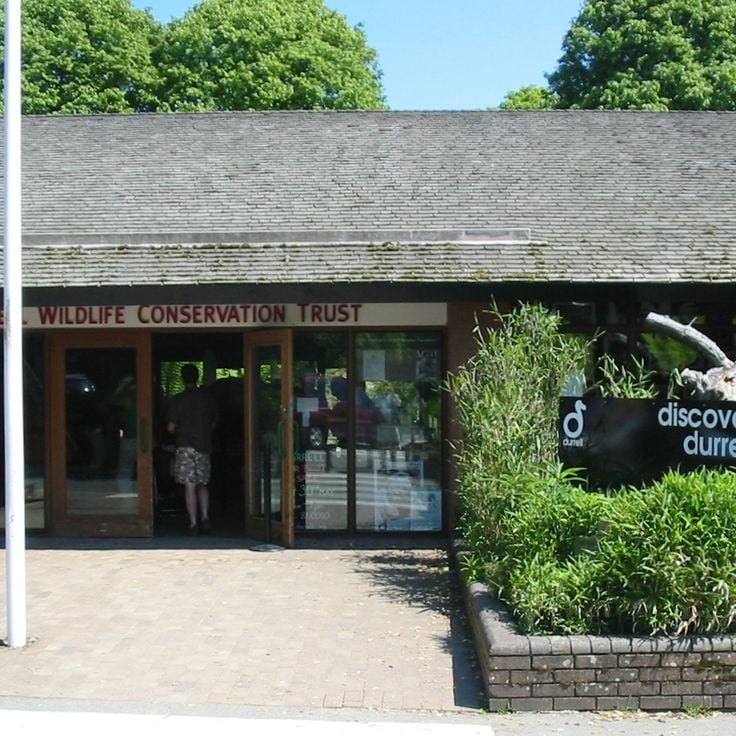
The Jersey Zoo was founded in 1959 by naturalist Gerald Durrell and focuses on protecting threatened animal species through breeding programs and environmental education. Spread across 13 hectares, this zoo houses over 120 endangered species. As part of what to visit in Jersey, this zoo reveals how conservation work operates today and connects visitors to efforts that safeguard wildlife for future generations.
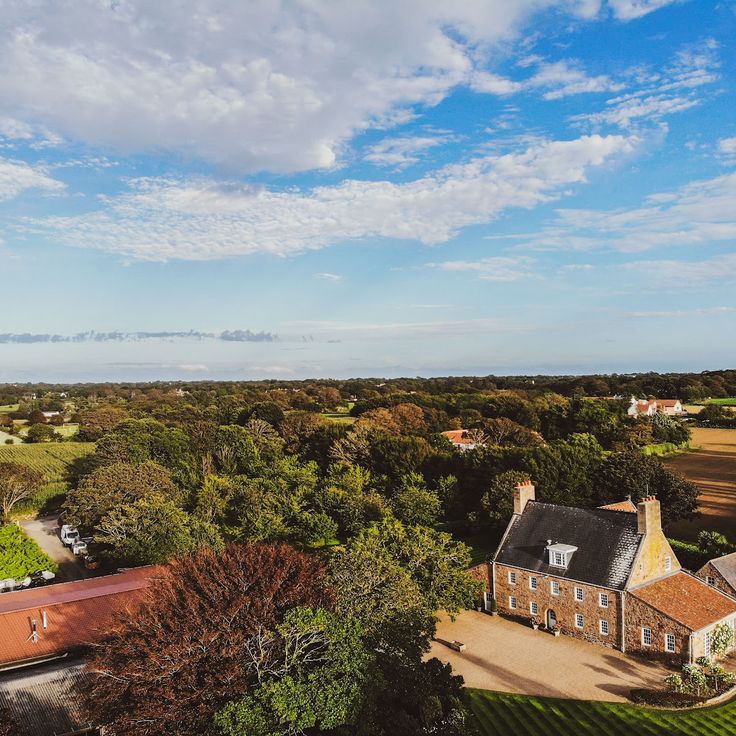
This wine estate in Jersey demonstrates how the island produces local goods. The property spans several hectares and makes wines, ciders, and regional products from local fruits and ingredients. It shows a side of Jersey's history shaped by agricultural activities.
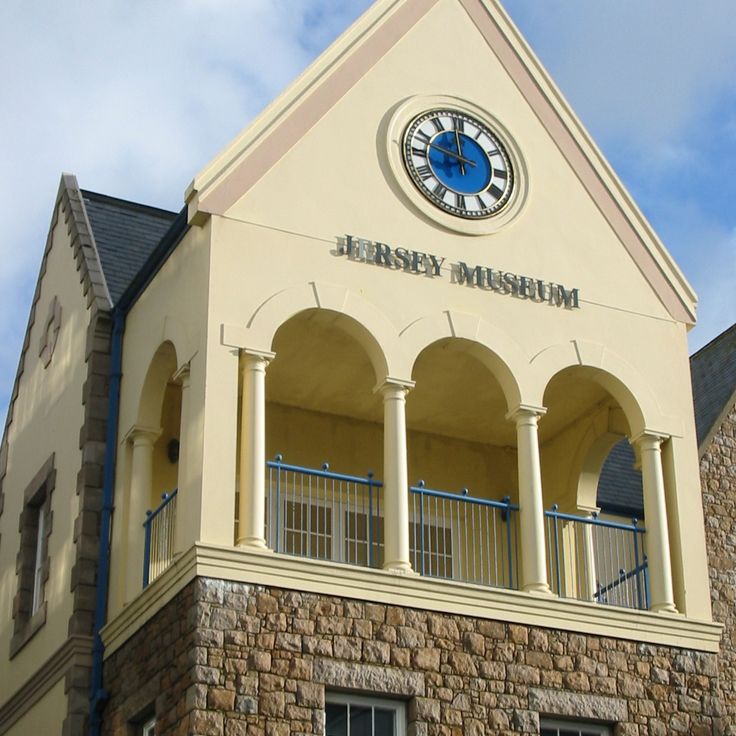
The Jersey Museum and Art Gallery helps visitors understand the island's history in this collection focused on what to visit across Jersey. Housed in a 19th-century building, the museum displays maritime objects and documents that trace the island's social development across several centuries. It provides insight into Jersey's past, from its earliest inhabitants to the maritime activities that have shaped the island up to the present day.
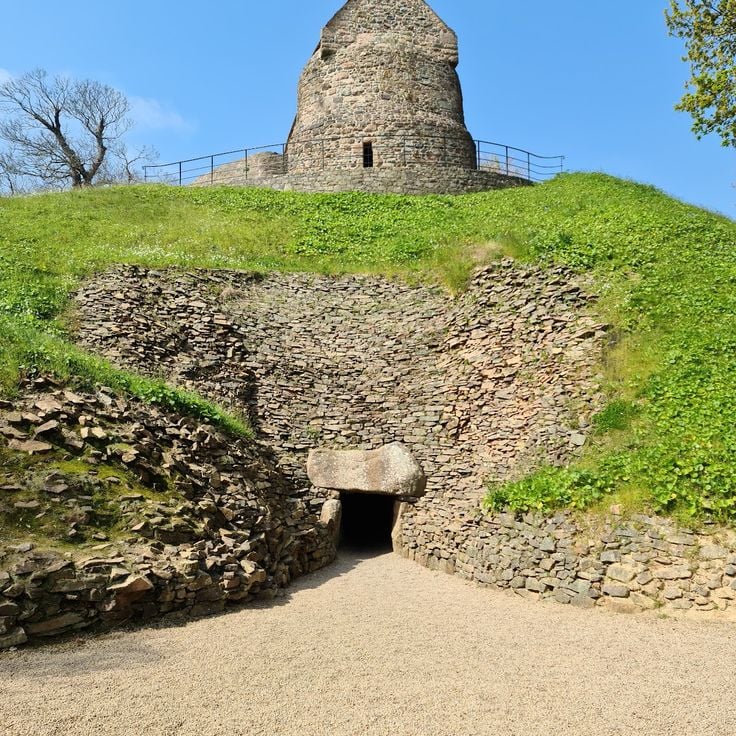
La Hougue Bie is one of the oldest burial sites in Jersey and an important place for understanding the island's early history. This Neolithic passage grave dates back about 6,000 years and features an underground burial chamber where ancient people laid their dead. Two medieval chapels built later on the mound show how the site remained significant through the centuries, blending the island's prehistoric past with its medieval period.
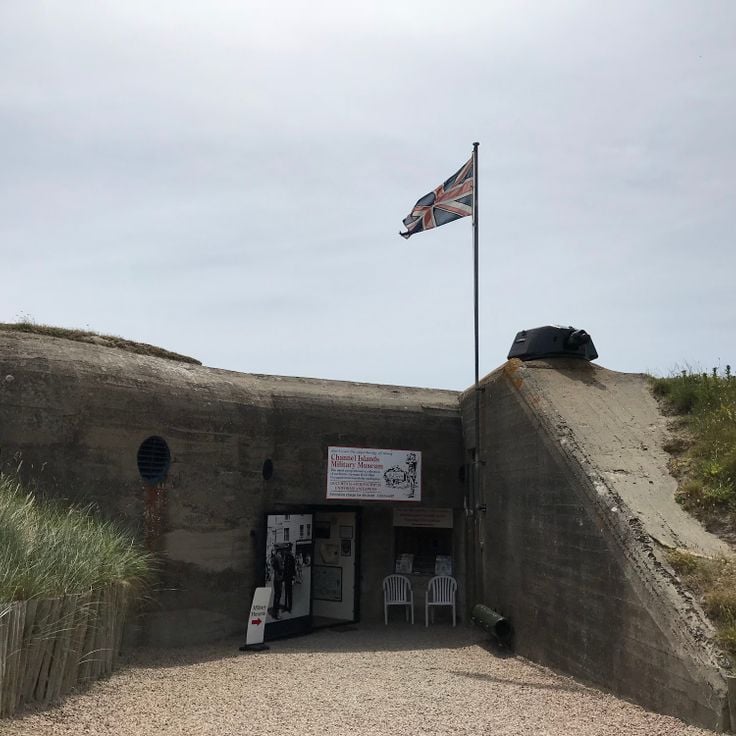
The Channel Island Military Museum documents Jersey's experience during the German occupation. Located in a preserved coastal fortification bunker, the museum displays weapons, uniforms, and documents from this period. The site offers insight into how occupation shaped life on the island and illustrates the military history that remains part of Jersey's past.
As part of exploring Jersey's history and natural landscape, the aMaizin! Adventure Park offers a place where families spend time together. This leisure center provides inflatable play equipment, obstacle courses, and outdoor spaces where children can try different activities. While visitors explore the island's medieval castles and beaches, this park gives younger guests a chance to burn energy and have fun.
This natural bay features sea caves and rock formations, part of what visitors can explore in Jersey, an island with history spanning from the Neolithic period to World War II. A puffin colony settles there during the breeding season. Access varies with tides.
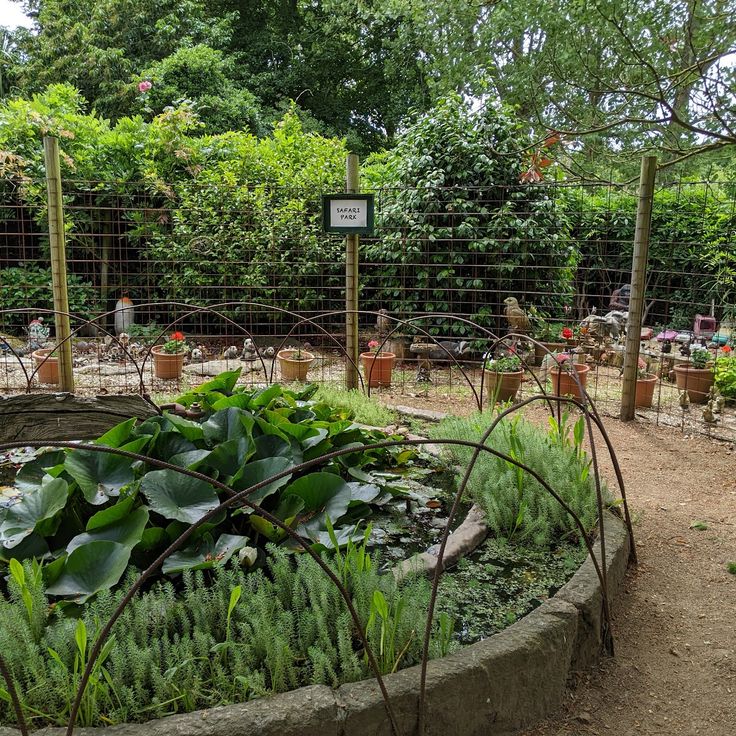
Reg's Garden is an ornamental garden on Jersey that offers visitors a different type of experience alongside the island's historical sites. The garden features decorative ponds, a replica pirate ship, and a fairy-themed trail winding through the plantings. It provides a place for families and visitors to spend time in a creative landscape setting.
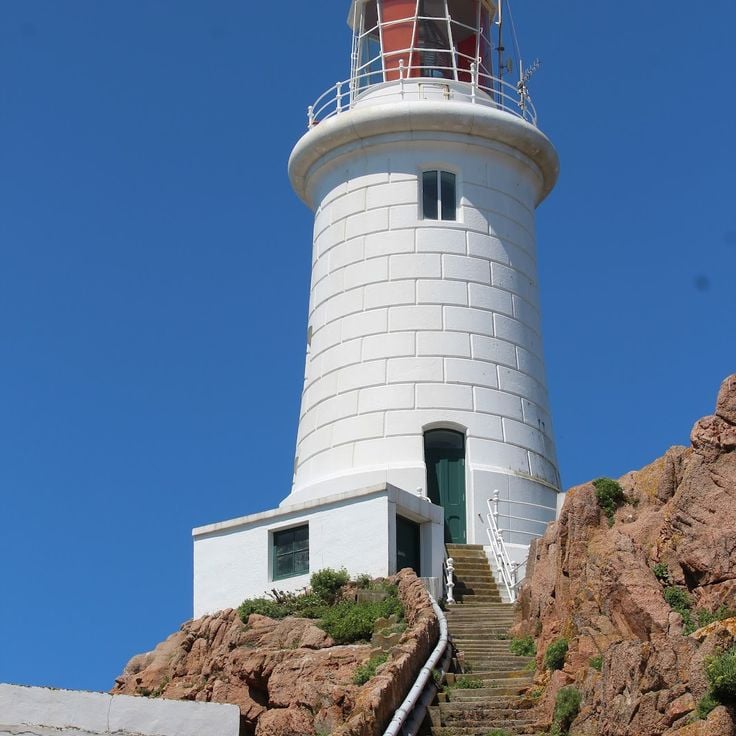
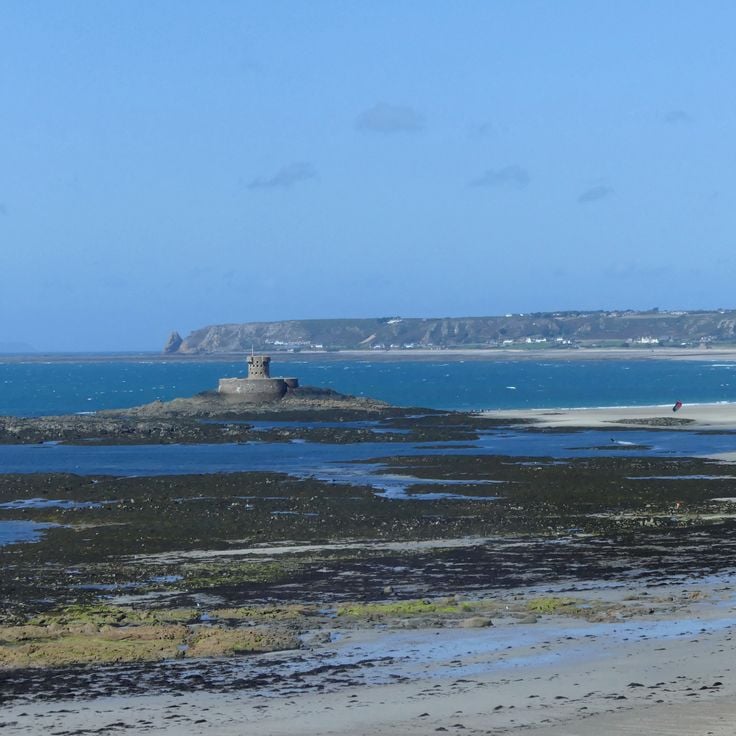
The La Corbière Lighthouse is a white stone structure built in 1874, standing on a rocky islet in Saint-Brelade Bay. A causeway becomes accessible at low tide, allowing visitors to reach it on foot. This lighthouse demonstrates Jersey's maritime past and the importance of seafaring to the island's development.
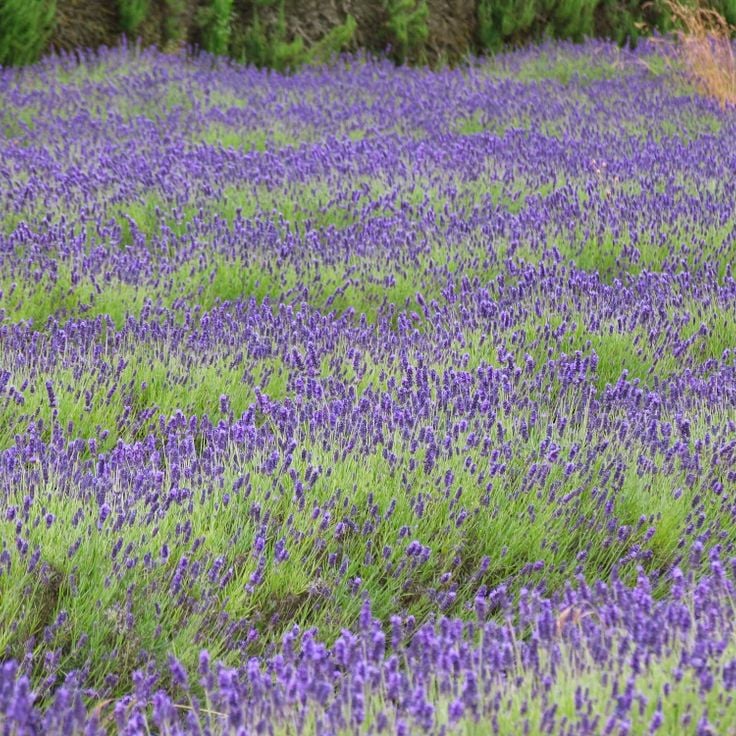
The Jersey Lavender Farm is a working farm growing different varieties of lavender and contributes to the island's agricultural heritage. Alongside historic sites like Mont Orgueil Castle and Elizabeth Castle, and natural areas such as Saint-Brelade Beach, this location shows how Jersey's land has been used over time. In the farm shop, visitors can purchase products made from local harvests.
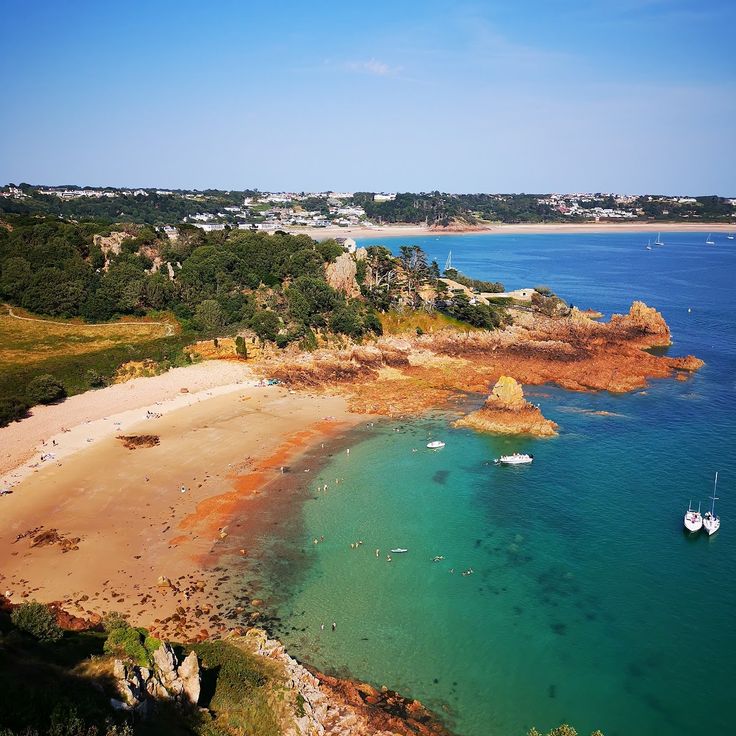
Beauport Beach is a sandy cove on Jersey's north coast that shows the island's natural character. Wide granite cliffs rise above the shore, and coastal paths run along the water's edge. Seabirds nest in the rocks and waters, making this a good place to observe local wildlife. On clear days, views reach across the English Channel toward England.
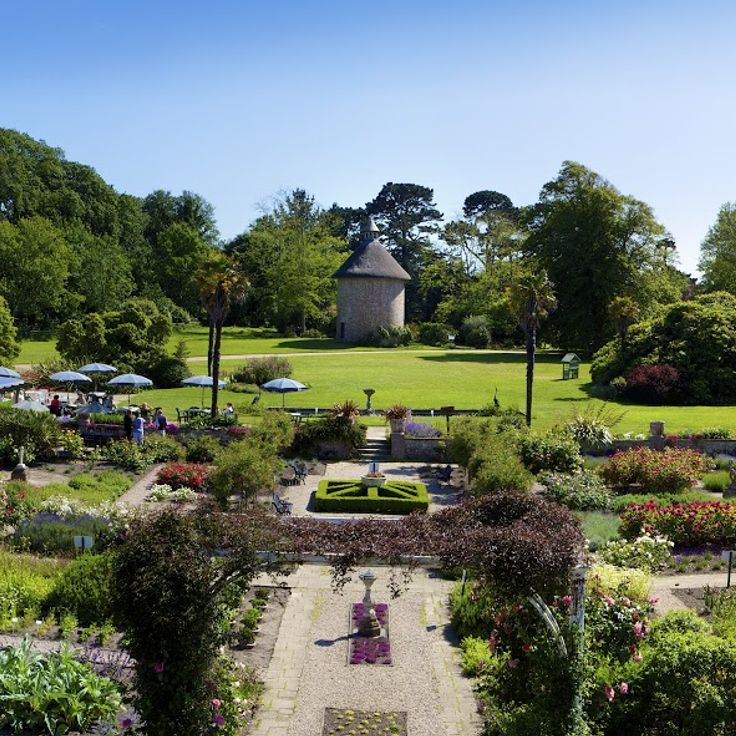
Samares Manor is a 14th-century estate on Jersey that offers visitors a place to stroll through botanical gardens filled with local and exotic plants. The grounds include a Japanese garden and ponds, while the furnished manor house itself tells the story of life in an earlier era. As part of Jersey's historic landscape, this site connects to the island's long past, from its earliest settlements to its more recent history.
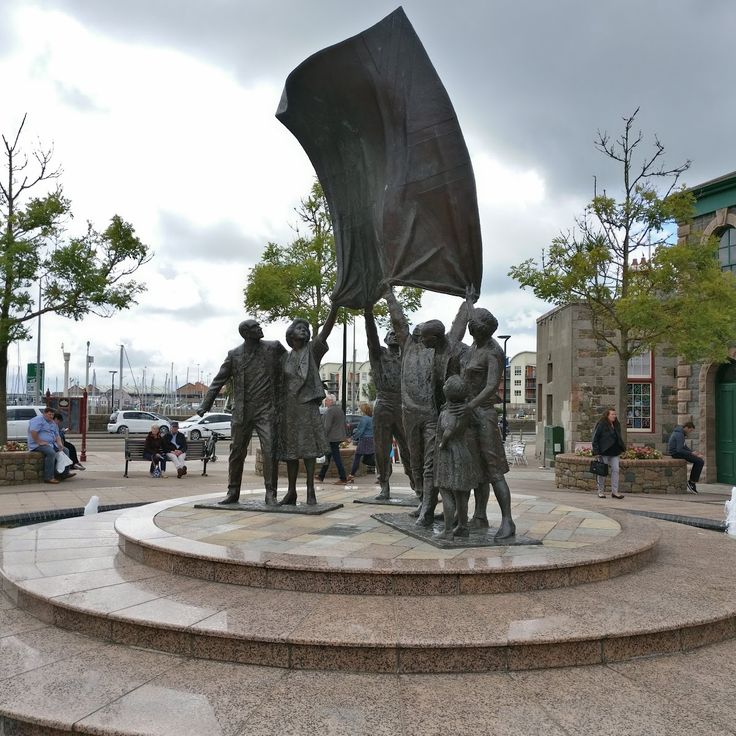
Liberation Square stands at the heart of St. Helier and features a bronze sculpture of islanders holding a British flag, commemorating the end of German occupation in May 1945. Within this collection exploring Jersey's history from the Neolithic period through World War II, Liberation Square helps visitors understand the island's experience during occupation and its liberation.
Saint Aubin's Bay features a long sandy stretch along the south coast with a waterfront promenade. Fort Elizabeth, a 16th-century fortification, sits on a small rocky island accessible on foot at low tide. This bay is part of Jersey's rich history spanning from ancient times to World War II, helping visitors understand the island's past.
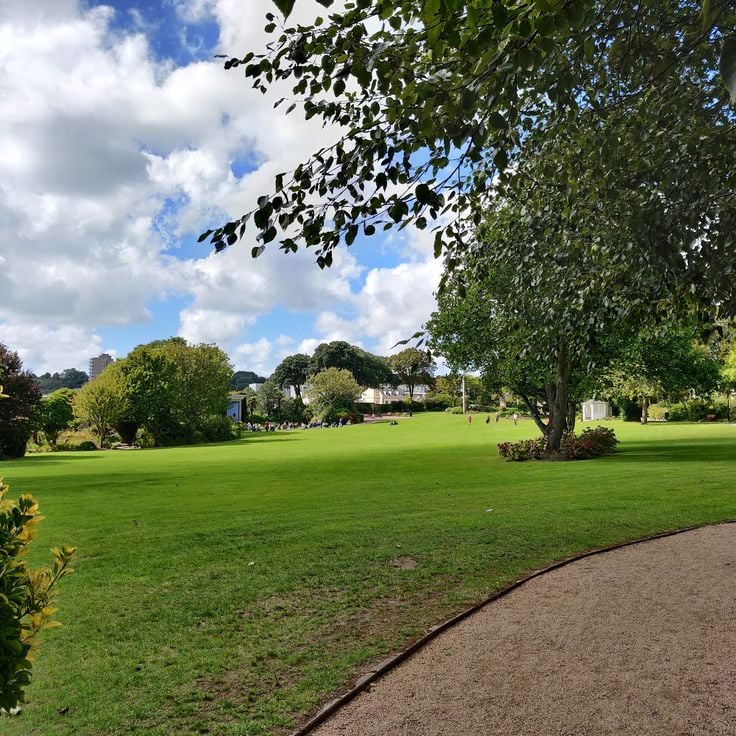
Howard Davis Park was established in 1939 and is part of Jersey's attractions where visitors can explore the island's history and natural spaces. The park features maintained flower beds, tennis courts, a playground for children, and a war memorial dedicated to those who fell.
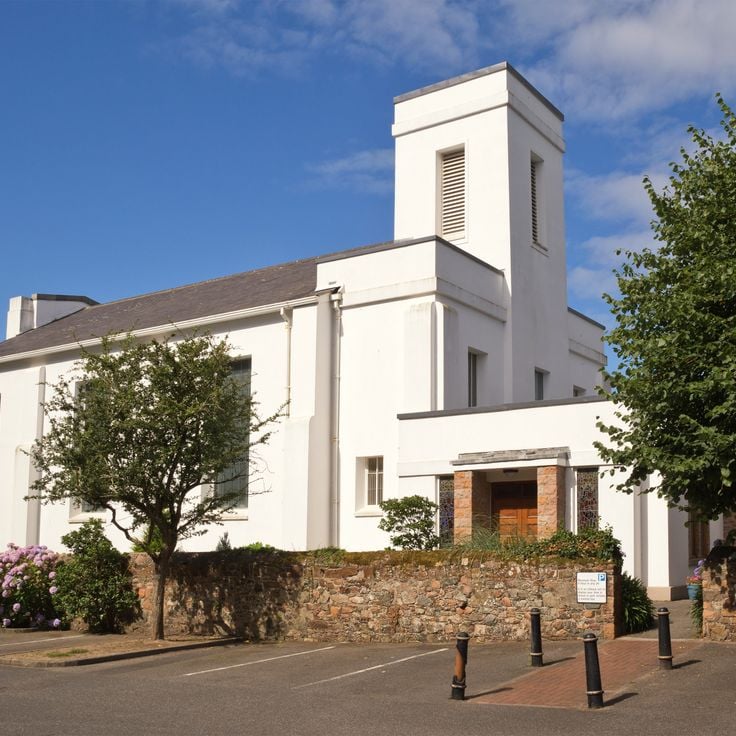
St Matthew's Glass Church is a church on Jersey built in 1840 that houses stained glass windows and sculptures created by French artist René Lalique between 1932 and 1934. These artworks demonstrate the artistic connection between Jersey and French craftsmanship, complementing the island's diverse cultural treasures that reflect its rich history from prehistoric times to the present day.
This bay stretches over 8 kilometers of fine sand and offers waves suitable for surfing year-round. As part of Jersey's diverse landscapes, Saint Ouen's Bay complements the island's medieval castles, war tunnels, and museums, providing visitors with natural spaces for recreation and water sports alongside the historical sites that tell the story of the Channel Island from the Neolithic period to modern times.
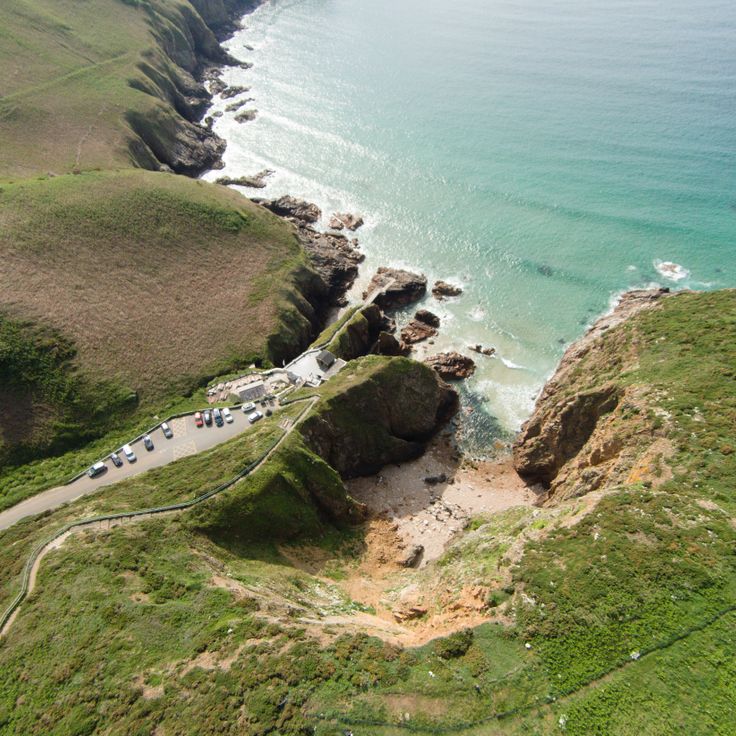
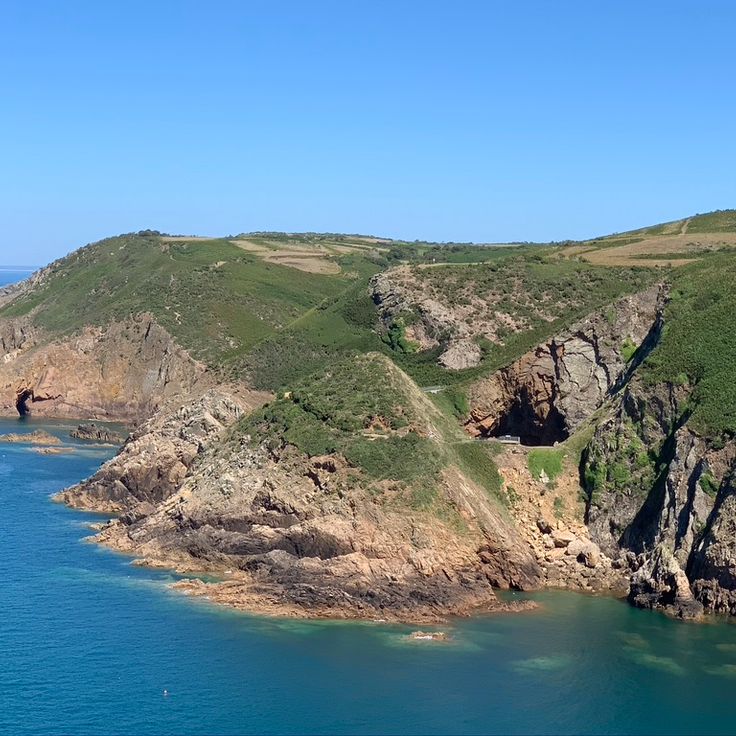
Devil's Hole sits on Jersey's north coast as a natural chasm carved deep into the cliffsides. A walking trail descends to the red-tinged rocks where the sea enters the cave opening. This site reveals the geological forces that have shaped Jersey's landscape and offers visitors a direct encounter with the natural processes that continue to transform the island's coastline.
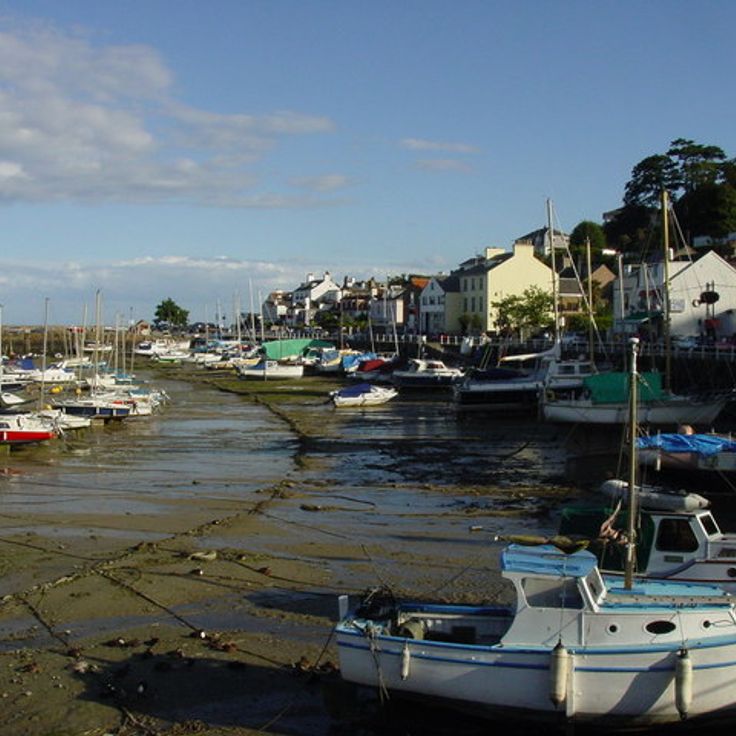
La Rocque Harbour is a fishing port with a stone pier and sandy beach located in a sheltered bay on Jersey's east coast. It represents one of the natural and maritime sites that define this Channel Island, where visitors can explore historical fortresses and working coastal communities alongside beaches and cultural landmarks spanning from prehistoric times to the present day.
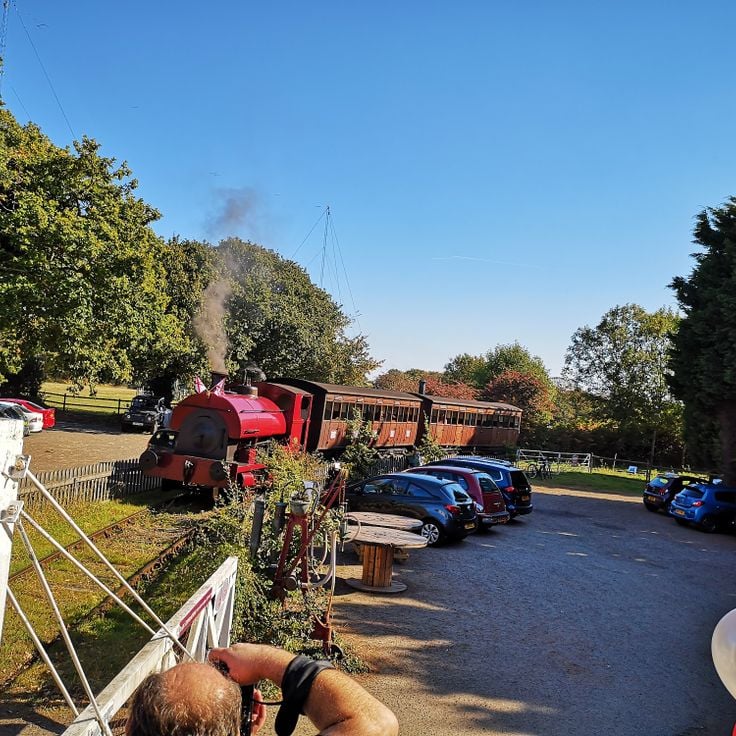
The Pallot Steam, Motor and General Museum contributes to understanding Jersey's history by displaying working steam engines, historic locomotives, agricultural tractors and transport vehicles from the 19th and 20th centuries in a converted railway depot. The museum shows how technology and transportation shaped the island's development.
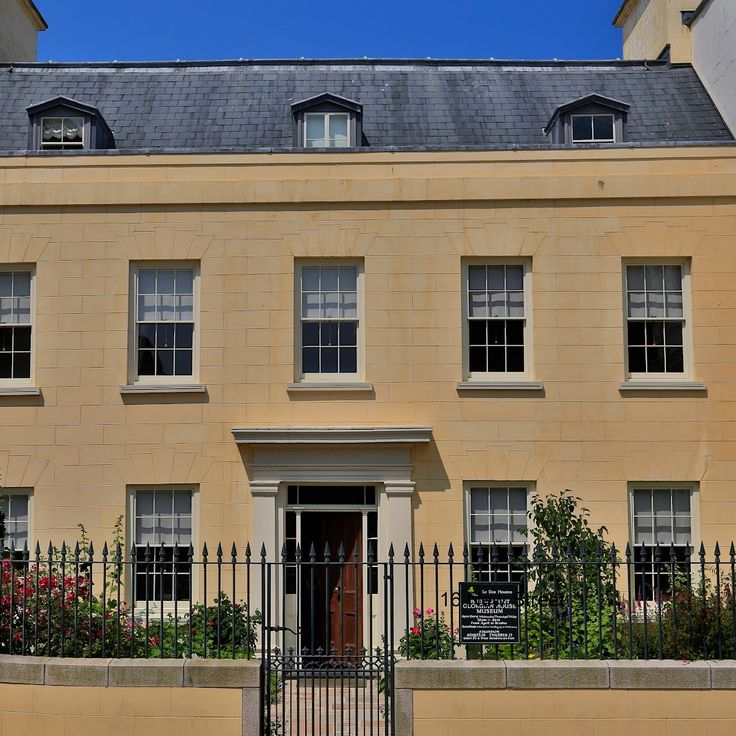
This Georgian townhouse was built in 1730 and offers a look at how Jersey's residents lived during that era. The house preserves its period furniture and rooms from the time it was built. Visitors can tour the salon, dining room, and bedrooms to see how people furnished their homes and spent their daily lives on the island in the 1700s.
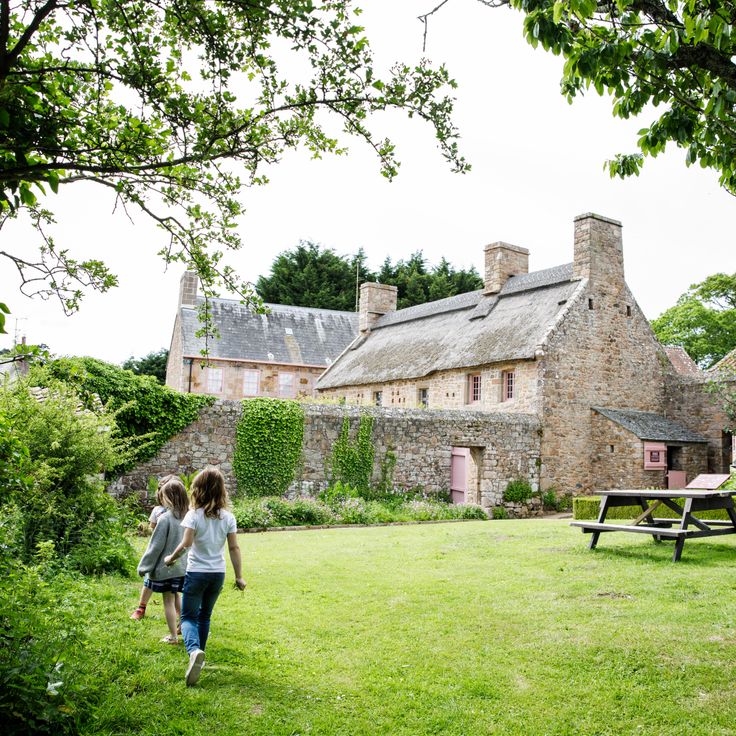
The Hamptonne Country Life Museum contributes to this overview of Jersey's history by showing rural life on the island across several centuries. The museum includes farm buildings dating from the 15th century, an orchard, a traditional cider press, and exhibitions about farming on Jersey. These sites help visitors understand the island's history, from its earliest inhabitants to the maritime activities that have shaped Jersey to the present day.
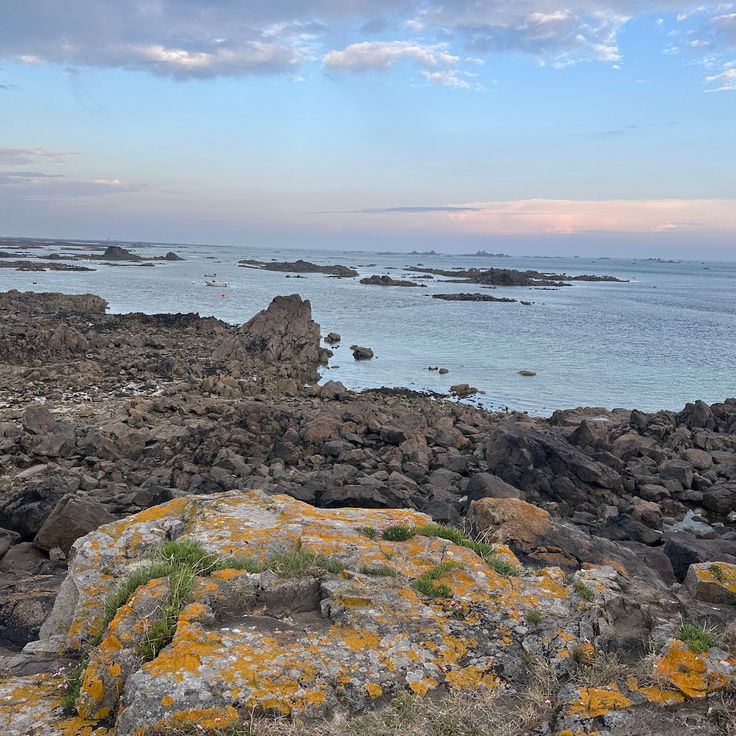
Île Verte is a granite outcrop connected to the coast by a natural causeway at low tide. This site fits into Jersey's history spanning from the Neolithic period to World War II. Visitors can explore a sandy beach here and discover archaeological remains from prehistoric times, revealing how early inhabitants used the island.
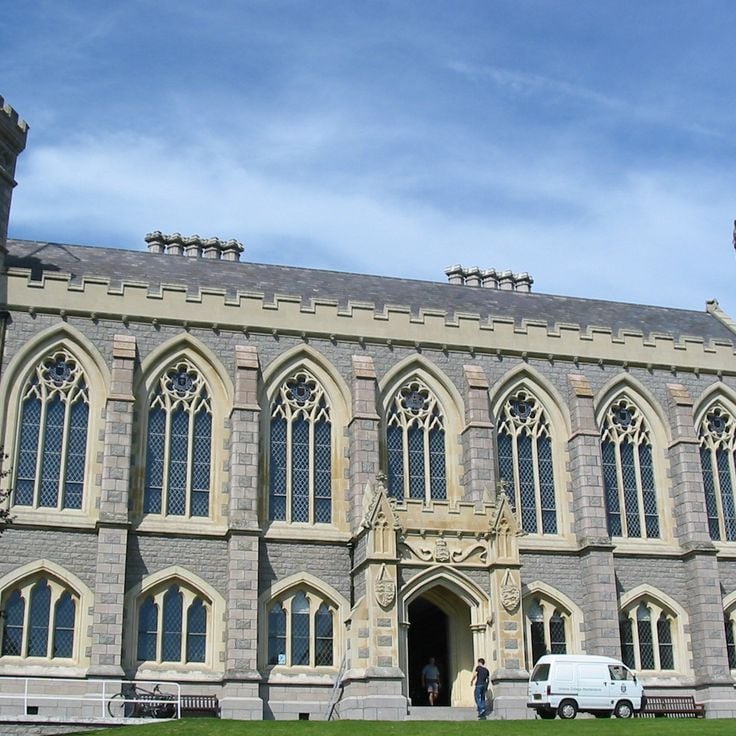
Victoria College was founded in 1852 and represents the educational institutions that shaped Jersey's development. This Neo-Gothic building with turrets, mullioned windows, and a large paved central courtyard reflects the architectural preferences of 19th-century Jersey and contributes to understanding how the island has grown beyond its medieval and maritime heritage.
This fortress from the 13th century stands above Grouville Bay and the fishing village of Gorey. As part of this collection exploring Jersey's history, Mont Orgueil Castle helps visitors understand how the island was shaped from the medieval period to today. The defensive walls and towers show how important this location was for protection. Exhibition rooms inside allow visitors to learn more about the island's past.
The Maritime Museum in St. Helier displays collections about the history of seafaring, fishing and sea trade in Jersey from the 18th century to the present day. Through objects, documents and ship models, the museum helps visitors understand the maritime activities that have shaped Jersey and its connection to the sea throughout history.
The War Tunnels are an underground network spanning over one kilometer, built by German forces during the occupation. Within the collection of what to visit in Jersey, they document how island residents lived between 1940 and 1945, helping visitors understand this period that shaped the island's history from its earliest inhabitants to the present day.
This 16th-century military fortress stands on a tidal island off the coast of St. Helier and is accessible via a causeway that floods during high tide. It forms part of Jersey's historical sites, which demonstrate how the island was shaped from ancient times through World War II. The castle allows visitors to learn about the military past and defensive structures of this Channel Island.
St. Brelade's Bay Beach is a wide sandy beach set in a sheltered bay. It has supervised swimming areas, water sports facilities, and restaurants and cafés along the promenade. This beach is part of Jersey's varied offerings, which range from medieval castles and war tunnels to natural spaces that show the island's history from the Neolithic period to the present day.
The Jersey Zoo was founded in 1959 by naturalist Gerald Durrell and focuses on protecting threatened animal species through breeding programs and environmental education. Spread across 13 hectares, this zoo houses over 120 endangered species. As part of what to visit in Jersey, this zoo reveals how conservation work operates today and connects visitors to efforts that safeguard wildlife for future generations.
This wine estate in Jersey demonstrates how the island produces local goods. The property spans several hectares and makes wines, ciders, and regional products from local fruits and ingredients. It shows a side of Jersey's history shaped by agricultural activities.
The Jersey Museum and Art Gallery helps visitors understand the island's history in this collection focused on what to visit across Jersey. Housed in a 19th-century building, the museum displays maritime objects and documents that trace the island's social development across several centuries. It provides insight into Jersey's past, from its earliest inhabitants to the maritime activities that have shaped the island up to the present day.
La Hougue Bie is one of the oldest burial sites in Jersey and an important place for understanding the island's early history. This Neolithic passage grave dates back about 6,000 years and features an underground burial chamber where ancient people laid their dead. Two medieval chapels built later on the mound show how the site remained significant through the centuries, blending the island's prehistoric past with its medieval period.
The Channel Island Military Museum documents Jersey's experience during the German occupation. Located in a preserved coastal fortification bunker, the museum displays weapons, uniforms, and documents from this period. The site offers insight into how occupation shaped life on the island and illustrates the military history that remains part of Jersey's past.
As part of exploring Jersey's history and natural landscape, the aMaizin! Adventure Park offers a place where families spend time together. This leisure center provides inflatable play equipment, obstacle courses, and outdoor spaces where children can try different activities. While visitors explore the island's medieval castles and beaches, this park gives younger guests a chance to burn energy and have fun.
This natural bay features sea caves and rock formations, part of what visitors can explore in Jersey, an island with history spanning from the Neolithic period to World War II. A puffin colony settles there during the breeding season. Access varies with tides.
Reg's Garden is an ornamental garden on Jersey that offers visitors a different type of experience alongside the island's historical sites. The garden features decorative ponds, a replica pirate ship, and a fairy-themed trail winding through the plantings. It provides a place for families and visitors to spend time in a creative landscape setting.
The La Corbière Lighthouse is a white stone structure built in 1874, standing on a rocky islet in Saint-Brelade Bay. A causeway becomes accessible at low tide, allowing visitors to reach it on foot. This lighthouse demonstrates Jersey's maritime past and the importance of seafaring to the island's development.
The Jersey Lavender Farm is a working farm growing different varieties of lavender and contributes to the island's agricultural heritage. Alongside historic sites like Mont Orgueil Castle and Elizabeth Castle, and natural areas such as Saint-Brelade Beach, this location shows how Jersey's land has been used over time. In the farm shop, visitors can purchase products made from local harvests.
Beauport Beach is a sandy cove on Jersey's north coast that shows the island's natural character. Wide granite cliffs rise above the shore, and coastal paths run along the water's edge. Seabirds nest in the rocks and waters, making this a good place to observe local wildlife. On clear days, views reach across the English Channel toward England.
Samares Manor is a 14th-century estate on Jersey that offers visitors a place to stroll through botanical gardens filled with local and exotic plants. The grounds include a Japanese garden and ponds, while the furnished manor house itself tells the story of life in an earlier era. As part of Jersey's historic landscape, this site connects to the island's long past, from its earliest settlements to its more recent history.
Liberation Square stands at the heart of St. Helier and features a bronze sculpture of islanders holding a British flag, commemorating the end of German occupation in May 1945. Within this collection exploring Jersey's history from the Neolithic period through World War II, Liberation Square helps visitors understand the island's experience during occupation and its liberation.
Saint Aubin's Bay features a long sandy stretch along the south coast with a waterfront promenade. Fort Elizabeth, a 16th-century fortification, sits on a small rocky island accessible on foot at low tide. This bay is part of Jersey's rich history spanning from ancient times to World War II, helping visitors understand the island's past.
Howard Davis Park was established in 1939 and is part of Jersey's attractions where visitors can explore the island's history and natural spaces. The park features maintained flower beds, tennis courts, a playground for children, and a war memorial dedicated to those who fell.
St Matthew's Glass Church is a church on Jersey built in 1840 that houses stained glass windows and sculptures created by French artist René Lalique between 1932 and 1934. These artworks demonstrate the artistic connection between Jersey and French craftsmanship, complementing the island's diverse cultural treasures that reflect its rich history from prehistoric times to the present day.
This bay stretches over 8 kilometers of fine sand and offers waves suitable for surfing year-round. As part of Jersey's diverse landscapes, Saint Ouen's Bay complements the island's medieval castles, war tunnels, and museums, providing visitors with natural spaces for recreation and water sports alongside the historical sites that tell the story of the Channel Island from the Neolithic period to modern times.
Devil's Hole sits on Jersey's north coast as a natural chasm carved deep into the cliffsides. A walking trail descends to the red-tinged rocks where the sea enters the cave opening. This site reveals the geological forces that have shaped Jersey's landscape and offers visitors a direct encounter with the natural processes that continue to transform the island's coastline.
La Rocque Harbour is a fishing port with a stone pier and sandy beach located in a sheltered bay on Jersey's east coast. It represents one of the natural and maritime sites that define this Channel Island, where visitors can explore historical fortresses and working coastal communities alongside beaches and cultural landmarks spanning from prehistoric times to the present day.
The Pallot Steam, Motor and General Museum contributes to understanding Jersey's history by displaying working steam engines, historic locomotives, agricultural tractors and transport vehicles from the 19th and 20th centuries in a converted railway depot. The museum shows how technology and transportation shaped the island's development.
This Georgian townhouse was built in 1730 and offers a look at how Jersey's residents lived during that era. The house preserves its period furniture and rooms from the time it was built. Visitors can tour the salon, dining room, and bedrooms to see how people furnished their homes and spent their daily lives on the island in the 1700s.
The Hamptonne Country Life Museum contributes to this overview of Jersey's history by showing rural life on the island across several centuries. The museum includes farm buildings dating from the 15th century, an orchard, a traditional cider press, and exhibitions about farming on Jersey. These sites help visitors understand the island's history, from its earliest inhabitants to the maritime activities that have shaped Jersey to the present day.
Île Verte is a granite outcrop connected to the coast by a natural causeway at low tide. This site fits into Jersey's history spanning from the Neolithic period to World War II. Visitors can explore a sandy beach here and discover archaeological remains from prehistoric times, revealing how early inhabitants used the island.
Victoria College was founded in 1852 and represents the educational institutions that shaped Jersey's development. This Neo-Gothic building with turrets, mullioned windows, and a large paved central courtyard reflects the architectural preferences of 19th-century Jersey and contributes to understanding how the island has grown beyond its medieval and maritime heritage.
This fortress from the 13th century stands above Grouville Bay and the fishing village of Gorey. As part of this collection exploring Jersey's history, Mont Orgueil Castle helps visitors understand how the island was shaped from the medieval period to today. The defensive walls and towers show how important this location was for protection. Exhibition rooms inside allow visitors to learn more about the island's past.
The Maritime Museum in St. Helier displays collections about the history of seafaring, fishing and sea trade in Jersey from the 18th century to the present day. Through objects, documents and ship models, the museum helps visitors understand the maritime activities that have shaped Jersey and its connection to the sea throughout history.
The War Tunnels are an underground network spanning over one kilometer, built by German forces during the occupation. Within the collection of what to visit in Jersey, they document how island residents lived between 1940 and 1945, helping visitors understand this period that shaped the island's history from its earliest inhabitants to the present day.
This 16th-century military fortress stands on a tidal island off the coast of St. Helier and is accessible via a causeway that floods during high tide. It forms part of Jersey's historical sites, which demonstrate how the island was shaped from ancient times through World War II. The castle allows visitors to learn about the military past and defensive structures of this Channel Island.
St. Brelade's Bay Beach is a wide sandy beach set in a sheltered bay. It has supervised swimming areas, water sports facilities, and restaurants and cafés along the promenade. This beach is part of Jersey's varied offerings, which range from medieval castles and war tunnels to natural spaces that show the island's history from the Neolithic period to the present day.
The Jersey Zoo was founded in 1959 by naturalist Gerald Durrell and focuses on protecting threatened animal species through breeding programs and environmental education. Spread across 13 hectares, this zoo houses over 120 endangered species. As part of what to visit in Jersey, this zoo reveals how conservation work operates today and connects visitors to efforts that safeguard wildlife for future generations.
This wine estate in Jersey demonstrates how the island produces local goods. The property spans several hectares and makes wines, ciders, and regional products from local fruits and ingredients. It shows a side of Jersey's history shaped by agricultural activities.
The Jersey Museum and Art Gallery helps visitors understand the island's history in this collection focused on what to visit across Jersey. Housed in a 19th-century building, the museum displays maritime objects and documents that trace the island's social development across several centuries. It provides insight into Jersey's past, from its earliest inhabitants to the maritime activities that have shaped the island up to the present day.
La Hougue Bie is one of the oldest burial sites in Jersey and an important place for understanding the island's early history. This Neolithic passage grave dates back about 6,000 years and features an underground burial chamber where ancient people laid their dead. Two medieval chapels built later on the mound show how the site remained significant through the centuries, blending the island's prehistoric past with its medieval period.
The Channel Island Military Museum documents Jersey's experience during the German occupation. Located in a preserved coastal fortification bunker, the museum displays weapons, uniforms, and documents from this period. The site offers insight into how occupation shaped life on the island and illustrates the military history that remains part of Jersey's past.
As part of exploring Jersey's history and natural landscape, the aMaizin! Adventure Park offers a place where families spend time together. This leisure center provides inflatable play equipment, obstacle courses, and outdoor spaces where children can try different activities. While visitors explore the island's medieval castles and beaches, this park gives younger guests a chance to burn energy and have fun.
This natural bay features sea caves and rock formations, part of what visitors can explore in Jersey, an island with history spanning from the Neolithic period to World War II. A puffin colony settles there during the breeding season. Access varies with tides.
Reg's Garden is an ornamental garden on Jersey that offers visitors a different type of experience alongside the island's historical sites. The garden features decorative ponds, a replica pirate ship, and a fairy-themed trail winding through the plantings. It provides a place for families and visitors to spend time in a creative landscape setting.
The La Corbière Lighthouse is a white stone structure built in 1874, standing on a rocky islet in Saint-Brelade Bay. A causeway becomes accessible at low tide, allowing visitors to reach it on foot. This lighthouse demonstrates Jersey's maritime past and the importance of seafaring to the island's development.
The Jersey Lavender Farm is a working farm growing different varieties of lavender and contributes to the island's agricultural heritage. Alongside historic sites like Mont Orgueil Castle and Elizabeth Castle, and natural areas such as Saint-Brelade Beach, this location shows how Jersey's land has been used over time. In the farm shop, visitors can purchase products made from local harvests.
Beauport Beach is a sandy cove on Jersey's north coast that shows the island's natural character. Wide granite cliffs rise above the shore, and coastal paths run along the water's edge. Seabirds nest in the rocks and waters, making this a good place to observe local wildlife. On clear days, views reach across the English Channel toward England.
Samares Manor is a 14th-century estate on Jersey that offers visitors a place to stroll through botanical gardens filled with local and exotic plants. The grounds include a Japanese garden and ponds, while the furnished manor house itself tells the story of life in an earlier era. As part of Jersey's historic landscape, this site connects to the island's long past, from its earliest settlements to its more recent history.
Liberation Square stands at the heart of St. Helier and features a bronze sculpture of islanders holding a British flag, commemorating the end of German occupation in May 1945. Within this collection exploring Jersey's history from the Neolithic period through World War II, Liberation Square helps visitors understand the island's experience during occupation and its liberation.
Saint Aubin's Bay features a long sandy stretch along the south coast with a waterfront promenade. Fort Elizabeth, a 16th-century fortification, sits on a small rocky island accessible on foot at low tide. This bay is part of Jersey's rich history spanning from ancient times to World War II, helping visitors understand the island's past.
Howard Davis Park was established in 1939 and is part of Jersey's attractions where visitors can explore the island's history and natural spaces. The park features maintained flower beds, tennis courts, a playground for children, and a war memorial dedicated to those who fell.
St Matthew's Glass Church is a church on Jersey built in 1840 that houses stained glass windows and sculptures created by French artist René Lalique between 1932 and 1934. These artworks demonstrate the artistic connection between Jersey and French craftsmanship, complementing the island's diverse cultural treasures that reflect its rich history from prehistoric times to the present day.
This bay stretches over 8 kilometers of fine sand and offers waves suitable for surfing year-round. As part of Jersey's diverse landscapes, Saint Ouen's Bay complements the island's medieval castles, war tunnels, and museums, providing visitors with natural spaces for recreation and water sports alongside the historical sites that tell the story of the Channel Island from the Neolithic period to modern times.
Devil's Hole sits on Jersey's north coast as a natural chasm carved deep into the cliffsides. A walking trail descends to the red-tinged rocks where the sea enters the cave opening. This site reveals the geological forces that have shaped Jersey's landscape and offers visitors a direct encounter with the natural processes that continue to transform the island's coastline.
La Rocque Harbour is a fishing port with a stone pier and sandy beach located in a sheltered bay on Jersey's east coast. It represents one of the natural and maritime sites that define this Channel Island, where visitors can explore historical fortresses and working coastal communities alongside beaches and cultural landmarks spanning from prehistoric times to the present day.
The Pallot Steam, Motor and General Museum contributes to understanding Jersey's history by displaying working steam engines, historic locomotives, agricultural tractors and transport vehicles from the 19th and 20th centuries in a converted railway depot. The museum shows how technology and transportation shaped the island's development.
This Georgian townhouse was built in 1730 and offers a look at how Jersey's residents lived during that era. The house preserves its period furniture and rooms from the time it was built. Visitors can tour the salon, dining room, and bedrooms to see how people furnished their homes and spent their daily lives on the island in the 1700s.
The Hamptonne Country Life Museum contributes to this overview of Jersey's history by showing rural life on the island across several centuries. The museum includes farm buildings dating from the 15th century, an orchard, a traditional cider press, and exhibitions about farming on Jersey. These sites help visitors understand the island's history, from its earliest inhabitants to the maritime activities that have shaped Jersey to the present day.
Île Verte is a granite outcrop connected to the coast by a natural causeway at low tide. This site fits into Jersey's history spanning from the Neolithic period to World War II. Visitors can explore a sandy beach here and discover archaeological remains from prehistoric times, revealing how early inhabitants used the island.
Victoria College was founded in 1852 and represents the educational institutions that shaped Jersey's development. This Neo-Gothic building with turrets, mullioned windows, and a large paved central courtyard reflects the architectural preferences of 19th-century Jersey and contributes to understanding how the island has grown beyond its medieval and maritime heritage.