Empty buildings and streets taken over by plants show how time slowly erases signs of human activity.
This collection includes abandoned cities, industrial facilities and historic sites across multiple continents. Empty buildings, decaying streets and left-behind objects tell the stories of people who once lived and worked there. The reasons for abandonment vary: industrial decline led to the closure of factories and mines, natural disasters forced entire communities to relocate, military conflicts made areas uninhabitable, and economic changes caused once-thriving settlements to empty.
Today the structures stand silent while vegetation slowly reclaims the buildings and streets. Visitors find traces of past eras: abandoned schools with textbooks still on desks, decommissioned power plants with rusting machinery, deserted villages with crumbling houses. These places document social, economic and political developments and offer insights into different chapters of industrial history, urban development and the effects of human decisions on inhabited spaces.
Empty buildings and streets taken over by plants show how time slowly erases signs of human activity.
This collection includes abandoned cities, industrial facilities and historic sites across multiple continents. Empty buildings, decaying streets and left-behind objects tell the stories of people who once lived and worked there. The reasons for abandonment vary: industrial decline led to the closure of factories and mines, natural disasters forced entire communities to relocate, military conflicts made areas uninhabitable, and economic changes caused once-thriving settlements to empty.
Today the structures stand silent while vegetation slowly reclaims the buildings and streets. Visitors find traces of past eras: abandoned schools with textbooks still on desks, decommissioned power plants with rusting machinery, deserted villages with crumbling houses. These places document social, economic and political developments and offer insights into different chapters of industrial history, urban development and the effects of human decisions on inhabited spaces.
Pripyat was constructed in 1970 as a modern planned city to house workers of the Chernobyl Nuclear Power Plant. Following the reactor disaster on April 26, 1986, all 50,000 residents were ordered to evacuate within 36 hours. The buildings, schools, hospitals, and amusement park have stood empty since then. Pripyat is located approximately three kilometers from the reactor and remains uninhabitable due to radioactive contamination.
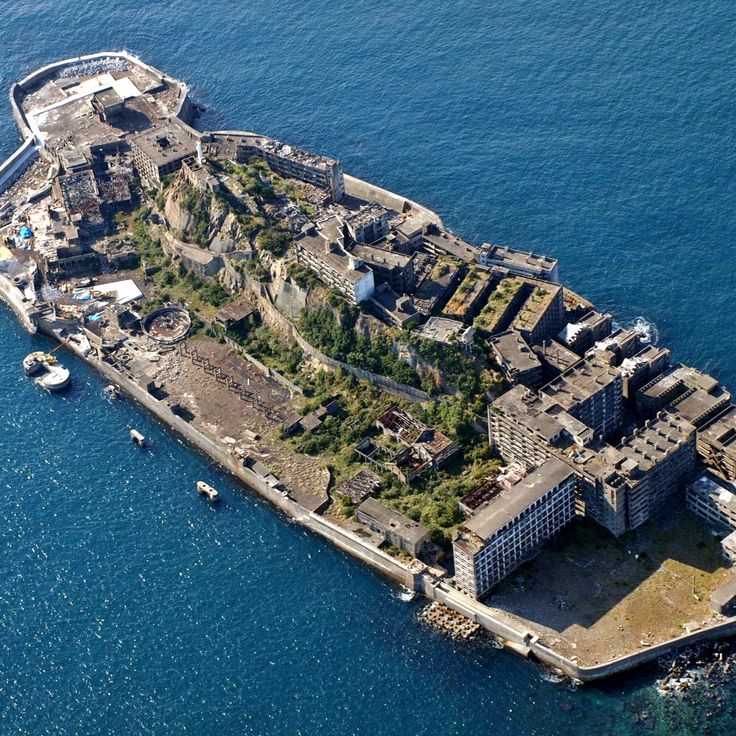
Hashima Island served as a coal mining facility on an artificially expanded island off the coast of Nagasaki. Between 1887 and 1974, thousands of miners lived and worked in concrete apartment blocks on this 6.3-hectare site. The island reached one of the highest population densities in the world in 1959, with over 5,000 residents. After the mine closed, all inhabitants left within months, and the buildings have been deteriorating ever since.
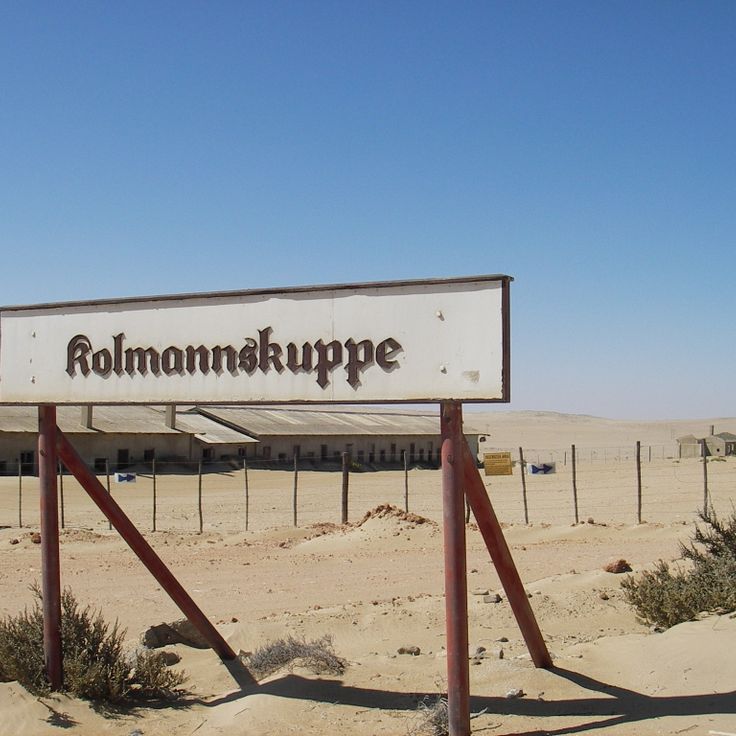
Kolmanskop emerged in 1908 as a diamond mining settlement during the diamond rush in German South West Africa. The town featured German colonial architecture with residential houses, a hospital, a school, and a casino. After World War I, diamond production declined, and by 1954 the last inhabitants departed. Today, sand dunes invade the abandoned structures, covering floors and walls. Wooden floorboards remain partially visible while sand enters through doors and windows.
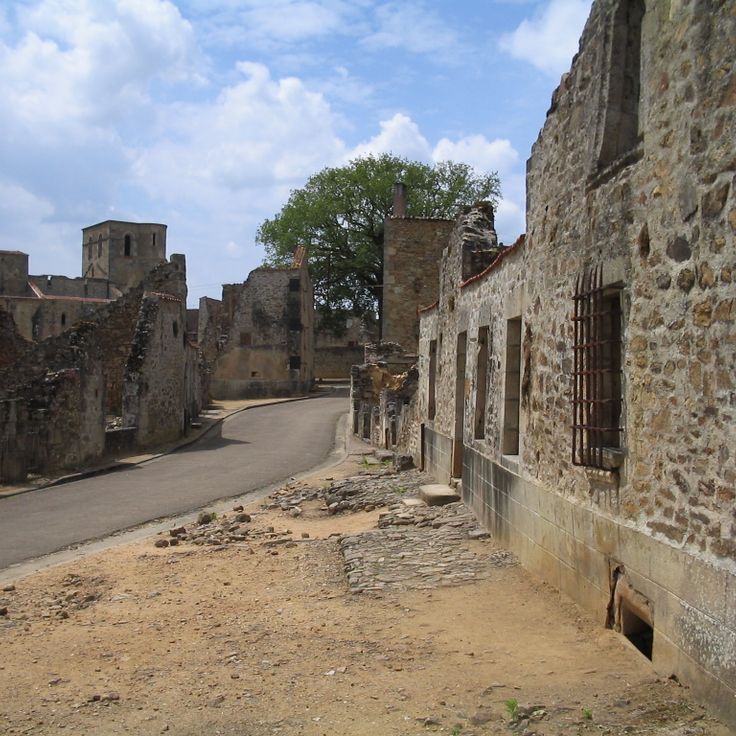
Oradour-sur-Glane is a village in Haute-Vienne that has been preserved as a ruin since 10 June 1944. On that day, members of the Waffen-SS Das Reich Division killed 642 residents, including women and children. The men were shot in barns while the women and children were burned alive in the church. After the war, the French government decided to maintain the ruins as a memorial site. The destroyed houses, vehicles and personal belongings document the massacre and serve as a reminder of war crimes.
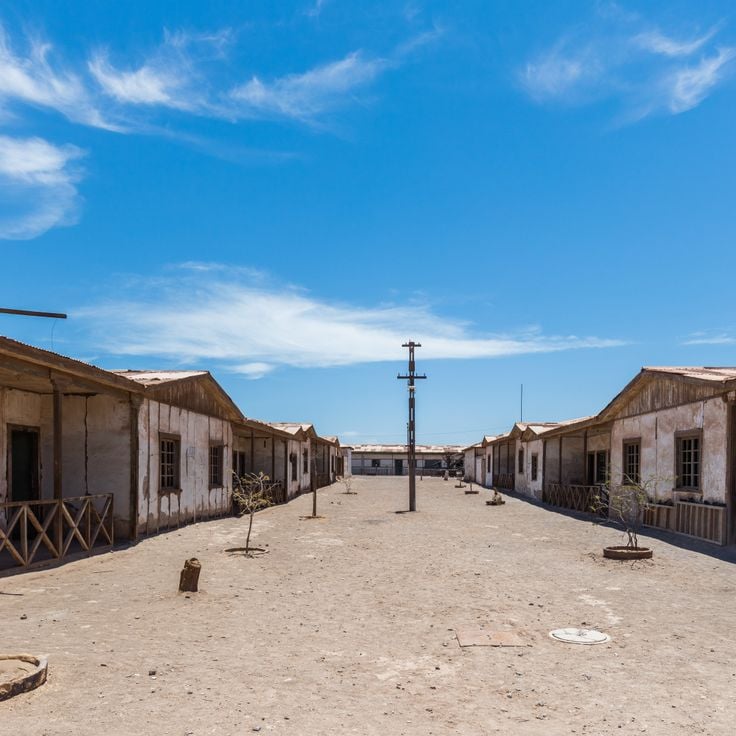
The Humberstone and Santa Laura Saltpeter Works operated from 1880 to 1960 and were dedicated to the industrial extraction of sodium nitrate, used as fertilizer and explosive material. These facilities are located in the Chilean Atacama Desert and consist of processing buildings, workers' settlements, and administrative structures. After closure, the buildings remained standing while machines and tools were removed. The sites document the importance of the saltpeter industry for Chile's economic development during the 19th and 20th centuries.
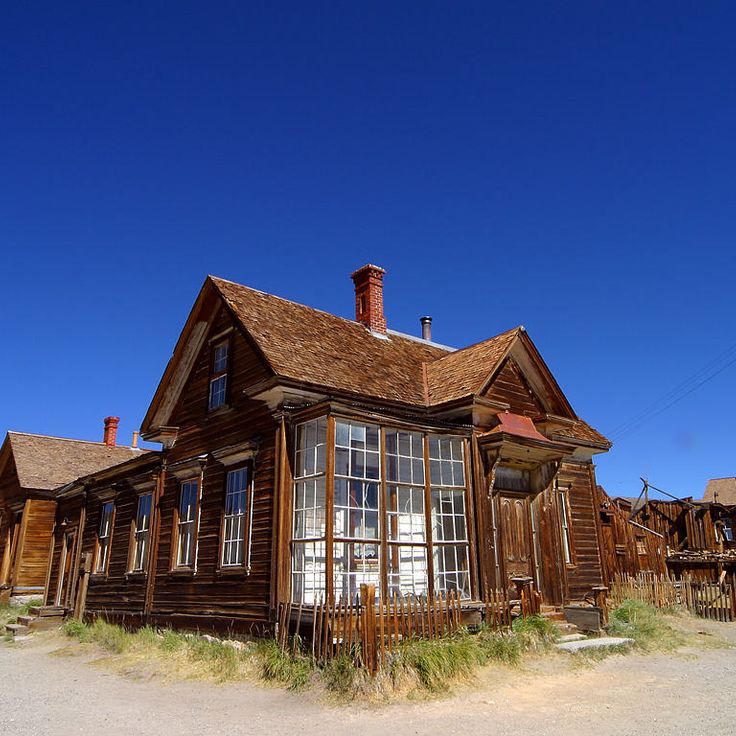
This abandoned gold mining town in the Sierra Nevada mountains was established in 1876 during the California Gold Rush. Bodie reached a population of nearly 10,000 residents in the 1880s, with over 60 saloons and numerous businesses. The town was finally abandoned in 1942 after the gold deposits were depleted. Today, approximately 110 buildings remain in a state of arrested decay. The houses still contain furniture, dishes, tools, and other personal belongings of former residents. Bodie has been a State Historic Park since 1962 and is maintained in a condition of arrested decay.
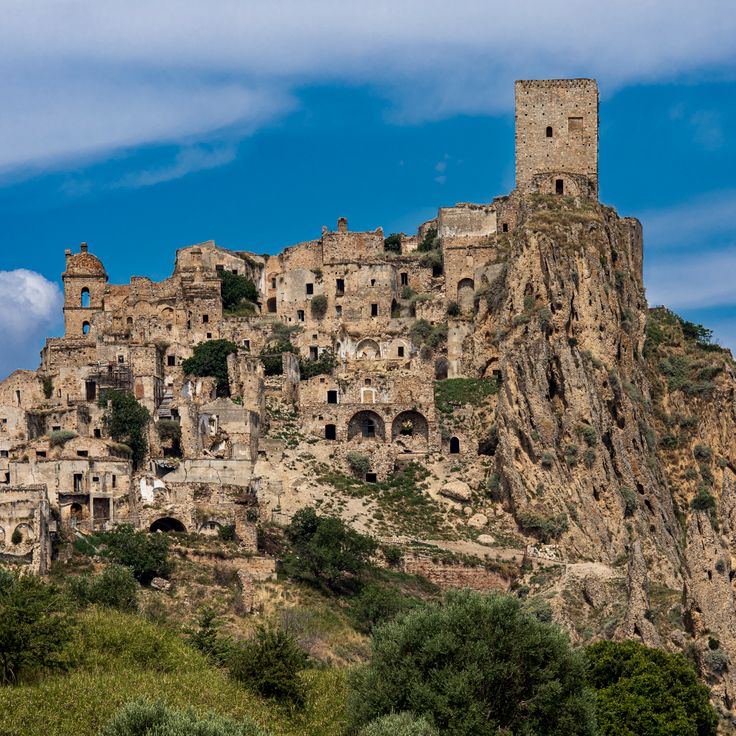
Craco is a deserted hilltop village in Basilicata that was evacuated in 1963 following a landslide. The stone structures date back to the 8th century and occupy a prominent position on a ridge. The medieval houses and narrow streets remain empty and exposed to the elements. Craco has been used as a filming location for movies depicting abandoned settlements.
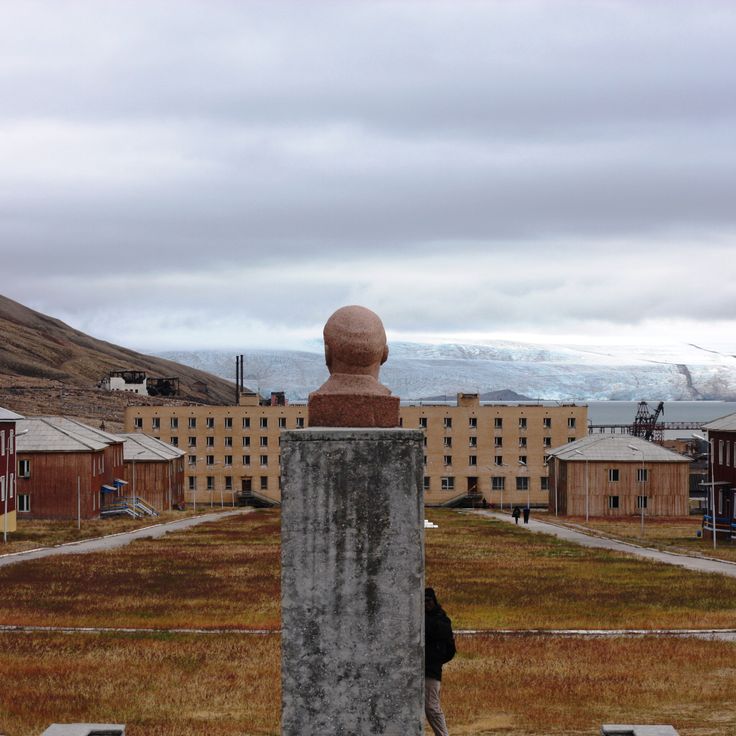
Pyramiden was established in 1910 by Sweden and sold to the Soviet Union in 1927. This coal mining settlement sat on the island of Spitsbergen in the Arctic archipelago of Svalbard. The settlement housed up to 1,000 residents who lived in multi-story apartment blocks and had access to a school, cultural center, swimming pool, and hospital. Coal extraction ended in 1998, after which the entire population left the settlement. The low temperatures and dry air have preserved the Soviet-era architecture, propaganda murals, and everyday objects inside the buildings. The abandoned structures include residential buildings, administrative offices, a Lenin statue, and industrial facilities.
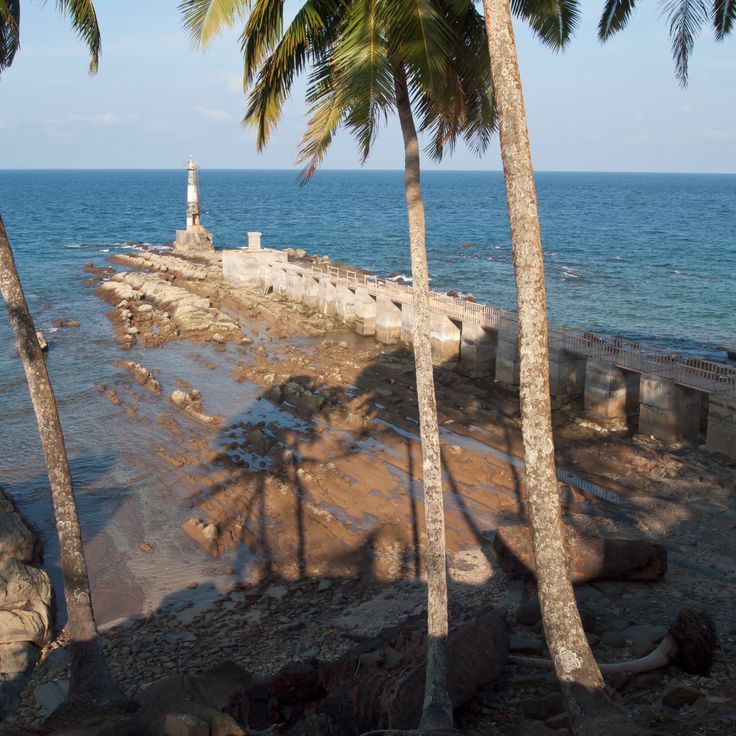
Ross Island served as the administrative headquarters of the British colonial government in the Andamans from 1858 to 1941. After the Japanese bombing during World War II, the British abandoned the island permanently. Tropical vegetation has since reclaimed the ruins of the church, officers' club, barracks, and other colonial structures. Roots from fig trees penetrate the walls of the deserted buildings.
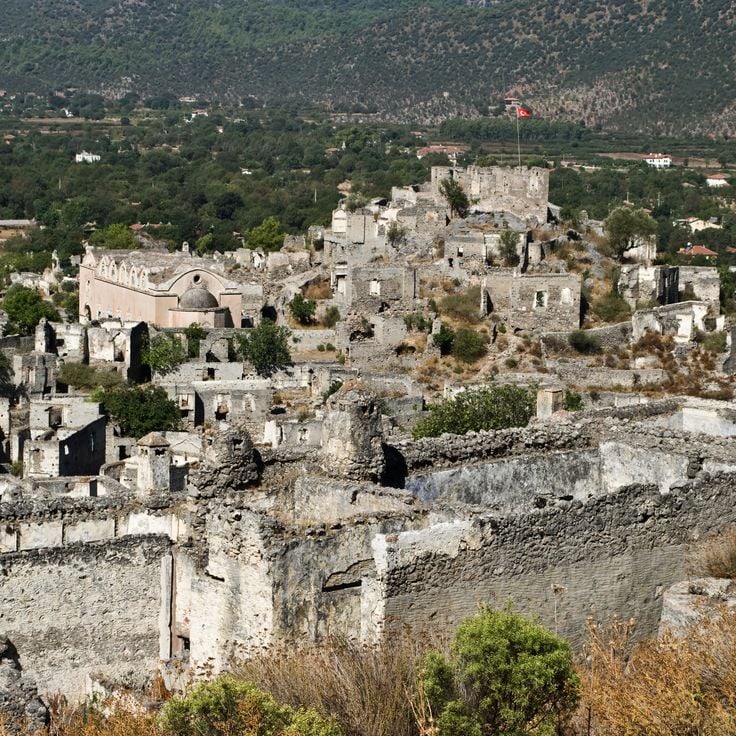
Kayaköy is an abandoned settlement featuring 350 stone houses left behind during the 1923 Greek-Turkish population exchange. The buildings stand on hillsides above the modern town of Fethiye. The Greek residents, who had lived here for centuries, were forced to leave their homes and relocate to Greece. The houses, churches, and schools of the former community now remain as stone and timber ruins.
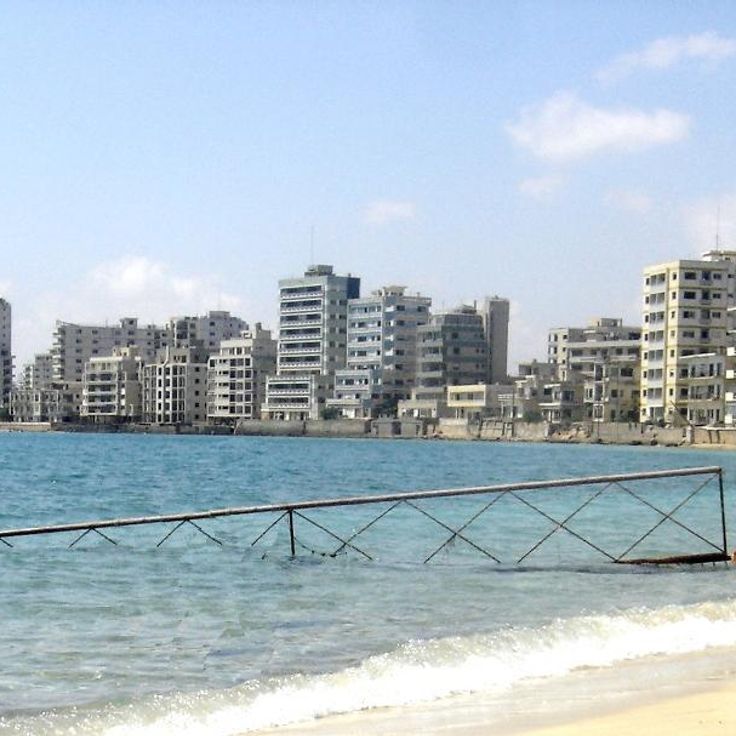
Varosha was once a popular tourist destination on the coast of Cyprus before the Turkish invasion in 1974 forced the entire population to flee. Since then, this district of Famagusta has remained empty and under military control. The abandoned shops, apartments and hotels stand as evidence of an abruptly interrupted past, while the streets and buildings have been left to decay.
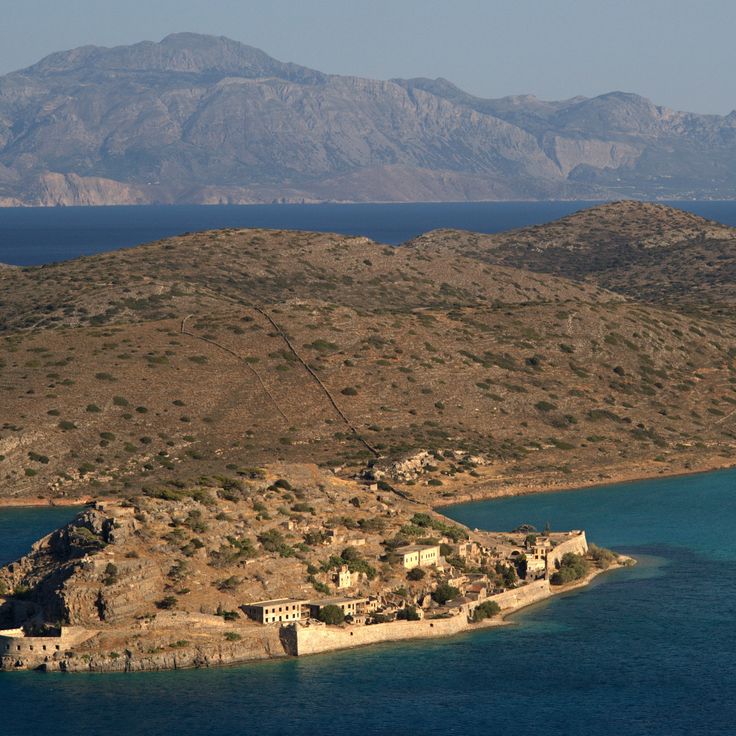
Spinalonga functioned as a leper colony from 1903 to 1957, housing hundreds of patients during this period. The island is located off the northern coast of Crete and features a 16th-century Venetian fortress along with residential buildings and facilities from the colonial era. After its closure in 1957, the buildings were abandoned and the island has become a historical site that educates visitors about the treatment of leprosy patients.
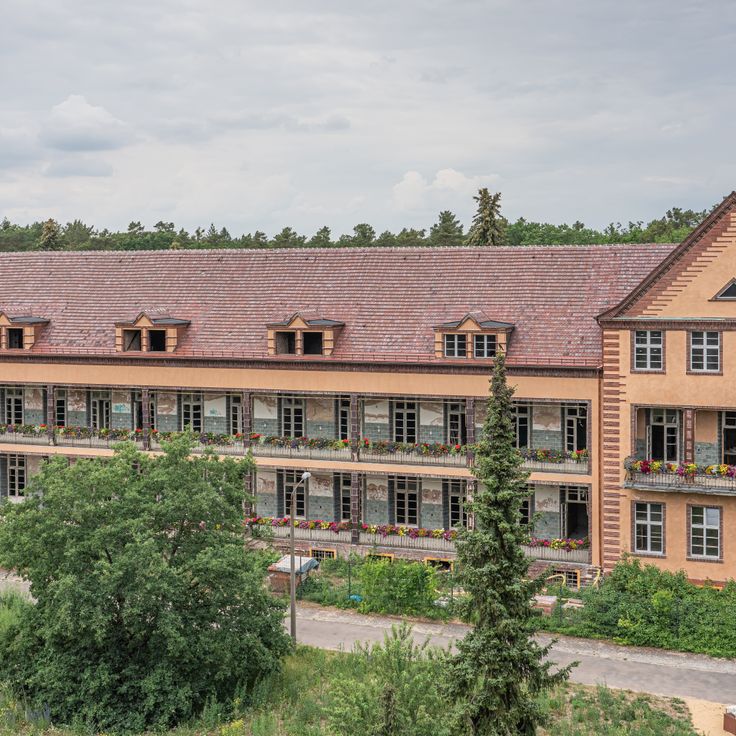
Beelitz-Heilstätten Hospital was constructed in 1898 as a military hospital complex and originally served as a tuberculosis sanatorium. The facility covers 200 hectares and comprises 60 buildings designed in the regional Brandenburg architectural style. During both World Wars, the hospital treated wounded soldiers. Following German reunification, the complex was gradually closed and most structures now stand vacant.
Battleship Island, officially known as Hashima, served as the site of an underwater coal mining operation and accommodated up to 5000 miners and their families on its compact surface. The island achieved one of the highest population densities in the world during the 1950s. Following the depletion of coal reserves, the mine closed in 1974, prompting all residents to evacuate. Since then, the concrete apartment blocks, schools, and industrial facilities have been left to deteriorate under natural elements.
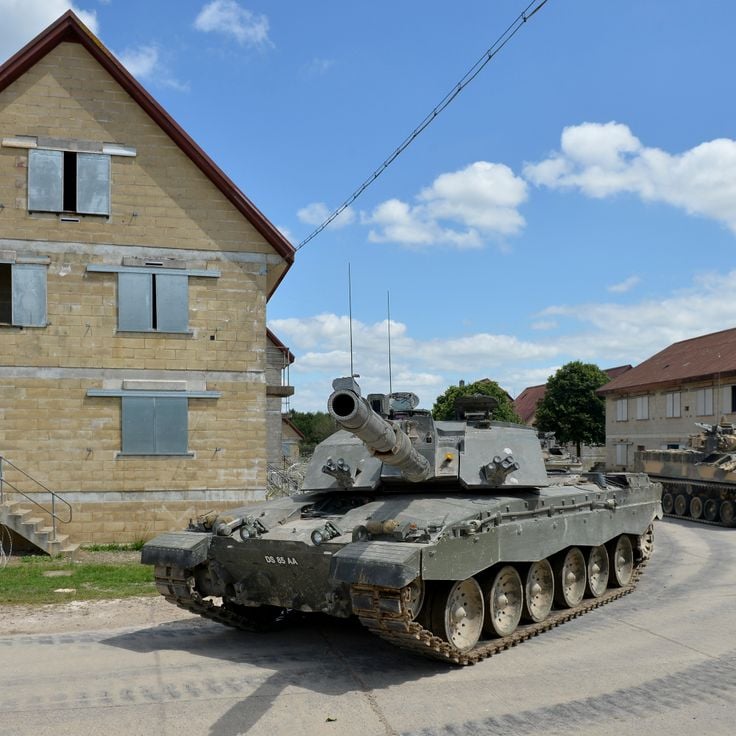
Copehill Down is a military training village constructed in 1988 in Tilshead. The facility serves the British Army as a training ground for urban combat scenarios. The streets and buildings were designed to replicate the layout of Eastern European towns, featuring residential houses, public buildings and infrastructure. The village is located on Salisbury Plain Training Area and continues to be used regularly for military exercises.
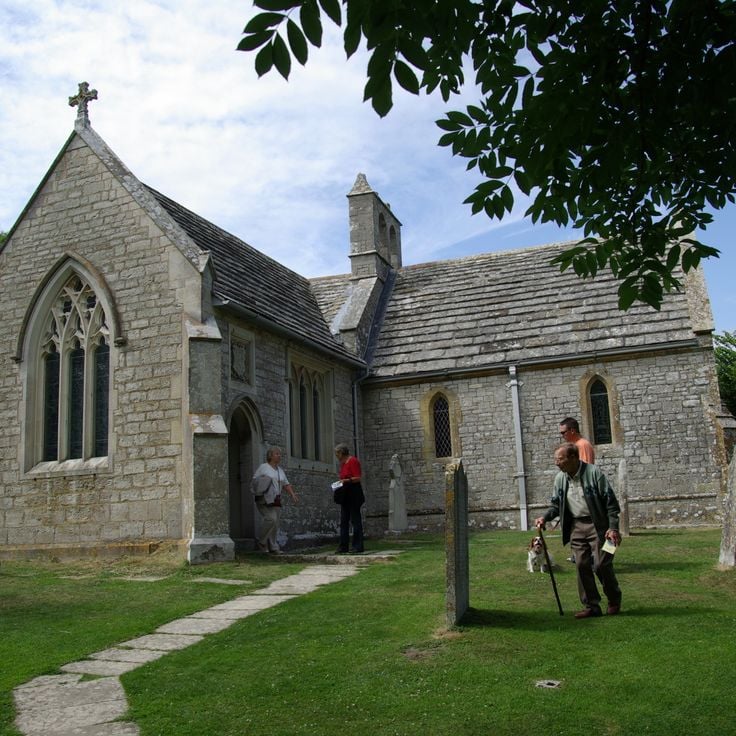
Tyneham is an abandoned village on the coast of Dorset that was requisitioned by the British Army in December 1943 for training exercises ahead of the Normandy landings. Residents were given just one month's notice and left their homes expecting to return after the war. However, the War Office retained the area permanently for military purposes. The village church, schoolhouse, and several stone cottages still stand as ruins today. The site lies within the Lulworth Ranges and is only accessible to visitors on certain weekends and public holidays.
Angkor Wat is a temple complex from the 12th century originally dedicated to the Hindu god Vishnu, later converted into a Buddhist sanctuary. The massive sandstone towers and galleries spanning kilometers are enveloped by tropical vegetation, with roots from large kapok and fig trees growing through the stone structures. The complex covers 162 hectares and displays elaborate bas-reliefs depicting scenes from Hindu mythology and Khmer period history.
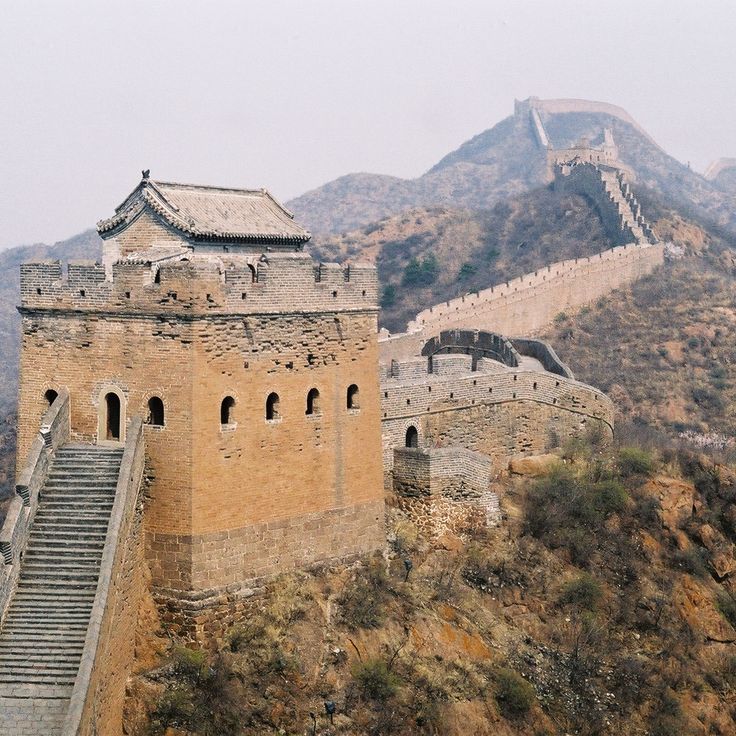
The Jinshanling section of the Great Wall of China stretches 10.5 kilometers across mountainous terrain in Hebei Province. This Ming Dynasty passage features 67 watchtowers distributed along the mountain ridges. The construction dates from the 16th century and displays various architectural features of the military fortifications from that era. Many sections remain in different states of preservation, from restored areas to crumbling structures.
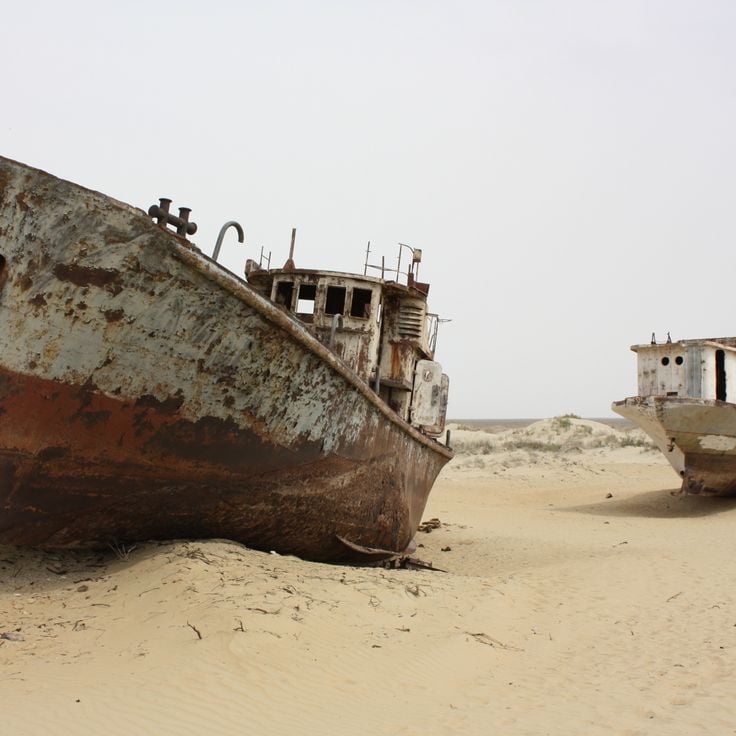
The Moynaq ship graveyard displays dozens of abandoned fishing vessels lying in the sand where the harbor of the Aral Sea once stood. This former port city was originally located on the shores of the world's fourth largest lake, but massive water diversion for agricultural irrigation caused the sea to shrink dramatically. Today, the rusting ship wrecks rest approximately 150 kilometers from the remaining water, documenting one of the largest environmental disasters caused by human activity.
Pripyat was constructed in 1970 as a modern planned city to house workers of the Chernobyl Nuclear Power Plant. Following the reactor disaster on April 26, 1986, all 50,000 residents were ordered to evacuate within 36 hours. The buildings, schools, hospitals, and amusement park have stood empty since then. Pripyat is located approximately three kilometers from the reactor and remains uninhabitable due to radioactive contamination.
Hashima Island served as a coal mining facility on an artificially expanded island off the coast of Nagasaki. Between 1887 and 1974, thousands of miners lived and worked in concrete apartment blocks on this 6.3-hectare site. The island reached one of the highest population densities in the world in 1959, with over 5,000 residents. After the mine closed, all inhabitants left within months, and the buildings have been deteriorating ever since.
Kolmanskop emerged in 1908 as a diamond mining settlement during the diamond rush in German South West Africa. The town featured German colonial architecture with residential houses, a hospital, a school, and a casino. After World War I, diamond production declined, and by 1954 the last inhabitants departed. Today, sand dunes invade the abandoned structures, covering floors and walls. Wooden floorboards remain partially visible while sand enters through doors and windows.
Oradour-sur-Glane is a village in Haute-Vienne that has been preserved as a ruin since 10 June 1944. On that day, members of the Waffen-SS Das Reich Division killed 642 residents, including women and children. The men were shot in barns while the women and children were burned alive in the church. After the war, the French government decided to maintain the ruins as a memorial site. The destroyed houses, vehicles and personal belongings document the massacre and serve as a reminder of war crimes.
The Humberstone and Santa Laura Saltpeter Works operated from 1880 to 1960 and were dedicated to the industrial extraction of sodium nitrate, used as fertilizer and explosive material. These facilities are located in the Chilean Atacama Desert and consist of processing buildings, workers' settlements, and administrative structures. After closure, the buildings remained standing while machines and tools were removed. The sites document the importance of the saltpeter industry for Chile's economic development during the 19th and 20th centuries.
This abandoned gold mining town in the Sierra Nevada mountains was established in 1876 during the California Gold Rush. Bodie reached a population of nearly 10,000 residents in the 1880s, with over 60 saloons and numerous businesses. The town was finally abandoned in 1942 after the gold deposits were depleted. Today, approximately 110 buildings remain in a state of arrested decay. The houses still contain furniture, dishes, tools, and other personal belongings of former residents. Bodie has been a State Historic Park since 1962 and is maintained in a condition of arrested decay.
Craco is a deserted hilltop village in Basilicata that was evacuated in 1963 following a landslide. The stone structures date back to the 8th century and occupy a prominent position on a ridge. The medieval houses and narrow streets remain empty and exposed to the elements. Craco has been used as a filming location for movies depicting abandoned settlements.
Pyramiden was established in 1910 by Sweden and sold to the Soviet Union in 1927. This coal mining settlement sat on the island of Spitsbergen in the Arctic archipelago of Svalbard. The settlement housed up to 1,000 residents who lived in multi-story apartment blocks and had access to a school, cultural center, swimming pool, and hospital. Coal extraction ended in 1998, after which the entire population left the settlement. The low temperatures and dry air have preserved the Soviet-era architecture, propaganda murals, and everyday objects inside the buildings. The abandoned structures include residential buildings, administrative offices, a Lenin statue, and industrial facilities.
Ross Island served as the administrative headquarters of the British colonial government in the Andamans from 1858 to 1941. After the Japanese bombing during World War II, the British abandoned the island permanently. Tropical vegetation has since reclaimed the ruins of the church, officers' club, barracks, and other colonial structures. Roots from fig trees penetrate the walls of the deserted buildings.
Kayaköy is an abandoned settlement featuring 350 stone houses left behind during the 1923 Greek-Turkish population exchange. The buildings stand on hillsides above the modern town of Fethiye. The Greek residents, who had lived here for centuries, were forced to leave their homes and relocate to Greece. The houses, churches, and schools of the former community now remain as stone and timber ruins.
Varosha was once a popular tourist destination on the coast of Cyprus before the Turkish invasion in 1974 forced the entire population to flee. Since then, this district of Famagusta has remained empty and under military control. The abandoned shops, apartments and hotels stand as evidence of an abruptly interrupted past, while the streets and buildings have been left to decay.
Spinalonga functioned as a leper colony from 1903 to 1957, housing hundreds of patients during this period. The island is located off the northern coast of Crete and features a 16th-century Venetian fortress along with residential buildings and facilities from the colonial era. After its closure in 1957, the buildings were abandoned and the island has become a historical site that educates visitors about the treatment of leprosy patients.
Beelitz-Heilstätten Hospital was constructed in 1898 as a military hospital complex and originally served as a tuberculosis sanatorium. The facility covers 200 hectares and comprises 60 buildings designed in the regional Brandenburg architectural style. During both World Wars, the hospital treated wounded soldiers. Following German reunification, the complex was gradually closed and most structures now stand vacant.
Battleship Island, officially known as Hashima, served as the site of an underwater coal mining operation and accommodated up to 5000 miners and their families on its compact surface. The island achieved one of the highest population densities in the world during the 1950s. Following the depletion of coal reserves, the mine closed in 1974, prompting all residents to evacuate. Since then, the concrete apartment blocks, schools, and industrial facilities have been left to deteriorate under natural elements.
Copehill Down is a military training village constructed in 1988 in Tilshead. The facility serves the British Army as a training ground for urban combat scenarios. The streets and buildings were designed to replicate the layout of Eastern European towns, featuring residential houses, public buildings and infrastructure. The village is located on Salisbury Plain Training Area and continues to be used regularly for military exercises.
Tyneham is an abandoned village on the coast of Dorset that was requisitioned by the British Army in December 1943 for training exercises ahead of the Normandy landings. Residents were given just one month's notice and left their homes expecting to return after the war. However, the War Office retained the area permanently for military purposes. The village church, schoolhouse, and several stone cottages still stand as ruins today. The site lies within the Lulworth Ranges and is only accessible to visitors on certain weekends and public holidays.
Angkor Wat is a temple complex from the 12th century originally dedicated to the Hindu god Vishnu, later converted into a Buddhist sanctuary. The massive sandstone towers and galleries spanning kilometers are enveloped by tropical vegetation, with roots from large kapok and fig trees growing through the stone structures. The complex covers 162 hectares and displays elaborate bas-reliefs depicting scenes from Hindu mythology and Khmer period history.
The Jinshanling section of the Great Wall of China stretches 10.5 kilometers across mountainous terrain in Hebei Province. This Ming Dynasty passage features 67 watchtowers distributed along the mountain ridges. The construction dates from the 16th century and displays various architectural features of the military fortifications from that era. Many sections remain in different states of preservation, from restored areas to crumbling structures.
The Moynaq ship graveyard displays dozens of abandoned fishing vessels lying in the sand where the harbor of the Aral Sea once stood. This former port city was originally located on the shores of the world's fourth largest lake, but massive water diversion for agricultural irrigation caused the sea to shrink dramatically. Today, the rusting ship wrecks rest approximately 150 kilometers from the remaining water, documenting one of the largest environmental disasters caused by human activity.
Pripyat was constructed in 1970 as a modern planned city to house workers of the Chernobyl Nuclear Power Plant. Following the reactor disaster on April 26, 1986, all 50,000 residents were ordered to evacuate within 36 hours. The buildings, schools, hospitals, and amusement park have stood empty since then. Pripyat is located approximately three kilometers from the reactor and remains uninhabitable due to radioactive contamination.
Hashima Island served as a coal mining facility on an artificially expanded island off the coast of Nagasaki. Between 1887 and 1974, thousands of miners lived and worked in concrete apartment blocks on this 6.3-hectare site. The island reached one of the highest population densities in the world in 1959, with over 5,000 residents. After the mine closed, all inhabitants left within months, and the buildings have been deteriorating ever since.
Kolmanskop emerged in 1908 as a diamond mining settlement during the diamond rush in German South West Africa. The town featured German colonial architecture with residential houses, a hospital, a school, and a casino. After World War I, diamond production declined, and by 1954 the last inhabitants departed. Today, sand dunes invade the abandoned structures, covering floors and walls. Wooden floorboards remain partially visible while sand enters through doors and windows.
Oradour-sur-Glane is a village in Haute-Vienne that has been preserved as a ruin since 10 June 1944. On that day, members of the Waffen-SS Das Reich Division killed 642 residents, including women and children. The men were shot in barns while the women and children were burned alive in the church. After the war, the French government decided to maintain the ruins as a memorial site. The destroyed houses, vehicles and personal belongings document the massacre and serve as a reminder of war crimes.
The Humberstone and Santa Laura Saltpeter Works operated from 1880 to 1960 and were dedicated to the industrial extraction of sodium nitrate, used as fertilizer and explosive material. These facilities are located in the Chilean Atacama Desert and consist of processing buildings, workers' settlements, and administrative structures. After closure, the buildings remained standing while machines and tools were removed. The sites document the importance of the saltpeter industry for Chile's economic development during the 19th and 20th centuries.
This abandoned gold mining town in the Sierra Nevada mountains was established in 1876 during the California Gold Rush. Bodie reached a population of nearly 10,000 residents in the 1880s, with over 60 saloons and numerous businesses. The town was finally abandoned in 1942 after the gold deposits were depleted. Today, approximately 110 buildings remain in a state of arrested decay. The houses still contain furniture, dishes, tools, and other personal belongings of former residents. Bodie has been a State Historic Park since 1962 and is maintained in a condition of arrested decay.
Craco is a deserted hilltop village in Basilicata that was evacuated in 1963 following a landslide. The stone structures date back to the 8th century and occupy a prominent position on a ridge. The medieval houses and narrow streets remain empty and exposed to the elements. Craco has been used as a filming location for movies depicting abandoned settlements.
Pyramiden was established in 1910 by Sweden and sold to the Soviet Union in 1927. This coal mining settlement sat on the island of Spitsbergen in the Arctic archipelago of Svalbard. The settlement housed up to 1,000 residents who lived in multi-story apartment blocks and had access to a school, cultural center, swimming pool, and hospital. Coal extraction ended in 1998, after which the entire population left the settlement. The low temperatures and dry air have preserved the Soviet-era architecture, propaganda murals, and everyday objects inside the buildings. The abandoned structures include residential buildings, administrative offices, a Lenin statue, and industrial facilities.
Ross Island served as the administrative headquarters of the British colonial government in the Andamans from 1858 to 1941. After the Japanese bombing during World War II, the British abandoned the island permanently. Tropical vegetation has since reclaimed the ruins of the church, officers' club, barracks, and other colonial structures. Roots from fig trees penetrate the walls of the deserted buildings.
Kayaköy is an abandoned settlement featuring 350 stone houses left behind during the 1923 Greek-Turkish population exchange. The buildings stand on hillsides above the modern town of Fethiye. The Greek residents, who had lived here for centuries, were forced to leave their homes and relocate to Greece. The houses, churches, and schools of the former community now remain as stone and timber ruins.
Varosha was once a popular tourist destination on the coast of Cyprus before the Turkish invasion in 1974 forced the entire population to flee. Since then, this district of Famagusta has remained empty and under military control. The abandoned shops, apartments and hotels stand as evidence of an abruptly interrupted past, while the streets and buildings have been left to decay.
Spinalonga functioned as a leper colony from 1903 to 1957, housing hundreds of patients during this period. The island is located off the northern coast of Crete and features a 16th-century Venetian fortress along with residential buildings and facilities from the colonial era. After its closure in 1957, the buildings were abandoned and the island has become a historical site that educates visitors about the treatment of leprosy patients.
Beelitz-Heilstätten Hospital was constructed in 1898 as a military hospital complex and originally served as a tuberculosis sanatorium. The facility covers 200 hectares and comprises 60 buildings designed in the regional Brandenburg architectural style. During both World Wars, the hospital treated wounded soldiers. Following German reunification, the complex was gradually closed and most structures now stand vacant.
Battleship Island, officially known as Hashima, served as the site of an underwater coal mining operation and accommodated up to 5000 miners and their families on its compact surface. The island achieved one of the highest population densities in the world during the 1950s. Following the depletion of coal reserves, the mine closed in 1974, prompting all residents to evacuate. Since then, the concrete apartment blocks, schools, and industrial facilities have been left to deteriorate under natural elements.
Copehill Down is a military training village constructed in 1988 in Tilshead. The facility serves the British Army as a training ground for urban combat scenarios. The streets and buildings were designed to replicate the layout of Eastern European towns, featuring residential houses, public buildings and infrastructure. The village is located on Salisbury Plain Training Area and continues to be used regularly for military exercises.
Tyneham is an abandoned village on the coast of Dorset that was requisitioned by the British Army in December 1943 for training exercises ahead of the Normandy landings. Residents were given just one month's notice and left their homes expecting to return after the war. However, the War Office retained the area permanently for military purposes. The village church, schoolhouse, and several stone cottages still stand as ruins today. The site lies within the Lulworth Ranges and is only accessible to visitors on certain weekends and public holidays.
Angkor Wat is a temple complex from the 12th century originally dedicated to the Hindu god Vishnu, later converted into a Buddhist sanctuary. The massive sandstone towers and galleries spanning kilometers are enveloped by tropical vegetation, with roots from large kapok and fig trees growing through the stone structures. The complex covers 162 hectares and displays elaborate bas-reliefs depicting scenes from Hindu mythology and Khmer period history.
The Jinshanling section of the Great Wall of China stretches 10.5 kilometers across mountainous terrain in Hebei Province. This Ming Dynasty passage features 67 watchtowers distributed along the mountain ridges. The construction dates from the 16th century and displays various architectural features of the military fortifications from that era. Many sections remain in different states of preservation, from restored areas to crumbling structures.
The Moynaq ship graveyard displays dozens of abandoned fishing vessels lying in the sand where the harbor of the Aral Sea once stood. This former port city was originally located on the shores of the world's fourth largest lake, but massive water diversion for agricultural irrigation caused the sea to shrink dramatically. Today, the rusting ship wrecks rest approximately 150 kilometers from the remaining water, documenting one of the largest environmental disasters caused by human activity.
Caution: Visiting these places requires care. The structures are often unstable and the access can be dangerous. Always respect barriers and signs, as many sites are protected or watched.