Bodie, Ghost town and National Historic Landmark in Mono County, California.
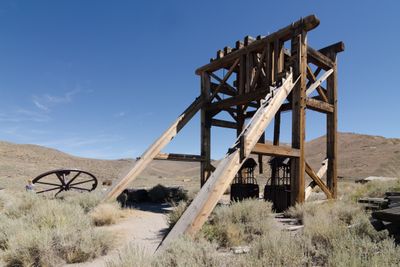
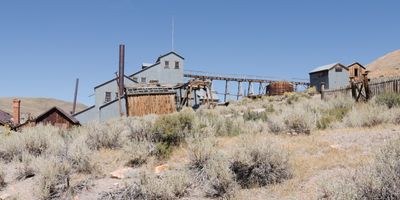
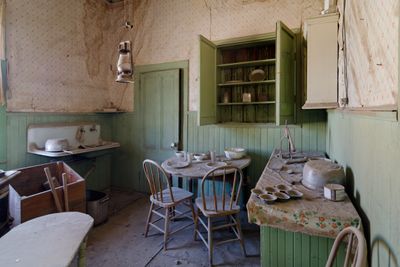
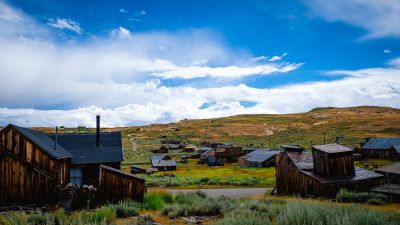
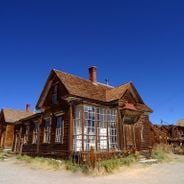
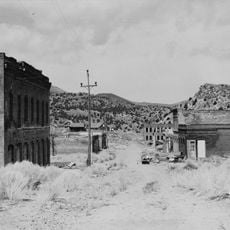
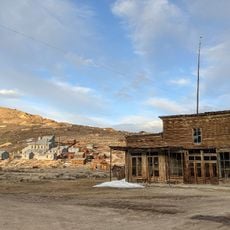
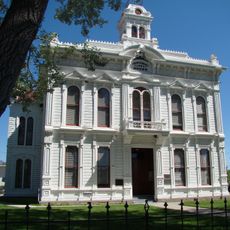
More than 200 weathered wooden structures stand along unpaved streets at this remote mountain site, including a Methodist church, jail, firehouse, general store, schoolhouse and numerous residential buildings from the mining era.
Prospectors including W. S. Bodey found gold here in 1859, but Bodey died in a blizzard that November and the camp stayed small until 1876, when the Standard Company struck a profitable ore body. By 1879 Bodie held around 2,000 buildings and 7,000–10,000 people; from 1860 to 1941 its mines yielded gold and silver worth about US$34 million.
Bodie's name comes from prospector W. S. Bodey, who died in a blizzard in 1859; a sign painter in Aurora is said to have standardized the spelling to "Bodie." The Miners Union Hall on Main Street hosted dances, concerts, plays and school recitals, and now serves as a museum. A girl bound for the town wrote in her diary: "Goodbye God, I'm going to Bodie!"
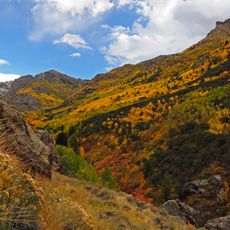
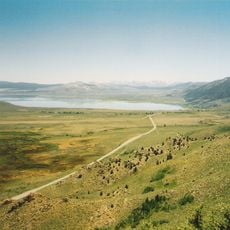
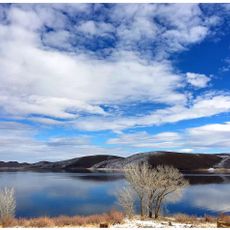
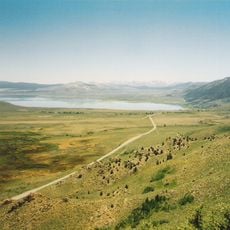
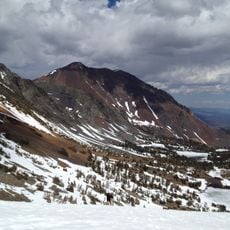
The turnoff from U.S. Highway 395 lies between Lee Vining and Bridgeport, and the last five kilometres run over a gravel road. Summers in the Sierra Nevada are hot and winters very cold with heavy snow; in winter the approach is often so snowed in that Bodie can be reached only on skis or by snowmobile. No shops exist in the park, so bring drinks in summer.
Park rangers maintain buildings using a preservation philosophy called arrested decay, stabilizing structures without restoration to keep them looking naturally weathered rather than artificially maintained.
The community of curious travelers
AroundUs brings together thousands of curated places, local tips, and hidden gems, enriched daily by 92,318 contributors worldwide.