Sydney offers many places to photograph beyond the usual tourist routes. The city spreads from the harbor to outer suburbs, combining coastal landscapes with historic neighborhoods and modern urban spaces. Those looking for less common subjects will find small waterside parks, old industrial sites, tidal pools, and viewpoints that show the city from different angles. Architecture ranges from colonial-era buildings to contemporary structures, and the coastline reveals coves and rock formations that differ from the well-known harbor scenes. In Lavender Bay, Wendy's Garden is a terraced garden with views of the harbor bridge. The Queen Victoria Building in the city center has a whispering gallery where sound travels in unusual ways across the space. Bare Island at La Perouse is a former military installation on a small island connected by a causeway. Cockatoo Island in the harbor once served as a shipyard and prison, and still shows the old machinery and warehouses. Hornby Lighthouse at Watsons Bay stands on a cliff above the ocean. Ballast Point Park in Balmain East has a narrow beach and remnants of old industrial buildings. Susannah Place Museum in The Rocks preserves four terrace houses from the 19th century. The Chinese Garden of Friendship in Darling Harbour follows traditional design principles with pavilions, water, and constructed paths.
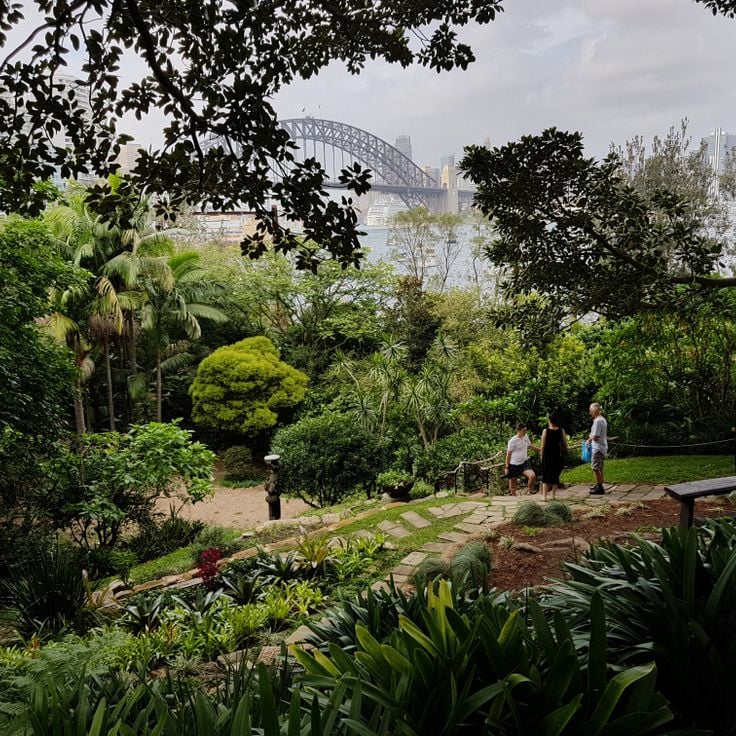
Lavender Bay, Australia
This garden in Lavender Bay sits below the Harbour Bridge and offers a quiet retreat by the water. Wendy Whiteley began planting here in the 1990s on a disused railway land. Today native plants grow alongside palms and ferns on the terraced slopes. Narrow paths lead between the beds down to the shore, where views open across the harbor. Mornings are often still here, with only the sound of water nearby. The site draws photographers looking for shots with greenery in the foreground and harbor views beyond.
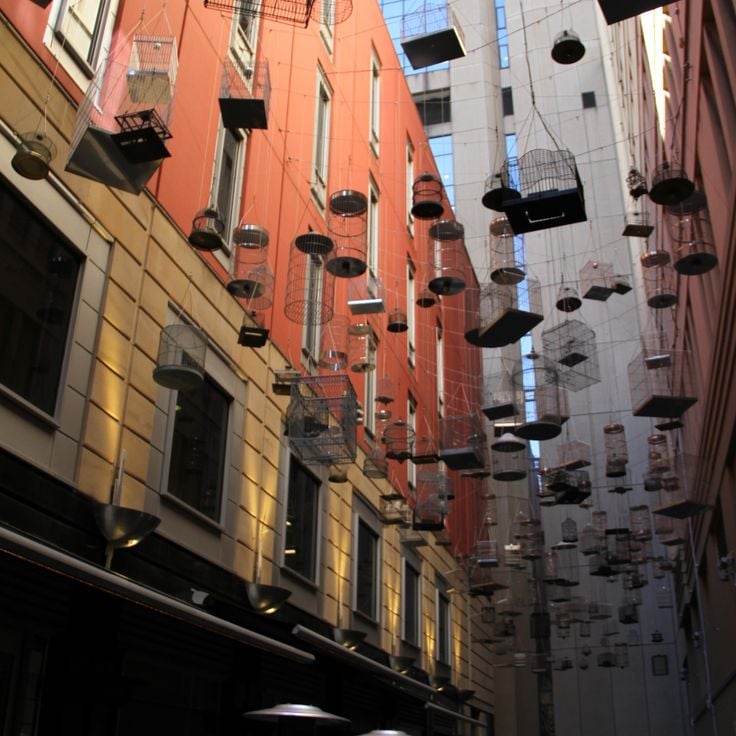
Sydney, Australia
This installation at Bird Songs Lane features 50 birdcages suspended overhead, playing recorded songs of bird species that once inhabited central Sydney. The cages line a narrow passage and remind visitors of the city's lost avian life as they walk through the lane.
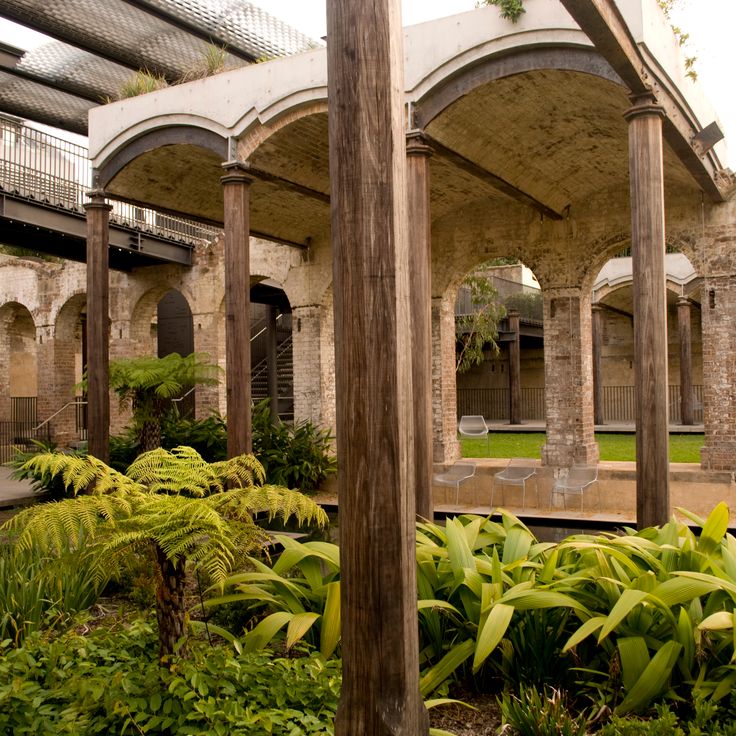
Paddington, Australia
Paddington Water Garden is a former 19th-century water storage facility. The site preserves its concrete arches and industrial framework while gardens now surround the old basins and chambers. Visitors find ferns, small trees and climbing plants growing between the solid walls. Sunlight filters through openings in the ceiling and casts shadows across the floor. The place shows an example of how an old waterworks has turned into a garden without losing its original form.
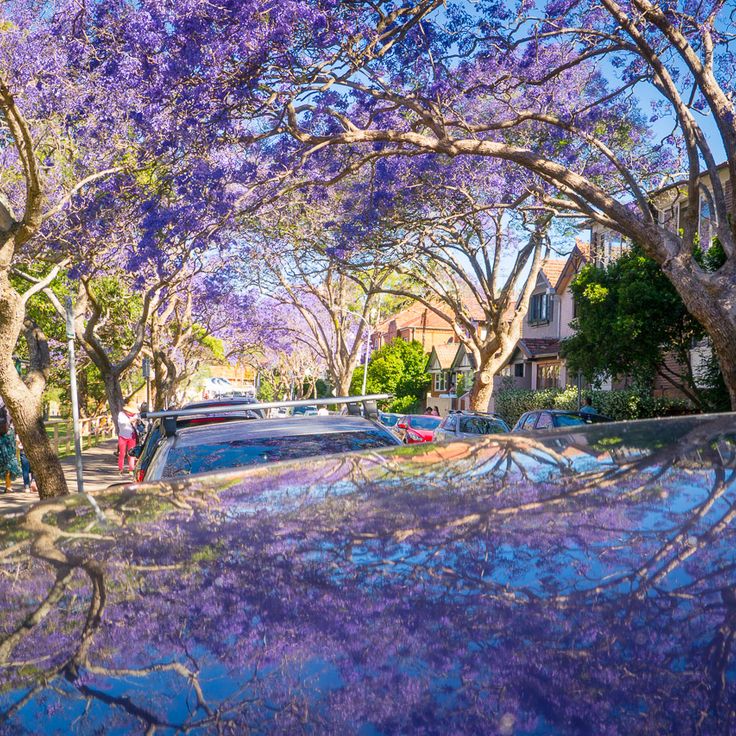
Kirribilli, Australia
This street in Kirribilli fills with purple jacaranda blooms during Australian spring, when the trees lining the sidewalk flower. The branches form a natural arch over the roadway, and as petals fall they cover the pavement in a purple carpet. Light filters through the foliage creating patterns on the ground below. Residents and visitors come here to walk among the trees and photograph the seasonal transformation.
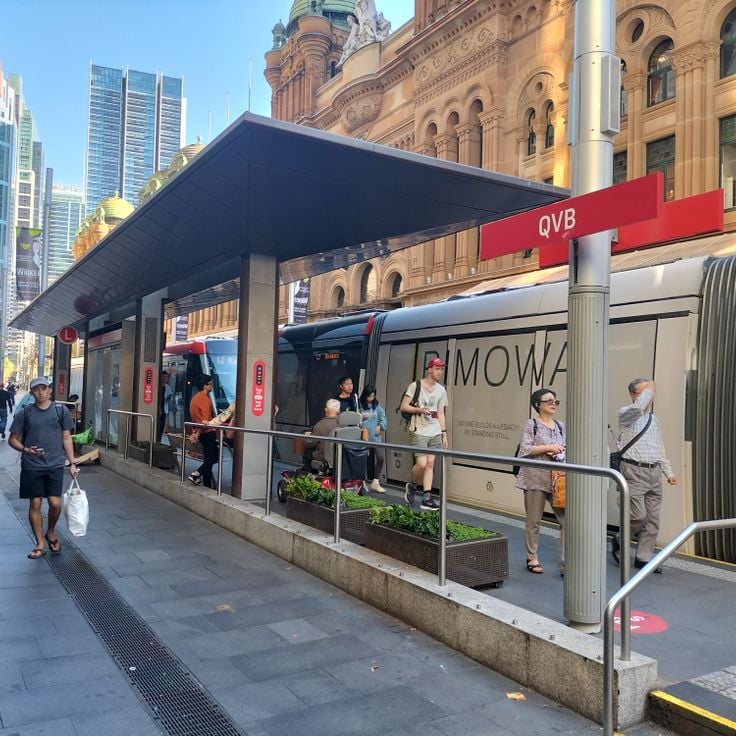
Sydney, Australia
The dome of this historic shopping building possesses special acoustic properties that allow whispered words to travel across a considerable distance. The whispering gallery sits beneath the central dome and offers photographers the chance to capture both the architectural grandeur of the interior and the curious phenomenon of sound transmission. For this photographic route through Sydney beyond regular tourist paths, the Queen Victoria Building demonstrates how colonial architecture can combine with unusual technical features.
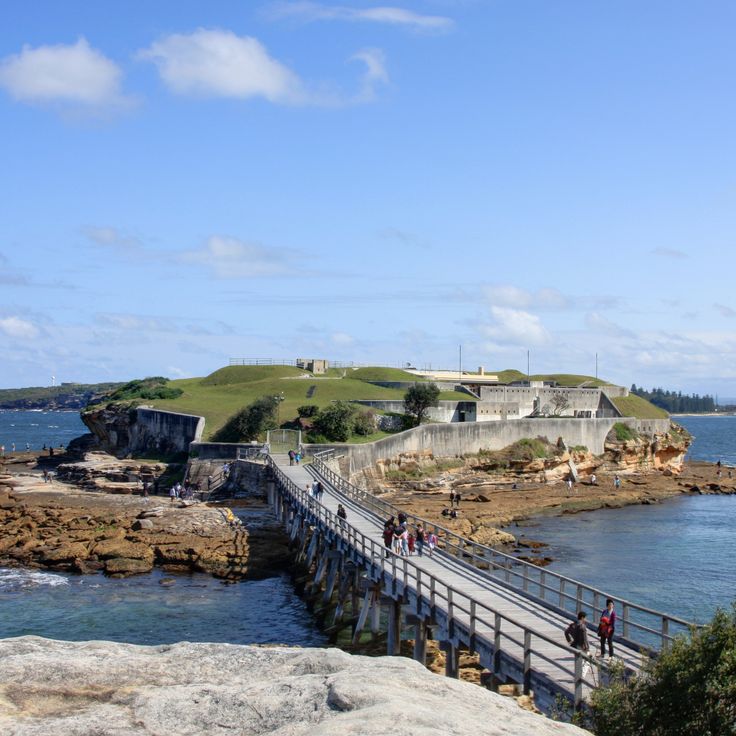
La Perouse, Australia
This 19th century military installation sits on a small island at La Perouse and was built to protect Botany Bay. A wooden bridge connects the island to the mainland and leads to rooms once used by soldiers. Cannons, walls and underground passages form part of the installation. The place belongs to Sydney's photography locations off the main path, offering views across the bay and traces of Australian military history.
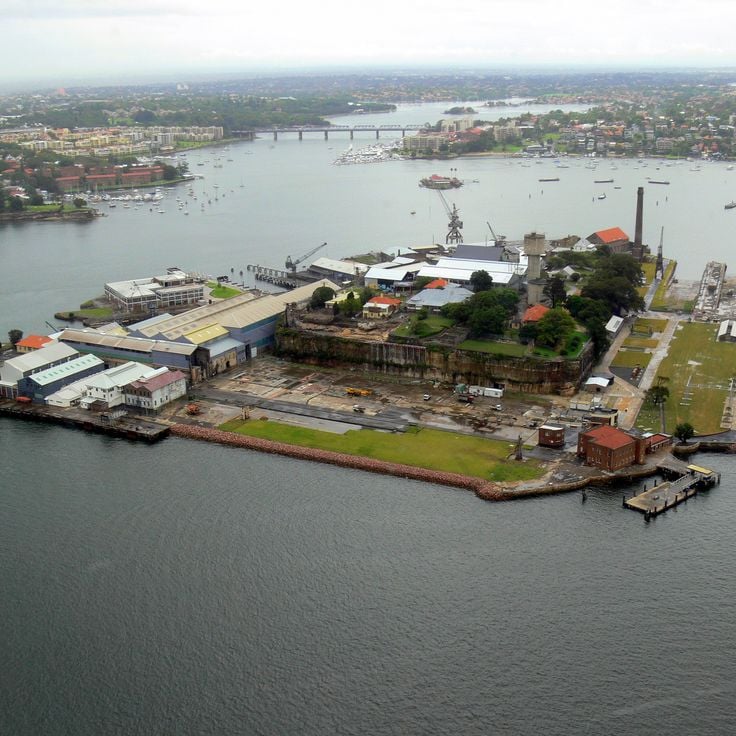
Sydney Harbour, Australia
Cockatoo Island sits in Sydney Harbour and preserves buildings from the colonial era, including old prison structures and shipyards. Today, visitors can explore this industrial site, which tells the story of Australia's maritime past. The island shows how ships were built and repaired while prisoners were held here at the same time. Tours explain the history of the place, which served different purposes from the 19th century onward. UNESCO recognizes the importance of this site for understanding industrial development. Those interested in photography away from regular tourist paths will find rusted machinery, empty halls, and views across the water.
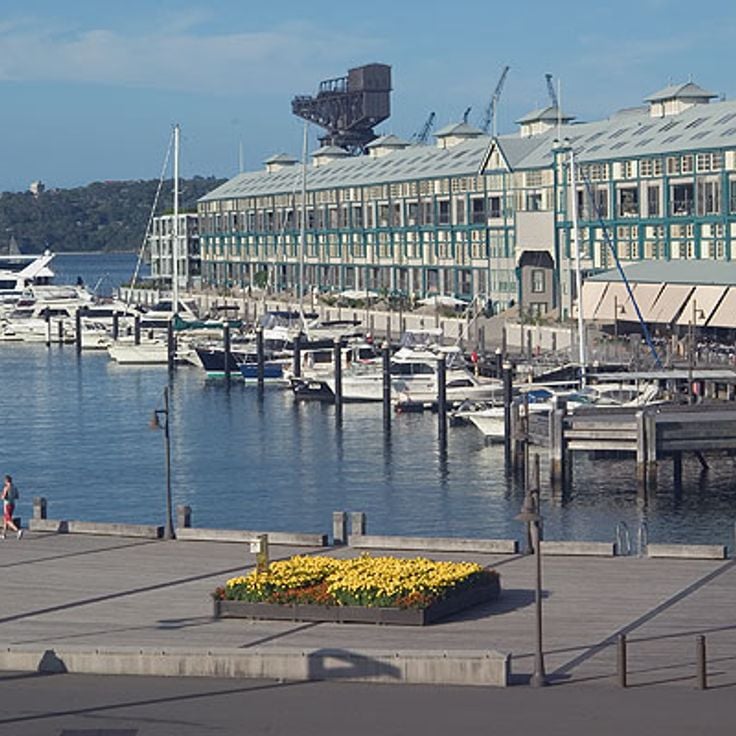
Woolloomooloo, Australia
This restored harbor pier from 1915 now houses restaurants and apartments. The 1,300-foot (400-meter) timber structure shows maritime industrial architecture with views across the harbor. At Woolloomooloo Maritime Terminal, visitors can walk along the waterfront, observe the combination of historic construction and modern harbor life, and photograph different perspectives of Sydney's coastline.
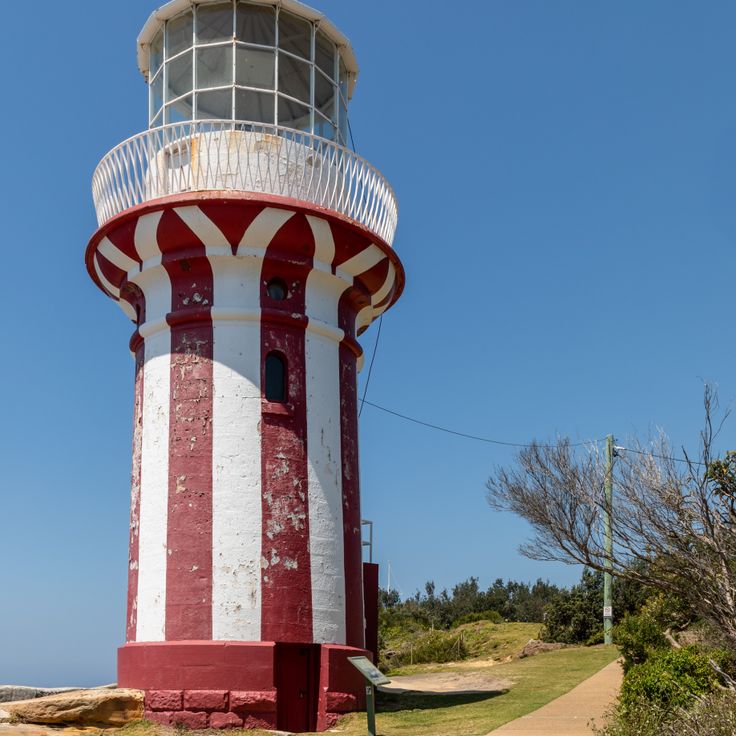
Watsons Bay, Australia
This red and white lighthouse marks the entrance to Sydney Harbour at South Head. It stands near several small beaches that can be reached on foot. From here you can photograph both the harbor and the open ocean. The cliffs and rocky sections of coastline offer different angles and perspectives. A walking trail winds around the headland connecting several viewpoints along the way. The light has been operating for more than a century.
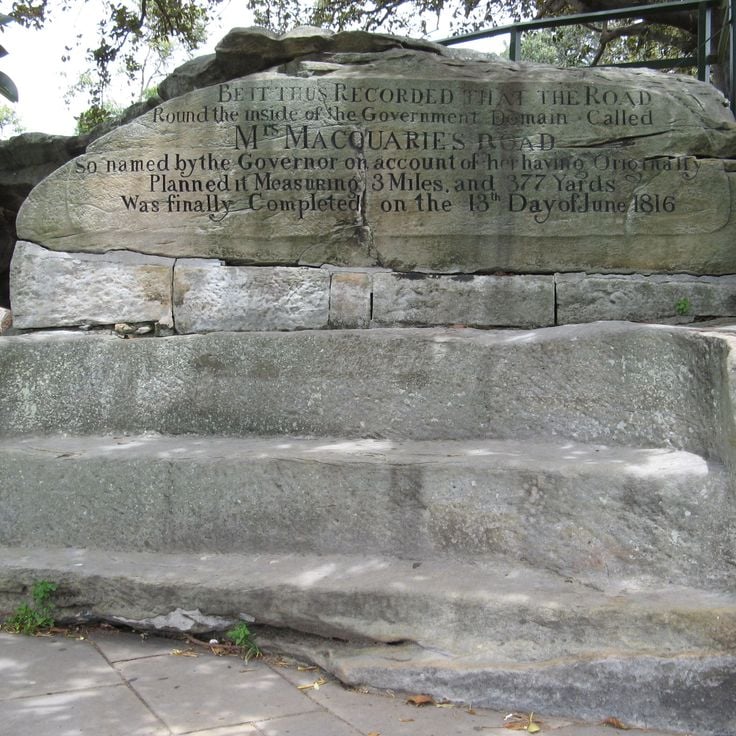
Sydney, Australia
This sandstone seat carved into the rock sits at the water's edge and offers a clear view of both the Harbour Bridge and the Opera House. The viewpoint is less crowded than the main tourist areas and provides good angles for photography. Morning light illuminates both landmarks at the same time, making this spot popular with photographers.
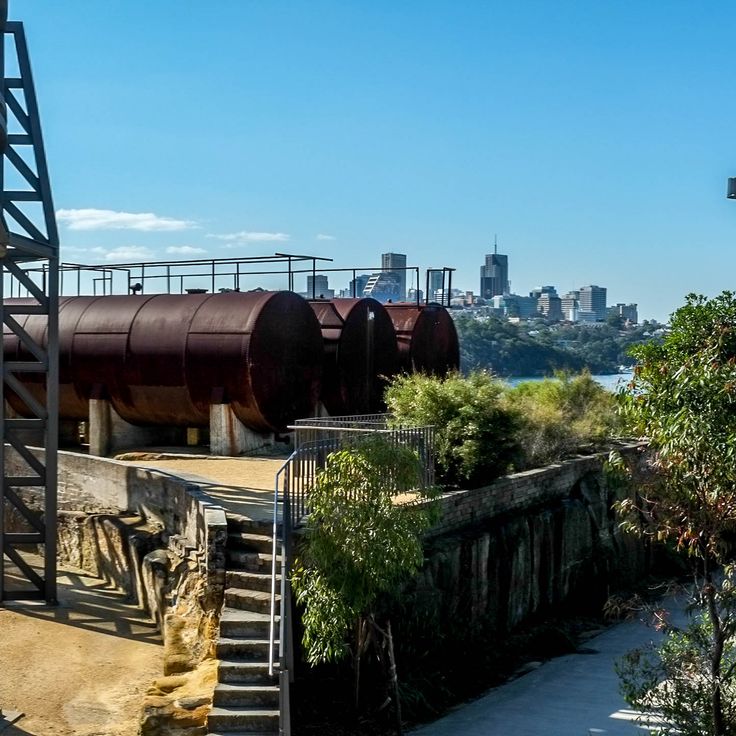
Balmain East, Australia
The park sits on former industrial land. Art installations and information panels tell the maritime history of the site.
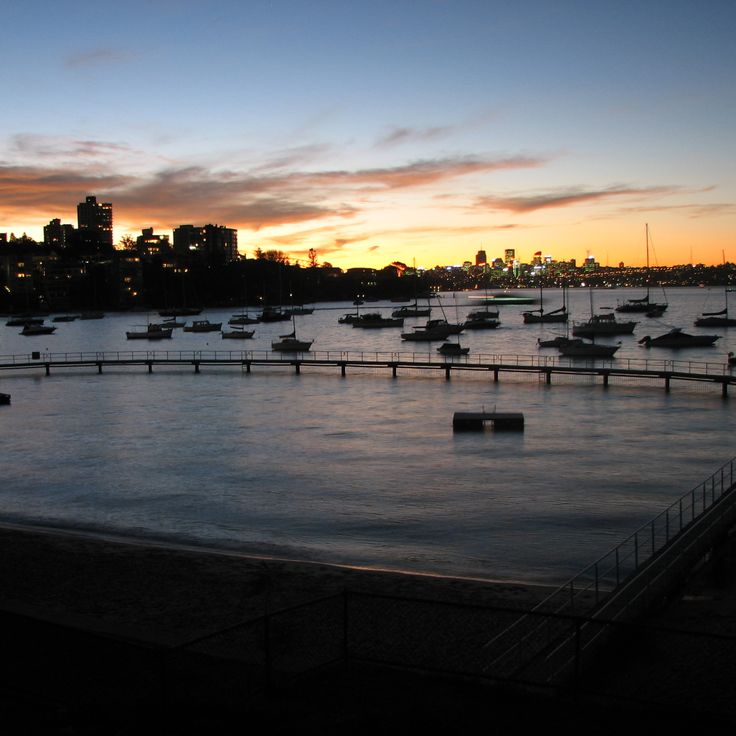
Double Bay, Australia
This enclosed swimming area in Double Bay harbor is built with wooden platforms. Changing rooms and showers are available for visitors. The pool sits away from regular tourist routes and offers opportunities for photographing the shoreline and harbor. The calm waters and natural surroundings create good conditions for images from the edge.
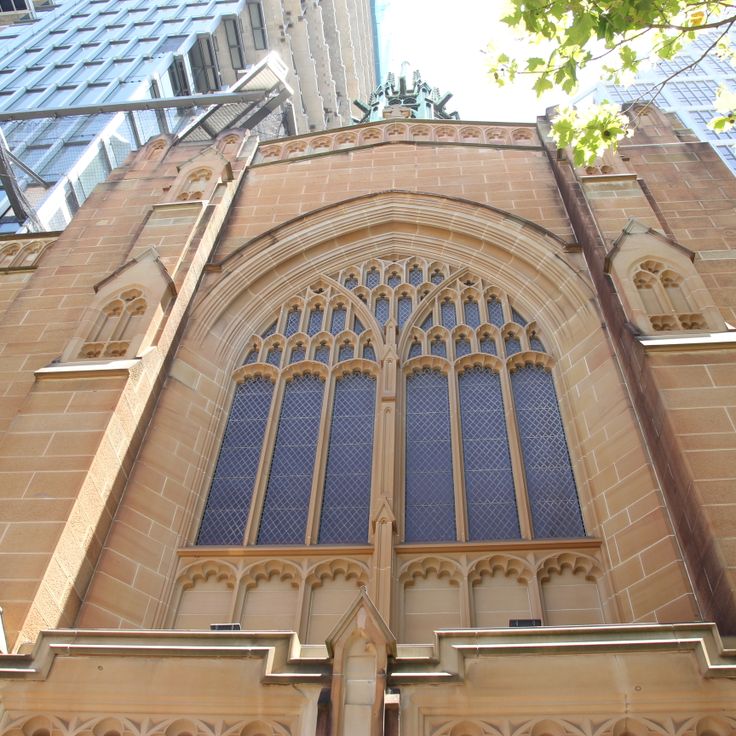
Sydney, Australia
This church displays a collection of 19th century stained glass windows depicting biblical scenes. The windows fill the interior with colored light and work well for shots of architectural details and light patterns. The building combines religious history with artistic design and adds an example of colonial church architecture to the Sydney photography route.
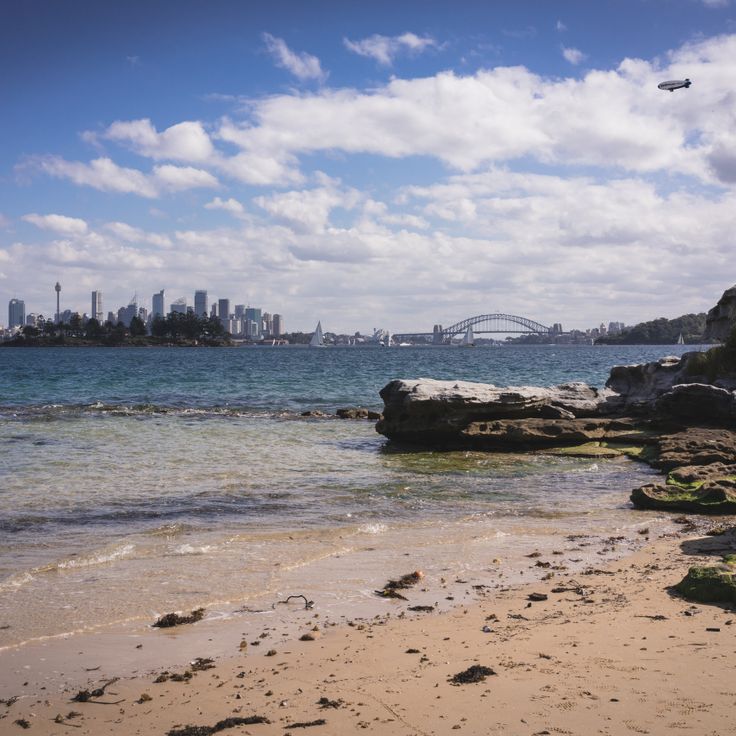
Vaucluse, Australia
This small sandy beach sits in a sheltered cove of Sydney Harbour with clear views of the downtown skyline and the Harbour Bridge. The water is calm, and swimmers share the space with occasional sailboats passing by. Milk Beach suits photography at sunset when the light hits the bridge and the high-rises from the side. The beach is reached by stairs from a residential neighborhood and often remains less crowded than other beaches in the city, even on warm days.
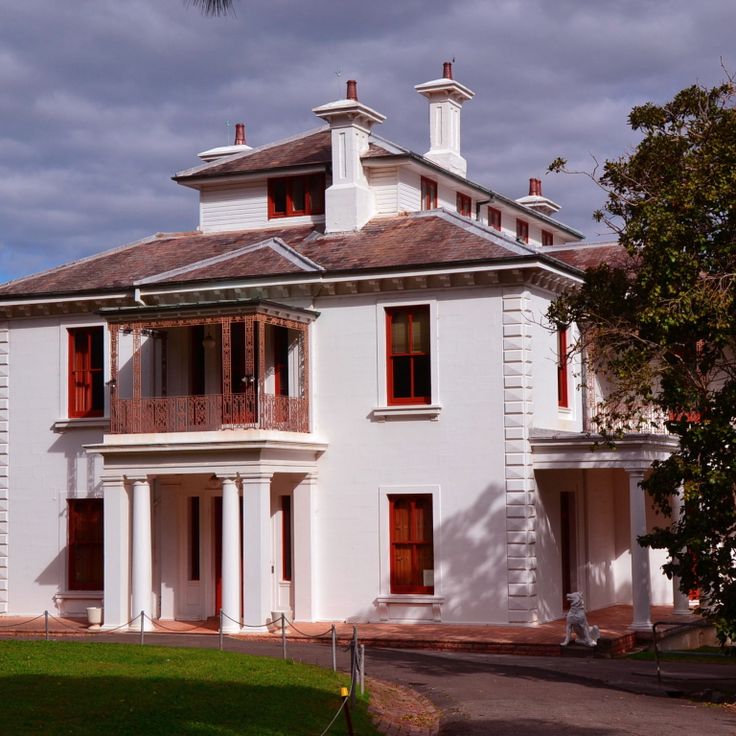
Vaucluse, Australia
This Victorian-era building dates from 1850 and stands within extensive gardens overlooking Sydney Harbour. The house shows the architectural style of the period, with classical columns, ornamental balconies, and tall windows. The grounds around it are well kept and invite a walk, while the harbor appears from several positions. This location offers a quiet subject for photographs combining historic architecture with natural surroundings.
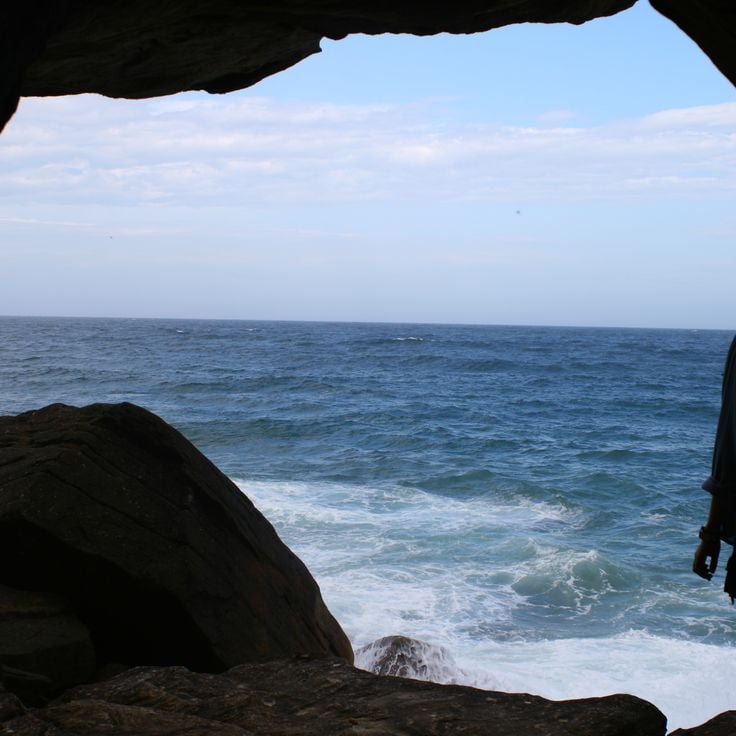
Manly, Australia
This tunnel connects two beaches in Manly and was dug by miners in the early 1900s. It is about 50 meters (164 feet) long and cuts through bare rock. Inside, the walls are rough and dark, the air cool and damp. Light enters from both ends. The tunnel serves as a shortcut between the beaches and is used by walkers and photographers. The openings frame views of the ocean. The place is quiet and sits away from the usual tourist routes in Sydney.
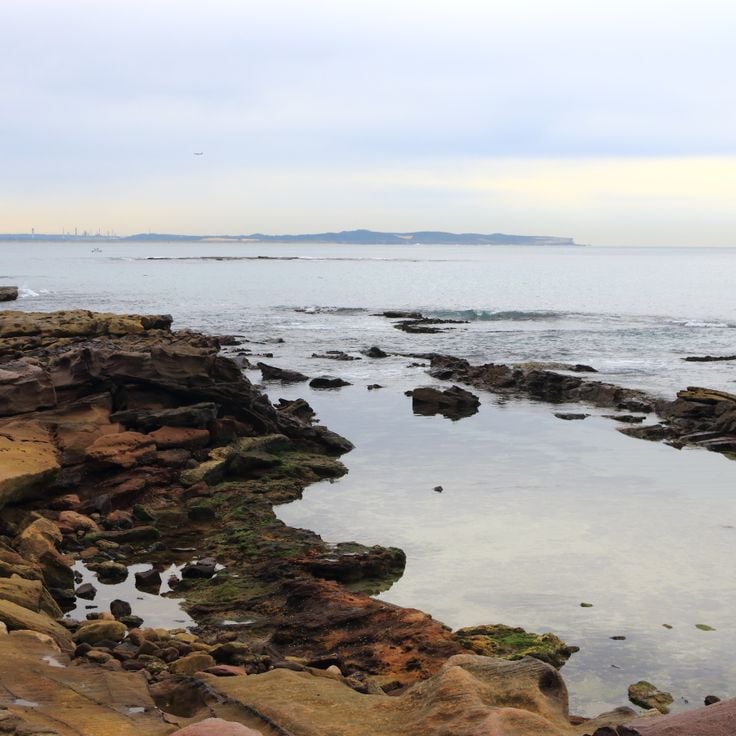
Manly, Australia
This seawater pool sits between rocks right next to the beach. Swimmers can see corals and small fish here. The water is clear and protected from the open sea. A place to bathe with views of the ocean and the rocky coastline. Shelly Beach Rockpool offers a natural setting for photographing water, rocks, and the seascape.
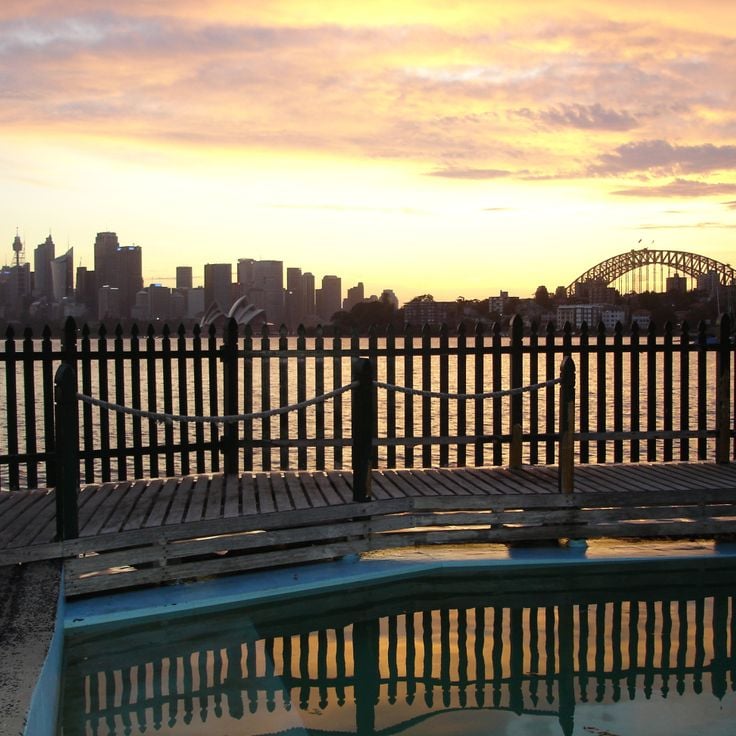
Cremorne Point, Australia
This rectangular swimming pool sits at the harbor edge and offers direct views of Sydney Harbour Bridge and Opera House. The pool connects the natural surroundings with the urban skyline and shows Sydney from a different perspective. The still water and the architectural landmarks in the background create together an unusual scene for photographers working beyond regular tourist paths.
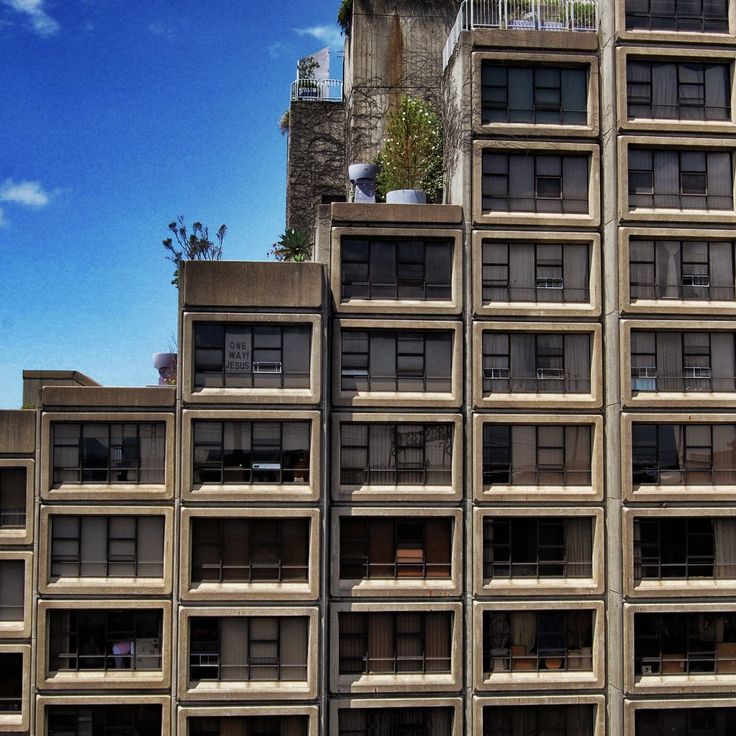
Sydney, Australia
This 1980s residential tower shows a raw concrete construction with modular units and cascading balconies. The Sirius Building stands near the harbor and offers interesting perspectives for architectural photography on Sydney's route away from regular tourist paths. The stacked structure and rough surfaces create a contrast with the glass facades of modern high-rises in the area.
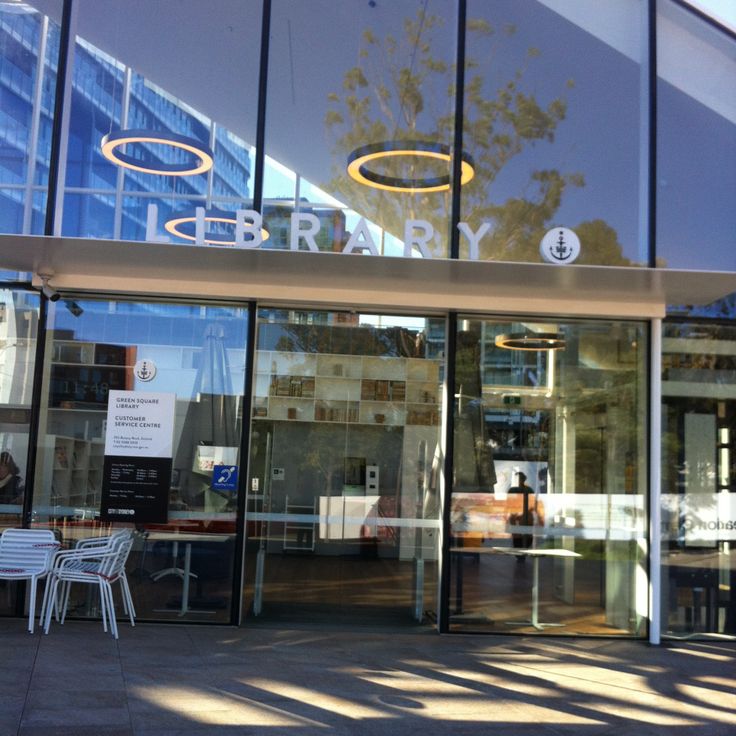
Zetland, Australia
This library sits beneath a city plaza, combining study rooms with a courtyard garden. Glass roofs bring natural light into the interior, creating an open feel for readers and photographers. The modern architecture offers clean lines and geometric shapes, while the planted courtyard provides a contrast to the urban surroundings and forms a quiet retreat inside the building.
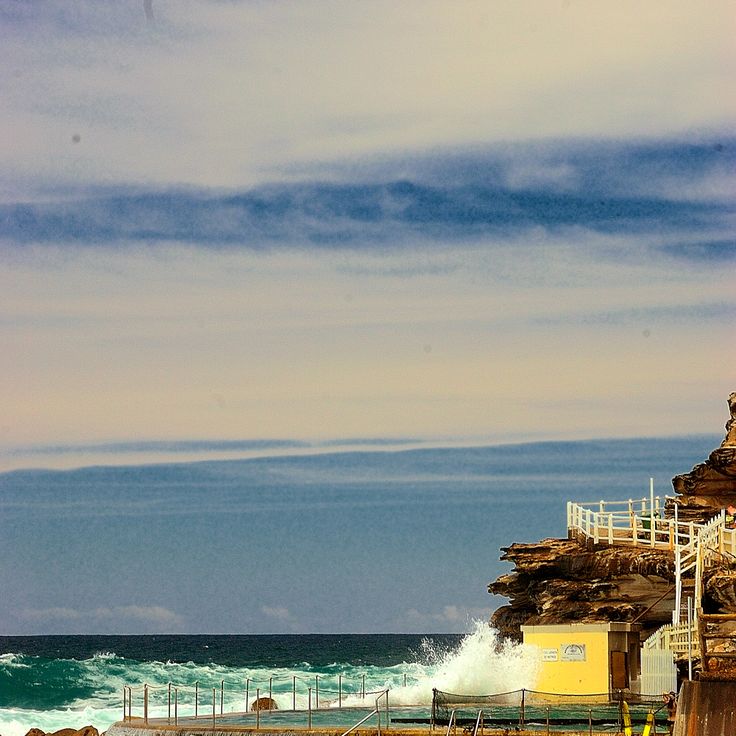
Bronte, Australia
This saltwater pool sits at the southern end of Bronte Beach and fills with the tides. Water flows gently over the low walls while swimmers move between the rocks and the surf. From here the view opens directly onto the Pacific. Local residents come for morning laps, and children play in the shallow sections during the afternoon. The facility is simple, a concrete and stone pool that has been in use for decades.
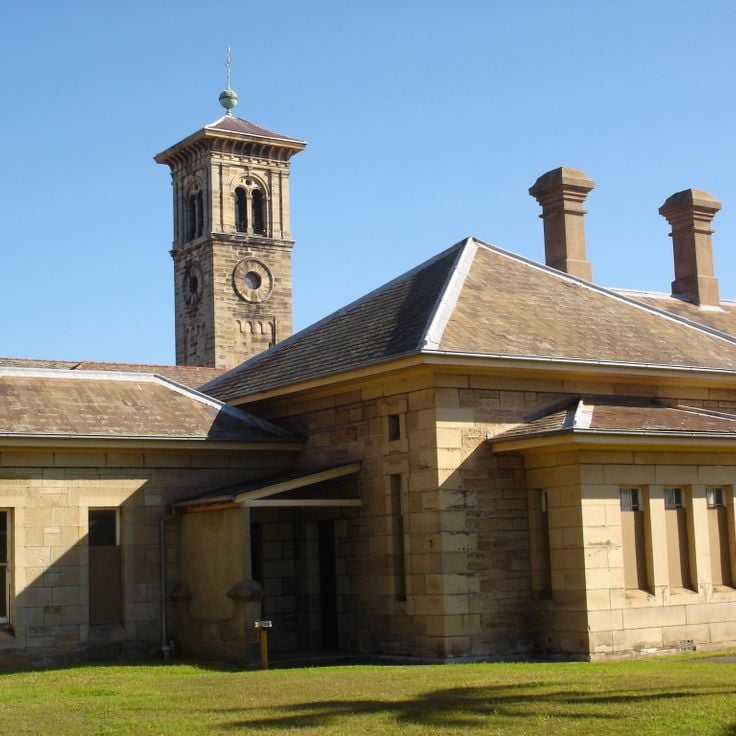
Rozelle, Australia
This coastal park in Rozelle sits along the shores of Sydney Harbour and forms one of the less frequented stops on this route. The grounds spread across a large area with heritage-listed sandstone buildings from the 19th century, open lawns, and paths that wind along the water. The old Victorian-era structures provide backdrops for shots, while the shoreline with mangroves and views across the bay offers a different perspective on the harbor. You will find sports fields, old trees, and quieter corners away from the usual tourist trails, making this place suitable for photographic exploration of Sydney's different faces.
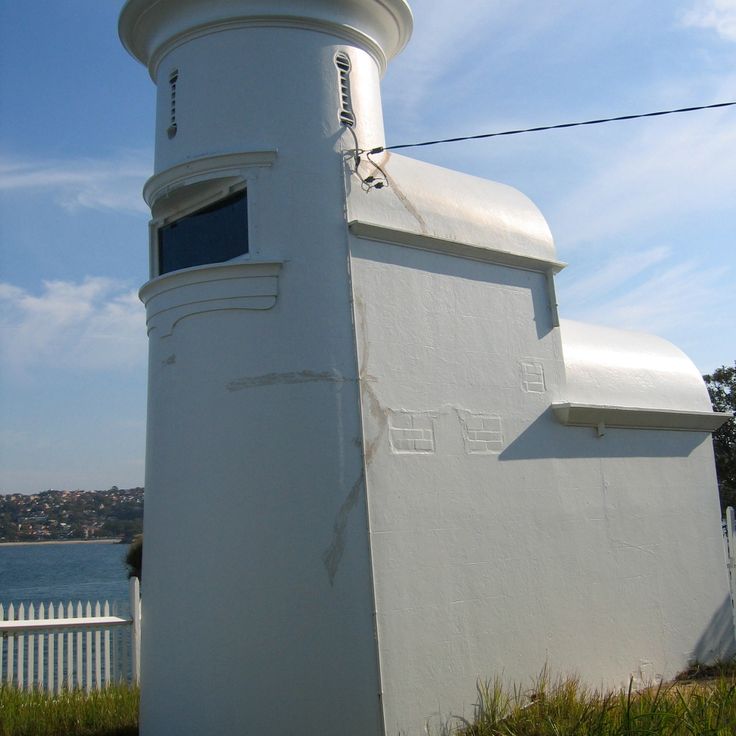
Manly, Australia
This lighthouse was built in 1910 and stands on a cliff at the entrance to Sydney Harbour. Grotto Point Lighthouse sits in a quiet coastal section north of Manly, reached by a walking trail. The surroundings show rock formations and low vegetation that withstand the salty air. From here you see the harbour on one side and the open ocean on the other. The location offers light and shadow at different times of day, making it interesting for photographers.
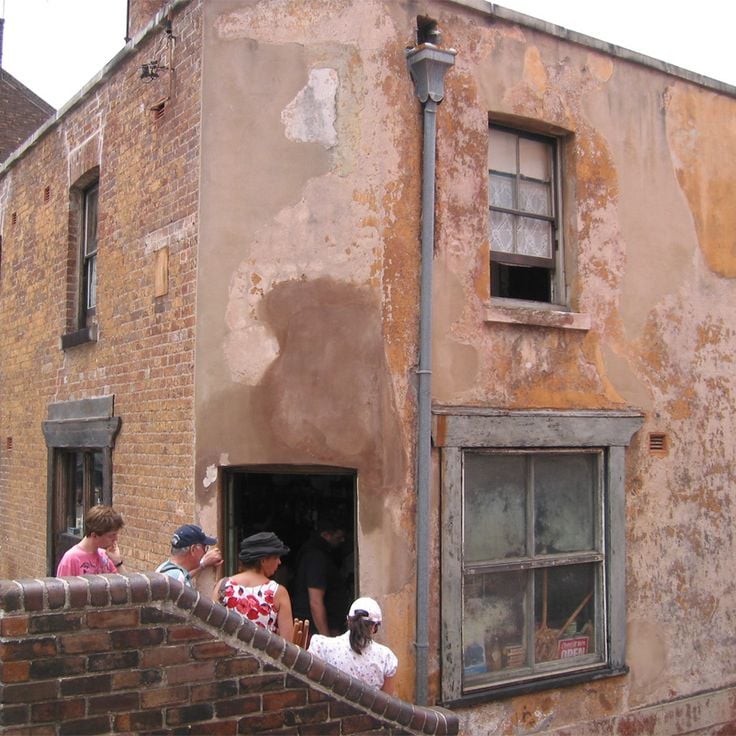
The Rocks, Australia
This museum preserves four worker houses from 1844 with their original furniture and everyday objects. The houses show the lives of workers in historic The Rocks and offer a view into 19th-century living conditions that complements the colonial architecture and history of Sydney.
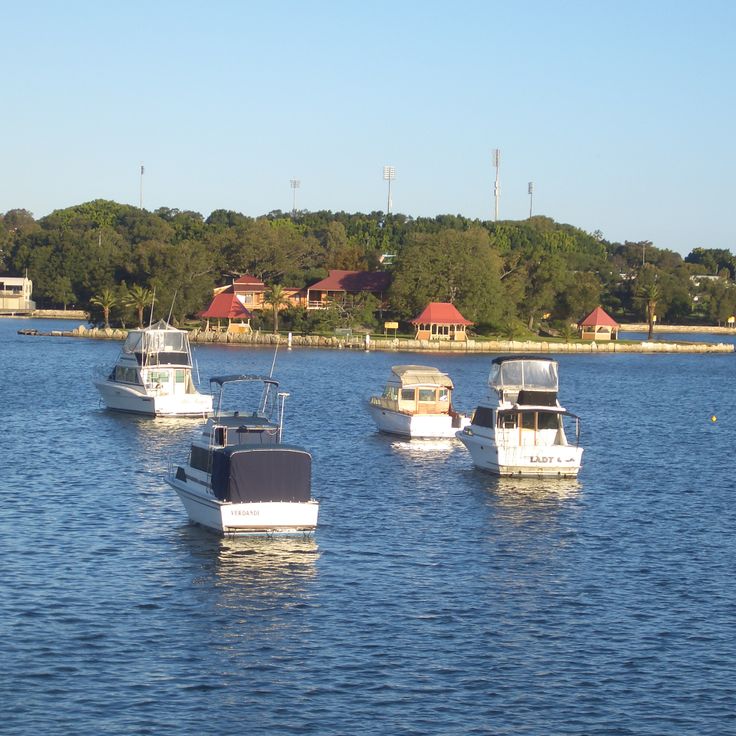
Sydney Harbour, Australia
This harbor island preserves several buildings from the nineteenth century and offers walking paths along with tables for picnics. Rodd Island sits away from the usual photography locations in Sydney and shows a quiet part of the harbor where water and old structures meet. Views open toward the surrounding waterways while paths run between the historic buildings. For photographs that go beyond the common tourist perspectives, this island provides an alternative with colonial-era architecture and natural surroundings.
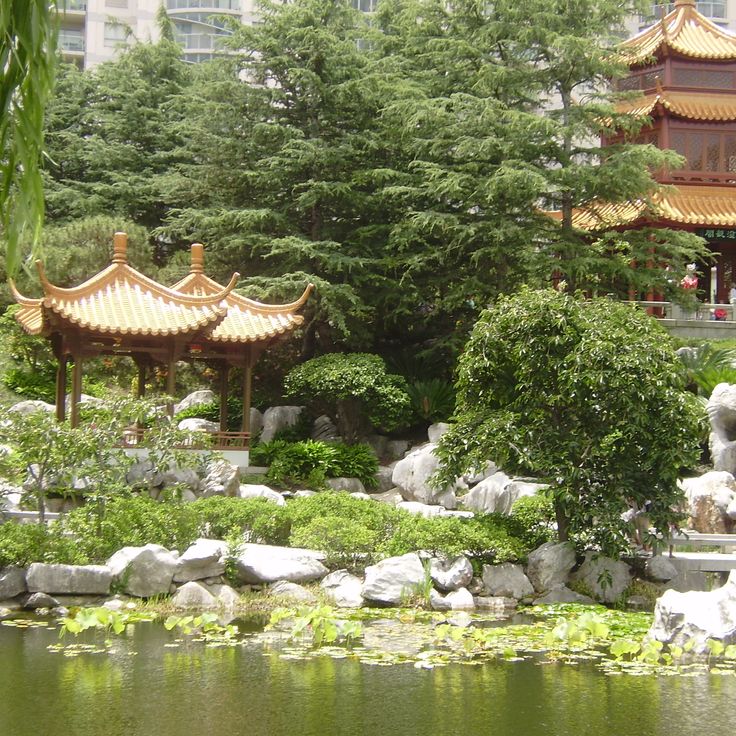
Darling Harbour, Australia
This garden near Darling Harbour was designed following principles of classical Chinese garden art. The grounds include several pavilions with curved roofs, small bridges over still ponds where koi fish swim, and artificial waterfalls set among rocks. The planting follows traditional Chinese patterns with bamboo, peonies, and other plants from Chinese garden tradition. The garden sits in a part of the inner city that was once harbor land, providing contrast to the modern surroundings. Pathways lead through different sections, past stone lanterns and calligraphy panels. On hot days, visitors seek shade under the trees or within the pavilions.
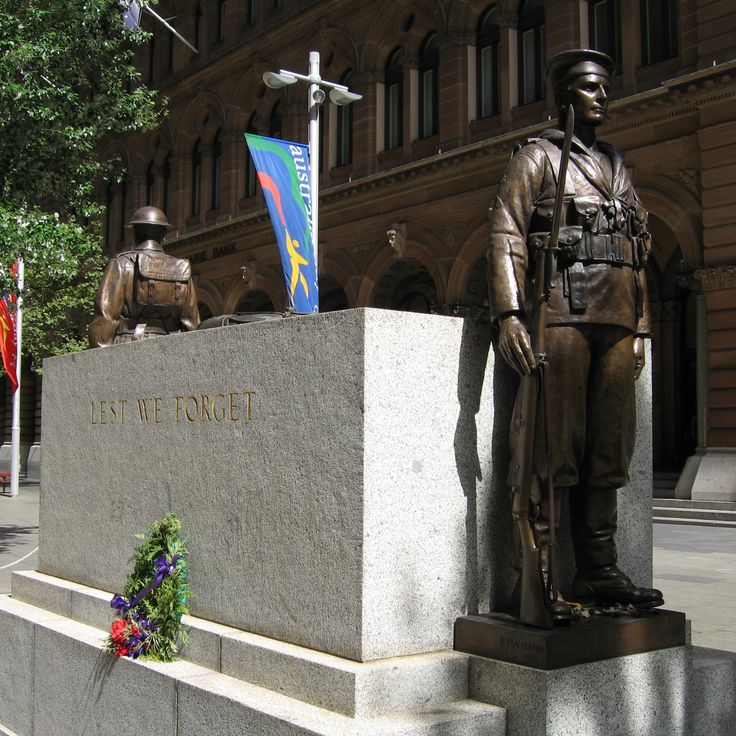
Sydney, Australia
This granite monument stands in the central business district of Sydney and honors fallen soldiers. Ceremonies and wreath laying take place here daily. The Cenotaph sits in Martin Place, a wide pedestrian plaza lined with historic bank buildings and modern towers. People pass by at lunchtime, sit on the surrounding steps, or pause to read the inscriptions. The setting is quiet even though the street is busy. The monument provides a backdrop of stone and architecture that suits photographs capturing Sydney's connection between history and city life.
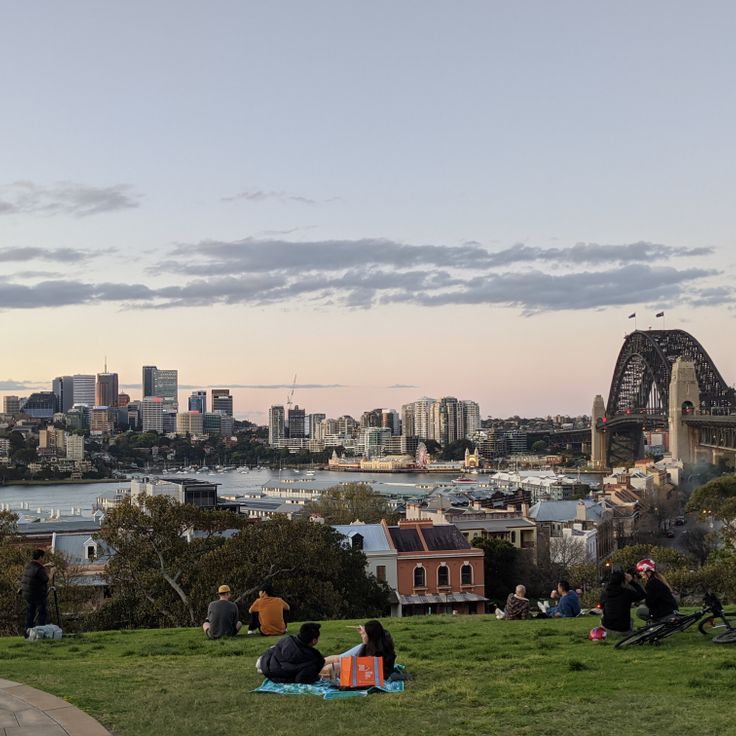
Millers Point, Australia
This public park sits on a hill above Millers Point, offering open lawns and views toward the harbor and the Harbour Bridge. The historic observatory still stands, surrounded by large trees. Photographers will find a range of subjects here: the harbor skyline, the bridge from various angles, and the port area below. The hill is quiet, often visited by walkers, and offers changing light through the day, making it useful for capturing scenes away from more traveled routes.
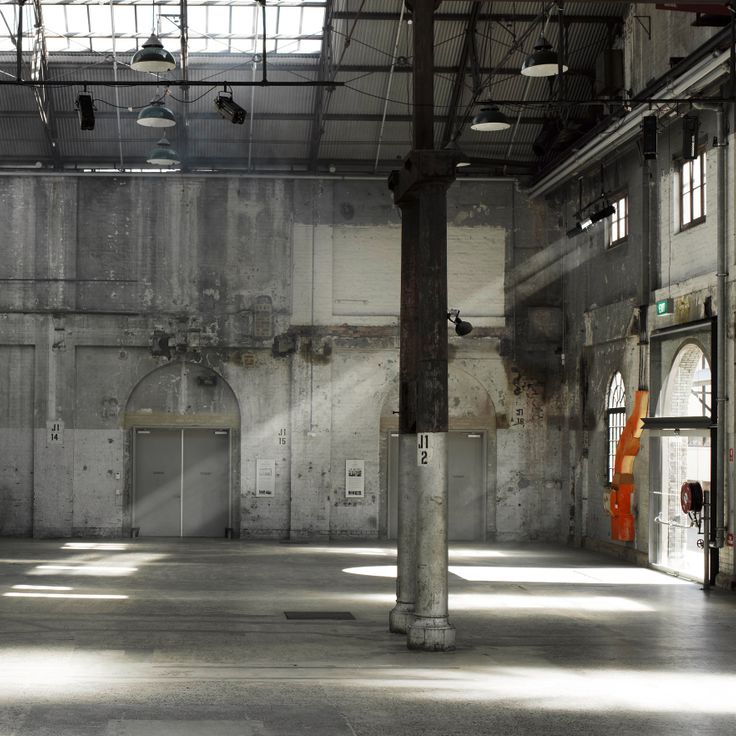
Eveleigh, Australia
This former railway workshop belongs to the industrial buildings of Sydney that have found a new purpose. The brick walls and steel framework date back to the time when carriages were built and repaired here. Today the large halls serve contemporary art, with galleries, theater stages and event spaces. Light falls through tall windows onto concrete floors, and the architecture openly shows its industrial past. Carriageworks sits away from the usual routes and offers the chance to photograph exhibitions and performances in a setting that makes visible the contrast between old structure and new use.
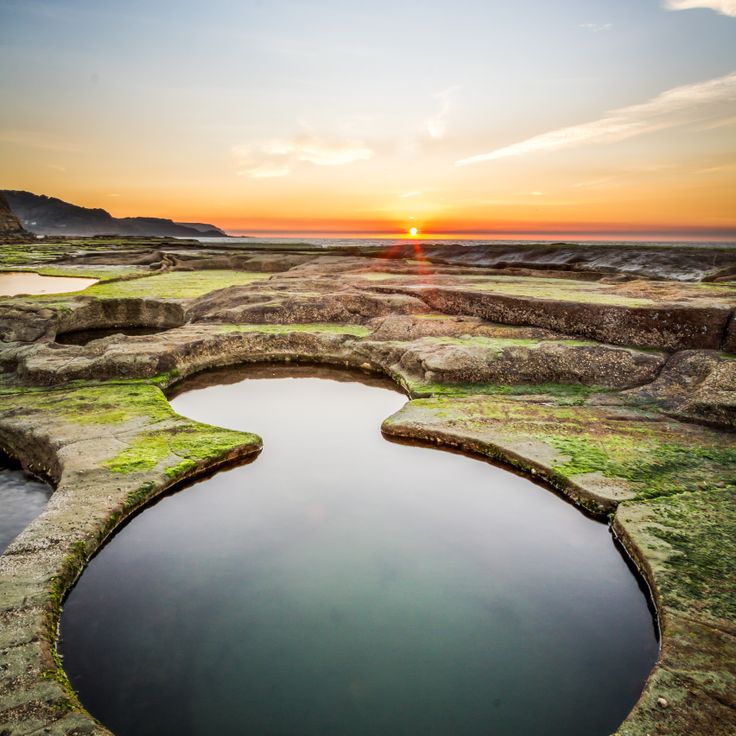
Royal National Park, Australia
These rock formations were carved by erosion along the coast of Royal National Park. At low tide, seawater fills the basins and forms natural pools for swimming. The rock platform sits at the edge of the park and can be reached on foot. For photography away from main routes, this location offers changing water levels and light reflections on the stones.
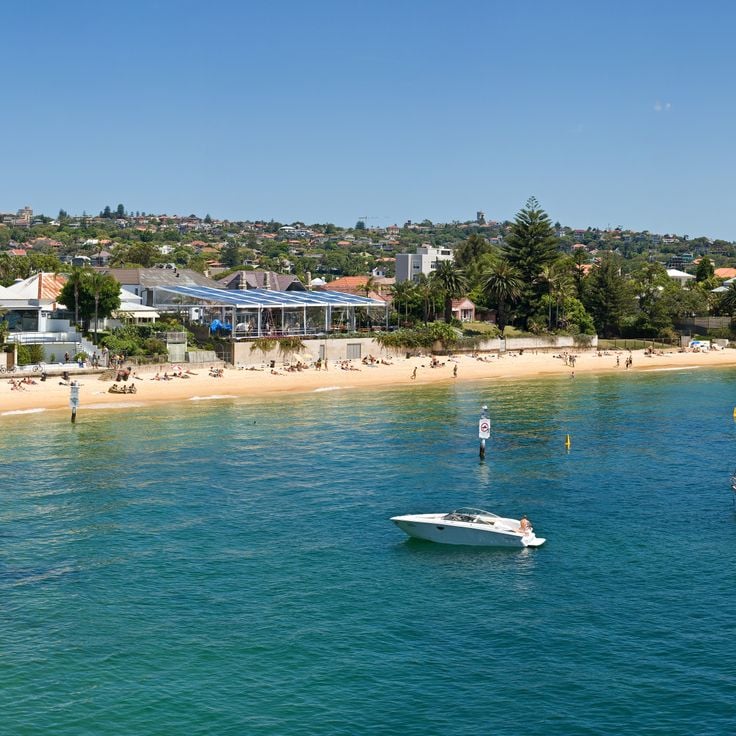
Watsons Bay, Australia
This cove sits in Watsons Bay and provides a sandy stretch of beach with calm water, suitable for swimming and snorkeling. From here you can see the Sydney skyline across the harbor. The water tends to be shallow and clear, which makes the spot popular with families. Some shady trees grow along the shore. Early morning sees few people around, while later in the day locals and visitors gather to swim.
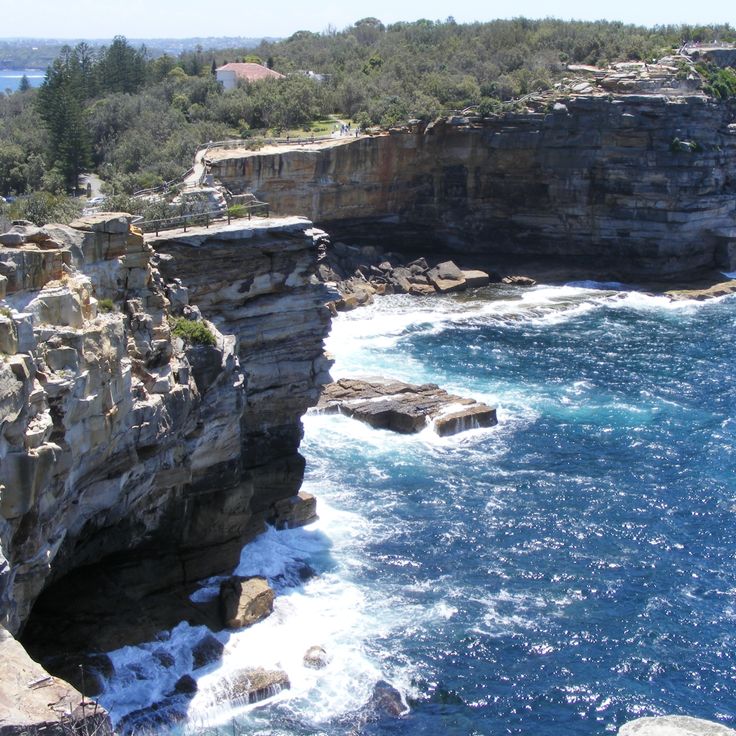
Watsons Bay, Australia
This bluff stands at the edge of the city where land and sea meet directly. The rocks drop several dozen feet to the water below, and observation platforms offer a clear view out to the open ocean. Waves strike the dark stone while seabirds glide over the water. On clear days the horizon extends far out. The bluff shows the coastal formation of Sydney as it has shaped over thousands of years. The site belongs to a route of photography locations in Sydney away from the usual tourist areas, running from the harbor to the outer bays.