See the monuments around you in AROpen chests in the app
Around Us is built for your phone — point your camera at the streets and discover the monuments and places around you in augmented reality.Around Us is built for your phone — chests unlock when you walk, explore and capture nearby places.
Buddhist sites in Bihar, archaeological ruins and wildlife reserves
Bihar is a region where Buddhism started about 2500 years ago. In Bodh Gaya, a temple marks the place where Buddha gained enlightenment under a fig tree. In Nalanda, the remains of a monastery school show how thousands of monks studied here from the 5th to the 12th century. Rajgir, surrounded by hills, has caves where Buddha taught and hot springs used for many centuries.
The area also includes Patna, a busy city along the Ganges, and Vaishali, an old site where the first democratic gatherings took place in India. Further south, the Valmiki National Park protects forests where tigers and elephants live. These places tell the story of the religion and politics of the region, with different scenery, from farming fields to wooded hills. Visitors see pilgrims from all over the world, villages where silk is made, and markets that shape daily life.
Buddhist sites in Bihar, archaeological ruins and wildlife reserves
Bihar is a region where Buddhism started about 2500 years ago. In Bodh Gaya, a temple marks the place where Buddha gained enlightenment under a fig tree. In Nalanda, the remains of a monastery school show how thousands of monks studied here from the 5th to the 12th century. Rajgir, surrounded by hills, has caves where Buddha taught and hot springs used for many centuries.
The area also includes Patna, a busy city along the Ganges, and Vaishali, an old site where the first democratic gatherings took place in India. Further south, the Valmiki National Park protects forests where tigers and elephants live. These places tell the story of the religion and politics of the region, with different scenery, from farming fields to wooded hills. Visitors see pilgrims from all over the world, villages where silk is made, and markets that shape daily life.
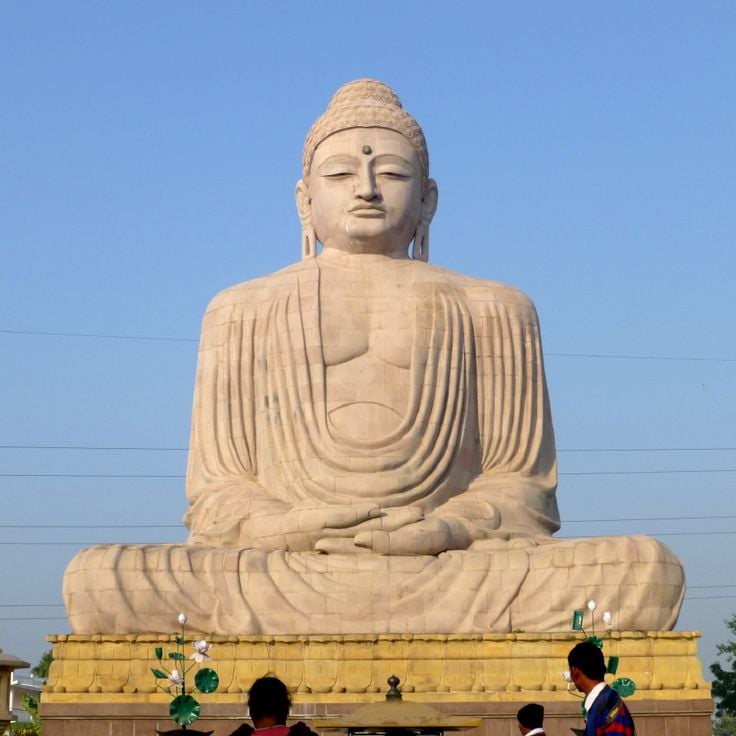
This golden Buddha statue dominates Bodh Gaya, the place where about 2,500 years ago Buddha attained enlightenment under a fig tree. The statue is visible from far away and serves as a landmark for pilgrims and visitors who arrive from around the world. It is part of Bihar's Buddhist heritage and helps explain how Buddhism began here before spreading to other regions.
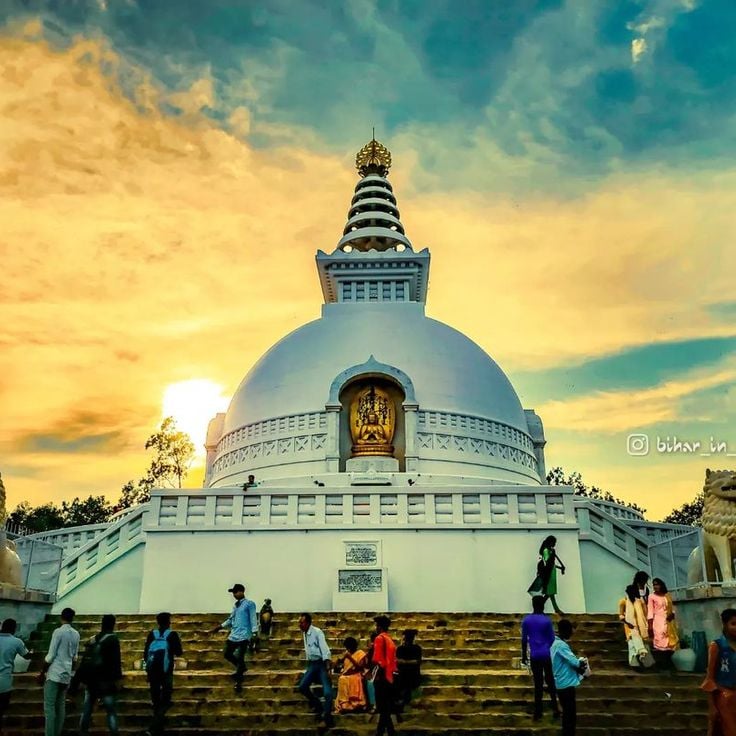
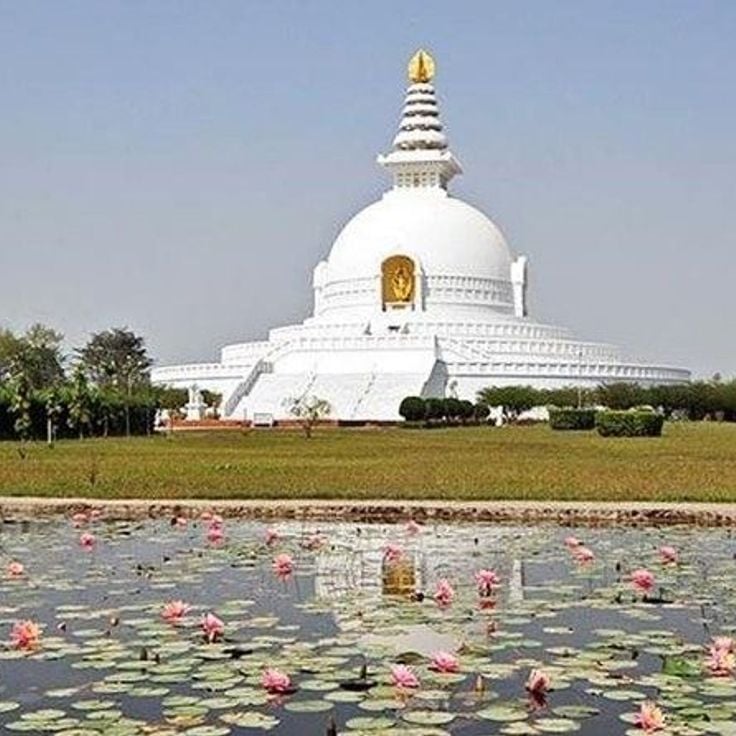
The Vishwa Shanti Stupa is a white peace pagoda built on a hilltop in Rajgir, offering views of the city and surrounding hills. This sacred site draws pilgrims from around the world who come to observe the landscape that shaped early Buddhism. The pagoda stands in a region where Buddha taught and where thermal springs have been used for centuries.
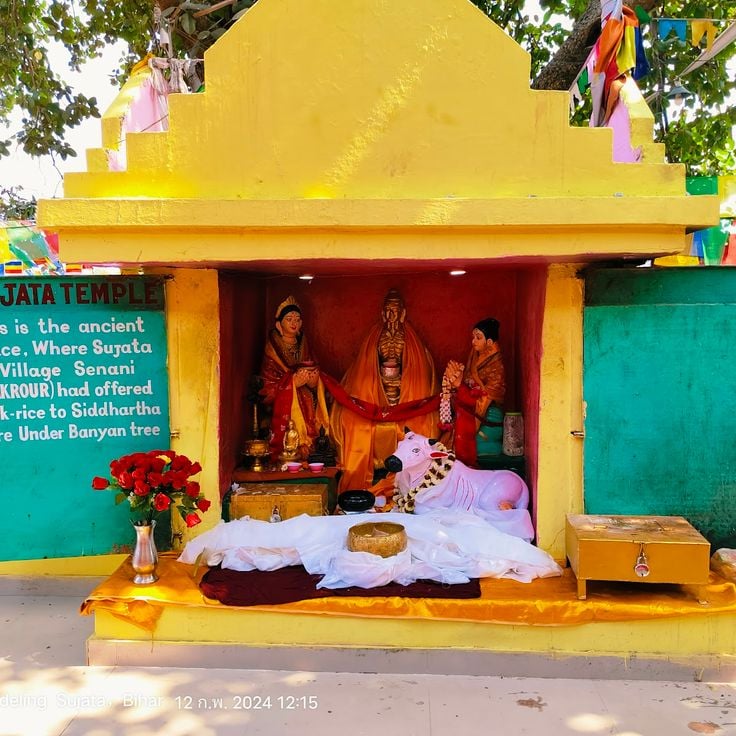
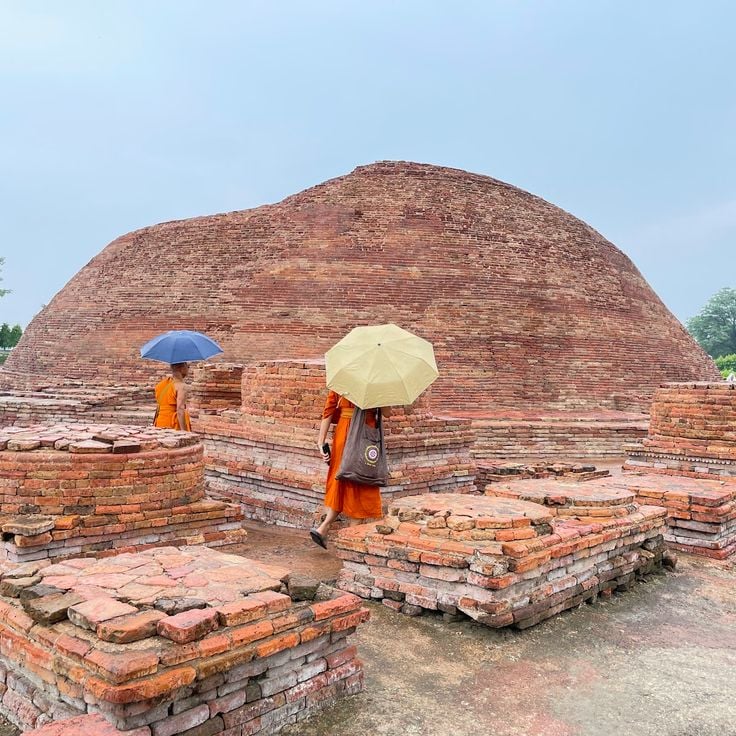
The Sujata Stupa in Bakraur marks the place where Sujata offered rice to the Buddha. This ancient stupa is a major Buddhist pilgrimage site in Bihar. Visitors from around the world come here to connect with the early teachings of Buddhism. The stupa sits in a region where Buddhism took root about 2500 years ago. At this location, pilgrims experience a moment tied to the Buddha's path before he reached enlightenment. The site draws people who seek to understand the spiritual foundations of this religion.
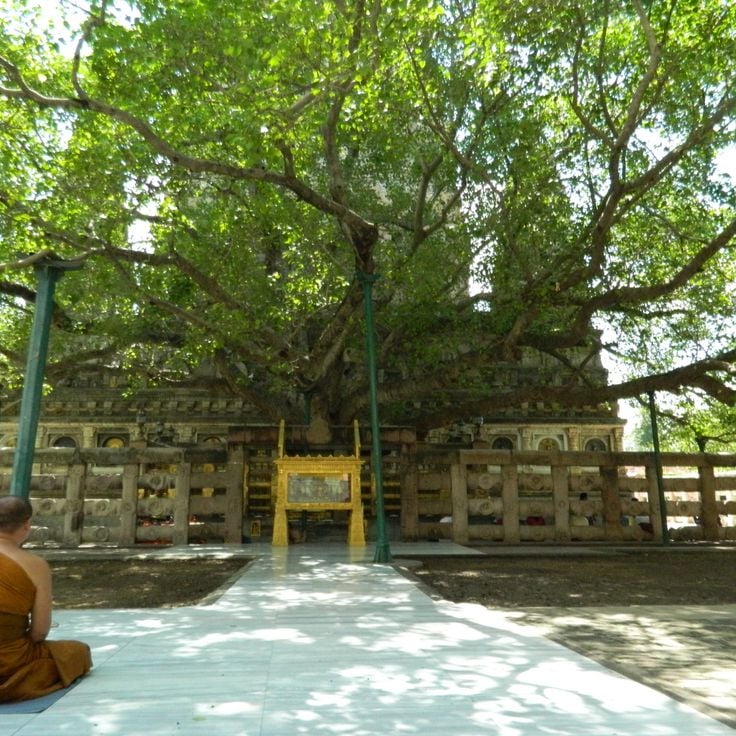
The Bodhi Tree in Bodh Gaya marks the sacred place where Siddhartha Gautama reached enlightenment 2500 years ago beneath this fig tree. The tree grows within a walled sanctuary and draws pilgrims from around the world who come here to meditate and pray. This site connects the spiritual heritage of Bihar with the history of Buddhism in the region.
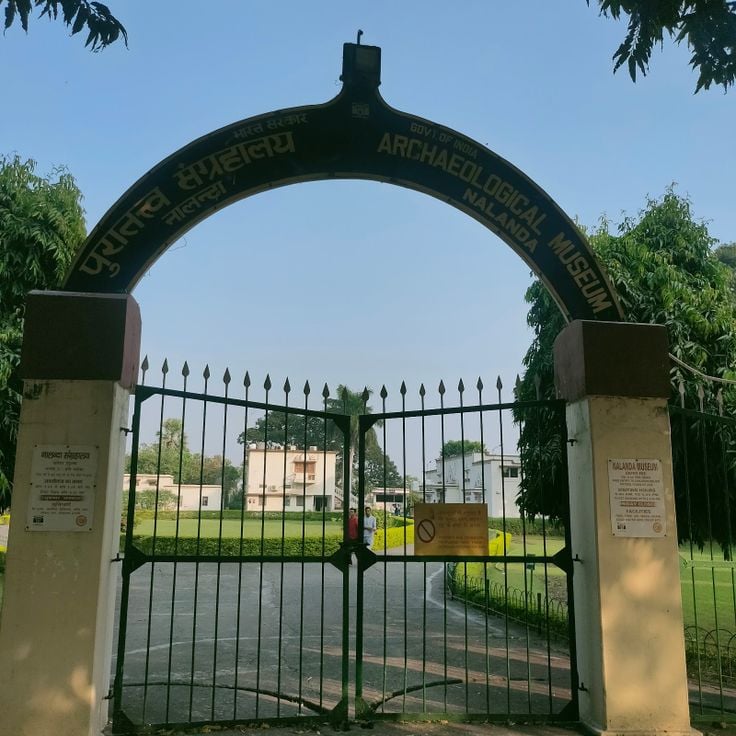
The Nalanda Archaeological Museum displays objects discovered during excavations of this ancient Buddhist university. Visitors can see sculptures, coins, and artifacts that reveal how thousands of monks studied and lived here between the 5th and 12th centuries. The collection shows traces of daily life, religious practice, and the scholarly activities that took place within these walls. Each piece helps visitors understand the intellectual and spiritual center that Nalanda once was.
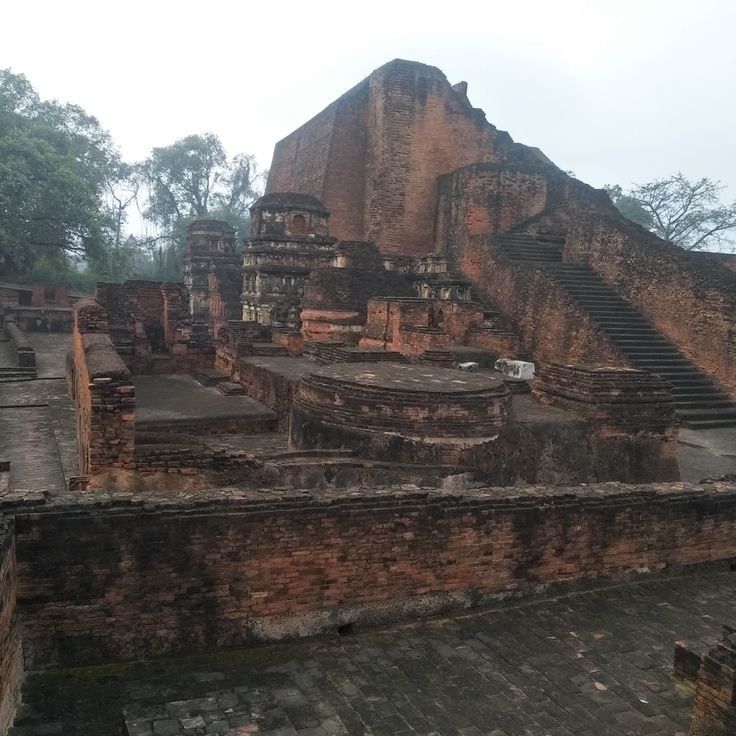
Nalanda Mahavihara is a major archaeological site in Bihar that once housed a great Buddhist university. From the 5th to the 12th century, thousands of monks taught and studied within its walls. The ruins today show the remains of monasteries, temples, and learning halls built from brick. This site is inscribed as a World Heritage location and reveals the religious and cultural history of the Indian subcontinent. Visitors can walk among the foundations of buildings and understand how monks from different countries came here to study texts and engage in scholarly discussion.
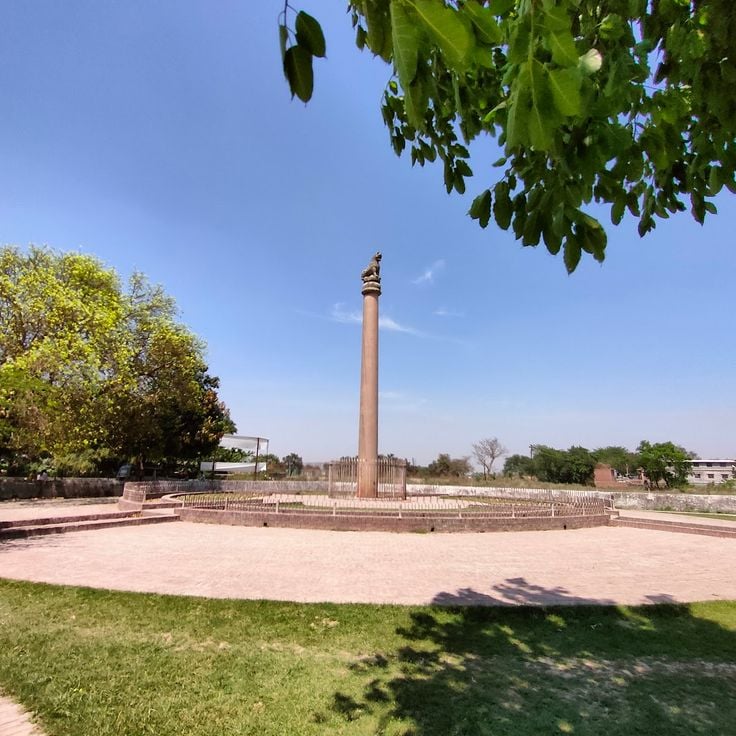
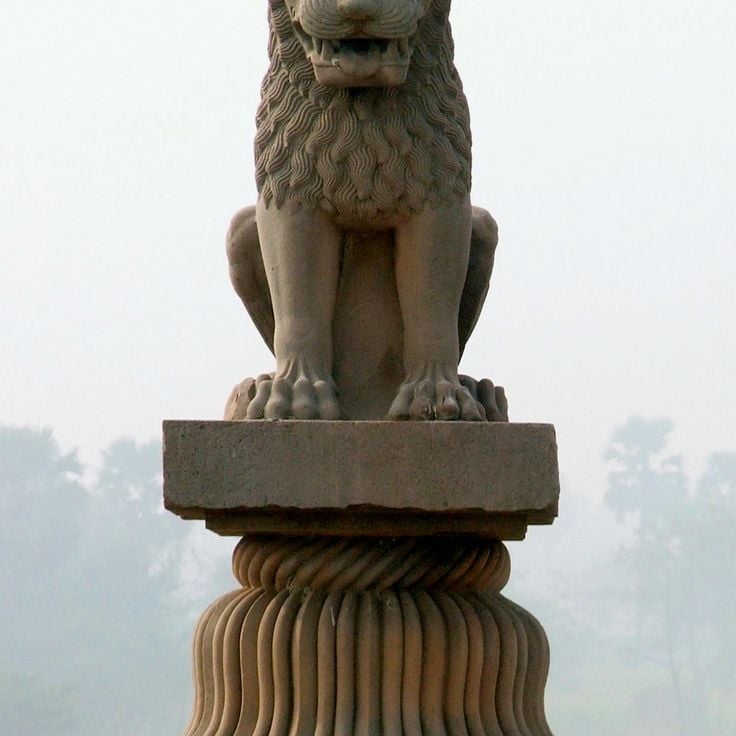
The Ashokan Pillar in Vaishali is a stone monument built by Emperor Ashoka in the 3rd century before our time. This sandstone pillar bears ancient inscriptions and stands in a place known for India's early democratic assemblies. The monument shows how the emperor spread his messages across his empire and is evidence of the ancient political history of this region.
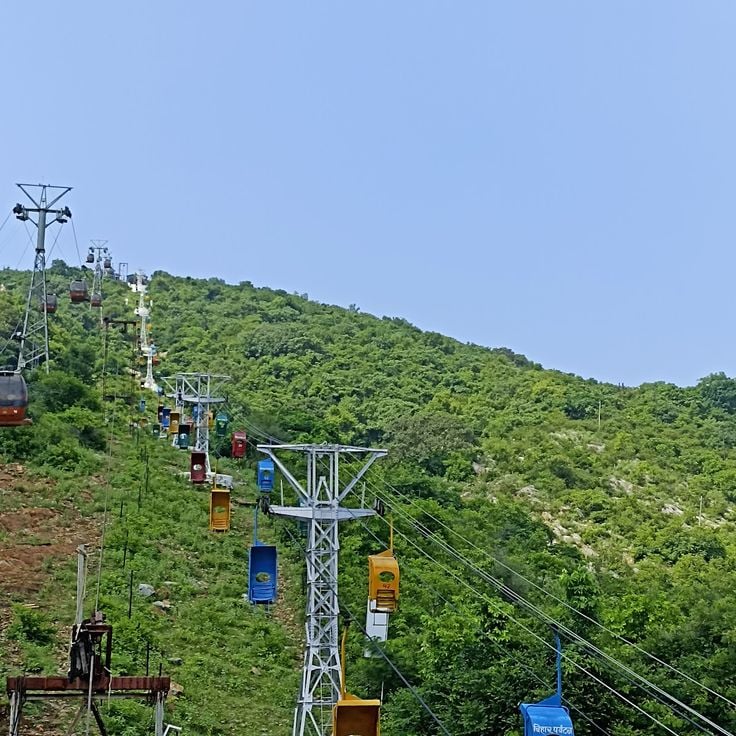
The ropeway of Rajgir offers an aerial view of the hills and landscape surrounding Rajgir. It provides easy access to elevated viewpoints in this region where Buddha once taught and where hot springs have been used for centuries. From the ropeway, visitors can see the mountains that surround Rajgir and explore the area without having to climb on foot.
Vaishali was an important center in ancient India. As a capital and trading city, it drew rulers and merchants. Buddhism flourished here, and Vaishali is considered the birthplace of Mahayana Buddhism. Early democratic assemblies took place at this site. The ruins show remains of temples and stupas from different periods. Visitors can see old foundations and follow the history of this ancient city.
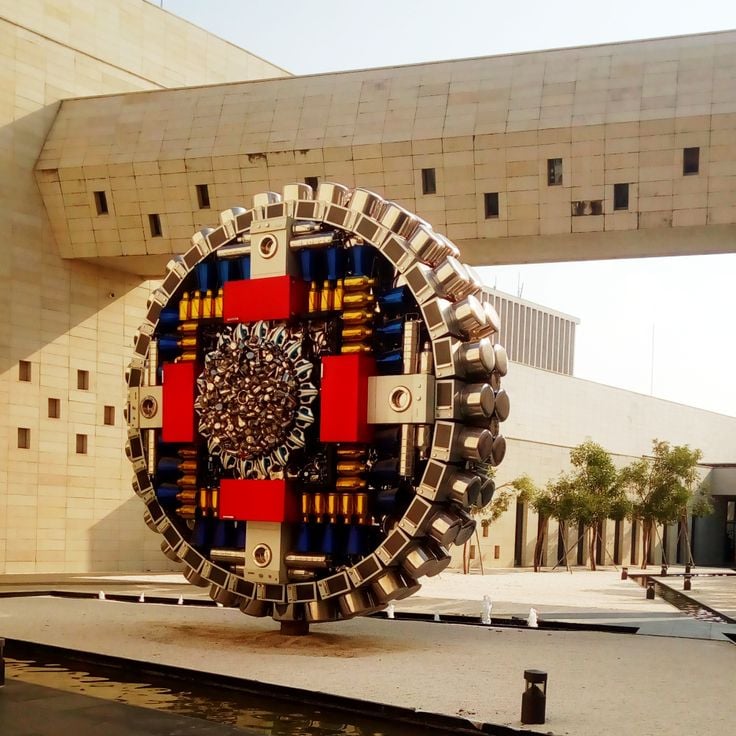
The Bihar Museum in Patna displays the history of this region where Buddhism took shape 2,500 years ago. Here visitors find sculptures and objects from thousands of years of the area's past. The museum helps explain how Patna, as a capital on the Ganges, connects to nearby sacred sites like Bodh Gaya, Nalanda, and Rajgir. The collections also show the natural world of Bihar, its wildlife, and how people lived across the centuries.
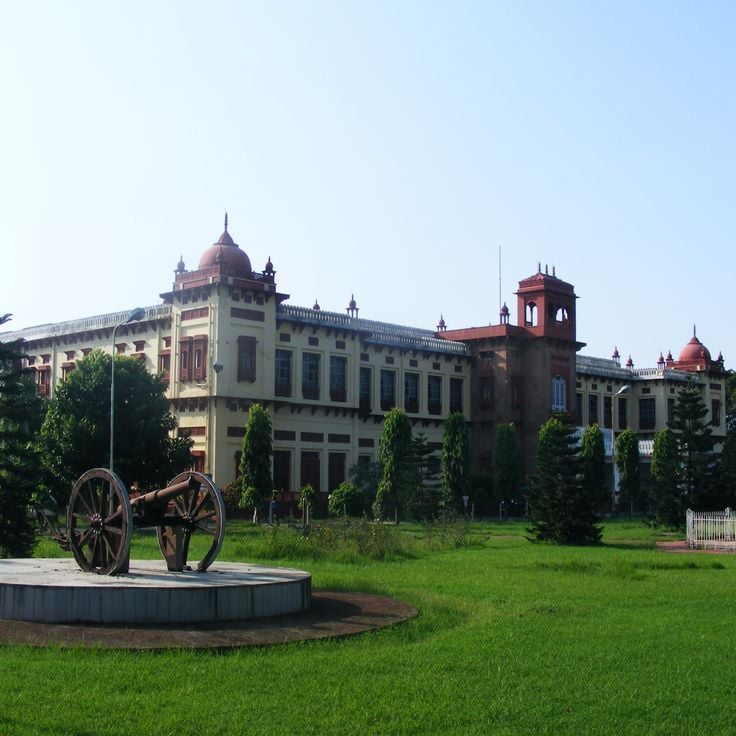
The Patna Museum displays artifacts, sculptures, and artworks from Bihar's history and the ancient Magadha region. Visitors see objects that span different periods and tell the story of this area's cultural development. The collections here connect to the broader history of Bihar, a region where Buddhism took shape and where important political and religious events unfolded over centuries.
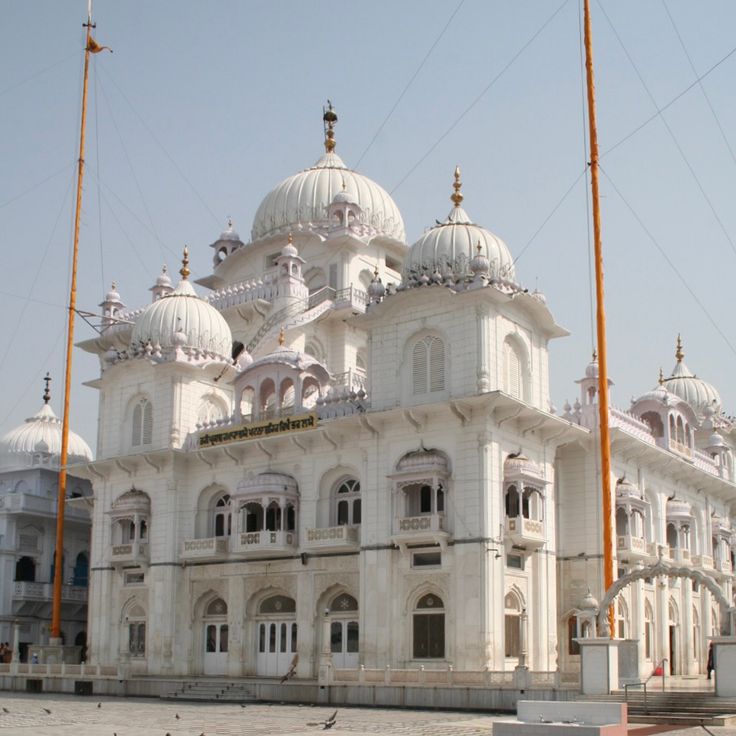
Takht Sri Patna Sahib is one of the most sacred shrines in Sikhism and a major pilgrimage site on the banks of the Ganges River. This white temple rises prominently above the city of Patna and marks the birthplace of Guru Gobind Singh, the tenth Guru of the Sikhs, in 1666. The temple draws pilgrims from around the world who come to pray and honor this important religious figure. The building combines traditional Sikh architectural elements with a commanding presence that can be seen from across the city.
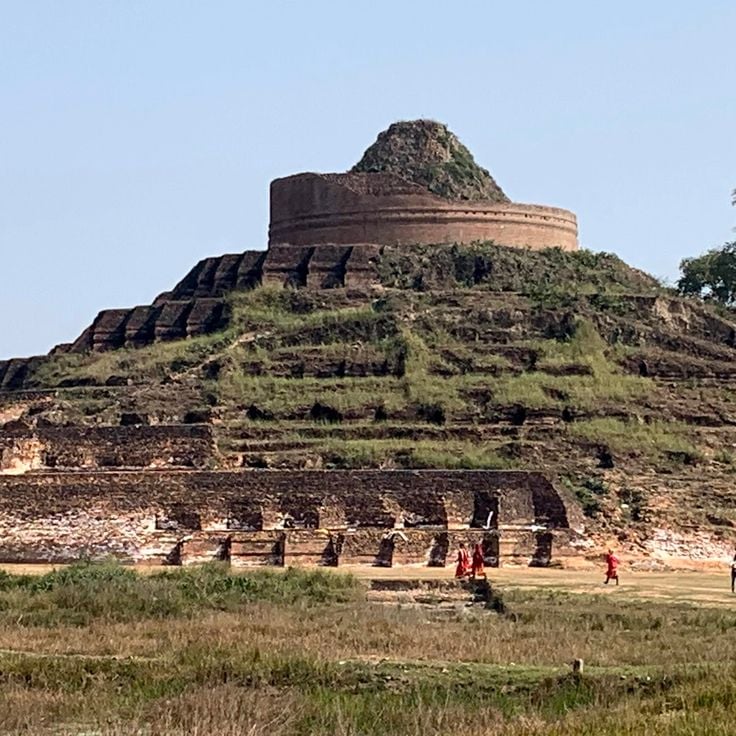
Kesaria Stupa is a monumental brick sanctuary and one of the largest of its kind on the Indian subcontinent. This ancient pilgrimage site reveals the craftsmanship of artisans from past centuries and stands in a landscape shaped by agricultural fields. The stupa connects Bihar's Buddhist history with the daily life of surrounding villages, where farmers work their fields and craftspeople carry forward traditional skills.
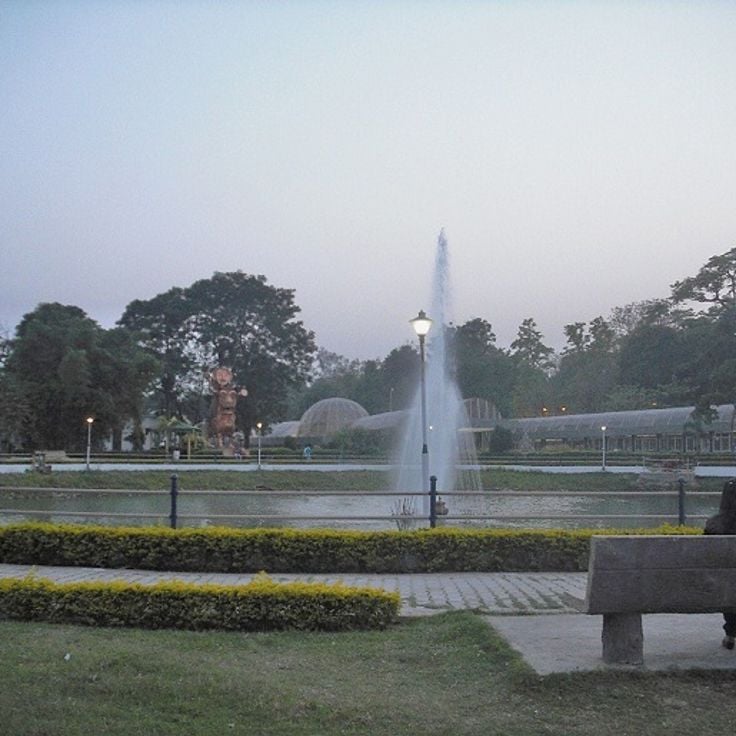
Eco Park in Patna is a green space within the busy city that stretches along the Ganges River. The park has walking paths, maintained gardens, and places to rest. Visitors can escape the city's pace and find nature right in the middle of Patna. Residents use the park to jog in the morning, relax during the day, or take evening walks. It shows how Patna preserves space for nature within the active urban landscape.
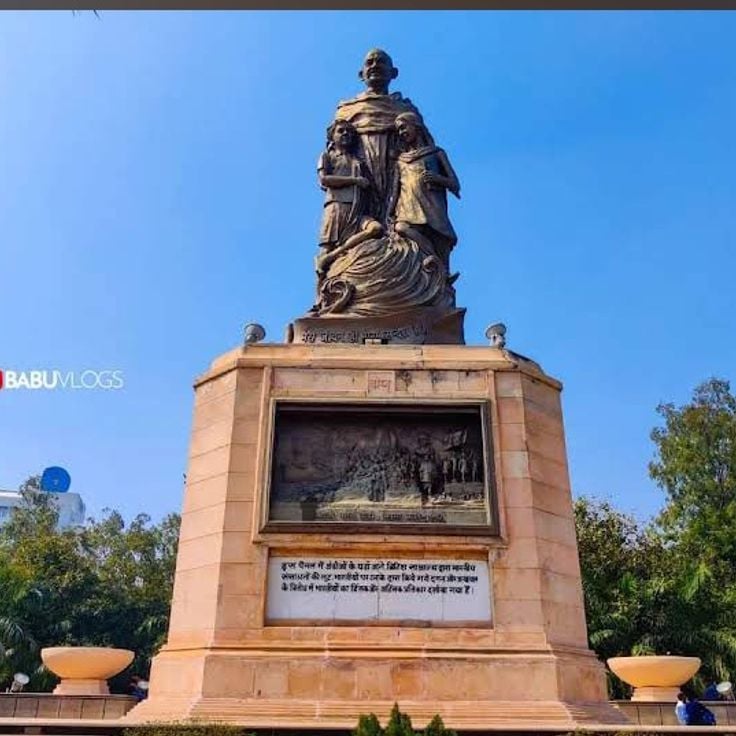
Gandhi Maidan in Patna is a large public square that sits at the center of the city. This space serves as a gathering place where people from all walks of life come together. The square forms the urban heart of Patna, where the rhythm of daily life unfolds. Around the maidan, buildings, shops, and streets create a dynamic environment. It is here that locals and travelers experience the energy of the city.
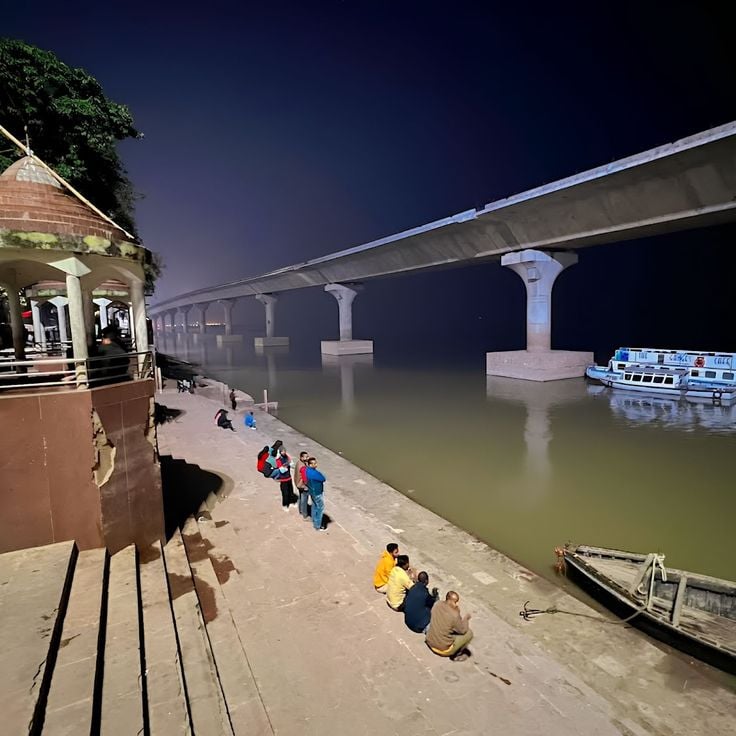
The Ganga Aarti is an evening ritual held on the ghats of the Ganges in Patna. Priests and worshippers gather to light lamps and sing songs that honor the sacred river. Flames flicker across the water while bells ring and music fills the air. Visitors and pilgrims from around the world stand together to witness this religious ceremony. It is a moment when the pace of daily life pauses, and people connect through this shared act of devotion.
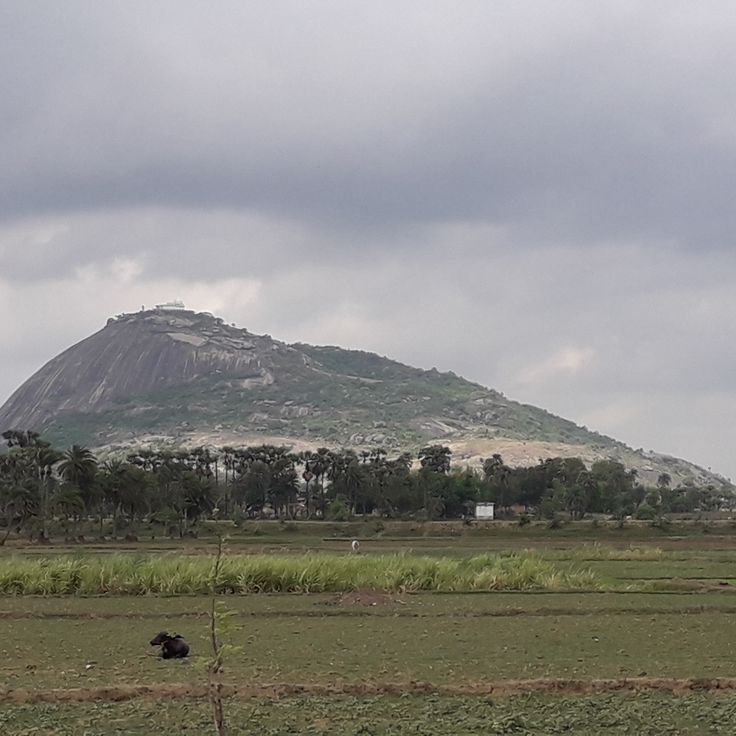
Mandar Hill is a sacred mountain near Banka in Bihar, deeply rooted in Hindu and Jain traditions. Visitors who climb to the summit encounter landscapes connected to religious beliefs. The views from the top stretch across the entire region. Pilgrims come here to pray and reflect. The hike attracts those who want to explore how sacred places link to the natural world, a theme that runs through Bihar's spiritual heritage.
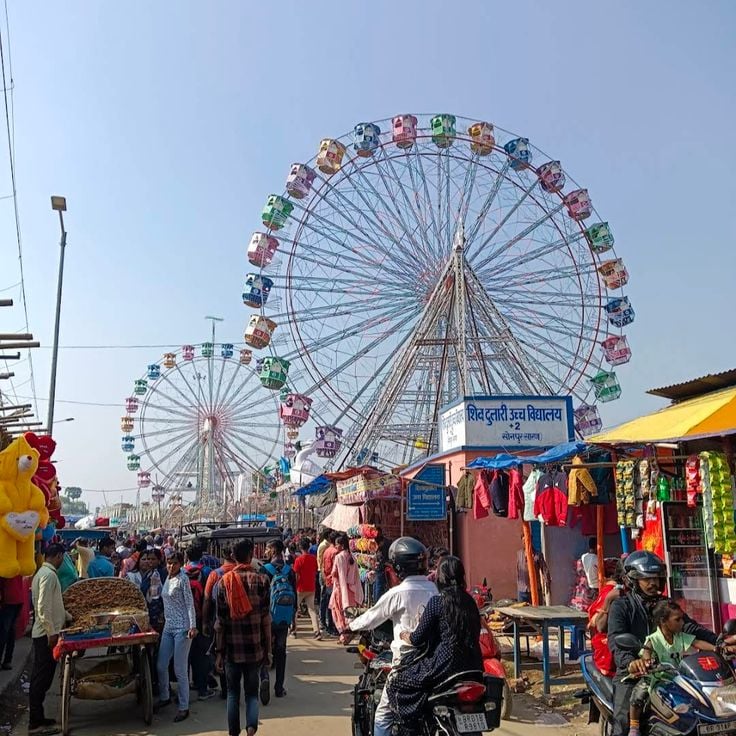
The Sonpur Mela is an annual historical fair that stretches along the Ganges River. It is part of Bihar's Buddhist and cultural heritage alongside religious sites like Bodh Gaya and Nalanda. Merchants, livestock traders, and visitors from many regions gather at this traditional market. The fair pulses with activity: people buy animals, handicrafts, and everyday goods. Cultural events punctuate the year and draw pilgrims and travelers who want to experience life along the sacred river.
Valmiki Nagar is a small town at the entrance to the Valmiki Wildlife Reserve and serves as the main access point to this important forest sanctuary. Located in the Terai region, this town offers visitors their first glimpses of the landscape before entering the reserve, where tigers and elephants live in protected forests. Valmiki Nagar sits between human settlements and the surrounding forest, showing how this area of Bihar transitions from agricultural plains to protected natural spaces.
Rajgir was once the capital of the Magadha kingdom and is an ancient city in Bihar surrounded by sacred hills. It preserves Buddhist and Jain remains. The city lies in a valley between green mountains, where Buddha's teachings still resonate. Visitors discover caves where Buddha taught and thermal springs used for centuries. Pilgrims from around the world come to explore the historical sites. Markets and workshops shape daily life, where residents create and sell traditional goods.
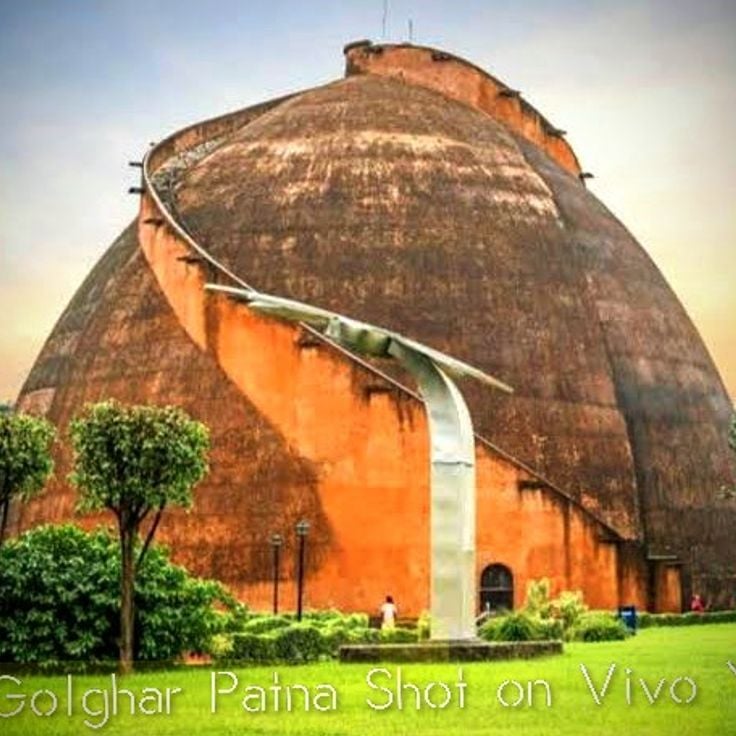
Golghar is a dome-shaped grain storage building constructed in the 18th century in Patna. The structure once served to store grain and features a spiral staircase leading to views over the city. Visitors climb the steps and see Patna spread out beneath their feet along the Ganges River. The building shows the architecture of the colonial period and stands in the busy capital of Bihar, where history and daily life intertwine.
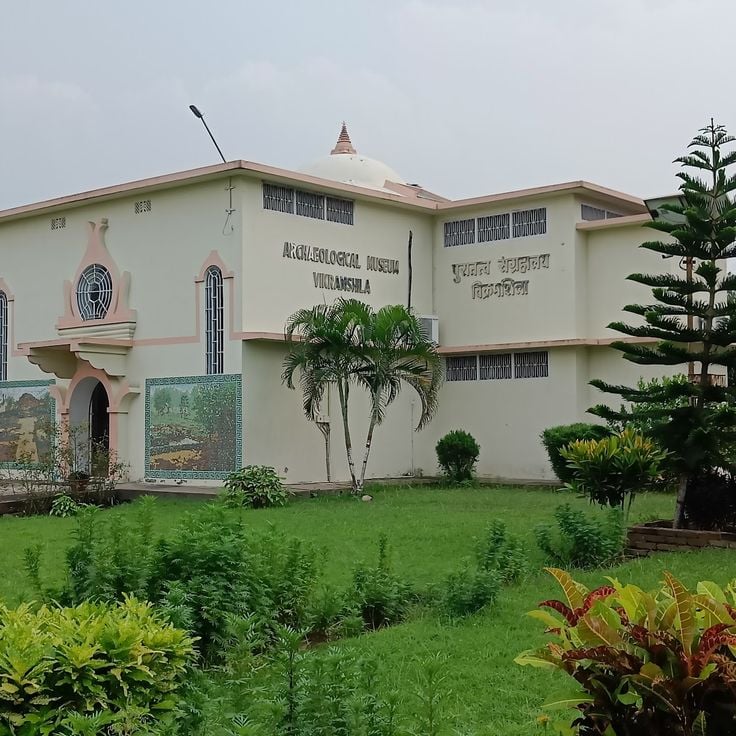
Vikramashila was an important Buddhist university that flourished from the 8th to the 12th century in Bhagalpur. The ruins show remains of buildings and structures that housed thousands of monks who came to study Buddhist philosophy and texts. The site sits on the banks of the Ganges River and is part of Bihar's rich religious history, where Buddhism took shape. Visitors discover archaeological remains that tell the story of intellectual life during this period.
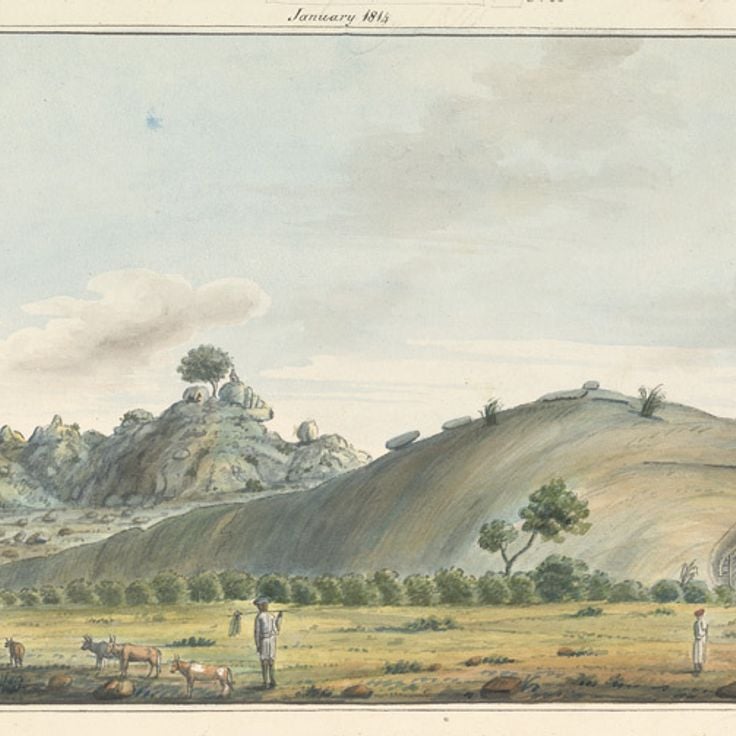
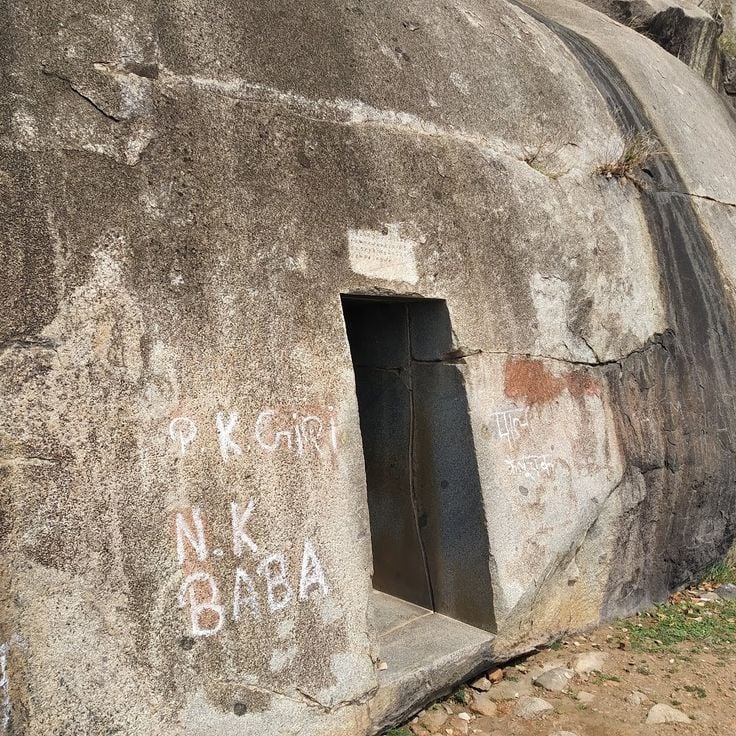
The Barabar Caves are stone chambers cut into rock during the time of Emperor Ashoka. They feature smoothly polished stone surfaces and historical inscriptions. These caves are part of Bihar's oldest stone structures in India. Visitors find simple rooms carved with skilled craftsmanship into the hillside. The inscriptions record the period when the emperor supported Buddhism and had his messages carved into stone for all to see.
The Ajgaivinath Temple in Sultanganj rises above the Ganges from a high vantage point. This ancient sanctuary draws pilgrims who come to worship at this sacred site. The temple overlooks the river and offers views of daily life along the water. Here, religious devotion and the natural landscape come together.
Valmiki Tiger Reserve protects forests where tigers and elephants live. It is part of Bihar's natural heritage, connecting Buddhist sites to the region's wildlife. Visitors can explore the Terai landscapes on safaris that reveal the fauna of the area. The reserve represents the natural side of a region known for its religious and historical sites.
The Kaimur Wildlife Sanctuary in Bihar protects dense forests on the Kaimur Plateau and provides habitat for various wildlife species. The sanctuary shows the natural landscapes of the region, where thick vegetation covers the plateaus and valleys. As part of Bihar's collection of Buddhist sites, archaeological ruins, and nature reserves, this sanctuary demonstrates how the region blends religious history with natural conservation. Visitors encounter forest landscapes alongside the cultural monuments that define this area.
Rohtasgarh Fort is an ancient stronghold that sits on a plateau. It is part of Bihar's sites of Buddhist significance and demonstrates through its ruins the construction methods of earlier centuries. Visitors can see the surrounding landscape from this vantage point. The fort connects this region's history with the religious and political events that shaped the Indian subcontinent.
The Nagarjuni Caves sit near the Barabar Caves and date back to the 3rd century BC. They served as shelters for early Buddhist and Jain monks. The caves contain stone carvings and inscriptions that reveal how different faiths were practiced in this region. These caves are part of a larger group of rock dwellings in Bihar that show how monks lived and worshipped in stone chambers.
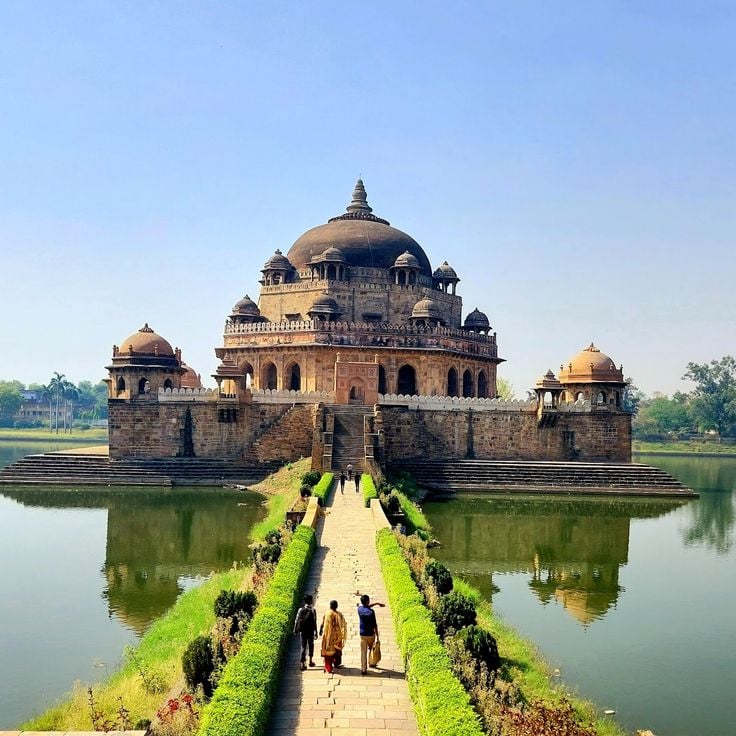
The Sher Shah Suri Tomb in Sasaram is a 16th-century mausoleum that displays Afghan architectural style. Built on an island in a lake, it blends Indian and Islamic design. The monument recalls the reign of Sher Shah Suri, a ruler who built roads and strengthened the region. Visitors see red sandstone towers and learn about an important ruler of that era.
The Vishnupad Temple in Gaya is a significant Hindu shrine dedicated to the god Vishnu. Its octagonal structure was built many centuries ago and stands as a major pilgrimage site. The temple sits on the banks of the Falgu River and draws visitors from around the world. Inside the temple is a footprint that many believers revere as the imprint of Vishnu himself. Every day, bustling markets and pathways surround the temple, bringing together pilgrims and travelers of different backgrounds who come to pay their respects.
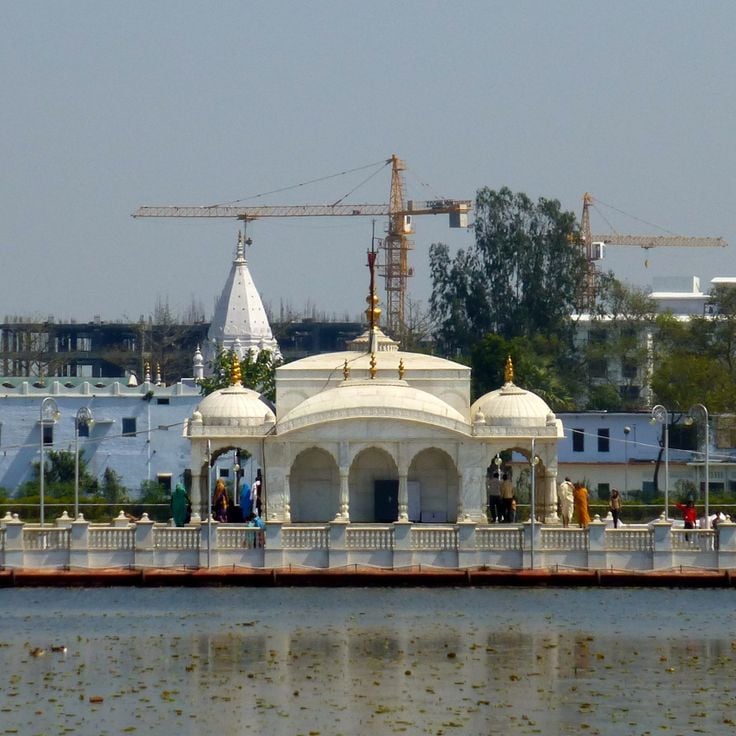
Jal Mandir is a temple built on an island in the lake at Pawapuri. It stands as an important religious site for Jainism. The temple rises from the water, showing how believers constructed sacred spaces in special locations. Visitors reach the temple by walking across a causeway or traveling by boat. The lake surrounding the temple creates a calm setting for prayer and reflection. Pawapuri is located in Bihar, a region that holds significant sites for both Buddhism and Jainism.
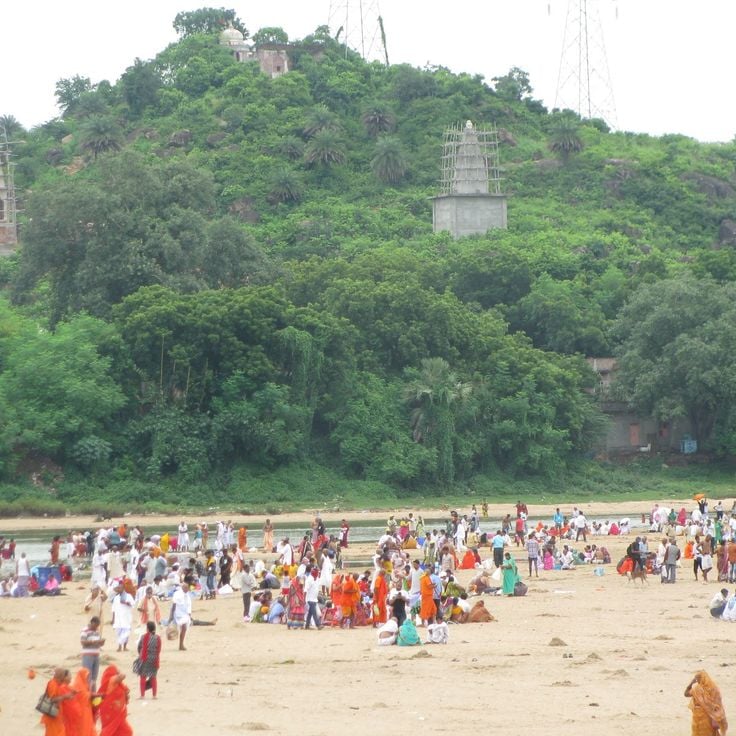
The Falgu River Ghats are steps that line the sacred river in Gaya. They serve as places for pilgrimage and religious ritual. Believers come here to pray and practice ritual bathing. The Ghats are connected to Hinduism and draw people from around the world. The river and its banks are part of the spiritual tradition of this region, which is linked to the history of Buddhism and Indian religions.
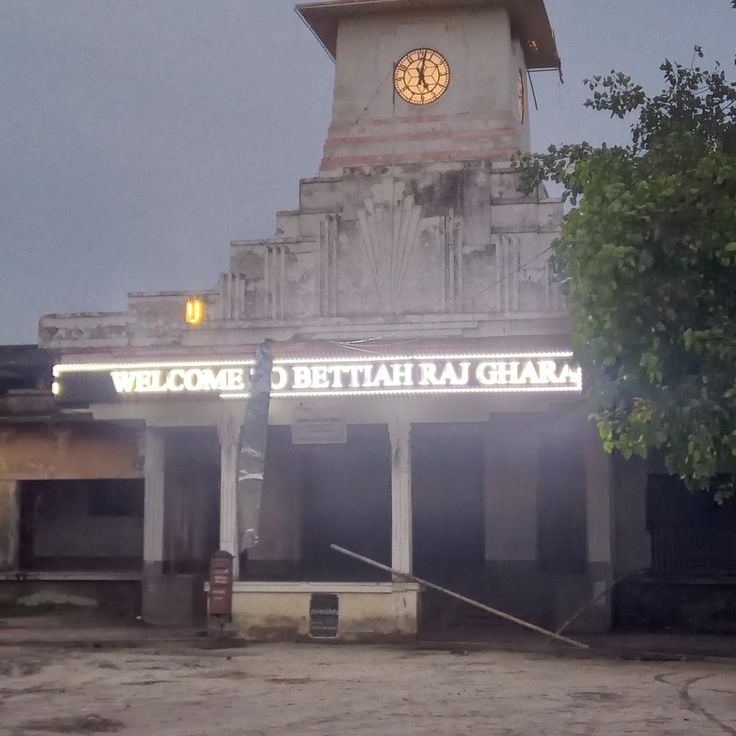
Bettiah Raj is a colonial-era palace in Bihar that reflects the British period of Indian history. The building shows the architectural style of its time, with design features that reveal how colonial rulers lived in this region. The palace sits within a historic zone that preserves traces of this chapter of the past. Walking through it, visitors see how power and daily life were organized during those years.
Lauria Nandangarh is an archaeological site in West Champaran that preserves a pillar built by Emperor Ashoka in the 3rd century BCE. This pillar documents how early Buddhism spread through the Bihar region and shows how ancient rulers supported religious centers. The site gives evidence of a time when Buddhist networks connected across the Indian subcontinent.
This golden Buddha statue dominates Bodh Gaya, the place where about 2,500 years ago Buddha attained enlightenment under a fig tree. The statue is visible from far away and serves as a landmark for pilgrims and visitors who arrive from around the world. It is part of Bihar's Buddhist heritage and helps explain how Buddhism began here before spreading to other regions.
The Vishwa Shanti Stupa is a white peace pagoda built on a hilltop in Rajgir, offering views of the city and surrounding hills. This sacred site draws pilgrims from around the world who come to observe the landscape that shaped early Buddhism. The pagoda stands in a region where Buddha taught and where thermal springs have been used for centuries.
The Sujata Stupa in Bakraur marks the place where Sujata offered rice to the Buddha. This ancient stupa is a major Buddhist pilgrimage site in Bihar. Visitors from around the world come here to connect with the early teachings of Buddhism. The stupa sits in a region where Buddhism took root about 2500 years ago. At this location, pilgrims experience a moment tied to the Buddha's path before he reached enlightenment. The site draws people who seek to understand the spiritual foundations of this religion.
The Bodhi Tree in Bodh Gaya marks the sacred place where Siddhartha Gautama reached enlightenment 2500 years ago beneath this fig tree. The tree grows within a walled sanctuary and draws pilgrims from around the world who come here to meditate and pray. This site connects the spiritual heritage of Bihar with the history of Buddhism in the region.
The Nalanda Archaeological Museum displays objects discovered during excavations of this ancient Buddhist university. Visitors can see sculptures, coins, and artifacts that reveal how thousands of monks studied and lived here between the 5th and 12th centuries. The collection shows traces of daily life, religious practice, and the scholarly activities that took place within these walls. Each piece helps visitors understand the intellectual and spiritual center that Nalanda once was.
Nalanda Mahavihara is a major archaeological site in Bihar that once housed a great Buddhist university. From the 5th to the 12th century, thousands of monks taught and studied within its walls. The ruins today show the remains of monasteries, temples, and learning halls built from brick. This site is inscribed as a World Heritage location and reveals the religious and cultural history of the Indian subcontinent. Visitors can walk among the foundations of buildings and understand how monks from different countries came here to study texts and engage in scholarly discussion.
The Ashokan Pillar in Vaishali is a stone monument built by Emperor Ashoka in the 3rd century before our time. This sandstone pillar bears ancient inscriptions and stands in a place known for India's early democratic assemblies. The monument shows how the emperor spread his messages across his empire and is evidence of the ancient political history of this region.
The ropeway of Rajgir offers an aerial view of the hills and landscape surrounding Rajgir. It provides easy access to elevated viewpoints in this region where Buddha once taught and where hot springs have been used for centuries. From the ropeway, visitors can see the mountains that surround Rajgir and explore the area without having to climb on foot.
Vaishali was an important center in ancient India. As a capital and trading city, it drew rulers and merchants. Buddhism flourished here, and Vaishali is considered the birthplace of Mahayana Buddhism. Early democratic assemblies took place at this site. The ruins show remains of temples and stupas from different periods. Visitors can see old foundations and follow the history of this ancient city.
The Bihar Museum in Patna displays the history of this region where Buddhism took shape 2,500 years ago. Here visitors find sculptures and objects from thousands of years of the area's past. The museum helps explain how Patna, as a capital on the Ganges, connects to nearby sacred sites like Bodh Gaya, Nalanda, and Rajgir. The collections also show the natural world of Bihar, its wildlife, and how people lived across the centuries.
The Patna Museum displays artifacts, sculptures, and artworks from Bihar's history and the ancient Magadha region. Visitors see objects that span different periods and tell the story of this area's cultural development. The collections here connect to the broader history of Bihar, a region where Buddhism took shape and where important political and religious events unfolded over centuries.
Takht Sri Patna Sahib is one of the most sacred shrines in Sikhism and a major pilgrimage site on the banks of the Ganges River. This white temple rises prominently above the city of Patna and marks the birthplace of Guru Gobind Singh, the tenth Guru of the Sikhs, in 1666. The temple draws pilgrims from around the world who come to pray and honor this important religious figure. The building combines traditional Sikh architectural elements with a commanding presence that can be seen from across the city.
Kesaria Stupa is a monumental brick sanctuary and one of the largest of its kind on the Indian subcontinent. This ancient pilgrimage site reveals the craftsmanship of artisans from past centuries and stands in a landscape shaped by agricultural fields. The stupa connects Bihar's Buddhist history with the daily life of surrounding villages, where farmers work their fields and craftspeople carry forward traditional skills.
Eco Park in Patna is a green space within the busy city that stretches along the Ganges River. The park has walking paths, maintained gardens, and places to rest. Visitors can escape the city's pace and find nature right in the middle of Patna. Residents use the park to jog in the morning, relax during the day, or take evening walks. It shows how Patna preserves space for nature within the active urban landscape.
Gandhi Maidan in Patna is a large public square that sits at the center of the city. This space serves as a gathering place where people from all walks of life come together. The square forms the urban heart of Patna, where the rhythm of daily life unfolds. Around the maidan, buildings, shops, and streets create a dynamic environment. It is here that locals and travelers experience the energy of the city.
The Ganga Aarti is an evening ritual held on the ghats of the Ganges in Patna. Priests and worshippers gather to light lamps and sing songs that honor the sacred river. Flames flicker across the water while bells ring and music fills the air. Visitors and pilgrims from around the world stand together to witness this religious ceremony. It is a moment when the pace of daily life pauses, and people connect through this shared act of devotion.
Mandar Hill is a sacred mountain near Banka in Bihar, deeply rooted in Hindu and Jain traditions. Visitors who climb to the summit encounter landscapes connected to religious beliefs. The views from the top stretch across the entire region. Pilgrims come here to pray and reflect. The hike attracts those who want to explore how sacred places link to the natural world, a theme that runs through Bihar's spiritual heritage.
The Sonpur Mela is an annual historical fair that stretches along the Ganges River. It is part of Bihar's Buddhist and cultural heritage alongside religious sites like Bodh Gaya and Nalanda. Merchants, livestock traders, and visitors from many regions gather at this traditional market. The fair pulses with activity: people buy animals, handicrafts, and everyday goods. Cultural events punctuate the year and draw pilgrims and travelers who want to experience life along the sacred river.
Valmiki Nagar is a small town at the entrance to the Valmiki Wildlife Reserve and serves as the main access point to this important forest sanctuary. Located in the Terai region, this town offers visitors their first glimpses of the landscape before entering the reserve, where tigers and elephants live in protected forests. Valmiki Nagar sits between human settlements and the surrounding forest, showing how this area of Bihar transitions from agricultural plains to protected natural spaces.
Rajgir was once the capital of the Magadha kingdom and is an ancient city in Bihar surrounded by sacred hills. It preserves Buddhist and Jain remains. The city lies in a valley between green mountains, where Buddha's teachings still resonate. Visitors discover caves where Buddha taught and thermal springs used for centuries. Pilgrims from around the world come to explore the historical sites. Markets and workshops shape daily life, where residents create and sell traditional goods.
Golghar is a dome-shaped grain storage building constructed in the 18th century in Patna. The structure once served to store grain and features a spiral staircase leading to views over the city. Visitors climb the steps and see Patna spread out beneath their feet along the Ganges River. The building shows the architecture of the colonial period and stands in the busy capital of Bihar, where history and daily life intertwine.
Vikramashila was an important Buddhist university that flourished from the 8th to the 12th century in Bhagalpur. The ruins show remains of buildings and structures that housed thousands of monks who came to study Buddhist philosophy and texts. The site sits on the banks of the Ganges River and is part of Bihar's rich religious history, where Buddhism took shape. Visitors discover archaeological remains that tell the story of intellectual life during this period.
The Barabar Caves are stone chambers cut into rock during the time of Emperor Ashoka. They feature smoothly polished stone surfaces and historical inscriptions. These caves are part of Bihar's oldest stone structures in India. Visitors find simple rooms carved with skilled craftsmanship into the hillside. The inscriptions record the period when the emperor supported Buddhism and had his messages carved into stone for all to see.
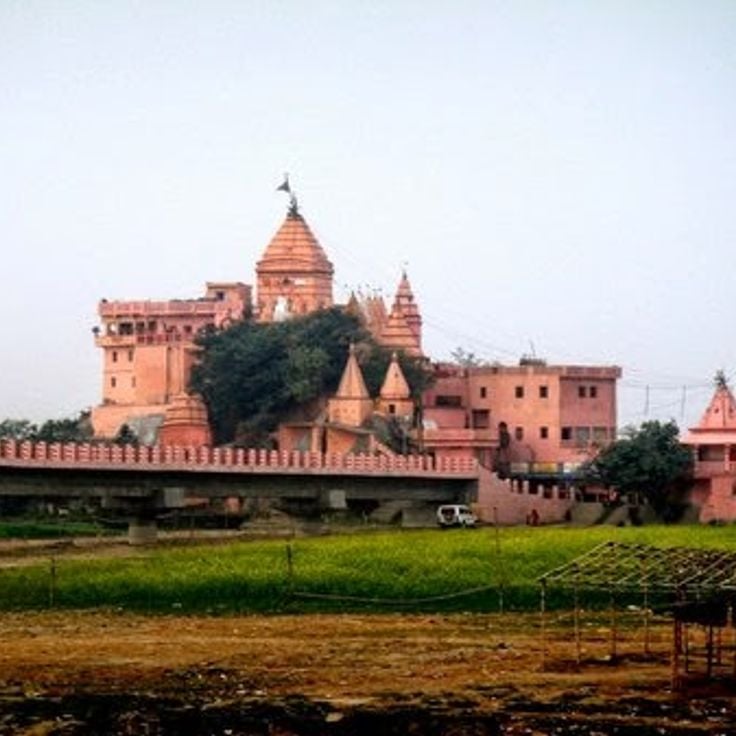
The Ajgaivinath Temple in Sultanganj rises above the Ganges from a high vantage point. This ancient sanctuary draws pilgrims who come to worship at this sacred site. The temple overlooks the river and offers views of daily life along the water. Here, religious devotion and the natural landscape come together.
Valmiki Tiger Reserve protects forests where tigers and elephants live. It is part of Bihar's natural heritage, connecting Buddhist sites to the region's wildlife. Visitors can explore the Terai landscapes on safaris that reveal the fauna of the area. The reserve represents the natural side of a region known for its religious and historical sites.
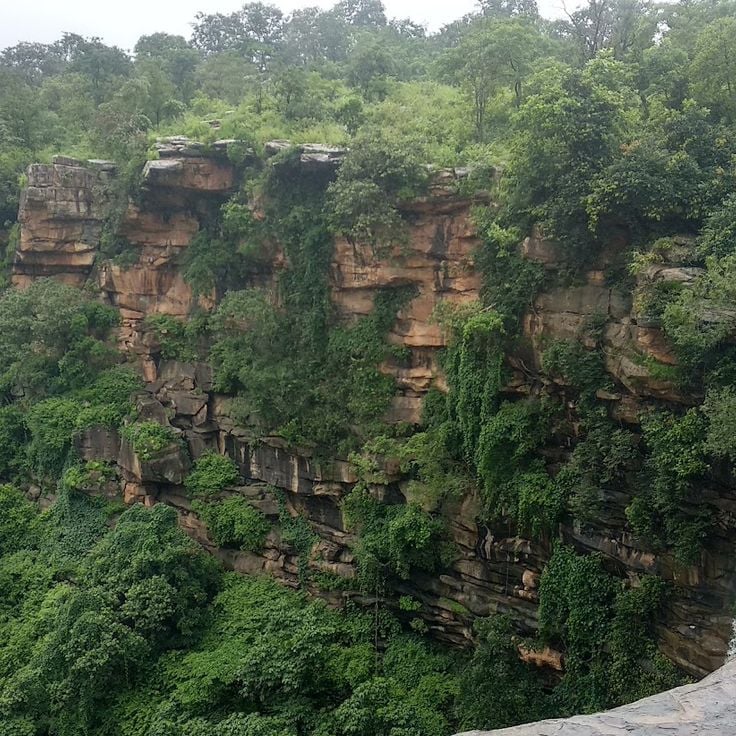
The Kaimur Wildlife Sanctuary in Bihar protects dense forests on the Kaimur Plateau and provides habitat for various wildlife species. The sanctuary shows the natural landscapes of the region, where thick vegetation covers the plateaus and valleys. As part of Bihar's collection of Buddhist sites, archaeological ruins, and nature reserves, this sanctuary demonstrates how the region blends religious history with natural conservation. Visitors encounter forest landscapes alongside the cultural monuments that define this area.
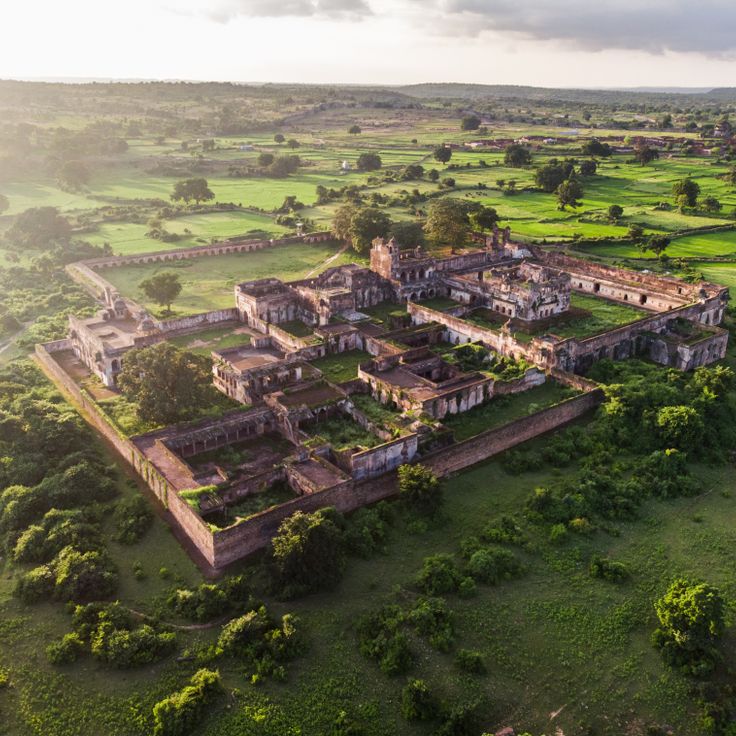
Rohtasgarh Fort is an ancient stronghold that sits on a plateau. It is part of Bihar's sites of Buddhist significance and demonstrates through its ruins the construction methods of earlier centuries. Visitors can see the surrounding landscape from this vantage point. The fort connects this region's history with the religious and political events that shaped the Indian subcontinent.
The Nagarjuni Caves sit near the Barabar Caves and date back to the 3rd century BC. They served as shelters for early Buddhist and Jain monks. The caves contain stone carvings and inscriptions that reveal how different faiths were practiced in this region. These caves are part of a larger group of rock dwellings in Bihar that show how monks lived and worshipped in stone chambers.
The Sher Shah Suri Tomb in Sasaram is a 16th-century mausoleum that displays Afghan architectural style. Built on an island in a lake, it blends Indian and Islamic design. The monument recalls the reign of Sher Shah Suri, a ruler who built roads and strengthened the region. Visitors see red sandstone towers and learn about an important ruler of that era.
The Vishnupad Temple in Gaya is a significant Hindu shrine dedicated to the god Vishnu. Its octagonal structure was built many centuries ago and stands as a major pilgrimage site. The temple sits on the banks of the Falgu River and draws visitors from around the world. Inside the temple is a footprint that many believers revere as the imprint of Vishnu himself. Every day, bustling markets and pathways surround the temple, bringing together pilgrims and travelers of different backgrounds who come to pay their respects.
Jal Mandir is a temple built on an island in the lake at Pawapuri. It stands as an important religious site for Jainism. The temple rises from the water, showing how believers constructed sacred spaces in special locations. Visitors reach the temple by walking across a causeway or traveling by boat. The lake surrounding the temple creates a calm setting for prayer and reflection. Pawapuri is located in Bihar, a region that holds significant sites for both Buddhism and Jainism.
The Falgu River Ghats are steps that line the sacred river in Gaya. They serve as places for pilgrimage and religious ritual. Believers come here to pray and practice ritual bathing. The Ghats are connected to Hinduism and draw people from around the world. The river and its banks are part of the spiritual tradition of this region, which is linked to the history of Buddhism and Indian religions.
Bettiah Raj is a colonial-era palace in Bihar that reflects the British period of Indian history. The building shows the architectural style of its time, with design features that reveal how colonial rulers lived in this region. The palace sits within a historic zone that preserves traces of this chapter of the past. Walking through it, visitors see how power and daily life were organized during those years.
Lauria Nandangarh is an archaeological site in West Champaran that preserves a pillar built by Emperor Ashoka in the 3rd century BCE. This pillar documents how early Buddhism spread through the Bihar region and shows how ancient rulers supported religious centers. The site gives evidence of a time when Buddhist networks connected across the Indian subcontinent.
This golden Buddha statue dominates Bodh Gaya, the place where about 2,500 years ago Buddha attained enlightenment under a fig tree. The statue is visible from far away and serves as a landmark for pilgrims and visitors who arrive from around the world. It is part of Bihar's Buddhist heritage and helps explain how Buddhism began here before spreading to other regions.
The Vishwa Shanti Stupa is a white peace pagoda built on a hilltop in Rajgir, offering views of the city and surrounding hills. This sacred site draws pilgrims from around the world who come to observe the landscape that shaped early Buddhism. The pagoda stands in a region where Buddha taught and where thermal springs have been used for centuries.
The Sujata Stupa in Bakraur marks the place where Sujata offered rice to the Buddha. This ancient stupa is a major Buddhist pilgrimage site in Bihar. Visitors from around the world come here to connect with the early teachings of Buddhism. The stupa sits in a region where Buddhism took root about 2500 years ago. At this location, pilgrims experience a moment tied to the Buddha's path before he reached enlightenment. The site draws people who seek to understand the spiritual foundations of this religion.
The Bodhi Tree in Bodh Gaya marks the sacred place where Siddhartha Gautama reached enlightenment 2500 years ago beneath this fig tree. The tree grows within a walled sanctuary and draws pilgrims from around the world who come here to meditate and pray. This site connects the spiritual heritage of Bihar with the history of Buddhism in the region.
The Nalanda Archaeological Museum displays objects discovered during excavations of this ancient Buddhist university. Visitors can see sculptures, coins, and artifacts that reveal how thousands of monks studied and lived here between the 5th and 12th centuries. The collection shows traces of daily life, religious practice, and the scholarly activities that took place within these walls. Each piece helps visitors understand the intellectual and spiritual center that Nalanda once was.
Nalanda Mahavihara is a major archaeological site in Bihar that once housed a great Buddhist university. From the 5th to the 12th century, thousands of monks taught and studied within its walls. The ruins today show the remains of monasteries, temples, and learning halls built from brick. This site is inscribed as a World Heritage location and reveals the religious and cultural history of the Indian subcontinent. Visitors can walk among the foundations of buildings and understand how monks from different countries came here to study texts and engage in scholarly discussion.
The Ashokan Pillar in Vaishali is a stone monument built by Emperor Ashoka in the 3rd century before our time. This sandstone pillar bears ancient inscriptions and stands in a place known for India's early democratic assemblies. The monument shows how the emperor spread his messages across his empire and is evidence of the ancient political history of this region.
The ropeway of Rajgir offers an aerial view of the hills and landscape surrounding Rajgir. It provides easy access to elevated viewpoints in this region where Buddha once taught and where hot springs have been used for centuries. From the ropeway, visitors can see the mountains that surround Rajgir and explore the area without having to climb on foot.
Vaishali was an important center in ancient India. As a capital and trading city, it drew rulers and merchants. Buddhism flourished here, and Vaishali is considered the birthplace of Mahayana Buddhism. Early democratic assemblies took place at this site. The ruins show remains of temples and stupas from different periods. Visitors can see old foundations and follow the history of this ancient city.
The Bihar Museum in Patna displays the history of this region where Buddhism took shape 2,500 years ago. Here visitors find sculptures and objects from thousands of years of the area's past. The museum helps explain how Patna, as a capital on the Ganges, connects to nearby sacred sites like Bodh Gaya, Nalanda, and Rajgir. The collections also show the natural world of Bihar, its wildlife, and how people lived across the centuries.
The Patna Museum displays artifacts, sculptures, and artworks from Bihar's history and the ancient Magadha region. Visitors see objects that span different periods and tell the story of this area's cultural development. The collections here connect to the broader history of Bihar, a region where Buddhism took shape and where important political and religious events unfolded over centuries.
Takht Sri Patna Sahib is one of the most sacred shrines in Sikhism and a major pilgrimage site on the banks of the Ganges River. This white temple rises prominently above the city of Patna and marks the birthplace of Guru Gobind Singh, the tenth Guru of the Sikhs, in 1666. The temple draws pilgrims from around the world who come to pray and honor this important religious figure. The building combines traditional Sikh architectural elements with a commanding presence that can be seen from across the city.
Kesaria Stupa is a monumental brick sanctuary and one of the largest of its kind on the Indian subcontinent. This ancient pilgrimage site reveals the craftsmanship of artisans from past centuries and stands in a landscape shaped by agricultural fields. The stupa connects Bihar's Buddhist history with the daily life of surrounding villages, where farmers work their fields and craftspeople carry forward traditional skills.
Eco Park in Patna is a green space within the busy city that stretches along the Ganges River. The park has walking paths, maintained gardens, and places to rest. Visitors can escape the city's pace and find nature right in the middle of Patna. Residents use the park to jog in the morning, relax during the day, or take evening walks. It shows how Patna preserves space for nature within the active urban landscape.
Gandhi Maidan in Patna is a large public square that sits at the center of the city. This space serves as a gathering place where people from all walks of life come together. The square forms the urban heart of Patna, where the rhythm of daily life unfolds. Around the maidan, buildings, shops, and streets create a dynamic environment. It is here that locals and travelers experience the energy of the city.
The Ganga Aarti is an evening ritual held on the ghats of the Ganges in Patna. Priests and worshippers gather to light lamps and sing songs that honor the sacred river. Flames flicker across the water while bells ring and music fills the air. Visitors and pilgrims from around the world stand together to witness this religious ceremony. It is a moment when the pace of daily life pauses, and people connect through this shared act of devotion.
Mandar Hill is a sacred mountain near Banka in Bihar, deeply rooted in Hindu and Jain traditions. Visitors who climb to the summit encounter landscapes connected to religious beliefs. The views from the top stretch across the entire region. Pilgrims come here to pray and reflect. The hike attracts those who want to explore how sacred places link to the natural world, a theme that runs through Bihar's spiritual heritage.
The Sonpur Mela is an annual historical fair that stretches along the Ganges River. It is part of Bihar's Buddhist and cultural heritage alongside religious sites like Bodh Gaya and Nalanda. Merchants, livestock traders, and visitors from many regions gather at this traditional market. The fair pulses with activity: people buy animals, handicrafts, and everyday goods. Cultural events punctuate the year and draw pilgrims and travelers who want to experience life along the sacred river.
Valmiki Nagar is a small town at the entrance to the Valmiki Wildlife Reserve and serves as the main access point to this important forest sanctuary. Located in the Terai region, this town offers visitors their first glimpses of the landscape before entering the reserve, where tigers and elephants live in protected forests. Valmiki Nagar sits between human settlements and the surrounding forest, showing how this area of Bihar transitions from agricultural plains to protected natural spaces.
Rajgir was once the capital of the Magadha kingdom and is an ancient city in Bihar surrounded by sacred hills. It preserves Buddhist and Jain remains. The city lies in a valley between green mountains, where Buddha's teachings still resonate. Visitors discover caves where Buddha taught and thermal springs used for centuries. Pilgrims from around the world come to explore the historical sites. Markets and workshops shape daily life, where residents create and sell traditional goods.
Golghar is a dome-shaped grain storage building constructed in the 18th century in Patna. The structure once served to store grain and features a spiral staircase leading to views over the city. Visitors climb the steps and see Patna spread out beneath their feet along the Ganges River. The building shows the architecture of the colonial period and stands in the busy capital of Bihar, where history and daily life intertwine.
Vikramashila was an important Buddhist university that flourished from the 8th to the 12th century in Bhagalpur. The ruins show remains of buildings and structures that housed thousands of monks who came to study Buddhist philosophy and texts. The site sits on the banks of the Ganges River and is part of Bihar's rich religious history, where Buddhism took shape. Visitors discover archaeological remains that tell the story of intellectual life during this period.
The Barabar Caves are stone chambers cut into rock during the time of Emperor Ashoka. They feature smoothly polished stone surfaces and historical inscriptions. These caves are part of Bihar's oldest stone structures in India. Visitors find simple rooms carved with skilled craftsmanship into the hillside. The inscriptions record the period when the emperor supported Buddhism and had his messages carved into stone for all to see.
The Ajgaivinath Temple in Sultanganj rises above the Ganges from a high vantage point. This ancient sanctuary draws pilgrims who come to worship at this sacred site. The temple overlooks the river and offers views of daily life along the water. Here, religious devotion and the natural landscape come together.
Valmiki Tiger Reserve protects forests where tigers and elephants live. It is part of Bihar's natural heritage, connecting Buddhist sites to the region's wildlife. Visitors can explore the Terai landscapes on safaris that reveal the fauna of the area. The reserve represents the natural side of a region known for its religious and historical sites.
The Kaimur Wildlife Sanctuary in Bihar protects dense forests on the Kaimur Plateau and provides habitat for various wildlife species. The sanctuary shows the natural landscapes of the region, where thick vegetation covers the plateaus and valleys. As part of Bihar's collection of Buddhist sites, archaeological ruins, and nature reserves, this sanctuary demonstrates how the region blends religious history with natural conservation. Visitors encounter forest landscapes alongside the cultural monuments that define this area.
Rohtasgarh Fort is an ancient stronghold that sits on a plateau. It is part of Bihar's sites of Buddhist significance and demonstrates through its ruins the construction methods of earlier centuries. Visitors can see the surrounding landscape from this vantage point. The fort connects this region's history with the religious and political events that shaped the Indian subcontinent.
The Nagarjuni Caves sit near the Barabar Caves and date back to the 3rd century BC. They served as shelters for early Buddhist and Jain monks. The caves contain stone carvings and inscriptions that reveal how different faiths were practiced in this region. These caves are part of a larger group of rock dwellings in Bihar that show how monks lived and worshipped in stone chambers.
The Sher Shah Suri Tomb in Sasaram is a 16th-century mausoleum that displays Afghan architectural style. Built on an island in a lake, it blends Indian and Islamic design. The monument recalls the reign of Sher Shah Suri, a ruler who built roads and strengthened the region. Visitors see red sandstone towers and learn about an important ruler of that era.
The Vishnupad Temple in Gaya is a significant Hindu shrine dedicated to the god Vishnu. Its octagonal structure was built many centuries ago and stands as a major pilgrimage site. The temple sits on the banks of the Falgu River and draws visitors from around the world. Inside the temple is a footprint that many believers revere as the imprint of Vishnu himself. Every day, bustling markets and pathways surround the temple, bringing together pilgrims and travelers of different backgrounds who come to pay their respects.
Jal Mandir is a temple built on an island in the lake at Pawapuri. It stands as an important religious site for Jainism. The temple rises from the water, showing how believers constructed sacred spaces in special locations. Visitors reach the temple by walking across a causeway or traveling by boat. The lake surrounding the temple creates a calm setting for prayer and reflection. Pawapuri is located in Bihar, a region that holds significant sites for both Buddhism and Jainism.
The Falgu River Ghats are steps that line the sacred river in Gaya. They serve as places for pilgrimage and religious ritual. Believers come here to pray and practice ritual bathing. The Ghats are connected to Hinduism and draw people from around the world. The river and its banks are part of the spiritual tradition of this region, which is linked to the history of Buddhism and Indian religions.
Bettiah Raj is a colonial-era palace in Bihar that reflects the British period of Indian history. The building shows the architectural style of its time, with design features that reveal how colonial rulers lived in this region. The palace sits within a historic zone that preserves traces of this chapter of the past. Walking through it, visitors see how power and daily life were organized during those years.
Lauria Nandangarh is an archaeological site in West Champaran that preserves a pillar built by Emperor Ashoka in the 3rd century BCE. This pillar documents how early Buddhism spread through the Bihar region and shows how ancient rulers supported religious centers. The site gives evidence of a time when Buddhist networks connected across the Indian subcontinent.