See the monuments around you in AROpen chests in the app
Around Us is built for your phone — point your camera at the streets and discover the monuments and places around you in augmented reality.Around Us is built for your phone — chests unlock when you walk, explore and capture nearby places.
The palaces of the maharajas tell the story of a royal India where design and richness merged with desert lands and lakes.
A collection of about twenty grand and historic palaces across India, showing the splendor and wealth of the princely times. These royal homes, mainly in Rajasthan but also in southern and central India, keep the elaborate architecture and cultural history of the Indian princely states.
The palaces of the maharajas tell the story of a royal India where design and richness merged with desert lands and lakes.
A collection of about twenty grand and historic palaces across India, showing the splendor and wealth of the princely times. These royal homes, mainly in Rajasthan but also in southern and central India, keep the elaborate architecture and cultural history of the Indian princely states.
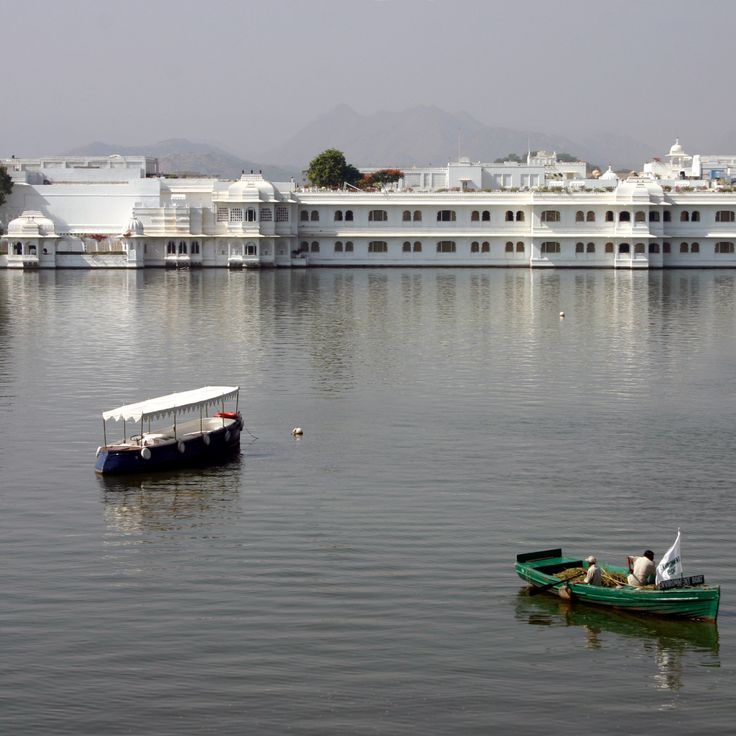
Lake Palace in Udaipur is a white marble palace situated on an island in Pichola Lake. It served as a summer residence for the Maharajas of Udaipur and was a place where the royal family retreated during the hot season. Today the palace operates as a luxury hotel while maintaining the royal architecture and design of the princely state period. The structure reflects the wealth and craftsmanship of Rajasthan's royal heritage.
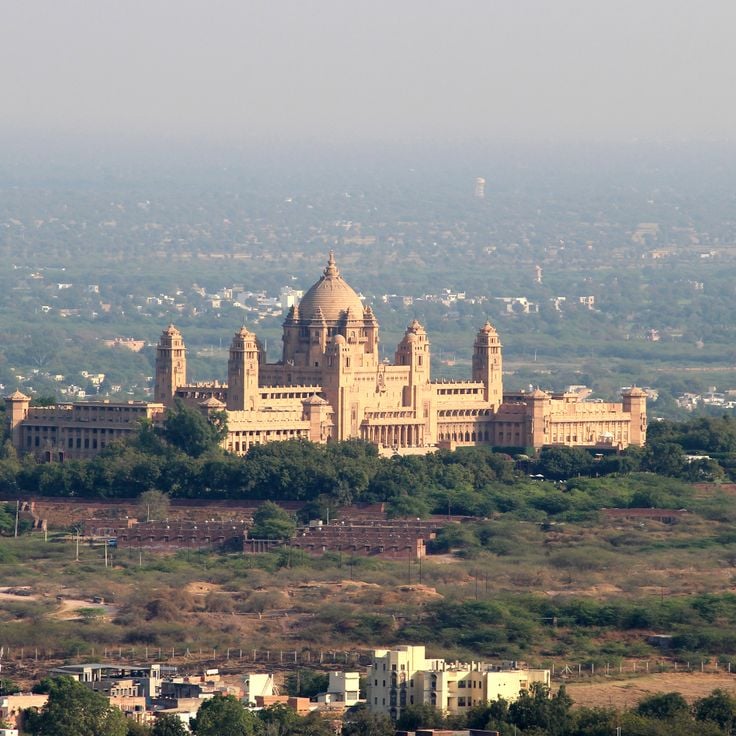
The Umaid Bhawan Palace is a monumental building made of pink sandstone with geometric forms, built in the early 20th century in Jodhpur. This palace shows the wealth and power of the maharaja era and stands as one of the grandest structures in Rajasthan.
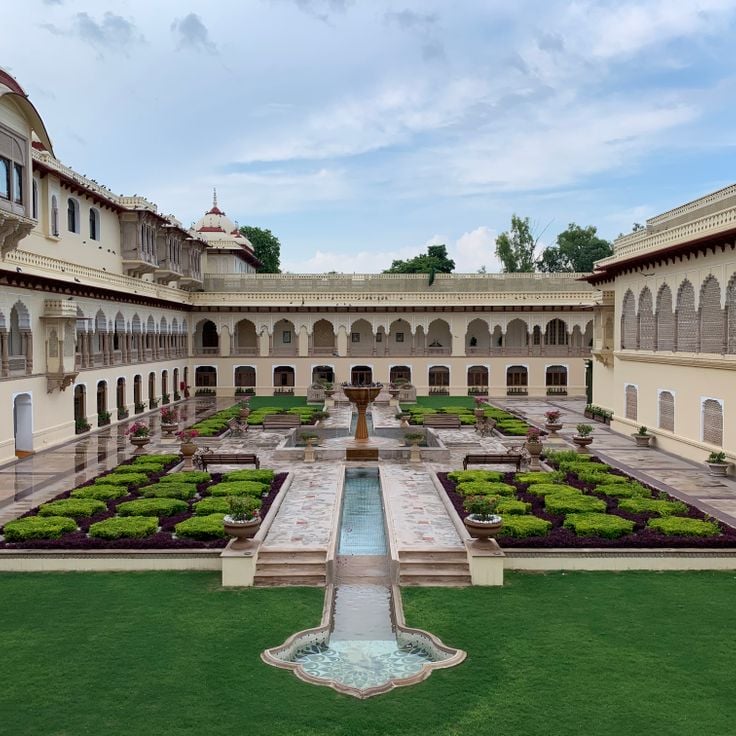
Rambagh Palace in Jaipur is a royal palace from the 19th century that once served as the residence of the maharaja. Today it operates as a luxury hotel while preserving the opulent architecture and gardens from the princely state era. The building reflects the grandeur and wealth of Indian court life during that time.
The City Palace in Jaipur is an 18th century palace complex that blends Hindu and Mughal architectural styles. The building remains partially occupied by the royal family and demonstrates the rich architectural language from the era of Indian princely states.
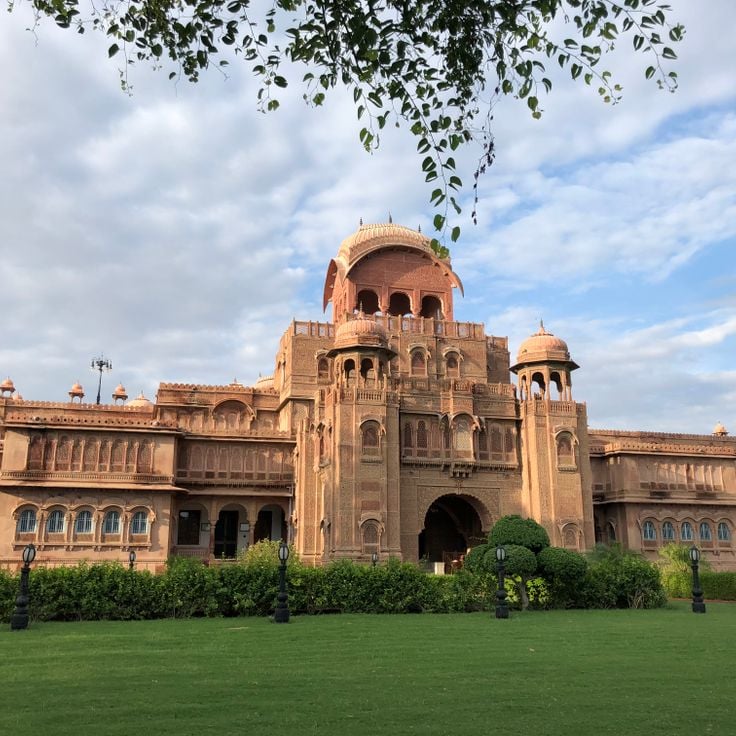
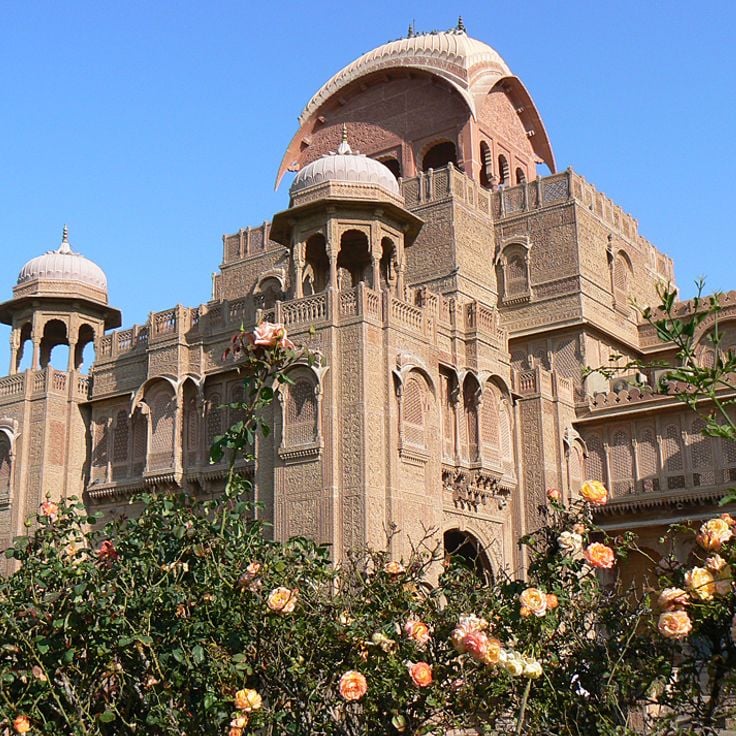
The Laxmi Niwas Palace in Bikaner is a 19th-century palace built from pink sandstone. This palace features crenellated towers and richly decorated interiors that reflect the opulence of the princely era. It served as the residence of the maharaja and represents the architectural grandeur of the royal states that once ruled parts of India.
Gajner Palace sits at the edge of the Thar Desert near Bikaner and was once a hunting lodge of the maharaja. The building features ochre and white facades that stand out against the sandy landscape. The palace shows how the princely rulers of that era built and lived, and it remains a testament to their royal past.
Lalgarh Palace in Bikaner was built in the early 20th century as a royal residence that combines British and Indian architectural styles. The palace features pale yellow walls and sprawling courtyards that reflect the grandeur of the princely state era. The structure shows how Indian rulers incorporated European design elements into their traditional palaces while maintaining local building traditions.
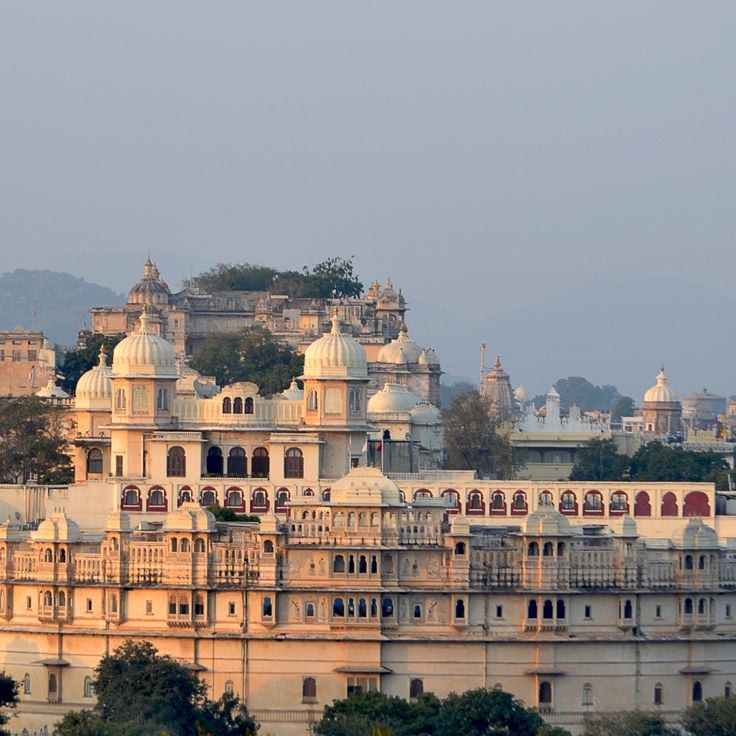
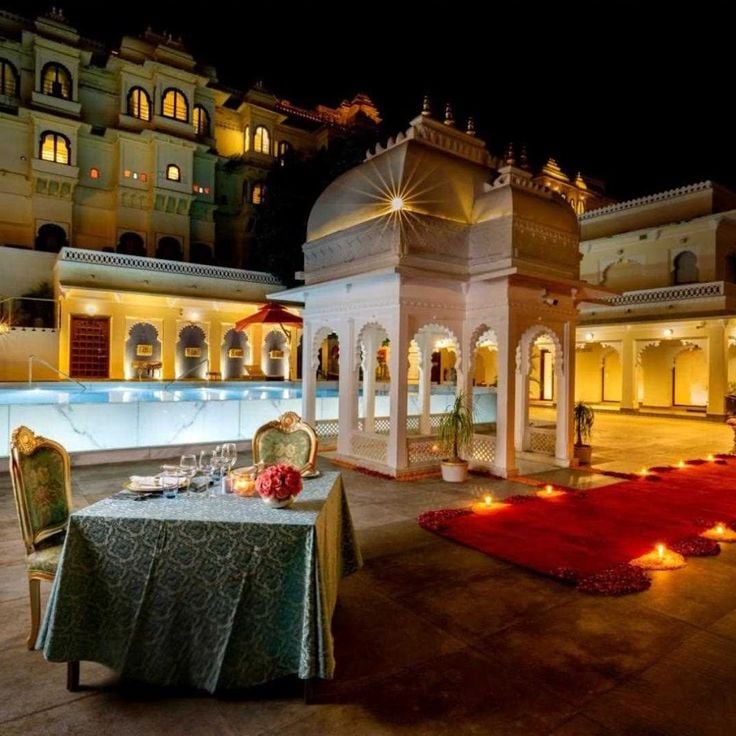
The Shiv Niwas Palace in Udaipur was once the residence of the maharaja. This royal palace features luxurious rooms and terraces that overlook Lake Pichola. The architecture shows the grandeur and elegance that defined the princely era.
The Fateh Prakash Palace is a historic palace in Udaipur with ornate facades and richly decorated interiors that once served as a royal residence. The building reflects the grandeur of the princely state era through its architectural details and craftsmanship.
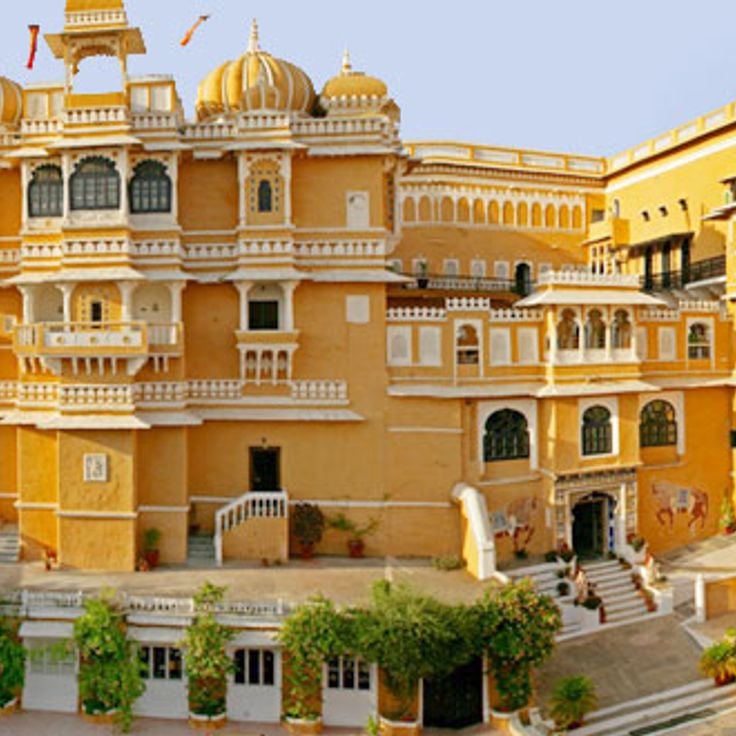
Deogarh Mahal is a fortress-palace that sits on a hilltop in Deogarh. The structure combines defensive architecture with royal spaces and reflects how a princely family lived in earlier times. Thick walls and towers define the building's form and tell of an era when such structures displayed power and wealth.
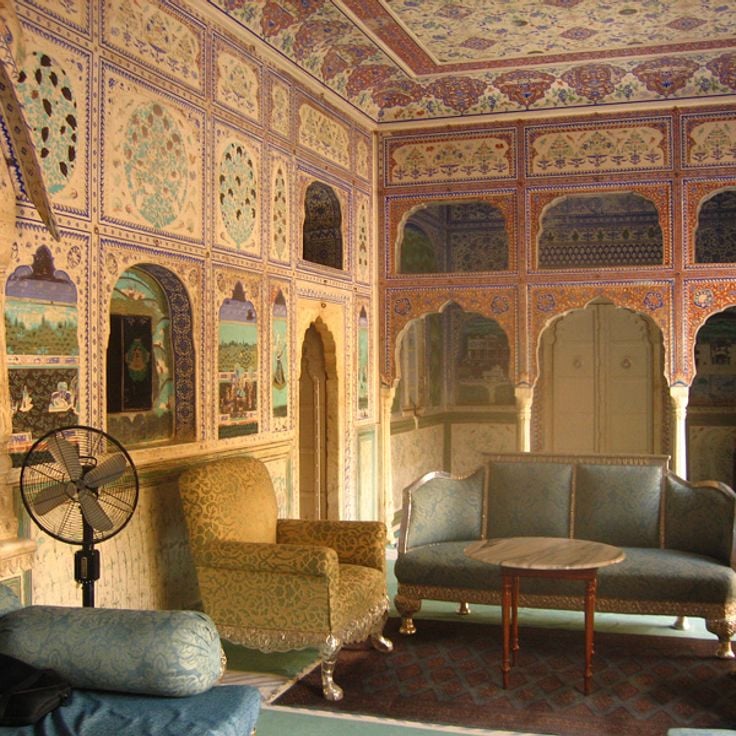
Samode Palace is a 16th-century palace near Jaipur with mirror-decorated rooms and gardens. This royal residence blends elaborate royal architecture with village-style elements, showing how the rulers displayed their wealth and power through decorated chambers and carefully designed outdoor spaces.
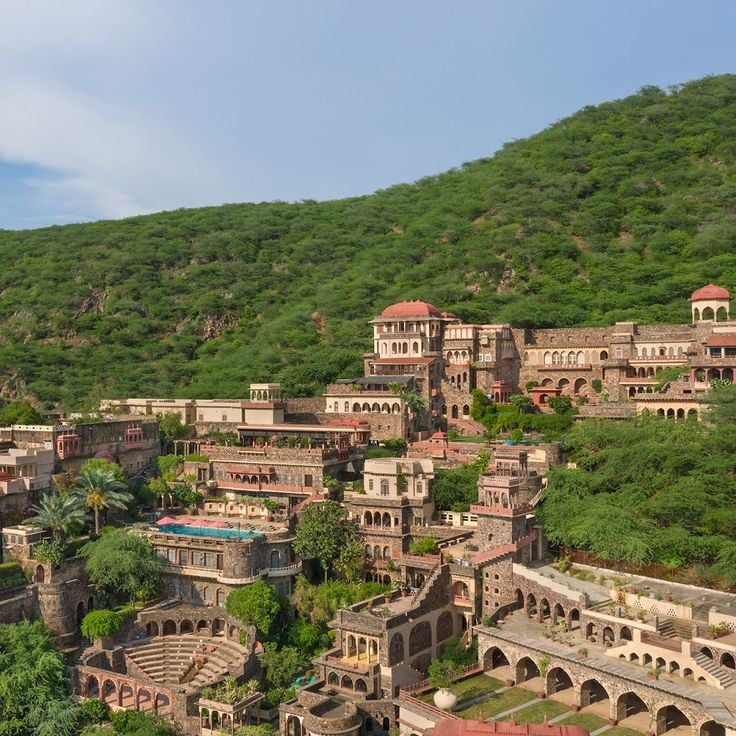
Neemrana Fort Palace is a 15th century fortification that has been restored as a palace hotel situated between Delhi and Jaipur. The structure combines medieval fortress architecture with hotel facilities, featuring historic rooms and terraces that overlook the surrounding landscape.
The Mysore Palace is a three-story royal palace in Mysuru built from pink sandstone with gilded domes. It once served as the seat of power for the maharajas of Karnataka and displays the lavish architecture of Indian princely states. The ornately decorated structure blends south Indian and European styles, reflecting the wealth and authority of the royal family.
Bangalore Palace is a Victorian-style palace in Bengaluru with turrets and ramparts, built in the 19th century for the royal family of Karnataka. This castle displays the architecture and luxury from the era of Indian princely states and is part of a collection of about twenty splendid historical palaces across India, distributed mainly in Rajasthan but also in South and Central India.
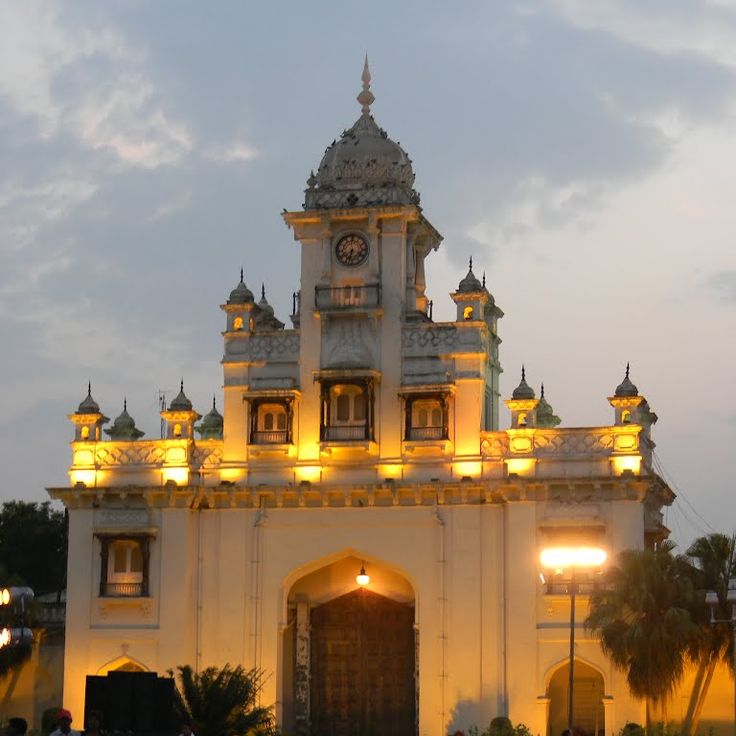
Chowmahalla Palace in Hyderabad is built around four courtyards connected in a square pattern. The palace displays white facades and a blend of Indian and Persian architectural styles. It was the residence of the Nizam, one of India's most powerful rulers. Walking through the palace, visitors see grand halls, decorated rooms, and gardens that reflect the wealth and power of its former residents.
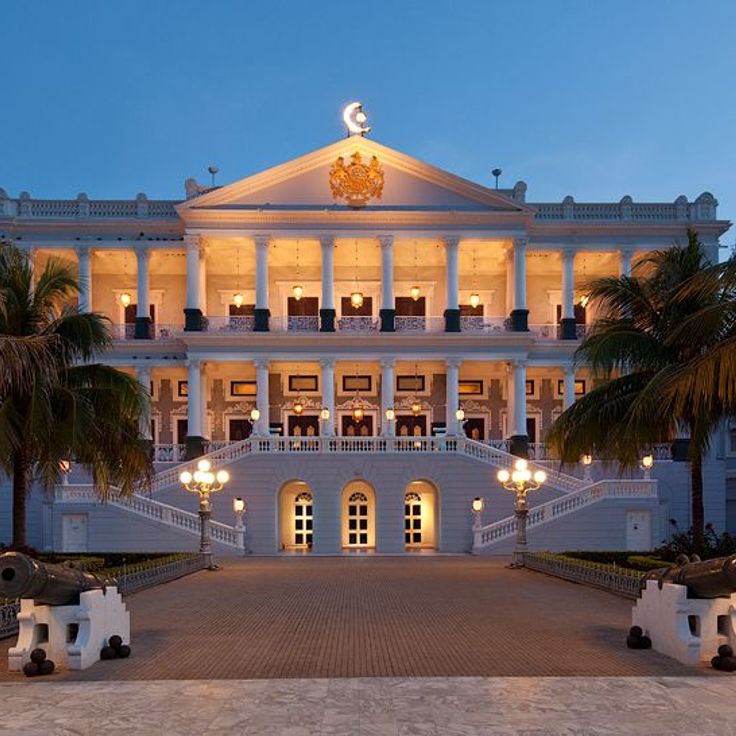
Falaknuma Palace sits on a hilltop in Hyderabad with white walls and white balconies. It was once the private residence of the Nizam, the ruler of the region. The palace reflects the grandeur of India's princely states through its elaborate architecture and royal heritage.
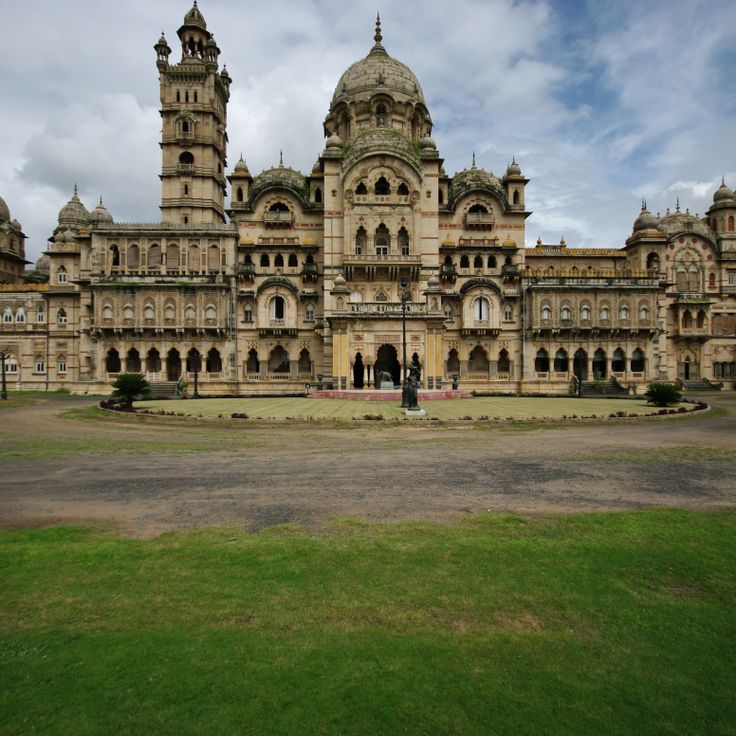
The Laxmi Vilas Palace in Vadodara is a monumental palace with four wings and 170 rooms, reflecting the royal architecture of India. This palace is part of the collection of spectacular maharaja palaces across India and displays the grandeur and luxury of princely states. The building combines elaborate architectural design with the cultural heritage of Indian princely kingdoms.
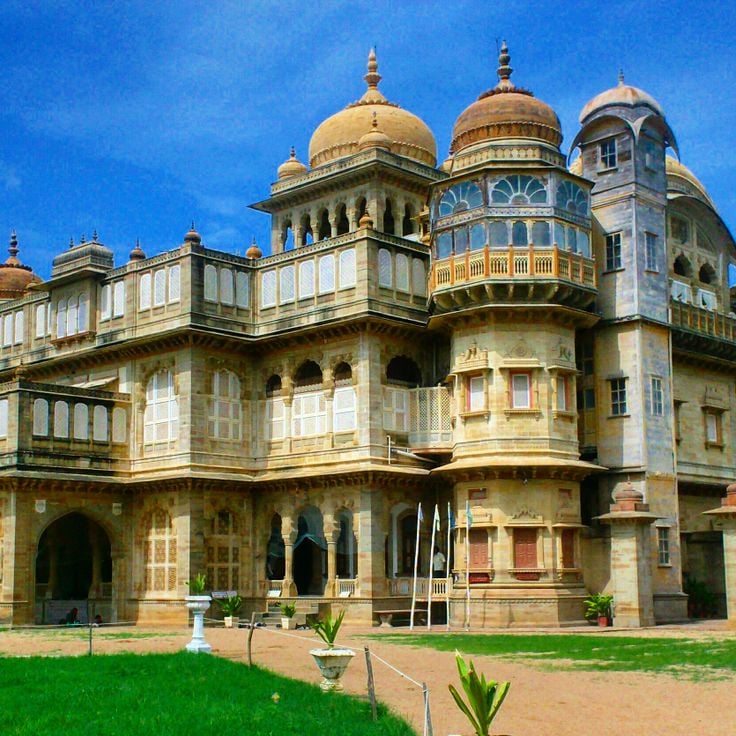
Vijay Vilas Palace is a white palace built in Gujarati style in the coastal town of Mandvi. It once served as a summer retreat for the maharaja, with views across the Arabian Sea. The structure displays the royal grandeur of the princely states, with architectural details that reflect the connection between the kingdom and the ocean.
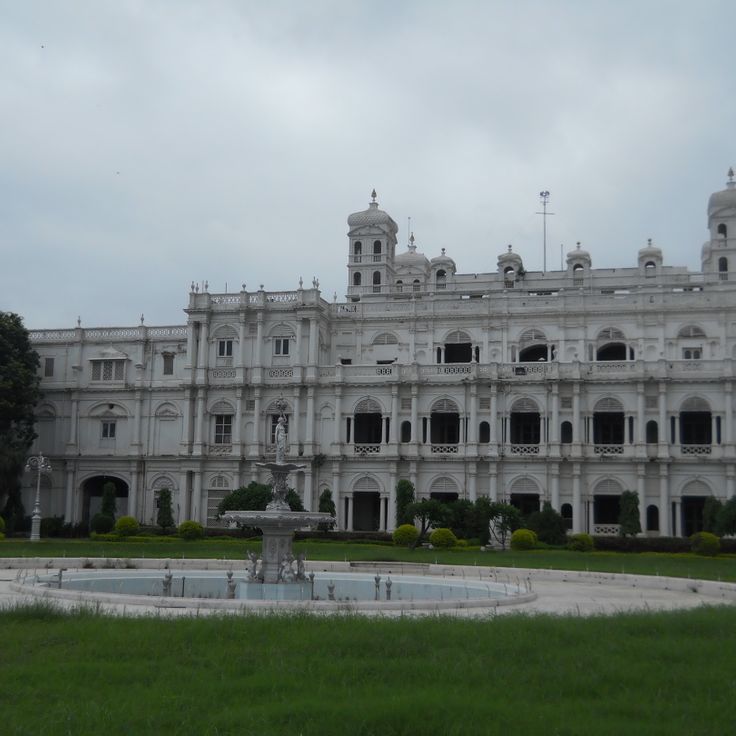
Jai Vilas Palace in Gwalior showcases Indo-European architectural style with around 400 rooms, including a grand banquet hall illuminated by lavish chandeliers. This royal residence reflects the wealth and power of India's princely states during their heyday. The palace demonstrates the opulence that defined the era through its ornate design and extensive layout, offering insight into how maharajas once lived and entertained.
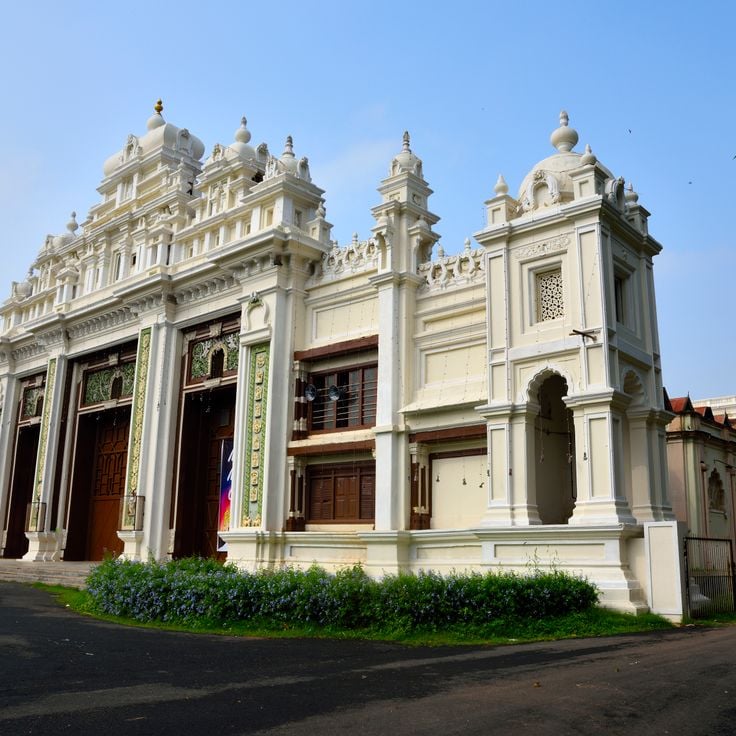
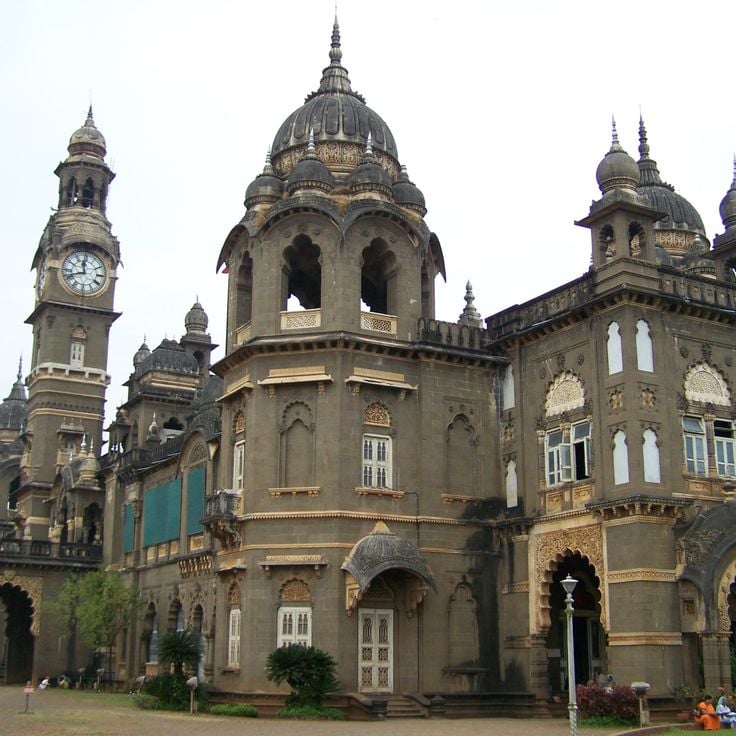
Kolhapur New Palace is a 19th century palace in Kolhapur distinguished by its ochre tones and detailed ornaments. The building served as the residence of a princely family and preserves the history of that royal era. The palace displays the architecture typical of its time, with details that have been maintained over generations. Visitors can explore the rooms where important decisions were once made and admire the furnishings that reflect the wealth and standing of the family.
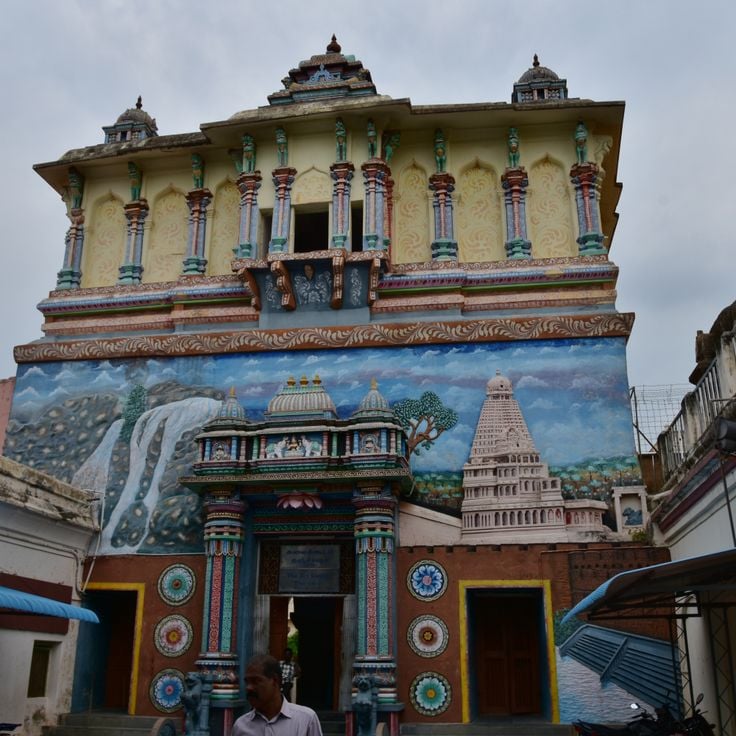
The Thanjavur Maratha Palace stands as a historical residence with thick sandstone walls in Tamil Nadu. Once the dwelling of a Maratha ruler, this palace contains decorated rooms and houses a museum that preserves artifacts from the royal period.
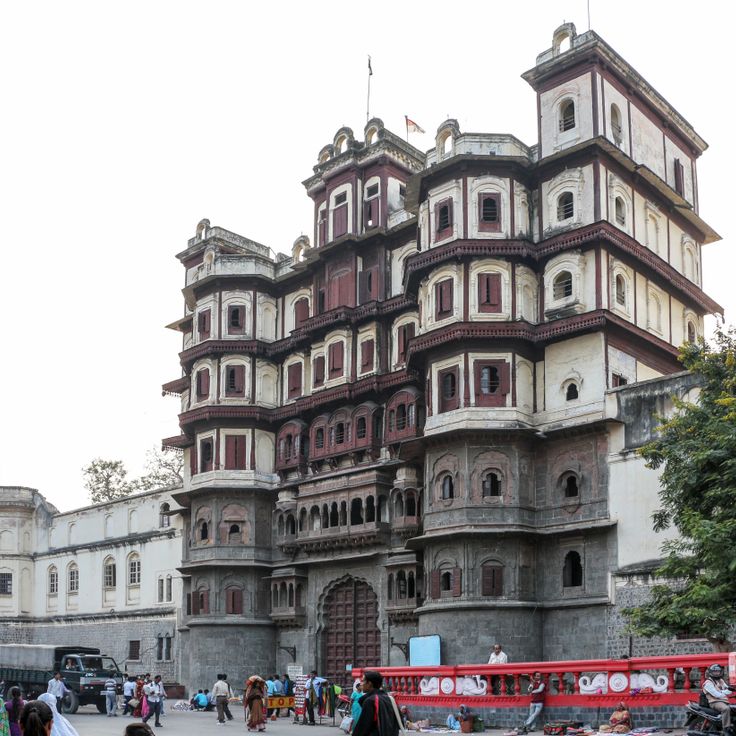
The Rajwada Palace in Indore is a seven-story palace that once served as the residence of the maharaja. Its architecture blends Hindu and Mughal design elements, creating a distinctive structure that reflects the royal heritage of the city.
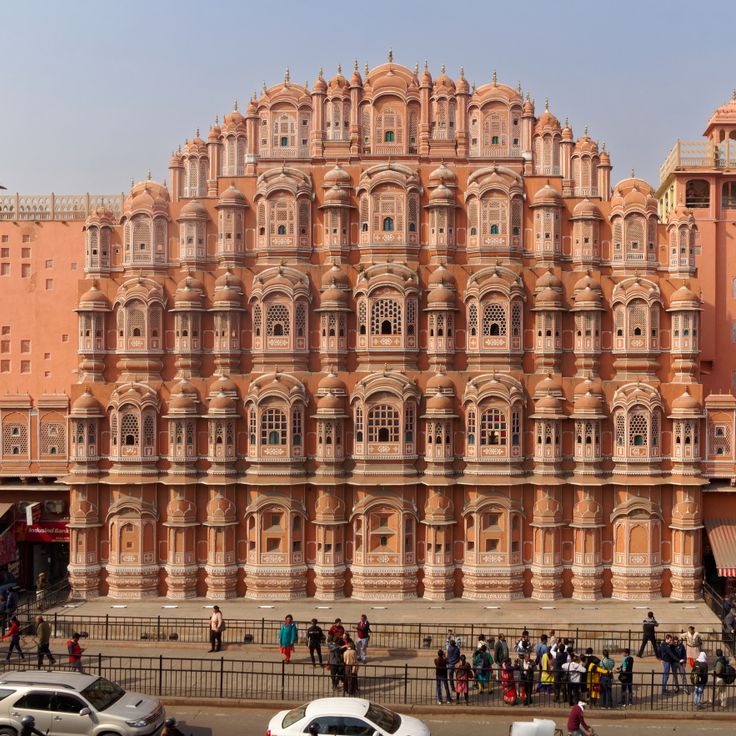
The Hawa Mahal stands as a five-story rose-colored structure with 953 small windows in the heart of Jaipur. Built in the 18th century for the royal women of the palace, it has become the defining symbol of the city. The building showcases Mughal architectural traditions with intricate design elements and its signature pink hue. From the outside, the structure appears as a monumental wall of small openings that allow the wind to pass through.
Lake Palace in Udaipur is a white marble palace situated on an island in Pichola Lake. It served as a summer residence for the Maharajas of Udaipur and was a place where the royal family retreated during the hot season. Today the palace operates as a luxury hotel while maintaining the royal architecture and design of the princely state period. The structure reflects the wealth and craftsmanship of Rajasthan's royal heritage.
The Umaid Bhawan Palace is a monumental building made of pink sandstone with geometric forms, built in the early 20th century in Jodhpur. This palace shows the wealth and power of the maharaja era and stands as one of the grandest structures in Rajasthan.
Rambagh Palace in Jaipur is a royal palace from the 19th century that once served as the residence of the maharaja. Today it operates as a luxury hotel while preserving the opulent architecture and gardens from the princely state era. The building reflects the grandeur and wealth of Indian court life during that time.
The City Palace in Jaipur is an 18th century palace complex that blends Hindu and Mughal architectural styles. The building remains partially occupied by the royal family and demonstrates the rich architectural language from the era of Indian princely states.
The Laxmi Niwas Palace in Bikaner is a 19th-century palace built from pink sandstone. This palace features crenellated towers and richly decorated interiors that reflect the opulence of the princely era. It served as the residence of the maharaja and represents the architectural grandeur of the royal states that once ruled parts of India.
Gajner Palace sits at the edge of the Thar Desert near Bikaner and was once a hunting lodge of the maharaja. The building features ochre and white facades that stand out against the sandy landscape. The palace shows how the princely rulers of that era built and lived, and it remains a testament to their royal past.
Lalgarh Palace in Bikaner was built in the early 20th century as a royal residence that combines British and Indian architectural styles. The palace features pale yellow walls and sprawling courtyards that reflect the grandeur of the princely state era. The structure shows how Indian rulers incorporated European design elements into their traditional palaces while maintaining local building traditions.
The Shiv Niwas Palace in Udaipur was once the residence of the maharaja. This royal palace features luxurious rooms and terraces that overlook Lake Pichola. The architecture shows the grandeur and elegance that defined the princely era.
The Fateh Prakash Palace is a historic palace in Udaipur with ornate facades and richly decorated interiors that once served as a royal residence. The building reflects the grandeur of the princely state era through its architectural details and craftsmanship.
Deogarh Mahal is a fortress-palace that sits on a hilltop in Deogarh. The structure combines defensive architecture with royal spaces and reflects how a princely family lived in earlier times. Thick walls and towers define the building's form and tell of an era when such structures displayed power and wealth.
Samode Palace is a 16th-century palace near Jaipur with mirror-decorated rooms and gardens. This royal residence blends elaborate royal architecture with village-style elements, showing how the rulers displayed their wealth and power through decorated chambers and carefully designed outdoor spaces.
Neemrana Fort Palace is a 15th century fortification that has been restored as a palace hotel situated between Delhi and Jaipur. The structure combines medieval fortress architecture with hotel facilities, featuring historic rooms and terraces that overlook the surrounding landscape.
The Mysore Palace is a three-story royal palace in Mysuru built from pink sandstone with gilded domes. It once served as the seat of power for the maharajas of Karnataka and displays the lavish architecture of Indian princely states. The ornately decorated structure blends south Indian and European styles, reflecting the wealth and authority of the royal family.
Bangalore Palace is a Victorian-style palace in Bengaluru with turrets and ramparts, built in the 19th century for the royal family of Karnataka. This castle displays the architecture and luxury from the era of Indian princely states and is part of a collection of about twenty splendid historical palaces across India, distributed mainly in Rajasthan but also in South and Central India.
Chowmahalla Palace in Hyderabad is built around four courtyards connected in a square pattern. The palace displays white facades and a blend of Indian and Persian architectural styles. It was the residence of the Nizam, one of India's most powerful rulers. Walking through the palace, visitors see grand halls, decorated rooms, and gardens that reflect the wealth and power of its former residents.
Falaknuma Palace sits on a hilltop in Hyderabad with white walls and white balconies. It was once the private residence of the Nizam, the ruler of the region. The palace reflects the grandeur of India's princely states through its elaborate architecture and royal heritage.
The Laxmi Vilas Palace in Vadodara is a monumental palace with four wings and 170 rooms, reflecting the royal architecture of India. This palace is part of the collection of spectacular maharaja palaces across India and displays the grandeur and luxury of princely states. The building combines elaborate architectural design with the cultural heritage of Indian princely kingdoms.
Vijay Vilas Palace is a white palace built in Gujarati style in the coastal town of Mandvi. It once served as a summer retreat for the maharaja, with views across the Arabian Sea. The structure displays the royal grandeur of the princely states, with architectural details that reflect the connection between the kingdom and the ocean.
Jai Vilas Palace in Gwalior showcases Indo-European architectural style with around 400 rooms, including a grand banquet hall illuminated by lavish chandeliers. This royal residence reflects the wealth and power of India's princely states during their heyday. The palace demonstrates the opulence that defined the era through its ornate design and extensive layout, offering insight into how maharajas once lived and entertained.
Kolhapur New Palace is a 19th century palace in Kolhapur distinguished by its ochre tones and detailed ornaments. The building served as the residence of a princely family and preserves the history of that royal era. The palace displays the architecture typical of its time, with details that have been maintained over generations. Visitors can explore the rooms where important decisions were once made and admire the furnishings that reflect the wealth and standing of the family.
The Thanjavur Maratha Palace stands as a historical residence with thick sandstone walls in Tamil Nadu. Once the dwelling of a Maratha ruler, this palace contains decorated rooms and houses a museum that preserves artifacts from the royal period.
The Rajwada Palace in Indore is a seven-story palace that once served as the residence of the maharaja. Its architecture blends Hindu and Mughal design elements, creating a distinctive structure that reflects the royal heritage of the city.
The Hawa Mahal stands as a five-story rose-colored structure with 953 small windows in the heart of Jaipur. Built in the 18th century for the royal women of the palace, it has become the defining symbol of the city. The building showcases Mughal architectural traditions with intricate design elements and its signature pink hue. From the outside, the structure appears as a monumental wall of small openings that allow the wind to pass through.
Lake Palace in Udaipur is a white marble palace situated on an island in Pichola Lake. It served as a summer residence for the Maharajas of Udaipur and was a place where the royal family retreated during the hot season. Today the palace operates as a luxury hotel while maintaining the royal architecture and design of the princely state period. The structure reflects the wealth and craftsmanship of Rajasthan's royal heritage.
The Umaid Bhawan Palace is a monumental building made of pink sandstone with geometric forms, built in the early 20th century in Jodhpur. This palace shows the wealth and power of the maharaja era and stands as one of the grandest structures in Rajasthan.
Rambagh Palace in Jaipur is a royal palace from the 19th century that once served as the residence of the maharaja. Today it operates as a luxury hotel while preserving the opulent architecture and gardens from the princely state era. The building reflects the grandeur and wealth of Indian court life during that time.
The City Palace in Jaipur is an 18th century palace complex that blends Hindu and Mughal architectural styles. The building remains partially occupied by the royal family and demonstrates the rich architectural language from the era of Indian princely states.
The Laxmi Niwas Palace in Bikaner is a 19th-century palace built from pink sandstone. This palace features crenellated towers and richly decorated interiors that reflect the opulence of the princely era. It served as the residence of the maharaja and represents the architectural grandeur of the royal states that once ruled parts of India.
Gajner Palace sits at the edge of the Thar Desert near Bikaner and was once a hunting lodge of the maharaja. The building features ochre and white facades that stand out against the sandy landscape. The palace shows how the princely rulers of that era built and lived, and it remains a testament to their royal past.
Lalgarh Palace in Bikaner was built in the early 20th century as a royal residence that combines British and Indian architectural styles. The palace features pale yellow walls and sprawling courtyards that reflect the grandeur of the princely state era. The structure shows how Indian rulers incorporated European design elements into their traditional palaces while maintaining local building traditions.
The Shiv Niwas Palace in Udaipur was once the residence of the maharaja. This royal palace features luxurious rooms and terraces that overlook Lake Pichola. The architecture shows the grandeur and elegance that defined the princely era.
The Fateh Prakash Palace is a historic palace in Udaipur with ornate facades and richly decorated interiors that once served as a royal residence. The building reflects the grandeur of the princely state era through its architectural details and craftsmanship.
Deogarh Mahal is a fortress-palace that sits on a hilltop in Deogarh. The structure combines defensive architecture with royal spaces and reflects how a princely family lived in earlier times. Thick walls and towers define the building's form and tell of an era when such structures displayed power and wealth.
Samode Palace is a 16th-century palace near Jaipur with mirror-decorated rooms and gardens. This royal residence blends elaborate royal architecture with village-style elements, showing how the rulers displayed their wealth and power through decorated chambers and carefully designed outdoor spaces.
Neemrana Fort Palace is a 15th century fortification that has been restored as a palace hotel situated between Delhi and Jaipur. The structure combines medieval fortress architecture with hotel facilities, featuring historic rooms and terraces that overlook the surrounding landscape.
The Mysore Palace is a three-story royal palace in Mysuru built from pink sandstone with gilded domes. It once served as the seat of power for the maharajas of Karnataka and displays the lavish architecture of Indian princely states. The ornately decorated structure blends south Indian and European styles, reflecting the wealth and authority of the royal family.
Bangalore Palace is a Victorian-style palace in Bengaluru with turrets and ramparts, built in the 19th century for the royal family of Karnataka. This castle displays the architecture and luxury from the era of Indian princely states and is part of a collection of about twenty splendid historical palaces across India, distributed mainly in Rajasthan but also in South and Central India.
Chowmahalla Palace in Hyderabad is built around four courtyards connected in a square pattern. The palace displays white facades and a blend of Indian and Persian architectural styles. It was the residence of the Nizam, one of India's most powerful rulers. Walking through the palace, visitors see grand halls, decorated rooms, and gardens that reflect the wealth and power of its former residents.
Falaknuma Palace sits on a hilltop in Hyderabad with white walls and white balconies. It was once the private residence of the Nizam, the ruler of the region. The palace reflects the grandeur of India's princely states through its elaborate architecture and royal heritage.
The Laxmi Vilas Palace in Vadodara is a monumental palace with four wings and 170 rooms, reflecting the royal architecture of India. This palace is part of the collection of spectacular maharaja palaces across India and displays the grandeur and luxury of princely states. The building combines elaborate architectural design with the cultural heritage of Indian princely kingdoms.
Vijay Vilas Palace is a white palace built in Gujarati style in the coastal town of Mandvi. It once served as a summer retreat for the maharaja, with views across the Arabian Sea. The structure displays the royal grandeur of the princely states, with architectural details that reflect the connection between the kingdom and the ocean.
Jai Vilas Palace in Gwalior showcases Indo-European architectural style with around 400 rooms, including a grand banquet hall illuminated by lavish chandeliers. This royal residence reflects the wealth and power of India's princely states during their heyday. The palace demonstrates the opulence that defined the era through its ornate design and extensive layout, offering insight into how maharajas once lived and entertained.
Kolhapur New Palace is a 19th century palace in Kolhapur distinguished by its ochre tones and detailed ornaments. The building served as the residence of a princely family and preserves the history of that royal era. The palace displays the architecture typical of its time, with details that have been maintained over generations. Visitors can explore the rooms where important decisions were once made and admire the furnishings that reflect the wealth and standing of the family.
The Thanjavur Maratha Palace stands as a historical residence with thick sandstone walls in Tamil Nadu. Once the dwelling of a Maratha ruler, this palace contains decorated rooms and houses a museum that preserves artifacts from the royal period.
The Rajwada Palace in Indore is a seven-story palace that once served as the residence of the maharaja. Its architecture blends Hindu and Mughal design elements, creating a distinctive structure that reflects the royal heritage of the city.
The Hawa Mahal stands as a five-story rose-colored structure with 953 small windows in the heart of Jaipur. Built in the 18th century for the royal women of the palace, it has become the defining symbol of the city. The building showcases Mughal architectural traditions with intricate design elements and its signature pink hue. From the outside, the structure appears as a monumental wall of small openings that allow the wind to pass through.
These palaces are more than just sights. They show the daily life of the maharajas and their families. Before visiting, check the opening hours because some buildings are still private homes. The inside rooms of important palaces like Laxmi Vilas have special details that only a guided tour will really reveal.