See the monuments around you in AROpen chests in the app
Around Us is built for your phone — point your camera at the streets and discover the monuments and places around you in augmented reality.Around Us is built for your phone — chests unlock when you walk, explore and capture nearby places.
The series Peaky Blinders has turned English industrial towns into film sets, and 25 of these places are open to visitors.
Here we list the main real and visitable filming locations of the series Peaky Blinders. The series mixes actual historic sites with recreated sets, mostly in Birmingham, Liverpool, and Manchester. These places give a look into the industrial and city setting of England in the 20th century that the series shows.
The series Peaky Blinders has turned English industrial towns into film sets, and 25 of these places are open to visitors.
Here we list the main real and visitable filming locations of the series Peaky Blinders. The series mixes actual historic sites with recreated sets, mostly in Birmingham, Liverpool, and Manchester. These places give a look into the industrial and city setting of England in the 20th century that the series shows.
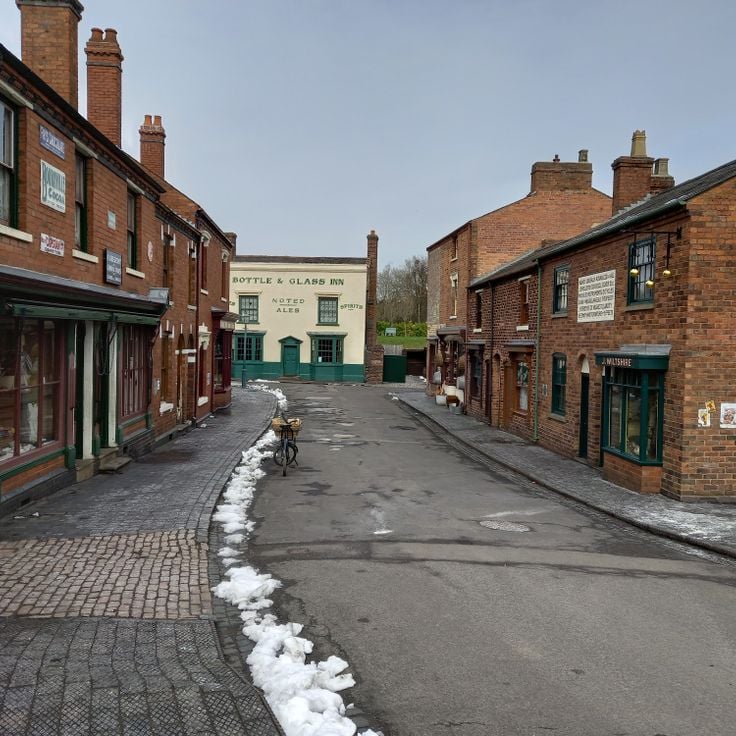
The Black Country Living Museum in Dudley is an open-air museum that recreates daily life from the 19th and early 20th centuries. Several scenes from Peaky Blinders were filmed here, as its reconstructed streets, shops, and pubs bring the working-class world of that era to life. Visitors can walk through the old lanes and get a real sense of what life looked like in this part of England.
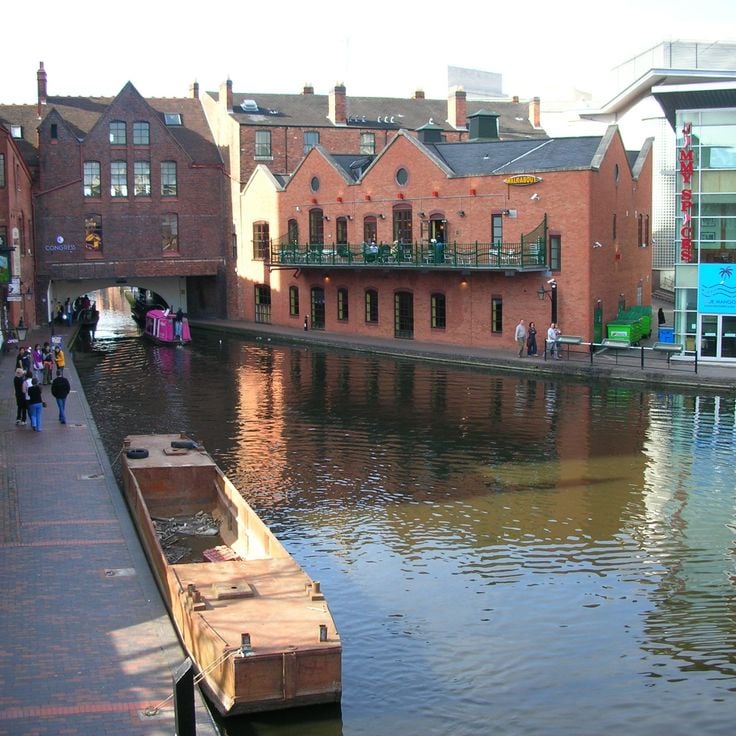
Gas Street Basin is an old canal junction in the heart of Birmingham. Cast iron bridges, narrowboats, and brick warehouses take you back to 18th-century industrial England. In Peaky Blinders, this spot was used to recreate postwar Birmingham, and walking through it today, you can easily see why film crews chose it.
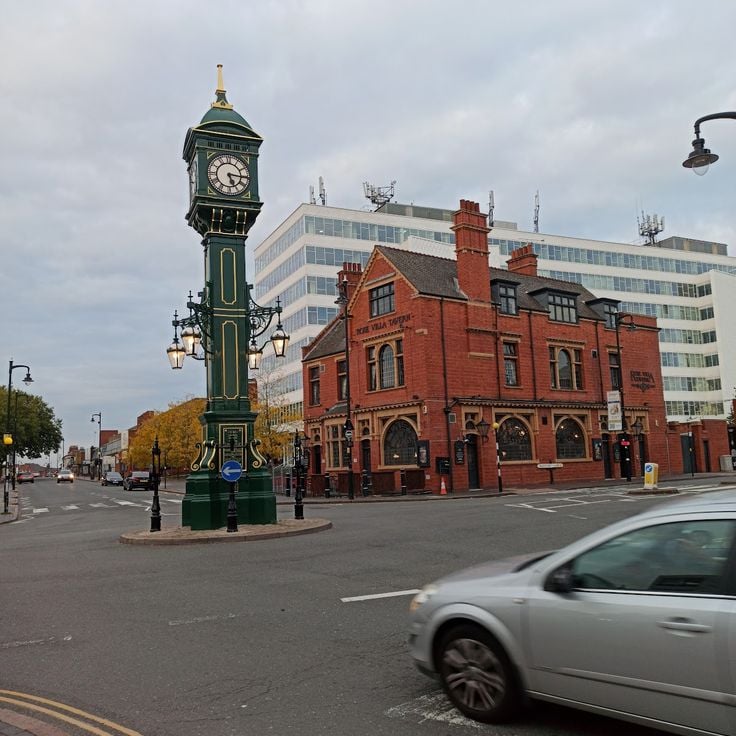
The Jewellery Quarter is a historic neighborhood in Birmingham where goldsmiths and jewelers have worked since the 18th century. Its narrow lanes, red brick buildings, and small workshops served as a model for the creators of Peaky Blinders when imagining the Shelby family's neighborhood. Walking through it today, you can easily sense what working-class, industrial Birmingham once looked like.
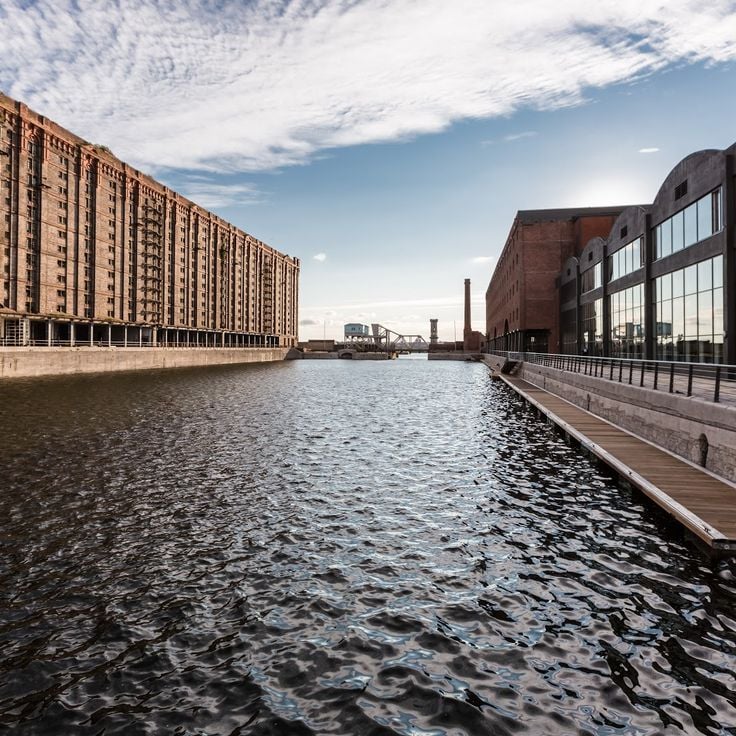
Stanley Dock is a former port in Liverpool, surrounded by dark brick warehouses from the industrial era. The Peaky Blinders crew filmed many scenes here, using the old quays and buildings to recreate urban England in the early 20th century. Fans of the show will find many corners of this place immediately familiar.
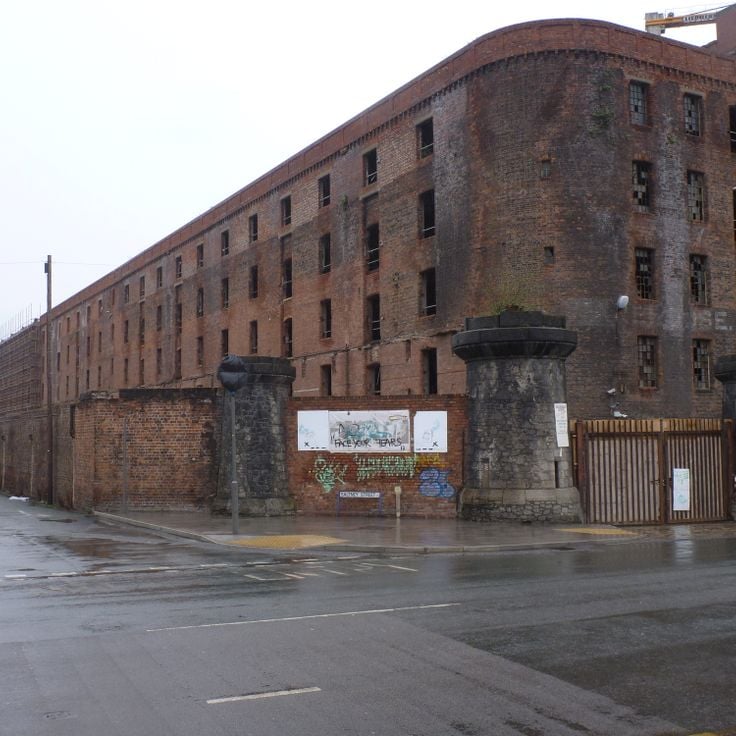
The Tobacco Warehouse at Stanley Dock in Liverpool is a vast old brick storage building dating from the 19th century. In Peaky Blinders, it served as a dark, industrial backdrop for several key scenes. Walking through its long corridors and past its heavy iron structures, you can still feel something of working life in the early 20th century.
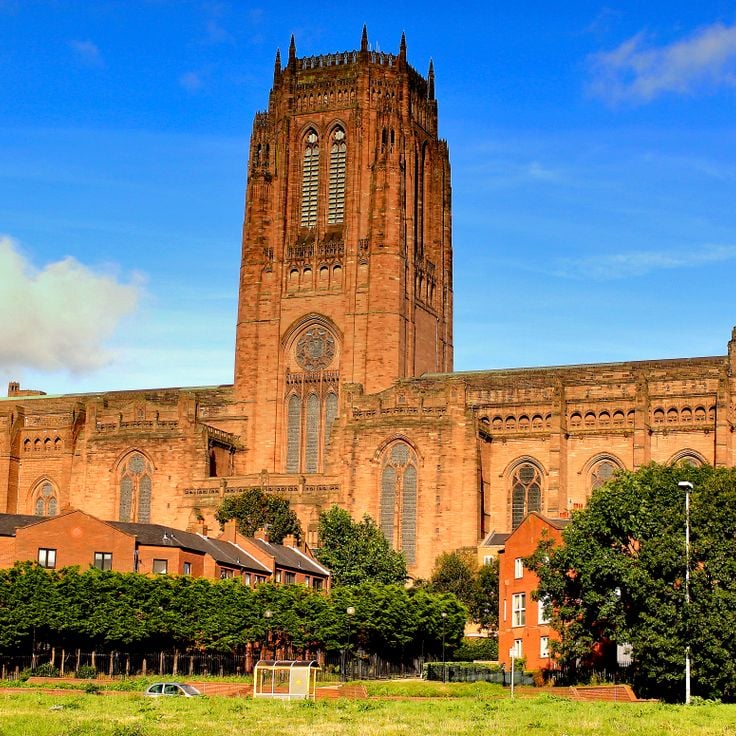
Liverpool Cathedral is one of the largest cathedrals in England. Its neo-Gothic towers and vast interior made it a natural backdrop for several scenes in Peaky Blinders, both inside and outside. Stepping through its heavy doors, you quickly understand why the creators of the series chose this place. The cathedral carries a sense of weight and history that fits the dark world of the show.
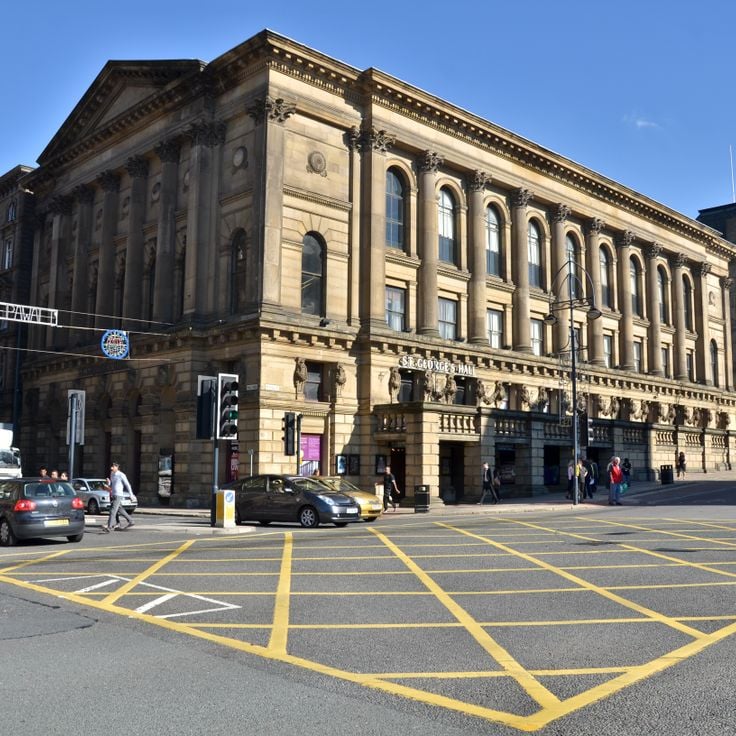
St George's Hall is a neoclassical building at the heart of Liverpool. In Peaky Blinders, it appears as a courthouse and official institution, reflecting the weight of authority that runs through the show. Built in the 19th century, the building is open to visitors today and brings to life the urban England that defines the series.
Falkner Square is a residential square in Liverpool lined with row houses from the 19th century. It was used as a filming location for Peaky Blinders, standing in for the urban neighborhoods of the era. Walking through it today, you can easily picture the daily life of that time.
Powis Street is a street in Liverpool used as a filming location for Peaky Blinders to recreate the look of early 20th-century Birmingham. Walking along it, you can recognize the brick buildings and narrow alleys that give the series its characteristic urban feel.
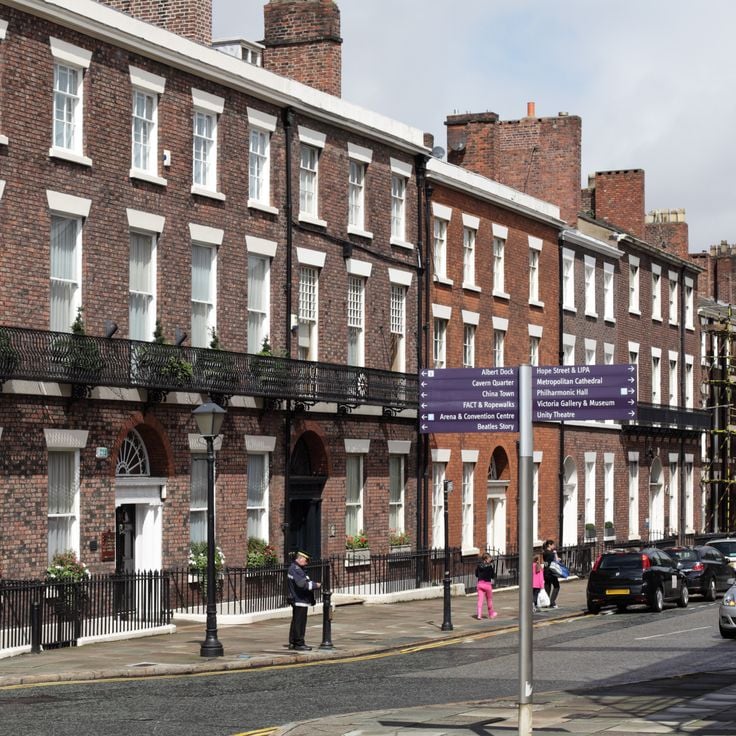
Rodney Street in Liverpool is a long road lined with brick houses from the 18th century. It was used as a filming location for urban scenes in Peaky Blinders. Walking along it, you can easily see why the production teams chose it to evoke the look and feel of an English city in the early 20th century.
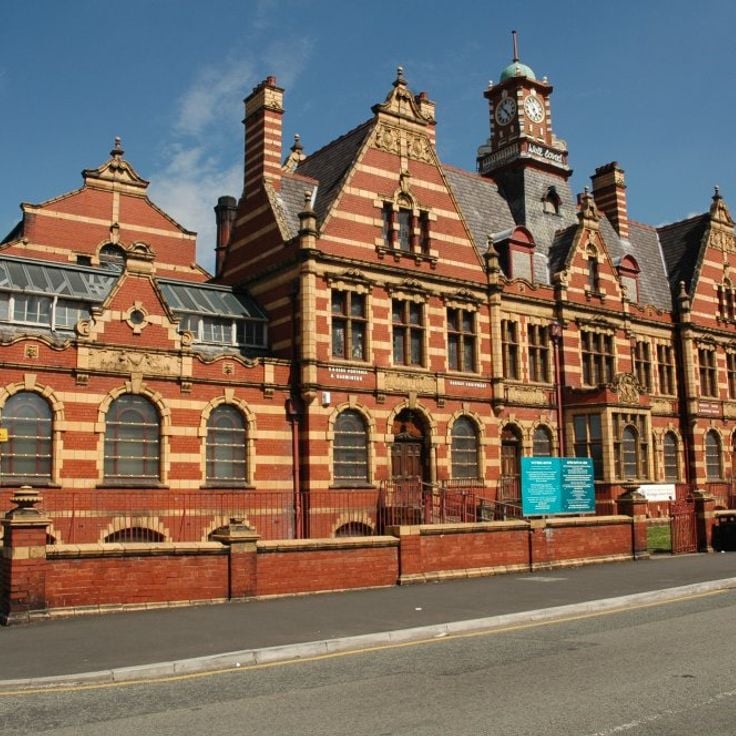
The Victoria Baths in Manchester are a former public bathhouse built in the early 20th century. The building has stained glass windows, tiled walls, and cast iron details. In Peaky Blinders, it served as a filming location for several scenes depicting urban life of that era. Today, you can visit the building on guided tours.
Manchester Town Hall is a large neo-Gothic building from the 19th century that appears in Peaky Blinders as a backdrop for political and administrative scenes. Its stone corridors and wide halls give these scenes a sense of power and authority that fits the world of the Shelby family well.
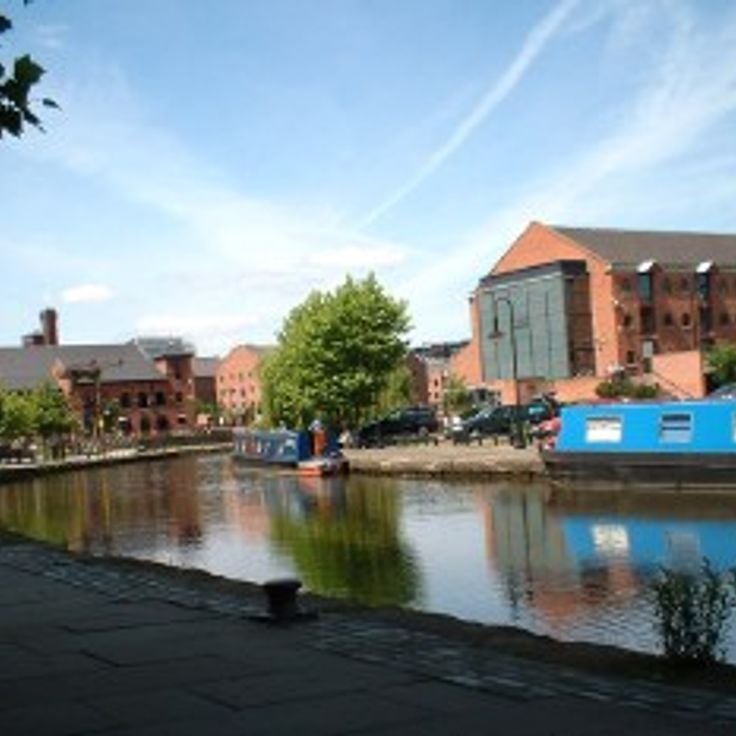
Castlefield is a historic neighborhood in central Manchester. Its brick warehouses, canals, barges, and cast-iron bridges bring to life the industrial England of the early 20th century. This setting drew the makers of Peaky Blinders, who filmed scenes here that evoke the Birmingham of the Shelby family.
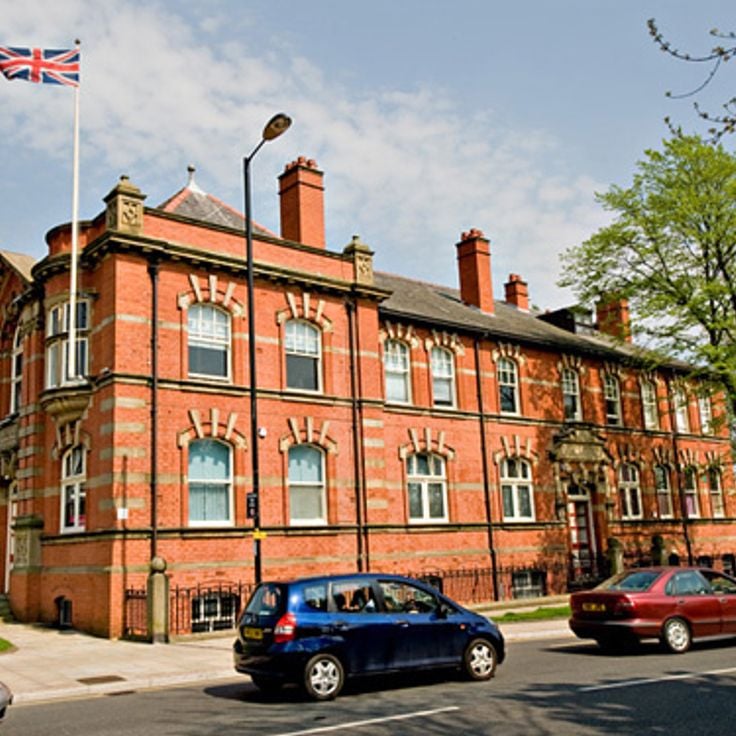
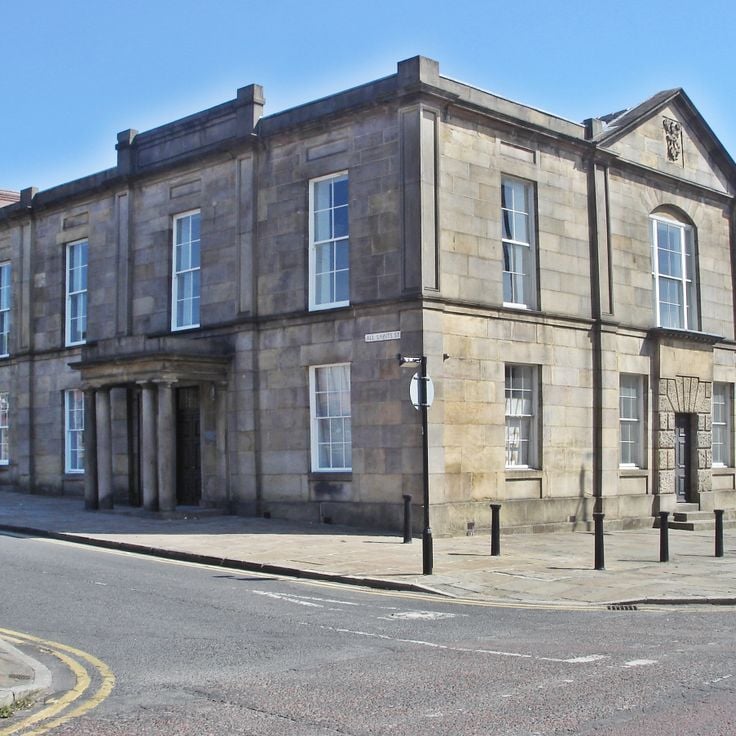
Bolton Town Hall is a 19th-century Victorian town hall in Bolton. In Peaky Blinders, it was used to represent courtrooms and official institutions. Its stone facade gives scenes a severe and solemn quality that fits the tone of the series.
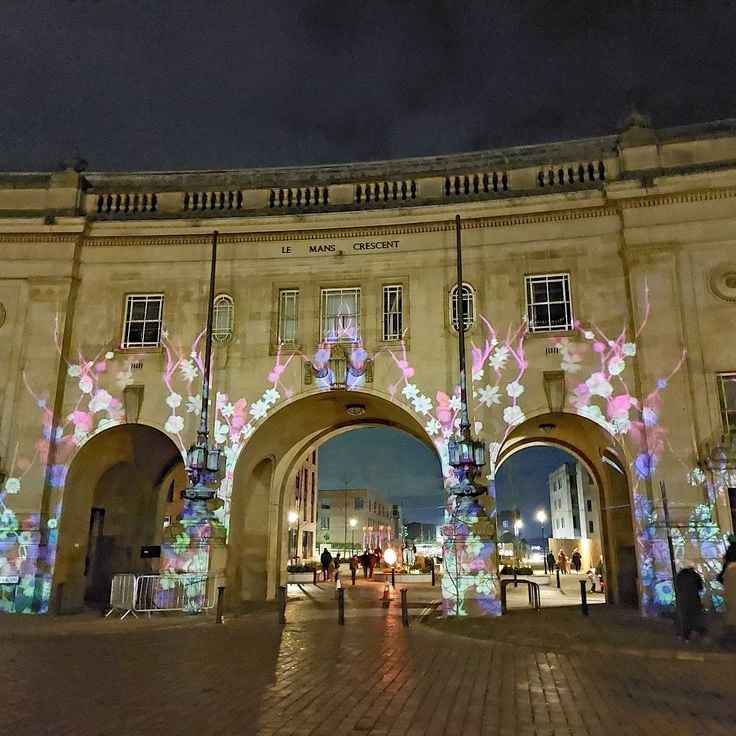
Le Mans Crescent is a curved row of Georgian houses built in the early 19th century in Bolton. In Peaky Blinders, it was used as a backdrop for street scenes set in a prosperous English neighborhood. The uniform pale sandstone facade gives the row a period look that is easy to recognize on screen.
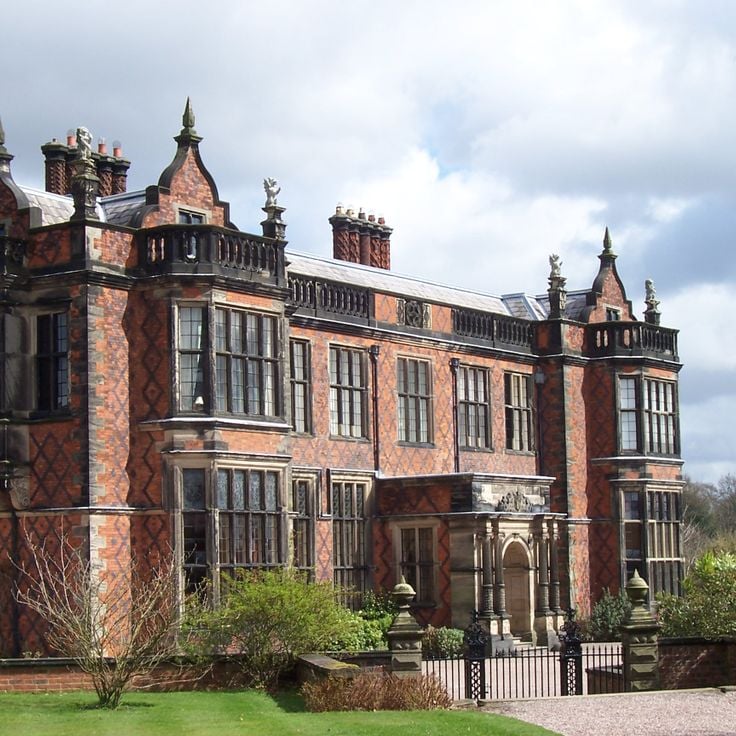
Arley Hall is a 19th-century manor house in Cheshire. In Peaky Blinders, it serves as Tommy Shelby's home. The estate and its gardens appear in several seasons, giving a sense of the wealth and social rise that define Tommy's journey throughout the series.
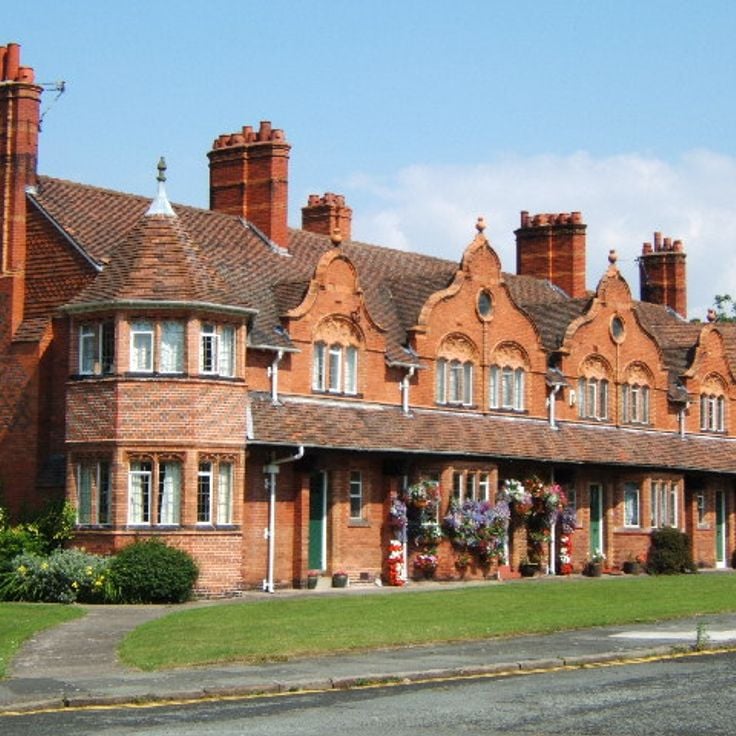
Port Sunlight Village is a workers' village on the Wirral Peninsula, built in the late 19th century. Its rows of houses and tree-lined streets gave Peaky Blinders the look of an English residential neighborhood in the early 20th century. Walking through it today, you can still sense the original purpose: to offer factory workers a decent and ordered place to live.
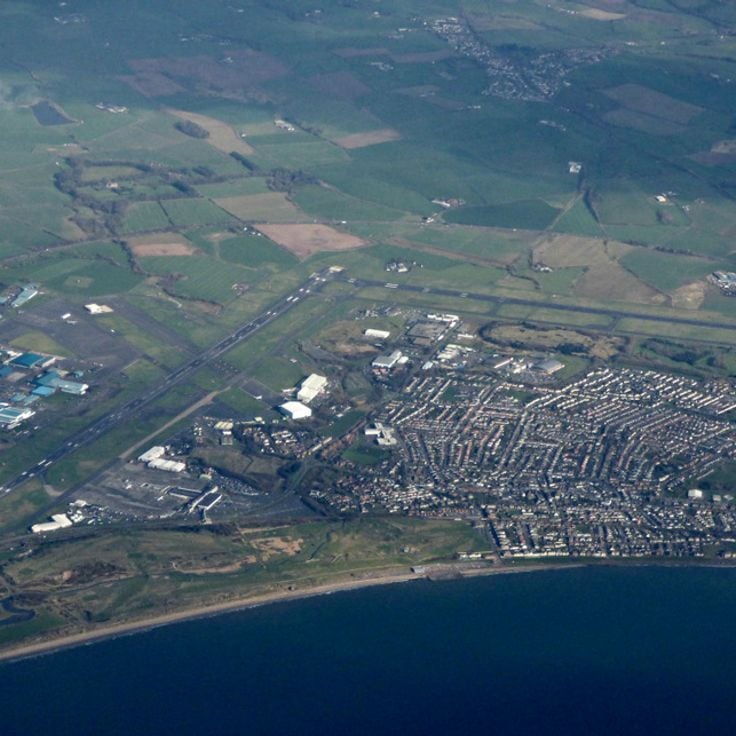
The Port of Glasgow was one of Scotland's busiest industrial harbors. In Peaky Blinders, it serves as the backdrop for port and industrial scenes that bring working-class life in the early 20th century to life. Walking along the docks today, you can still feel the spirit of that era.
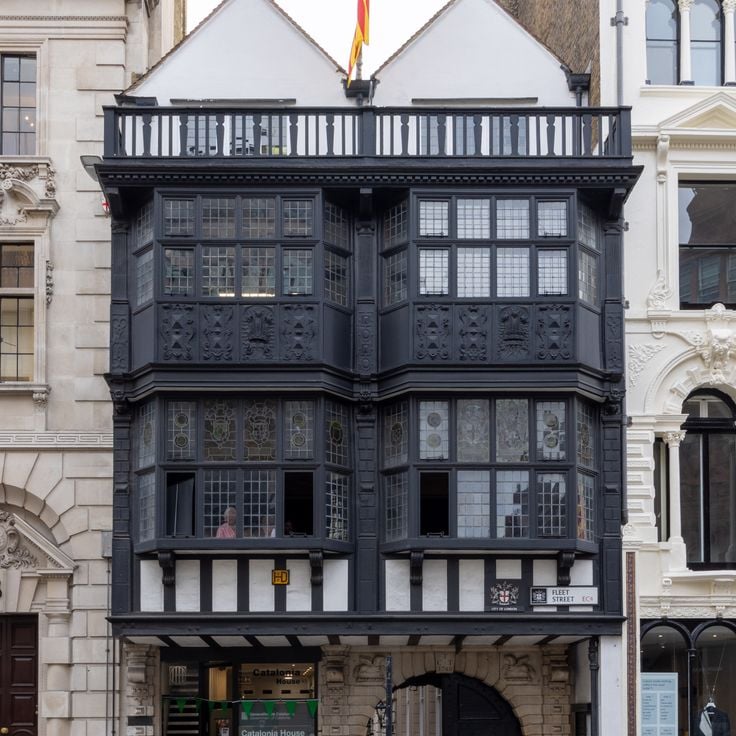
The Inner Temple is a historic legal complex in the heart of London. In Peaky Blinders, it serves as the backdrop for courtroom scenes, lending the series an authentic legal setting. Walking through its cobbled courtyards and old buildings, you get a real sense of how closely this place has been tied to English legal life for centuries.
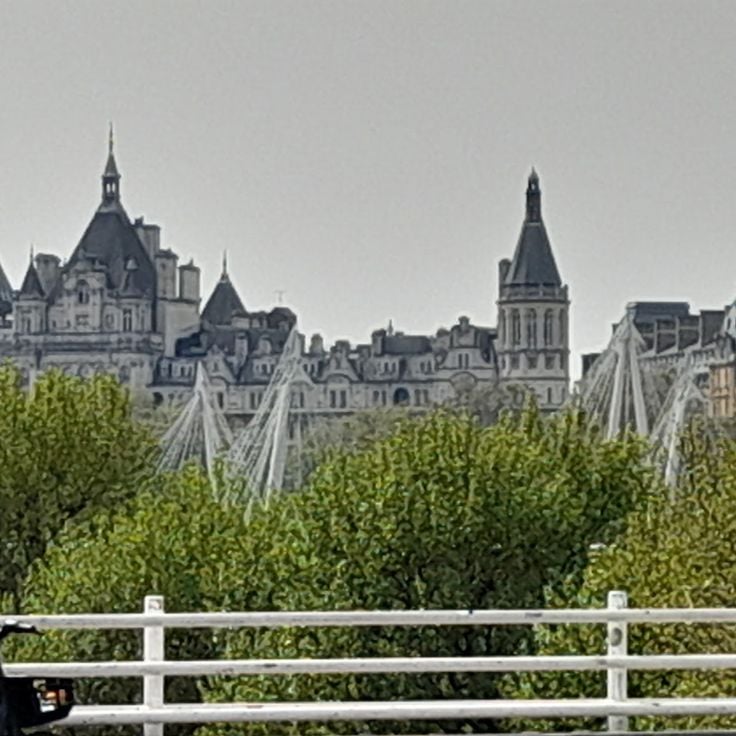
Westminster is the political heart of London. Its streets and buildings were used in Peaky Blinders for official and governmental scenes, where power and authority take center stage. Walking through Westminster today, you can still feel the weight of history that the show sought to bring to life.
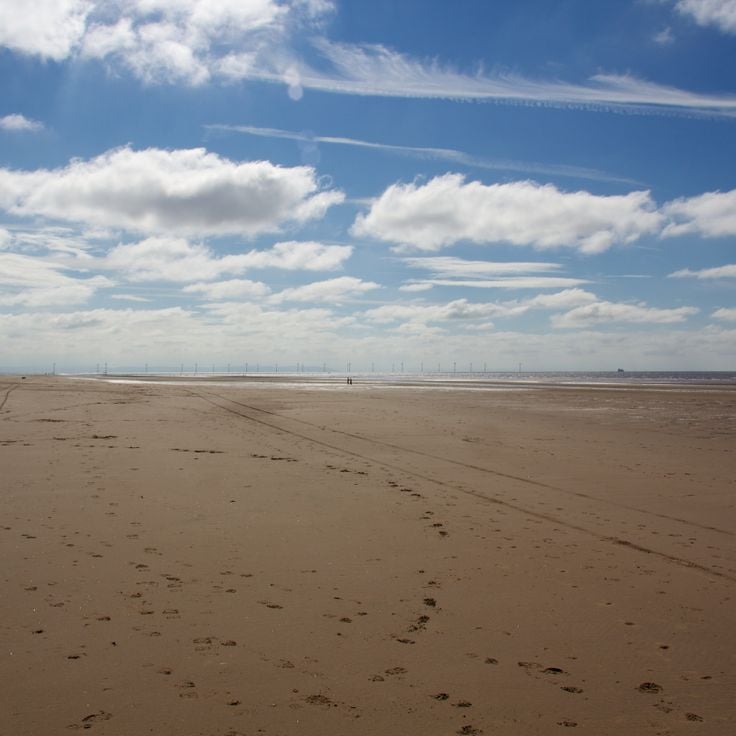
Formby Beach is a sandy beach in Merseyside that was used as an outdoor filming location for Peaky Blinders. It stands in sharp contrast to the industrial city scenes of Birmingham that run through the series. Pine forests and sand dunes surround the beach, and visitors can walk freely along the shore and through the nearby woods.
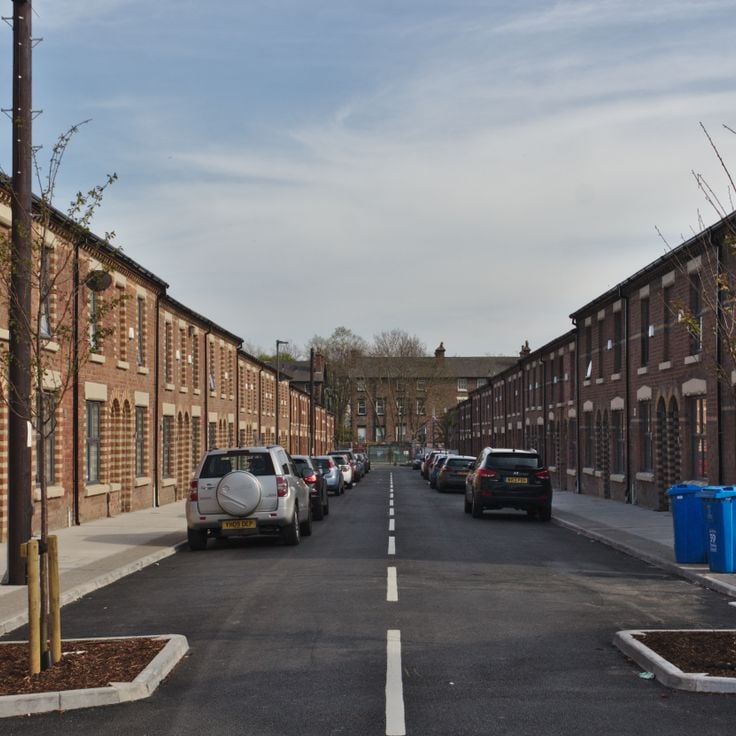
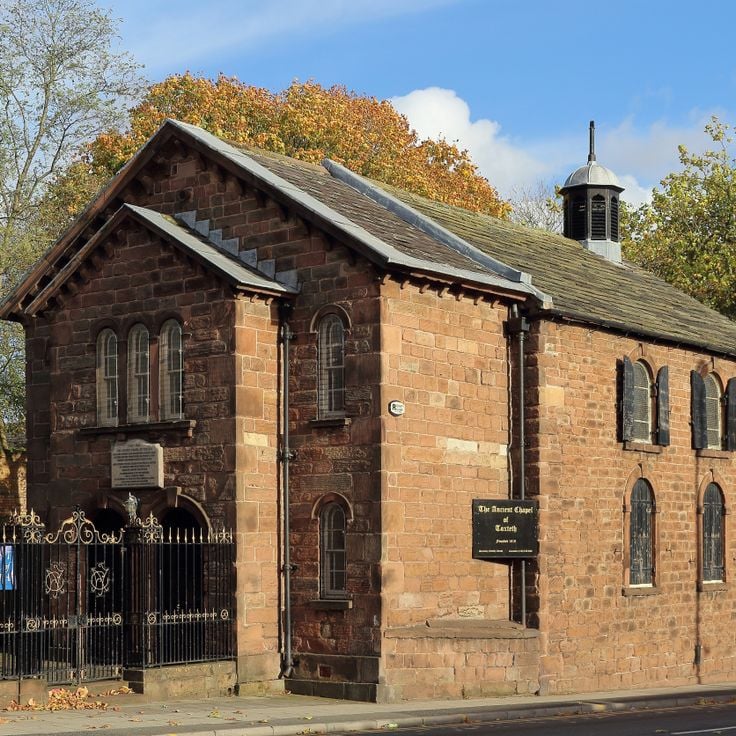
Toxteth is a neighborhood in the south of Liverpool. In Peaky Blinders, it stands in for the working-class and industrial areas of Birmingham in the 1920s. Its red brick streets and old facades give the scenes a convincing look of English urban life from that era. Walking through Toxteth today, you can still feel why the show's creators chose it as a backdrop.
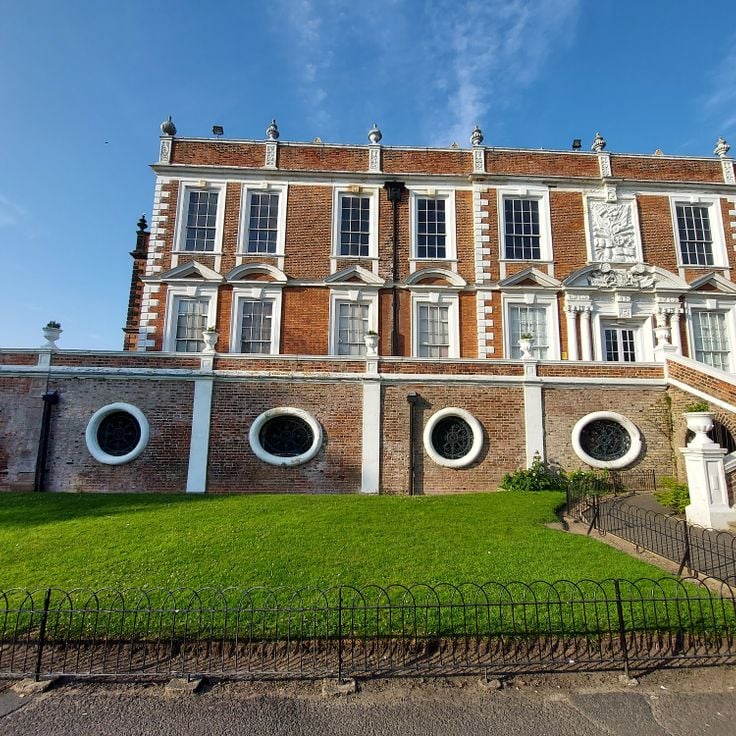
Croxteth Hall is a 16th-century manor house on the outskirts of Liverpool. In Peaky Blinders, it served as the Shelby family estate. The building sits in a large park open to the public. Fans of the show will recognize many corners of the house as soon as they walk through its rooms and gardens.
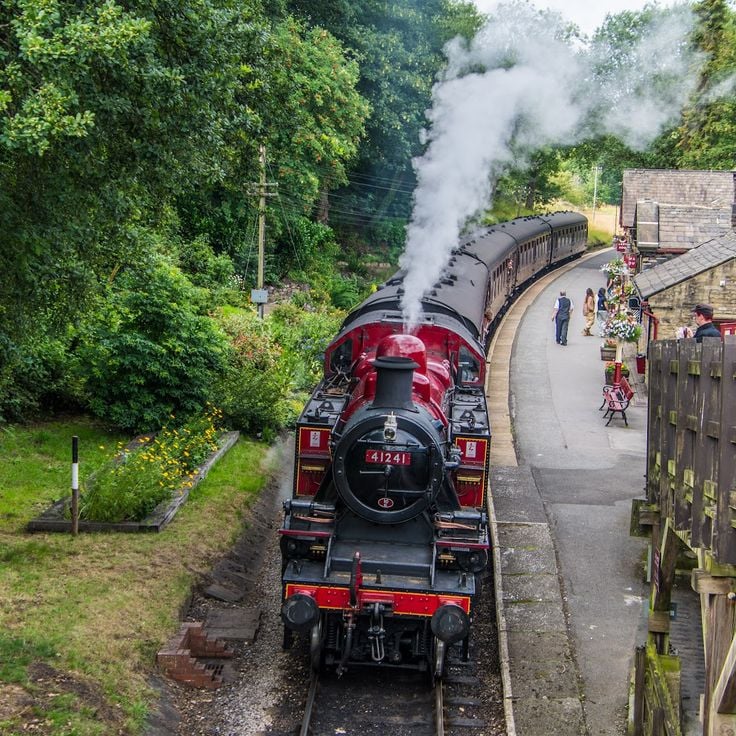
The Keighley & Worth Valley Railway is a historic steam railway in Yorkshire that was used as a backdrop for train scenes in Peaky Blinders. The old locomotives and platforms from the early 20th century give a genuine sense of industrial England as it looked during the period the show depicts.
The Black Country Living Museum in Dudley is an open-air museum that recreates daily life from the 19th and early 20th centuries. Several scenes from Peaky Blinders were filmed here, as its reconstructed streets, shops, and pubs bring the working-class world of that era to life. Visitors can walk through the old lanes and get a real sense of what life looked like in this part of England.
Gas Street Basin is an old canal junction in the heart of Birmingham. Cast iron bridges, narrowboats, and brick warehouses take you back to 18th-century industrial England. In Peaky Blinders, this spot was used to recreate postwar Birmingham, and walking through it today, you can easily see why film crews chose it.
The Jewellery Quarter is a historic neighborhood in Birmingham where goldsmiths and jewelers have worked since the 18th century. Its narrow lanes, red brick buildings, and small workshops served as a model for the creators of Peaky Blinders when imagining the Shelby family's neighborhood. Walking through it today, you can easily sense what working-class, industrial Birmingham once looked like.
Stanley Dock is a former port in Liverpool, surrounded by dark brick warehouses from the industrial era. The Peaky Blinders crew filmed many scenes here, using the old quays and buildings to recreate urban England in the early 20th century. Fans of the show will find many corners of this place immediately familiar.
The Tobacco Warehouse at Stanley Dock in Liverpool is a vast old brick storage building dating from the 19th century. In Peaky Blinders, it served as a dark, industrial backdrop for several key scenes. Walking through its long corridors and past its heavy iron structures, you can still feel something of working life in the early 20th century.
Liverpool Cathedral is one of the largest cathedrals in England. Its neo-Gothic towers and vast interior made it a natural backdrop for several scenes in Peaky Blinders, both inside and outside. Stepping through its heavy doors, you quickly understand why the creators of the series chose this place. The cathedral carries a sense of weight and history that fits the dark world of the show.
St George's Hall is a neoclassical building at the heart of Liverpool. In Peaky Blinders, it appears as a courthouse and official institution, reflecting the weight of authority that runs through the show. Built in the 19th century, the building is open to visitors today and brings to life the urban England that defines the series.
Falkner Square is a residential square in Liverpool lined with row houses from the 19th century. It was used as a filming location for Peaky Blinders, standing in for the urban neighborhoods of the era. Walking through it today, you can easily picture the daily life of that time.
Powis Street is a street in Liverpool used as a filming location for Peaky Blinders to recreate the look of early 20th-century Birmingham. Walking along it, you can recognize the brick buildings and narrow alleys that give the series its characteristic urban feel.
Rodney Street in Liverpool is a long road lined with brick houses from the 18th century. It was used as a filming location for urban scenes in Peaky Blinders. Walking along it, you can easily see why the production teams chose it to evoke the look and feel of an English city in the early 20th century.
The Victoria Baths in Manchester are a former public bathhouse built in the early 20th century. The building has stained glass windows, tiled walls, and cast iron details. In Peaky Blinders, it served as a filming location for several scenes depicting urban life of that era. Today, you can visit the building on guided tours.
Manchester Town Hall is a large neo-Gothic building from the 19th century that appears in Peaky Blinders as a backdrop for political and administrative scenes. Its stone corridors and wide halls give these scenes a sense of power and authority that fits the world of the Shelby family well.
Castlefield is a historic neighborhood in central Manchester. Its brick warehouses, canals, barges, and cast-iron bridges bring to life the industrial England of the early 20th century. This setting drew the makers of Peaky Blinders, who filmed scenes here that evoke the Birmingham of the Shelby family.
Bolton Town Hall is a 19th-century Victorian town hall in Bolton. In Peaky Blinders, it was used to represent courtrooms and official institutions. Its stone facade gives scenes a severe and solemn quality that fits the tone of the series.
Le Mans Crescent is a curved row of Georgian houses built in the early 19th century in Bolton. In Peaky Blinders, it was used as a backdrop for street scenes set in a prosperous English neighborhood. The uniform pale sandstone facade gives the row a period look that is easy to recognize on screen.
Arley Hall is a 19th-century manor house in Cheshire. In Peaky Blinders, it serves as Tommy Shelby's home. The estate and its gardens appear in several seasons, giving a sense of the wealth and social rise that define Tommy's journey throughout the series.
Port Sunlight Village is a workers' village on the Wirral Peninsula, built in the late 19th century. Its rows of houses and tree-lined streets gave Peaky Blinders the look of an English residential neighborhood in the early 20th century. Walking through it today, you can still sense the original purpose: to offer factory workers a decent and ordered place to live.
The Port of Glasgow was one of Scotland's busiest industrial harbors. In Peaky Blinders, it serves as the backdrop for port and industrial scenes that bring working-class life in the early 20th century to life. Walking along the docks today, you can still feel the spirit of that era.
The Inner Temple is a historic legal complex in the heart of London. In Peaky Blinders, it serves as the backdrop for courtroom scenes, lending the series an authentic legal setting. Walking through its cobbled courtyards and old buildings, you get a real sense of how closely this place has been tied to English legal life for centuries.
Westminster is the political heart of London. Its streets and buildings were used in Peaky Blinders for official and governmental scenes, where power and authority take center stage. Walking through Westminster today, you can still feel the weight of history that the show sought to bring to life.
Formby Beach is a sandy beach in Merseyside that was used as an outdoor filming location for Peaky Blinders. It stands in sharp contrast to the industrial city scenes of Birmingham that run through the series. Pine forests and sand dunes surround the beach, and visitors can walk freely along the shore and through the nearby woods.
Toxteth is a neighborhood in the south of Liverpool. In Peaky Blinders, it stands in for the working-class and industrial areas of Birmingham in the 1920s. Its red brick streets and old facades give the scenes a convincing look of English urban life from that era. Walking through Toxteth today, you can still feel why the show's creators chose it as a backdrop.
Croxteth Hall is a 16th-century manor house on the outskirts of Liverpool. In Peaky Blinders, it served as the Shelby family estate. The building sits in a large park open to the public. Fans of the show will recognize many corners of the house as soon as they walk through its rooms and gardens.
The Keighley & Worth Valley Railway is a historic steam railway in Yorkshire that was used as a backdrop for train scenes in Peaky Blinders. The old locomotives and platforms from the early 20th century give a genuine sense of industrial England as it looked during the period the show depicts.
The Black Country Living Museum in Dudley is an open-air museum that recreates daily life from the 19th and early 20th centuries. Several scenes from Peaky Blinders were filmed here, as its reconstructed streets, shops, and pubs bring the working-class world of that era to life. Visitors can walk through the old lanes and get a real sense of what life looked like in this part of England.
Gas Street Basin is an old canal junction in the heart of Birmingham. Cast iron bridges, narrowboats, and brick warehouses take you back to 18th-century industrial England. In Peaky Blinders, this spot was used to recreate postwar Birmingham, and walking through it today, you can easily see why film crews chose it.
The Jewellery Quarter is a historic neighborhood in Birmingham where goldsmiths and jewelers have worked since the 18th century. Its narrow lanes, red brick buildings, and small workshops served as a model for the creators of Peaky Blinders when imagining the Shelby family's neighborhood. Walking through it today, you can easily sense what working-class, industrial Birmingham once looked like.
Stanley Dock is a former port in Liverpool, surrounded by dark brick warehouses from the industrial era. The Peaky Blinders crew filmed many scenes here, using the old quays and buildings to recreate urban England in the early 20th century. Fans of the show will find many corners of this place immediately familiar.
The Tobacco Warehouse at Stanley Dock in Liverpool is a vast old brick storage building dating from the 19th century. In Peaky Blinders, it served as a dark, industrial backdrop for several key scenes. Walking through its long corridors and past its heavy iron structures, you can still feel something of working life in the early 20th century.
Liverpool Cathedral is one of the largest cathedrals in England. Its neo-Gothic towers and vast interior made it a natural backdrop for several scenes in Peaky Blinders, both inside and outside. Stepping through its heavy doors, you quickly understand why the creators of the series chose this place. The cathedral carries a sense of weight and history that fits the dark world of the show.
St George's Hall is a neoclassical building at the heart of Liverpool. In Peaky Blinders, it appears as a courthouse and official institution, reflecting the weight of authority that runs through the show. Built in the 19th century, the building is open to visitors today and brings to life the urban England that defines the series.
Falkner Square is a residential square in Liverpool lined with row houses from the 19th century. It was used as a filming location for Peaky Blinders, standing in for the urban neighborhoods of the era. Walking through it today, you can easily picture the daily life of that time.
Powis Street is a street in Liverpool used as a filming location for Peaky Blinders to recreate the look of early 20th-century Birmingham. Walking along it, you can recognize the brick buildings and narrow alleys that give the series its characteristic urban feel.
Rodney Street in Liverpool is a long road lined with brick houses from the 18th century. It was used as a filming location for urban scenes in Peaky Blinders. Walking along it, you can easily see why the production teams chose it to evoke the look and feel of an English city in the early 20th century.
The Victoria Baths in Manchester are a former public bathhouse built in the early 20th century. The building has stained glass windows, tiled walls, and cast iron details. In Peaky Blinders, it served as a filming location for several scenes depicting urban life of that era. Today, you can visit the building on guided tours.
Manchester Town Hall is a large neo-Gothic building from the 19th century that appears in Peaky Blinders as a backdrop for political and administrative scenes. Its stone corridors and wide halls give these scenes a sense of power and authority that fits the world of the Shelby family well.
Castlefield is a historic neighborhood in central Manchester. Its brick warehouses, canals, barges, and cast-iron bridges bring to life the industrial England of the early 20th century. This setting drew the makers of Peaky Blinders, who filmed scenes here that evoke the Birmingham of the Shelby family.
Bolton Town Hall is a 19th-century Victorian town hall in Bolton. In Peaky Blinders, it was used to represent courtrooms and official institutions. Its stone facade gives scenes a severe and solemn quality that fits the tone of the series.
Le Mans Crescent is a curved row of Georgian houses built in the early 19th century in Bolton. In Peaky Blinders, it was used as a backdrop for street scenes set in a prosperous English neighborhood. The uniform pale sandstone facade gives the row a period look that is easy to recognize on screen.
Arley Hall is a 19th-century manor house in Cheshire. In Peaky Blinders, it serves as Tommy Shelby's home. The estate and its gardens appear in several seasons, giving a sense of the wealth and social rise that define Tommy's journey throughout the series.
Port Sunlight Village is a workers' village on the Wirral Peninsula, built in the late 19th century. Its rows of houses and tree-lined streets gave Peaky Blinders the look of an English residential neighborhood in the early 20th century. Walking through it today, you can still sense the original purpose: to offer factory workers a decent and ordered place to live.
The Port of Glasgow was one of Scotland's busiest industrial harbors. In Peaky Blinders, it serves as the backdrop for port and industrial scenes that bring working-class life in the early 20th century to life. Walking along the docks today, you can still feel the spirit of that era.
The Inner Temple is a historic legal complex in the heart of London. In Peaky Blinders, it serves as the backdrop for courtroom scenes, lending the series an authentic legal setting. Walking through its cobbled courtyards and old buildings, you get a real sense of how closely this place has been tied to English legal life for centuries.
Westminster is the political heart of London. Its streets and buildings were used in Peaky Blinders for official and governmental scenes, where power and authority take center stage. Walking through Westminster today, you can still feel the weight of history that the show sought to bring to life.
Formby Beach is a sandy beach in Merseyside that was used as an outdoor filming location for Peaky Blinders. It stands in sharp contrast to the industrial city scenes of Birmingham that run through the series. Pine forests and sand dunes surround the beach, and visitors can walk freely along the shore and through the nearby woods.
Toxteth is a neighborhood in the south of Liverpool. In Peaky Blinders, it stands in for the working-class and industrial areas of Birmingham in the 1920s. Its red brick streets and old facades give the scenes a convincing look of English urban life from that era. Walking through Toxteth today, you can still feel why the show's creators chose it as a backdrop.
Croxteth Hall is a 16th-century manor house on the outskirts of Liverpool. In Peaky Blinders, it served as the Shelby family estate. The building sits in a large park open to the public. Fans of the show will recognize many corners of the house as soon as they walk through its rooms and gardens.
The Keighley & Worth Valley Railway is a historic steam railway in Yorkshire that was used as a backdrop for train scenes in Peaky Blinders. The old locomotives and platforms from the early 20th century give a genuine sense of industrial England as it looked during the period the show depicts.
Plan your visit starting with Birmingham and the Black Country Living Museum, then move on to Liverpool and Manchester for easier travel. Public transport connects these cities well.