See the monuments around you in AROpen chests in the app
Around Us is built for your phone — point your camera at the streets and discover the monuments and places around you in augmented reality.Around Us is built for your phone — chests unlock when you walk, explore and capture nearby places.
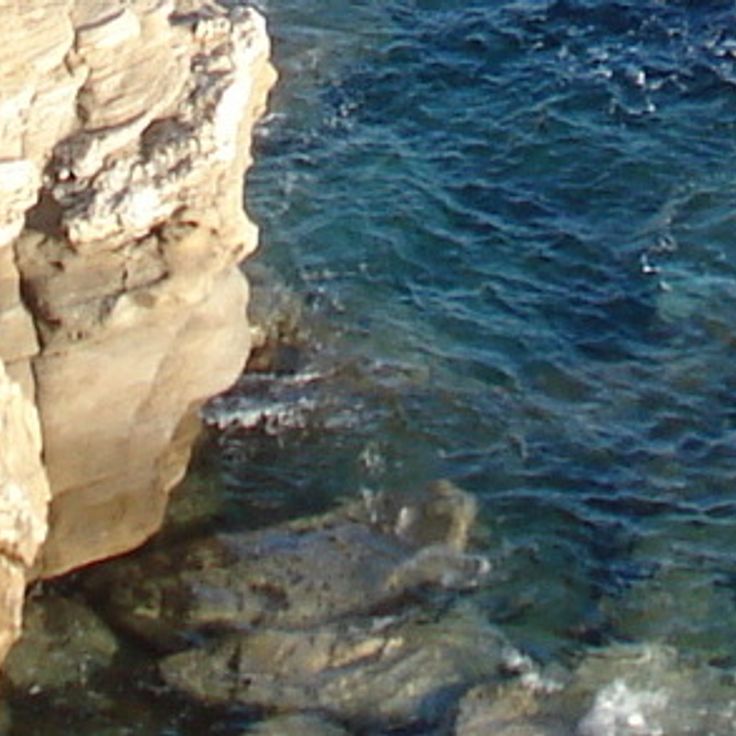
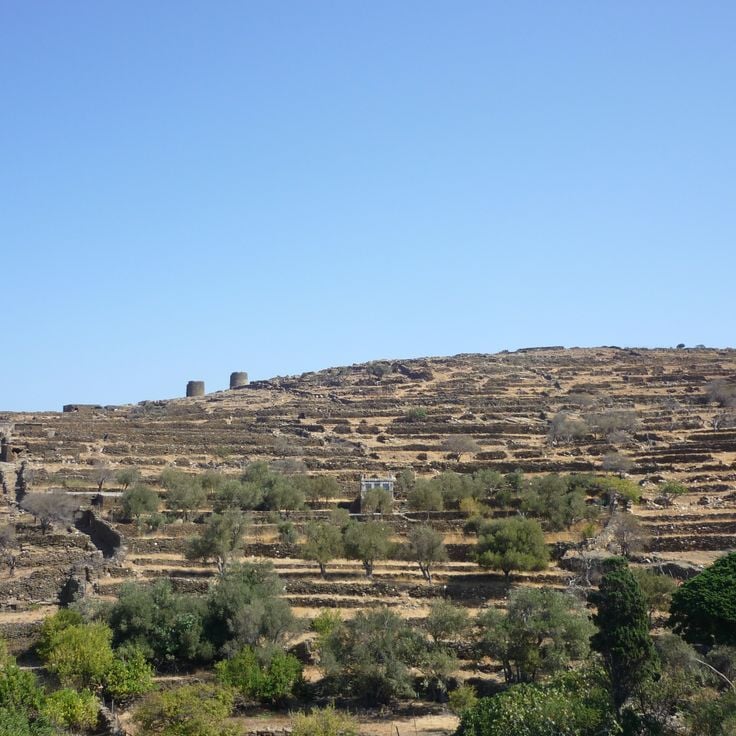
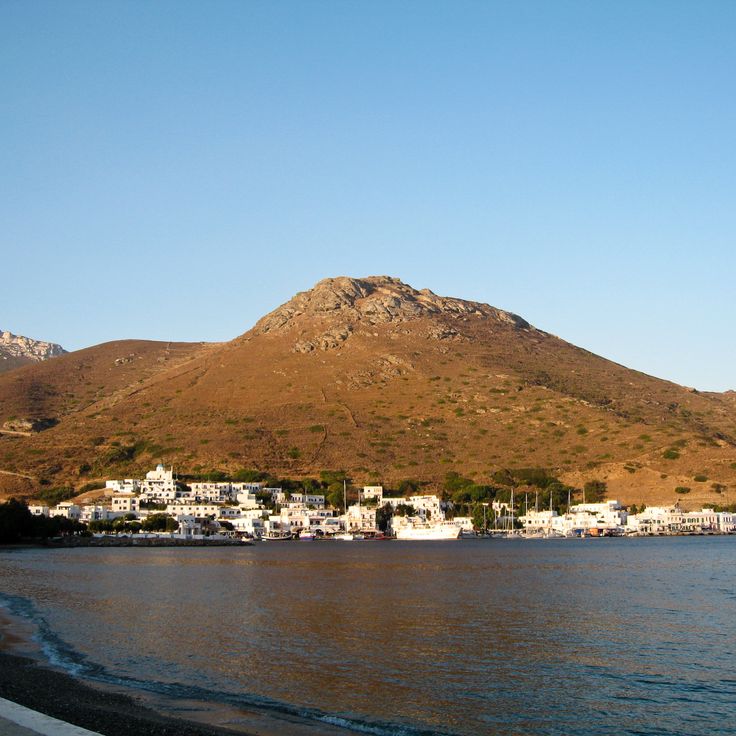
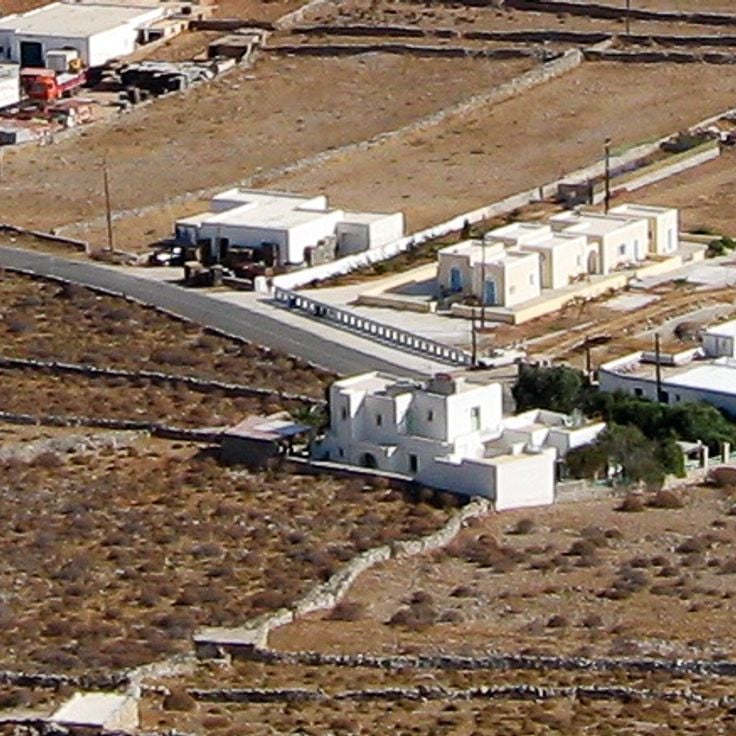
The Greek islands offer different landscapes for each trip, whether you want peace, history, or good food with a beautiful view of the sea.
The Greek islands wait for every traveler. Whether you look for a place to relax, want to learn about history, or just sit at a table with fresh seafood watching the water – here you will find what you seek. The islands have drawn people for generations with their white Cyclades houses, where small streets lead between terraces. On islands like Crete or Kefalonia, there are caves, cliffs, and beaches reachable by mountain paths. Each island has its own feel: Corfu with its Venetian style buildings, Rhodes with its medieval city surrounded by walls, and Paros with a slow pace in the mountains. From the west part of the group to the far east, each place has something different — quiet villages where nothing has changed for hundreds of years, and ports full of colorful houses reflected in the water. Visiting them in season helps you feel their energy, while going outside the season shows life as it really is.
The Greek islands offer different landscapes for each trip, whether you want peace, history, or good food with a beautiful view of the sea.
The Greek islands wait for every traveler. Whether you look for a place to relax, want to learn about history, or just sit at a table with fresh seafood watching the water – here you will find what you seek. The islands have drawn people for generations with their white Cyclades houses, where small streets lead between terraces. On islands like Crete or Kefalonia, there are caves, cliffs, and beaches reachable by mountain paths. Each island has its own feel: Corfu with its Venetian style buildings, Rhodes with its medieval city surrounded by walls, and Paros with a slow pace in the mountains. From the west part of the group to the far east, each place has something different — quiet villages where nothing has changed for hundreds of years, and ports full of colorful houses reflected in the water. Visiting them in season helps you feel their energy, while going outside the season shows life as it really is.
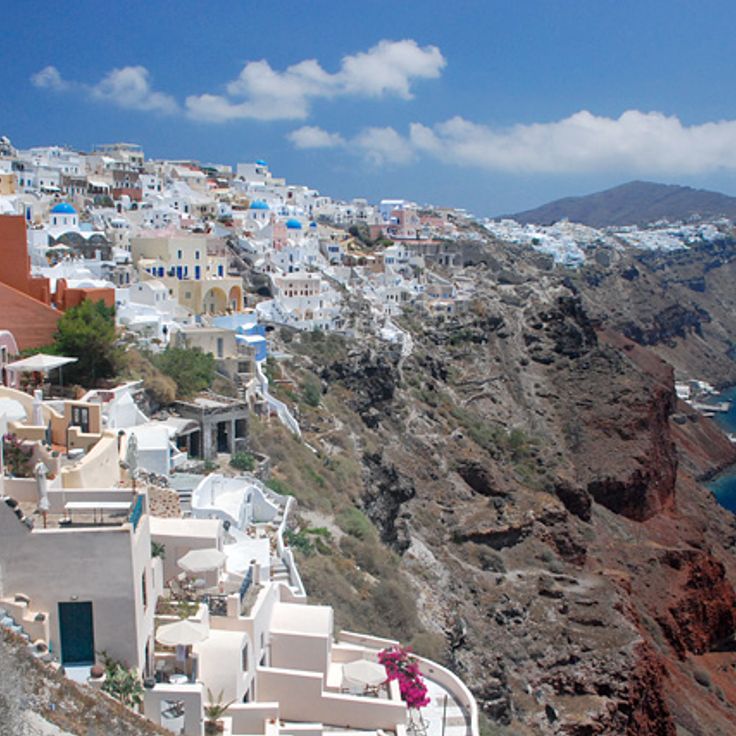
Santorini sits in the Cyclades and is one of the most visited Greek islands. The village of Oia, with its white houses and blue domes, clings to the top of cliffs that drop straight into the sea. The island was shaped by a volcanic eruption, and the caldera below is a reminder of that past. Visitors walk narrow lanes, stop at small cafés overlooking the water, and watch the light shift across the rock face throughout the day. The beaches are black or red, colored by the volcanic stone beneath them.
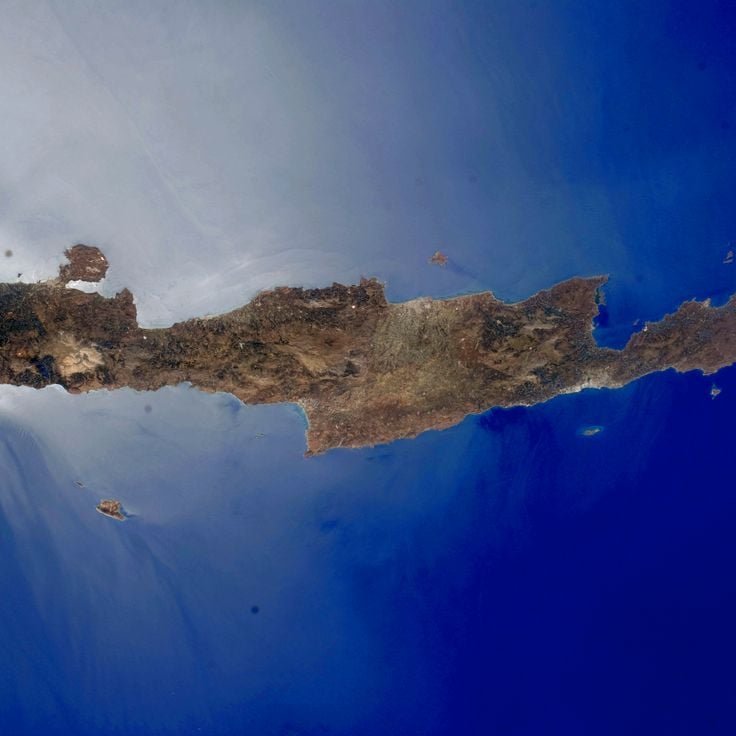
Crete is the largest of the Greek islands and one of the most diverse. Its western mountains are crossed by gorges and dotted with villages where old habits still hold. The coastline alternates between long sandy beaches and rocky coves. Cretan cooking is among the richest in Greece, built around olive oil, fresh cheese, seafood and slow-cooked dishes. The island was also the heart of the Minoan civilization, and sites like Knossos offer a window into a very ancient past.
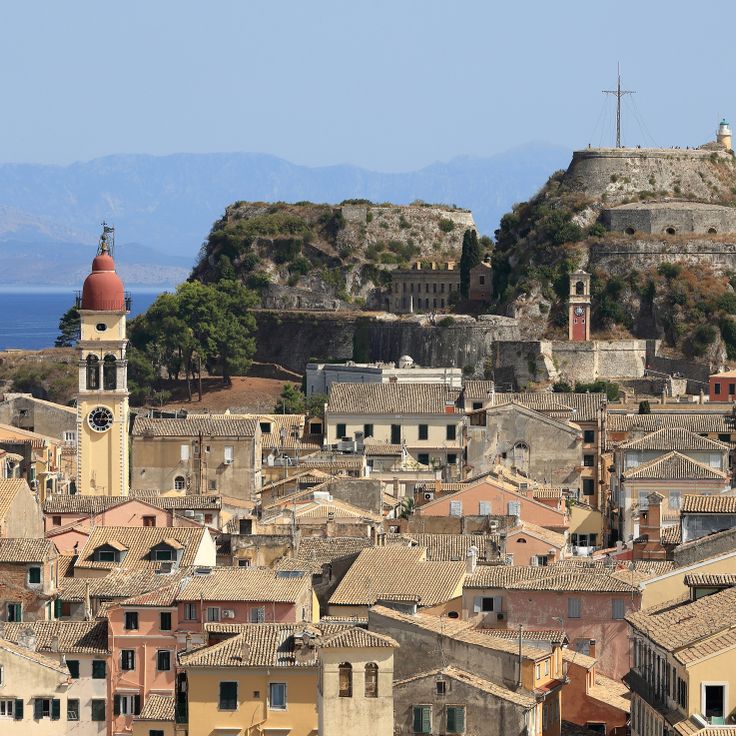
Corfu sits in the Ionian Sea and stands apart from the Cyclades with its Venetian architecture. The old town is surrounded by old fortresses, and its narrow lanes stay shaded through the day. The interior of the island is green, covered with olive groves and cypress trees. Beaches range from rocky coves to long stretches of sand.
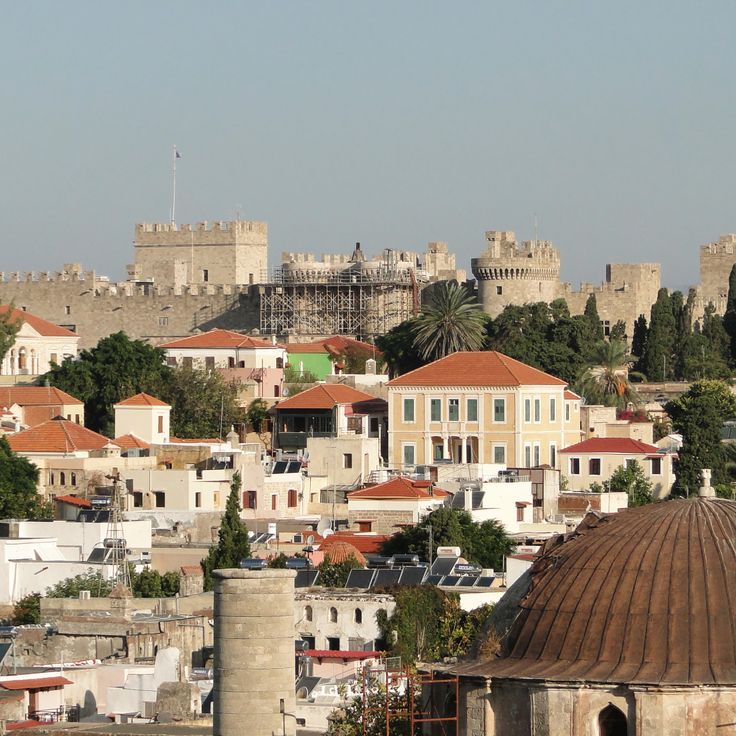
Rhodes is a large island in the Dodecanese where a medieval old town sits behind stone walls that have stood for centuries. Walking through its narrow streets, you pass old knights' buildings, small churches and local shops. The coastline offers long sandy beaches and ancient ruins such as Kamiros and Ialysos. Rhodes feels like a place where history and everyday life exist side by side, from the harbor to the hilltop villages.
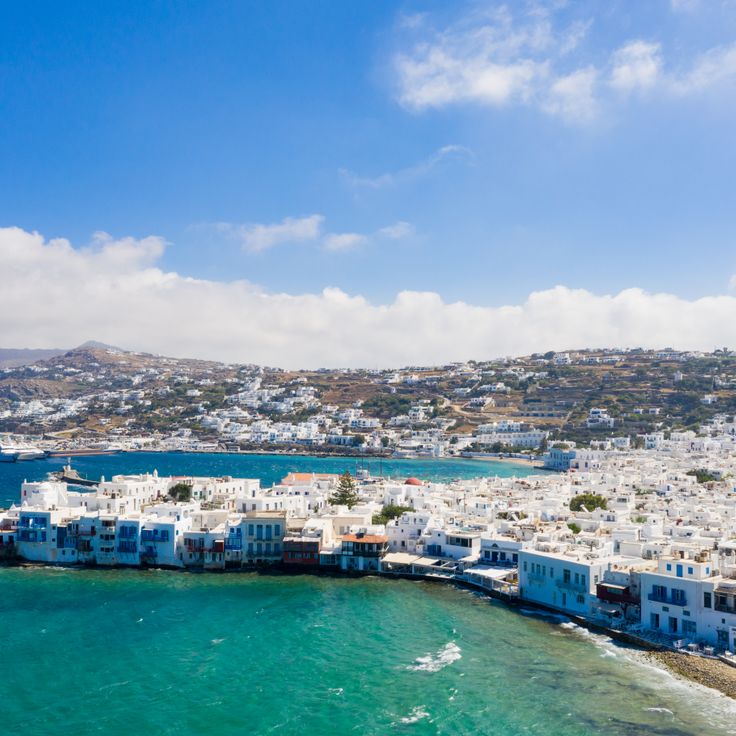
Mykonos is an island in the Cyclades known for its white houses and narrow alleys. During the day, small beaches and café terraces invite you to sit and stay a while. In the evening, bars and restaurants fill up and the night can go on for a long time. The windmills near the port and the small Orthodox churches are part of the island's look. Mykonos draws an international crowd, but it remains a Cycladic island with real fishing harbors and local markets.
Naxos is the largest island in the Cyclades and one of the greenest. Inland, mountain villages follow a slow daily rhythm that has stayed the same for generations. Along the coast, long sandy beaches stretch without the crowds that gather on neighboring islands. Local food is known for its cheese, potatoes, and wine, all produced on the island itself. Naxos brings together everyday Greek life and an ancient history that can still be seen in the temples and towers scattered across the interior.
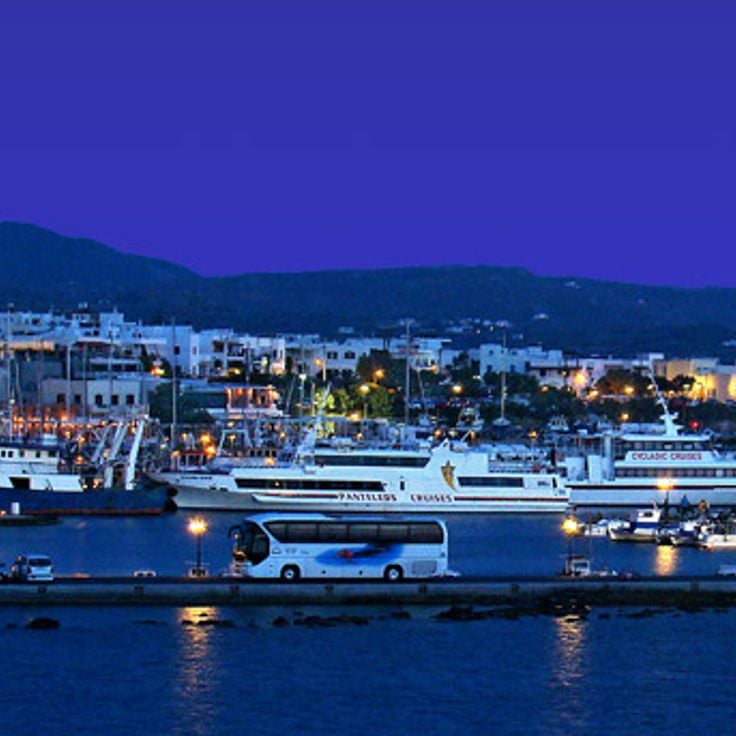
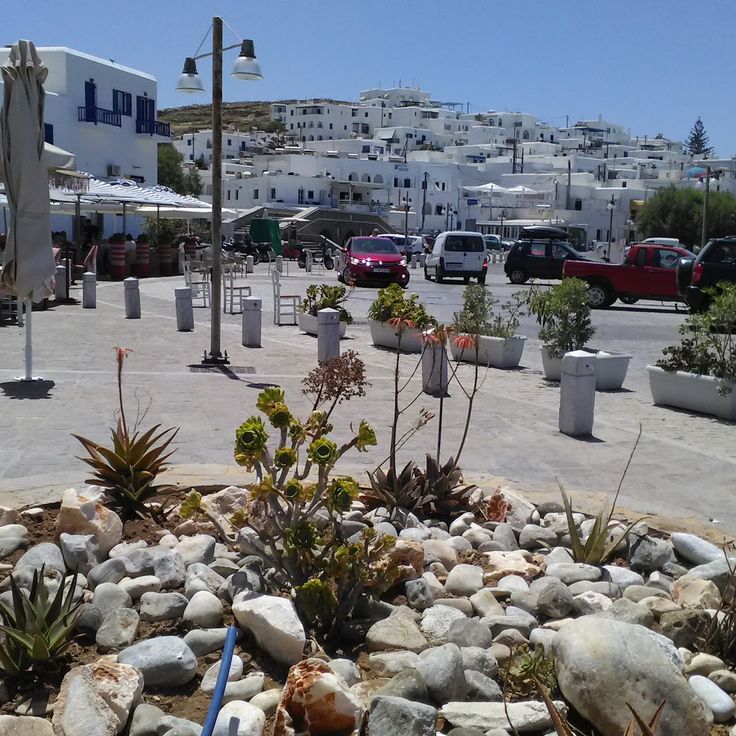
Paros sits in the heart of the Cyclades and mixes the slow pace of village life with the energy of busy ports and tavernas. The town of Parikia, with its white church, is a good starting point. Naoussa, in the north, draws visitors with its narrow lanes and lively harbor. The beaches are long and easy to reach. Paros also works well as a base for day trips to smaller islands like Antiparos.
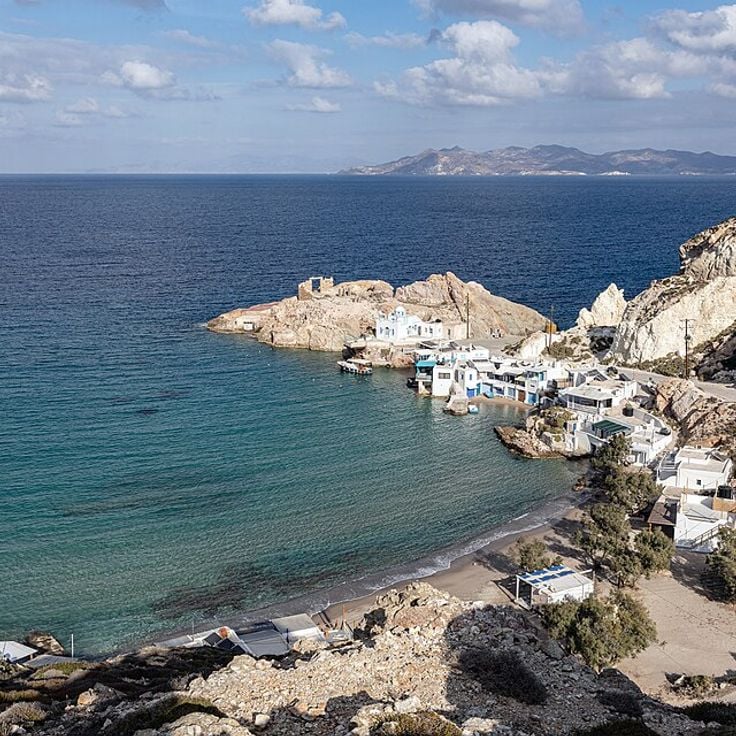
Milos is a Cycladic island shaped by ancient volcanic activity. The rock formations along the coast come in shades of white, yellow, and deep red, carved by the sea over centuries. Small fishing villages sit near the water, and the beaches are tucked between cliffs and colorful stone. It feels less crowded than many Greek islands, and the landscape has a raw, open quality that makes it stand out in the Aegean.
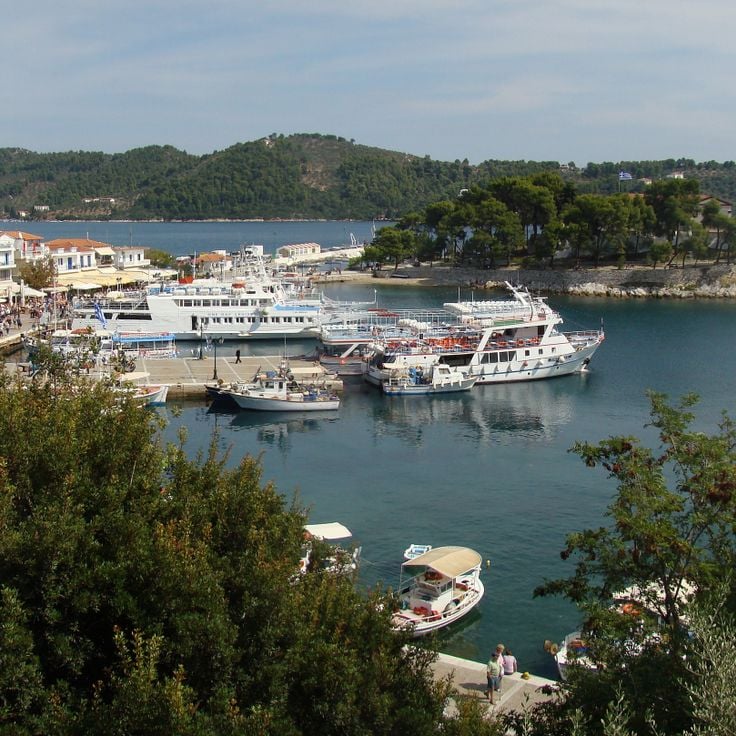
Skiathos is a small island in the northern Aegean, part of the Sporades group. Pine forests cover the hills and run down to the water's edge. The island has many beaches, with fine sand and clear water. In summer, the port town of Skiathos fills up quickly, with tavernas and cafés spilling into the lanes. Koukounaries is one of the most famous beaches in Greece, set at the edge of a pine forest. Those who venture further from the main beaches will find quieter coves reachable only by boat.
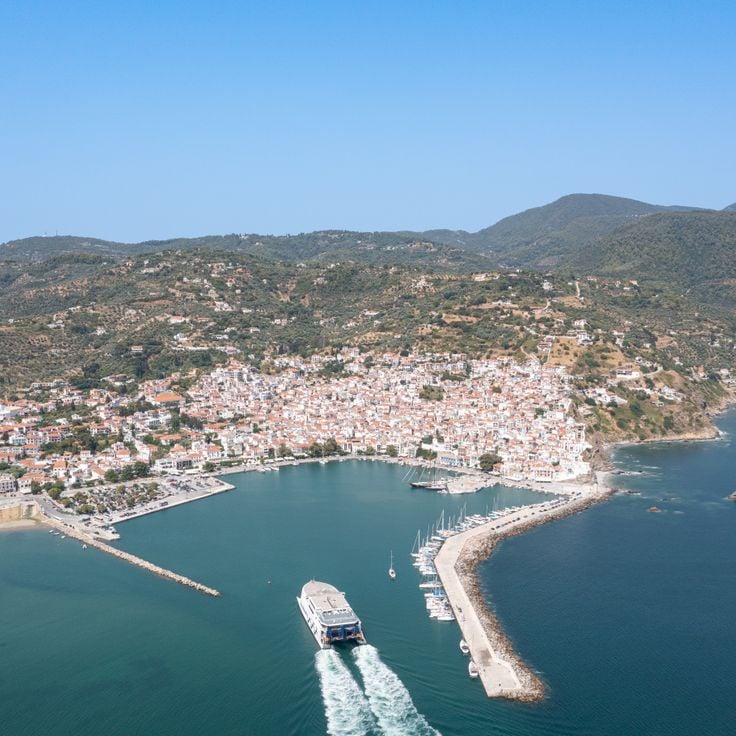
Skopelos is an island in the Sporades covered in pine and olive trees that grow right down to the shore. The main town sits on a hillside above the harbor, with white houses, blue doors and a large number of small churches. The film Mamma Mia! brought the island international attention, but daily life here moves at a slow pace. Many beaches are shaded by trees, giving them a green, wooded feel. The village streets are lined with small tavernas, bakeries and local shops.
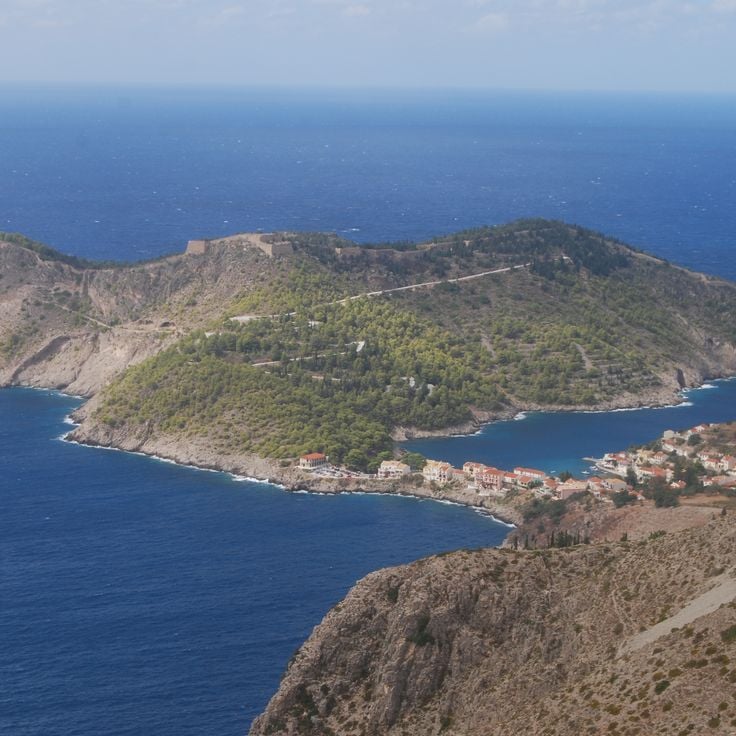
Kefalonia is an Ionian island where cliffs, caves, and long beaches come together. The Melissani Cave, partially open to the sky, lets sunlight fall directly onto the underground lake below. The villages are small and life there moves slowly. Even in summer, the island keeps a pace that feels closer to everyday Greek life than to mass tourism.
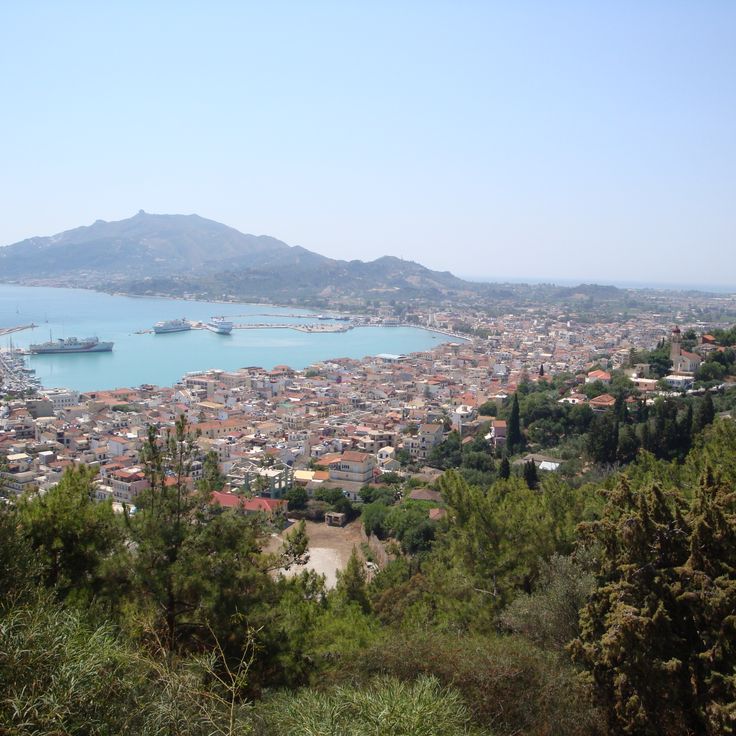
Zakynthos, known as Zante, is an Ionian island off the west coast of Greece. Its most photographed spot is Navagio Beach, a cove with a shipwreck resting on white pebbles, framed by tall limestone cliffs and reachable only by boat. Along the coast, Caretta Caretta sea turtles come ashore to lay their eggs, making Zante one of their main nesting grounds in the Mediterranean. Sea caves along the north coast glow with blue light that filters through the water. Inland, olive groves and small villages follow a slow, steady rhythm.
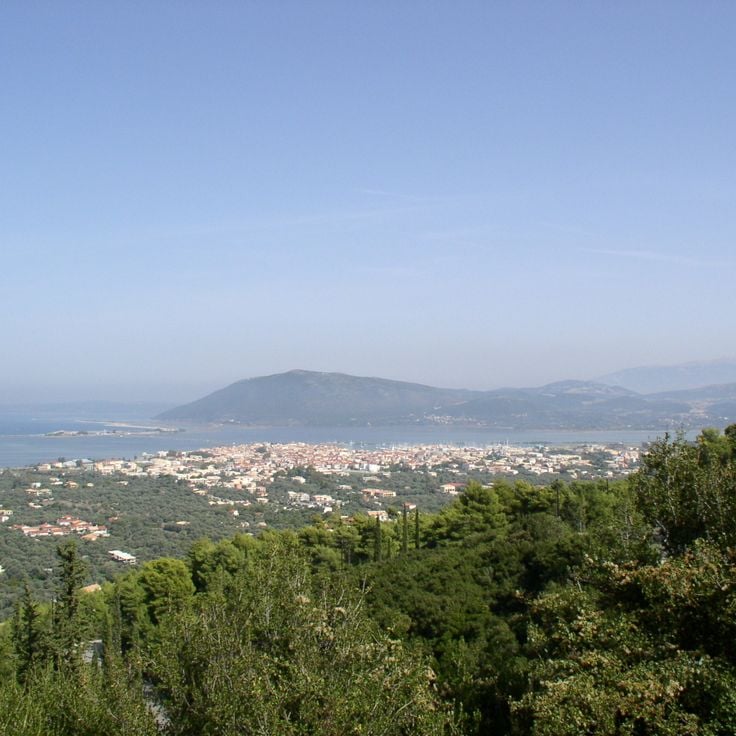
Lefkada is one of the few Greek islands you can reach by road, connected to the mainland by a bridge. It sits in the Ionian Sea and is known for its beaches, where the water turns a deep shade of blue. Inland, villages sit among olive groves and vineyards, and life moves at a slow pace. Beaches like Porto Katsiki and Egremni, with white pebbles and high limestone cliffs, are among the most photographed in Greece.
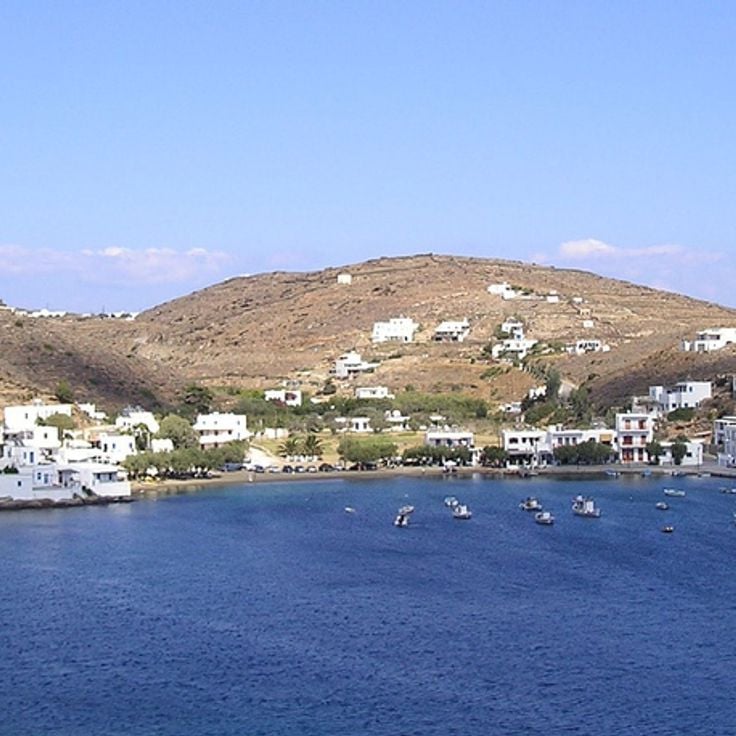
Sifnos is a Cycladic island in the Aegean Sea, best known for its food culture. For generations, the islanders have maintained a strong cooking tradition, and local tavernas serve simple dishes made with ingredients from the island. The white villages sit on hills or hillsides, connected by narrow lanes. Life here moves at a slow pace, far from any crowds.
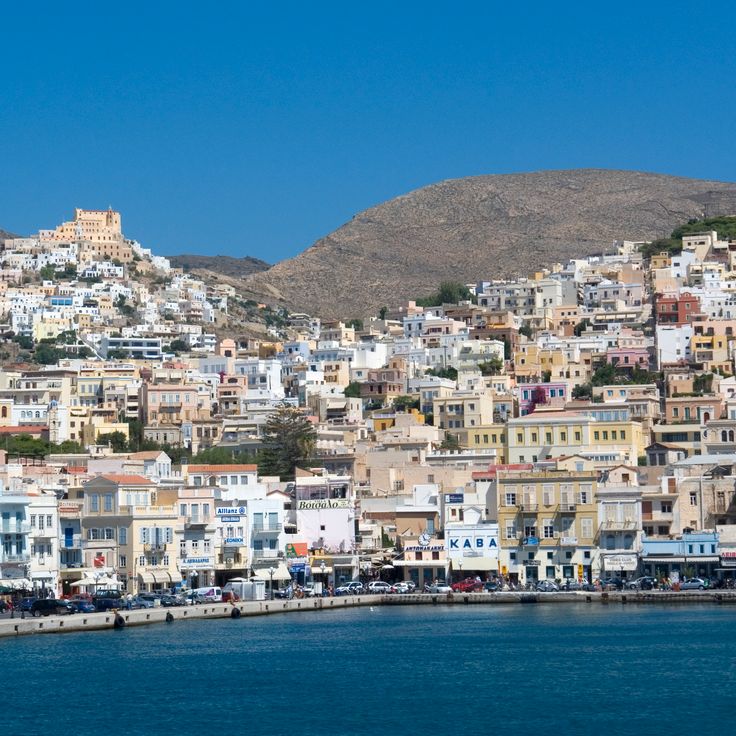
Syros is the capital of the Cyclades and looks quite different from the other islands in the group. Its main town, Ermoupoli, is lined with 19th-century mansions, a small opera house, and cafés where locals gather every evening. Unlike many of its neighbors, Syros stays alive year-round, not just in summer.
Andros sits at the northern end of the Cyclades and feels very different from its more visited neighbors. Hiking trails cross the island, passing through villages with Venetian towers and small waterfalls. Natural springs feed streams that run all year. The beaches see few crowds, the villages have changed little over the decades, and daily life moves at a pace set by the Greek families who have long made this island their own.
Tinos is a Greek island in the Cyclades known across the country as a place of pilgrimage. The church of Panagia Evangelistria draws the faithful throughout the year, and especially on August 15. Beyond this religious side, Tinos has marble villages, narrow alleys, and a countryside dotted with ornate dovecotes that give the island a character of its own.
Amorgos is a Cycladic island where cliffs drop sharply into the sea and the landscape feels raw and open. The monastery of Chozoviotissa clings to a white rock face about 1,000 feet (300 m) above the water. Villages are small and quiet, and the pace of life here is slow. Amorgos draws hikers and those looking for a Greek island that still feels off the beaten path.
Folegandros is a small Cycladic island best known for its quietness and its clifftop village of Chora, which sits about 650 feet (200 meters) above the sea. The alleys are narrow, the houses are whitewashed, and the views open wide over the Aegean. There are very few cars and almost no noise. The local food is simple and made from products grown on the island. Folegandros draws travelers who want to experience Greek island life without the crowds.
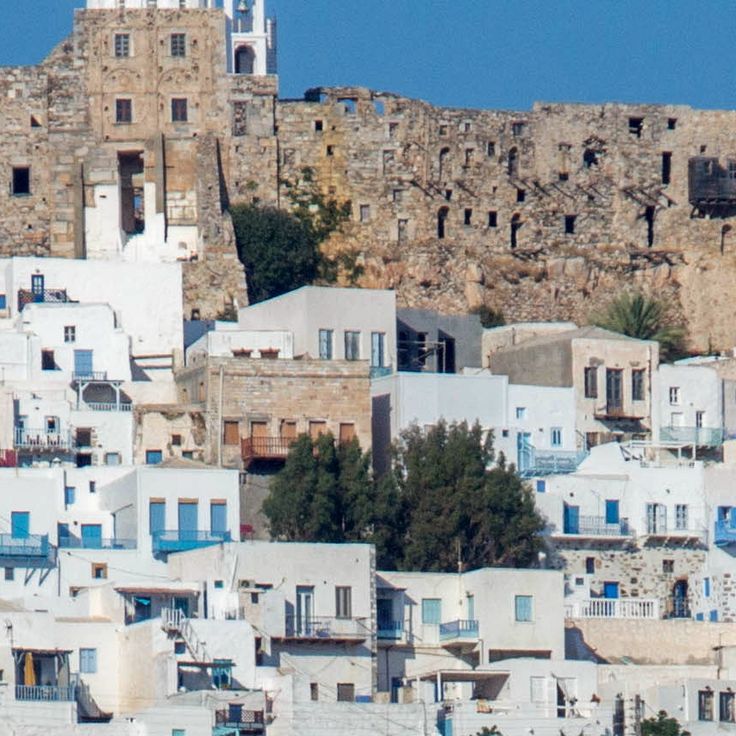
Astypalaia sits between the Cyclades and the Dodecanese, borrowing something from each. The whitewashed houses and windmills feel close to the Cycladic style, while the island belongs administratively to the Dodecanese. A castle rises above the main village, and narrow lanes run down toward the port. The beaches tend to be empty, and the pace of daily life is slow. This is one of the islands that Greeks themselves return to, drawn by its low-key feel and distance from the main tourist routes.
Patmos is a small island in the eastern Aegean, known above all for its religious history. A cave here is said to be where John wrote the Apocalypse, and an 11th-century monastery crowns the hill above the main village. The lanes of Chora are narrow and whitewashed, and life moves slowly. Pilgrims and travelers have come to Patmos side by side for centuries, and that mix still shapes the way the island feels today.
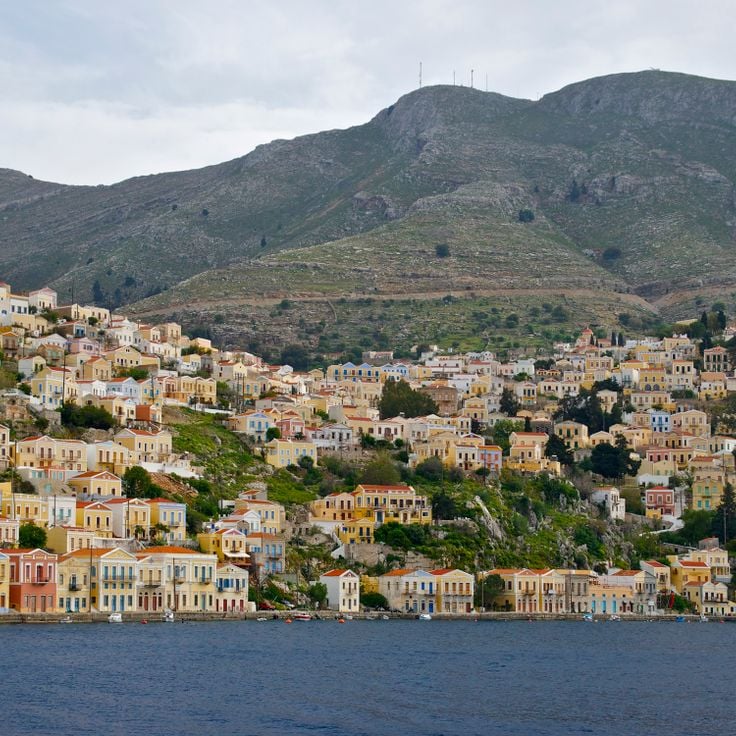
Symi is a small island in the Dodecanese with one of the most beautiful harbors in Greece. Colorful neoclassical houses (some dating back to the 19th century) rise steeply from the water, giving the port a theatrical quality that is hard to forget. The streets behind the waterfront are narrow and mostly on foot. Farther inland, old monasteries and dry hillside paths offer a slower pace away from the boats.
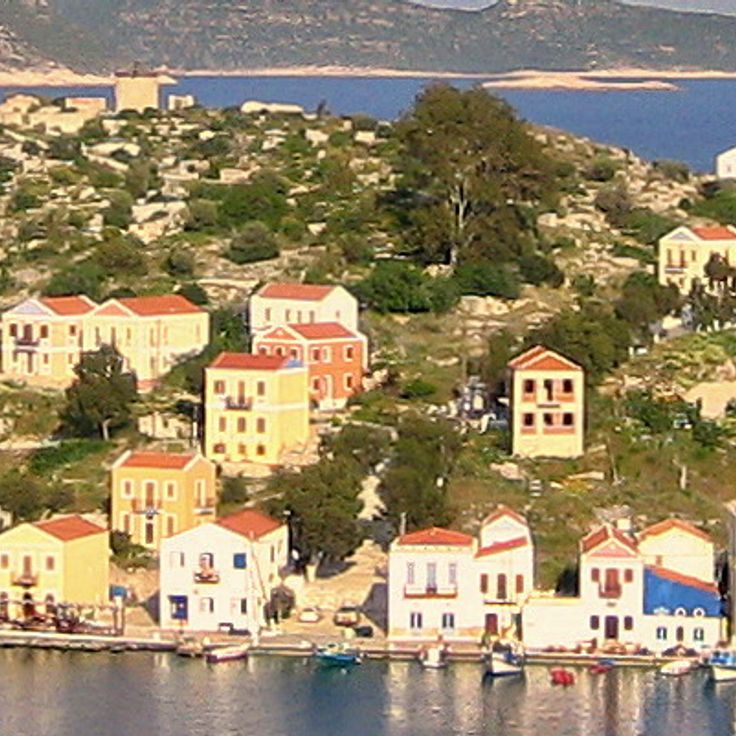
Kastellórizo is the easternmost island in Greece, sitting just off the Turkish coast. The harbor is lined with colorful houses that reflect in the water, and the village is small enough to walk across in a few minutes. Despite its remote location, the island draws visitors who come for the diving and the slow pace of daily life. A famous blue grotto can only be reached by boat.
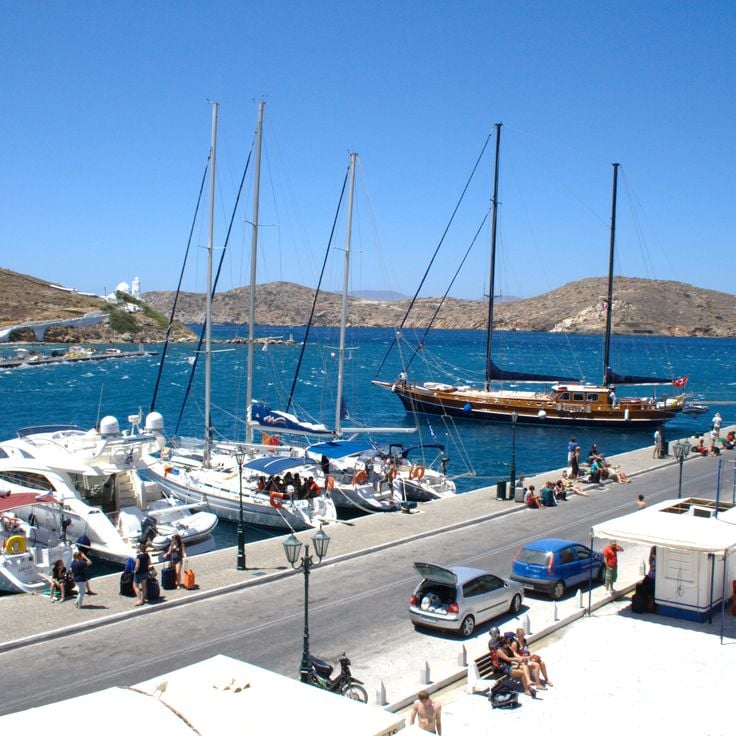
Ios is a Cycladic island that reveals a different side outside of peak season. The white village sits on a hill above the sea, with narrow lanes and small churches around every corner. In spring and fall, the beaches empty out and the pace of life slows down considerably, making it easy to enjoy a meal by the water or walk from one cove to the next without crowds.
Hydra is a small island in the Saronic Gulf, not far from Athens. There are no cars or motorcycles on Hydra. You get around on foot or by donkey through the narrow lanes. The port village is lined with white and ochre houses that climb up the hillside. Many Greek artists and writers have lived here over the years, giving the place a very particular feel. Life moves slowly and without noise.
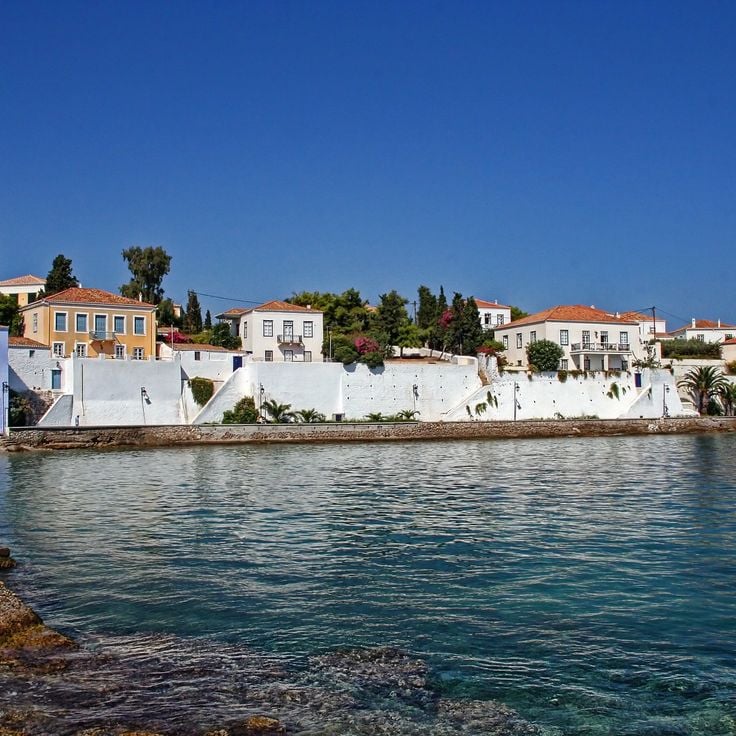
Spetses is an island in the Saronic group, a short boat ride from the Peloponnese coast. Cars are largely banned here, leaving the streets to horse-drawn carriages, bicycles, and people on foot. The old mansions from the 18th and 19th centuries tell of a time when the island grew wealthy through maritime trade. Spetses draws many Athenians looking for a slower pace of life.
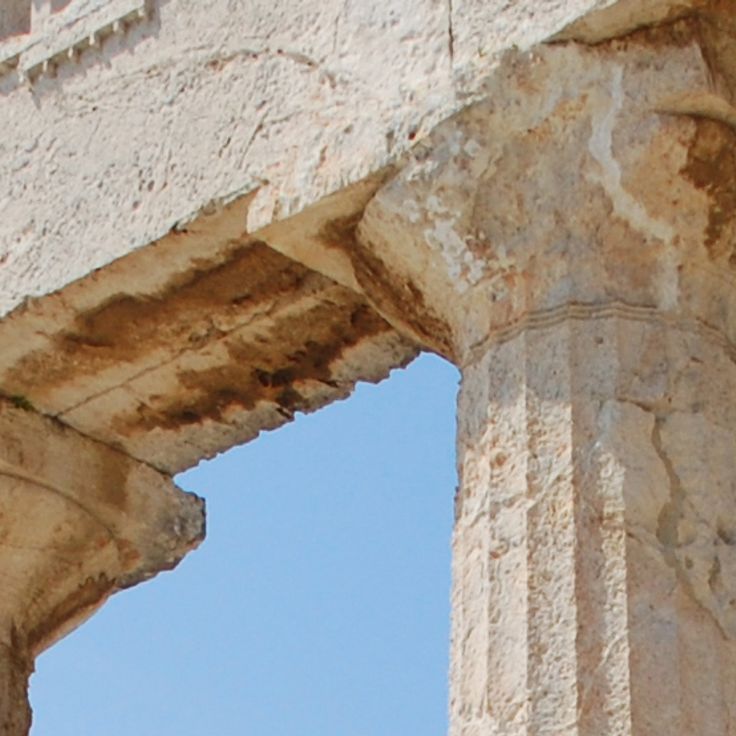
Aegina sits just a short ferry ride from Athens and is where many Athenians head for a weekend away. The island has a well-preserved temple of Aphaia dating back to the 5th century BC, fishing villages with colorful boats, and pistachio orchards that cover much of the land. It feels relaxed and unhurried, with a pace that draws people back season after season.
Chios is an island in the northeastern Aegean Sea, just a few miles (kilometers) from the Turkish coast. It is home to medieval villages built by the Genoese, with narrow alleyways and stone walls that have stood for centuries. Chios is also known for something found nowhere else in the world: mastic, a resin drawn from trees that grow only in the southern part of the island. This resin has been used for centuries in food, medicine, and cosmetics.
Lesbos is the third largest Greek island, sitting in the northeastern Aegean Sea close to the Turkish coast. The interior shifts between olive groves that are among the oldest in the world, rocky hills, and green valleys. The village of Molyvos in the north sits on a rocky outcrop above the sea, with narrow cobblestone lanes and a Byzantine castle. Mytilini, the main town, has a busy waterfront, Ottoman buildings, and markets where you can find local ouzo and olive oil. In the south, there is a petrified forest made up of ancient tree trunks. The island's food is known for sardines, local cheeses, and anise-based spirits.
Ikaria is a Greek island in the northeastern Aegean, known for the long lives of its residents. People here eat simply, sleep deeply, and spend evenings together without rushing. The villages are small, the roads wind through the hills, and nature is always close. Travelers who come to Ikaria often find themselves slowing down without even trying.
Santorini sits in the Cyclades and is one of the most visited Greek islands. The village of Oia, with its white houses and blue domes, clings to the top of cliffs that drop straight into the sea. The island was shaped by a volcanic eruption, and the caldera below is a reminder of that past. Visitors walk narrow lanes, stop at small cafés overlooking the water, and watch the light shift across the rock face throughout the day. The beaches are black or red, colored by the volcanic stone beneath them.
Crete is the largest of the Greek islands and one of the most diverse. Its western mountains are crossed by gorges and dotted with villages where old habits still hold. The coastline alternates between long sandy beaches and rocky coves. Cretan cooking is among the richest in Greece, built around olive oil, fresh cheese, seafood and slow-cooked dishes. The island was also the heart of the Minoan civilization, and sites like Knossos offer a window into a very ancient past.
Corfu sits in the Ionian Sea and stands apart from the Cyclades with its Venetian architecture. The old town is surrounded by old fortresses, and its narrow lanes stay shaded through the day. The interior of the island is green, covered with olive groves and cypress trees. Beaches range from rocky coves to long stretches of sand.
Rhodes is a large island in the Dodecanese where a medieval old town sits behind stone walls that have stood for centuries. Walking through its narrow streets, you pass old knights' buildings, small churches and local shops. The coastline offers long sandy beaches and ancient ruins such as Kamiros and Ialysos. Rhodes feels like a place where history and everyday life exist side by side, from the harbor to the hilltop villages.
Mykonos is an island in the Cyclades known for its white houses and narrow alleys. During the day, small beaches and café terraces invite you to sit and stay a while. In the evening, bars and restaurants fill up and the night can go on for a long time. The windmills near the port and the small Orthodox churches are part of the island's look. Mykonos draws an international crowd, but it remains a Cycladic island with real fishing harbors and local markets.
Naxos is the largest island in the Cyclades and one of the greenest. Inland, mountain villages follow a slow daily rhythm that has stayed the same for generations. Along the coast, long sandy beaches stretch without the crowds that gather on neighboring islands. Local food is known for its cheese, potatoes, and wine, all produced on the island itself. Naxos brings together everyday Greek life and an ancient history that can still be seen in the temples and towers scattered across the interior.
Paros sits in the heart of the Cyclades and mixes the slow pace of village life with the energy of busy ports and tavernas. The town of Parikia, with its white church, is a good starting point. Naoussa, in the north, draws visitors with its narrow lanes and lively harbor. The beaches are long and easy to reach. Paros also works well as a base for day trips to smaller islands like Antiparos.
Milos is a Cycladic island shaped by ancient volcanic activity. The rock formations along the coast come in shades of white, yellow, and deep red, carved by the sea over centuries. Small fishing villages sit near the water, and the beaches are tucked between cliffs and colorful stone. It feels less crowded than many Greek islands, and the landscape has a raw, open quality that makes it stand out in the Aegean.
Skiathos is a small island in the northern Aegean, part of the Sporades group. Pine forests cover the hills and run down to the water's edge. The island has many beaches, with fine sand and clear water. In summer, the port town of Skiathos fills up quickly, with tavernas and cafés spilling into the lanes. Koukounaries is one of the most famous beaches in Greece, set at the edge of a pine forest. Those who venture further from the main beaches will find quieter coves reachable only by boat.
Skopelos is an island in the Sporades covered in pine and olive trees that grow right down to the shore. The main town sits on a hillside above the harbor, with white houses, blue doors and a large number of small churches. The film Mamma Mia! brought the island international attention, but daily life here moves at a slow pace. Many beaches are shaded by trees, giving them a green, wooded feel. The village streets are lined with small tavernas, bakeries and local shops.
Kefalonia is an Ionian island where cliffs, caves, and long beaches come together. The Melissani Cave, partially open to the sky, lets sunlight fall directly onto the underground lake below. The villages are small and life there moves slowly. Even in summer, the island keeps a pace that feels closer to everyday Greek life than to mass tourism.
Zakynthos, known as Zante, is an Ionian island off the west coast of Greece. Its most photographed spot is Navagio Beach, a cove with a shipwreck resting on white pebbles, framed by tall limestone cliffs and reachable only by boat. Along the coast, Caretta Caretta sea turtles come ashore to lay their eggs, making Zante one of their main nesting grounds in the Mediterranean. Sea caves along the north coast glow with blue light that filters through the water. Inland, olive groves and small villages follow a slow, steady rhythm.
Lefkada is one of the few Greek islands you can reach by road, connected to the mainland by a bridge. It sits in the Ionian Sea and is known for its beaches, where the water turns a deep shade of blue. Inland, villages sit among olive groves and vineyards, and life moves at a slow pace. Beaches like Porto Katsiki and Egremni, with white pebbles and high limestone cliffs, are among the most photographed in Greece.
Sifnos is a Cycladic island in the Aegean Sea, best known for its food culture. For generations, the islanders have maintained a strong cooking tradition, and local tavernas serve simple dishes made with ingredients from the island. The white villages sit on hills or hillsides, connected by narrow lanes. Life here moves at a slow pace, far from any crowds.
Syros is the capital of the Cyclades and looks quite different from the other islands in the group. Its main town, Ermoupoli, is lined with 19th-century mansions, a small opera house, and cafés where locals gather every evening. Unlike many of its neighbors, Syros stays alive year-round, not just in summer.
Andros sits at the northern end of the Cyclades and feels very different from its more visited neighbors. Hiking trails cross the island, passing through villages with Venetian towers and small waterfalls. Natural springs feed streams that run all year. The beaches see few crowds, the villages have changed little over the decades, and daily life moves at a pace set by the Greek families who have long made this island their own.
Tinos is a Greek island in the Cyclades known across the country as a place of pilgrimage. The church of Panagia Evangelistria draws the faithful throughout the year, and especially on August 15. Beyond this religious side, Tinos has marble villages, narrow alleys, and a countryside dotted with ornate dovecotes that give the island a character of its own.
Amorgos is a Cycladic island where cliffs drop sharply into the sea and the landscape feels raw and open. The monastery of Chozoviotissa clings to a white rock face about 1,000 feet (300 m) above the water. Villages are small and quiet, and the pace of life here is slow. Amorgos draws hikers and those looking for a Greek island that still feels off the beaten path.
Folegandros is a small Cycladic island best known for its quietness and its clifftop village of Chora, which sits about 650 feet (200 meters) above the sea. The alleys are narrow, the houses are whitewashed, and the views open wide over the Aegean. There are very few cars and almost no noise. The local food is simple and made from products grown on the island. Folegandros draws travelers who want to experience Greek island life without the crowds.
Astypalaia sits between the Cyclades and the Dodecanese, borrowing something from each. The whitewashed houses and windmills feel close to the Cycladic style, while the island belongs administratively to the Dodecanese. A castle rises above the main village, and narrow lanes run down toward the port. The beaches tend to be empty, and the pace of daily life is slow. This is one of the islands that Greeks themselves return to, drawn by its low-key feel and distance from the main tourist routes.
Patmos is a small island in the eastern Aegean, known above all for its religious history. A cave here is said to be where John wrote the Apocalypse, and an 11th-century monastery crowns the hill above the main village. The lanes of Chora are narrow and whitewashed, and life moves slowly. Pilgrims and travelers have come to Patmos side by side for centuries, and that mix still shapes the way the island feels today.
Symi is a small island in the Dodecanese with one of the most beautiful harbors in Greece. Colorful neoclassical houses (some dating back to the 19th century) rise steeply from the water, giving the port a theatrical quality that is hard to forget. The streets behind the waterfront are narrow and mostly on foot. Farther inland, old monasteries and dry hillside paths offer a slower pace away from the boats.
Kastellórizo is the easternmost island in Greece, sitting just off the Turkish coast. The harbor is lined with colorful houses that reflect in the water, and the village is small enough to walk across in a few minutes. Despite its remote location, the island draws visitors who come for the diving and the slow pace of daily life. A famous blue grotto can only be reached by boat.
Ios is a Cycladic island that reveals a different side outside of peak season. The white village sits on a hill above the sea, with narrow lanes and small churches around every corner. In spring and fall, the beaches empty out and the pace of life slows down considerably, making it easy to enjoy a meal by the water or walk from one cove to the next without crowds.
Hydra is a small island in the Saronic Gulf, not far from Athens. There are no cars or motorcycles on Hydra. You get around on foot or by donkey through the narrow lanes. The port village is lined with white and ochre houses that climb up the hillside. Many Greek artists and writers have lived here over the years, giving the place a very particular feel. Life moves slowly and without noise.
Spetses is an island in the Saronic group, a short boat ride from the Peloponnese coast. Cars are largely banned here, leaving the streets to horse-drawn carriages, bicycles, and people on foot. The old mansions from the 18th and 19th centuries tell of a time when the island grew wealthy through maritime trade. Spetses draws many Athenians looking for a slower pace of life.
Aegina sits just a short ferry ride from Athens and is where many Athenians head for a weekend away. The island has a well-preserved temple of Aphaia dating back to the 5th century BC, fishing villages with colorful boats, and pistachio orchards that cover much of the land. It feels relaxed and unhurried, with a pace that draws people back season after season.
Chios is an island in the northeastern Aegean Sea, just a few miles (kilometers) from the Turkish coast. It is home to medieval villages built by the Genoese, with narrow alleyways and stone walls that have stood for centuries. Chios is also known for something found nowhere else in the world: mastic, a resin drawn from trees that grow only in the southern part of the island. This resin has been used for centuries in food, medicine, and cosmetics.
Lesbos is the third largest Greek island, sitting in the northeastern Aegean Sea close to the Turkish coast. The interior shifts between olive groves that are among the oldest in the world, rocky hills, and green valleys. The village of Molyvos in the north sits on a rocky outcrop above the sea, with narrow cobblestone lanes and a Byzantine castle. Mytilini, the main town, has a busy waterfront, Ottoman buildings, and markets where you can find local ouzo and olive oil. In the south, there is a petrified forest made up of ancient tree trunks. The island's food is known for sardines, local cheeses, and anise-based spirits.
Ikaria is a Greek island in the northeastern Aegean, known for the long lives of its residents. People here eat simply, sleep deeply, and spend evenings together without rushing. The villages are small, the roads wind through the hills, and nature is always close. Travelers who come to Ikaria often find themselves slowing down without even trying.
Santorini sits in the Cyclades and is one of the most visited Greek islands. The village of Oia, with its white houses and blue domes, clings to the top of cliffs that drop straight into the sea. The island was shaped by a volcanic eruption, and the caldera below is a reminder of that past. Visitors walk narrow lanes, stop at small cafés overlooking the water, and watch the light shift across the rock face throughout the day. The beaches are black or red, colored by the volcanic stone beneath them.
Crete is the largest of the Greek islands and one of the most diverse. Its western mountains are crossed by gorges and dotted with villages where old habits still hold. The coastline alternates between long sandy beaches and rocky coves. Cretan cooking is among the richest in Greece, built around olive oil, fresh cheese, seafood and slow-cooked dishes. The island was also the heart of the Minoan civilization, and sites like Knossos offer a window into a very ancient past.
Corfu sits in the Ionian Sea and stands apart from the Cyclades with its Venetian architecture. The old town is surrounded by old fortresses, and its narrow lanes stay shaded through the day. The interior of the island is green, covered with olive groves and cypress trees. Beaches range from rocky coves to long stretches of sand.
Rhodes is a large island in the Dodecanese where a medieval old town sits behind stone walls that have stood for centuries. Walking through its narrow streets, you pass old knights' buildings, small churches and local shops. The coastline offers long sandy beaches and ancient ruins such as Kamiros and Ialysos. Rhodes feels like a place where history and everyday life exist side by side, from the harbor to the hilltop villages.
Mykonos is an island in the Cyclades known for its white houses and narrow alleys. During the day, small beaches and café terraces invite you to sit and stay a while. In the evening, bars and restaurants fill up and the night can go on for a long time. The windmills near the port and the small Orthodox churches are part of the island's look. Mykonos draws an international crowd, but it remains a Cycladic island with real fishing harbors and local markets.
Naxos is the largest island in the Cyclades and one of the greenest. Inland, mountain villages follow a slow daily rhythm that has stayed the same for generations. Along the coast, long sandy beaches stretch without the crowds that gather on neighboring islands. Local food is known for its cheese, potatoes, and wine, all produced on the island itself. Naxos brings together everyday Greek life and an ancient history that can still be seen in the temples and towers scattered across the interior.
Paros sits in the heart of the Cyclades and mixes the slow pace of village life with the energy of busy ports and tavernas. The town of Parikia, with its white church, is a good starting point. Naoussa, in the north, draws visitors with its narrow lanes and lively harbor. The beaches are long and easy to reach. Paros also works well as a base for day trips to smaller islands like Antiparos.
Milos is a Cycladic island shaped by ancient volcanic activity. The rock formations along the coast come in shades of white, yellow, and deep red, carved by the sea over centuries. Small fishing villages sit near the water, and the beaches are tucked between cliffs and colorful stone. It feels less crowded than many Greek islands, and the landscape has a raw, open quality that makes it stand out in the Aegean.
Skiathos is a small island in the northern Aegean, part of the Sporades group. Pine forests cover the hills and run down to the water's edge. The island has many beaches, with fine sand and clear water. In summer, the port town of Skiathos fills up quickly, with tavernas and cafés spilling into the lanes. Koukounaries is one of the most famous beaches in Greece, set at the edge of a pine forest. Those who venture further from the main beaches will find quieter coves reachable only by boat.
Skopelos is an island in the Sporades covered in pine and olive trees that grow right down to the shore. The main town sits on a hillside above the harbor, with white houses, blue doors and a large number of small churches. The film Mamma Mia! brought the island international attention, but daily life here moves at a slow pace. Many beaches are shaded by trees, giving them a green, wooded feel. The village streets are lined with small tavernas, bakeries and local shops.
Kefalonia is an Ionian island where cliffs, caves, and long beaches come together. The Melissani Cave, partially open to the sky, lets sunlight fall directly onto the underground lake below. The villages are small and life there moves slowly. Even in summer, the island keeps a pace that feels closer to everyday Greek life than to mass tourism.
Zakynthos, known as Zante, is an Ionian island off the west coast of Greece. Its most photographed spot is Navagio Beach, a cove with a shipwreck resting on white pebbles, framed by tall limestone cliffs and reachable only by boat. Along the coast, Caretta Caretta sea turtles come ashore to lay their eggs, making Zante one of their main nesting grounds in the Mediterranean. Sea caves along the north coast glow with blue light that filters through the water. Inland, olive groves and small villages follow a slow, steady rhythm.
Lefkada is one of the few Greek islands you can reach by road, connected to the mainland by a bridge. It sits in the Ionian Sea and is known for its beaches, where the water turns a deep shade of blue. Inland, villages sit among olive groves and vineyards, and life moves at a slow pace. Beaches like Porto Katsiki and Egremni, with white pebbles and high limestone cliffs, are among the most photographed in Greece.
Sifnos is a Cycladic island in the Aegean Sea, best known for its food culture. For generations, the islanders have maintained a strong cooking tradition, and local tavernas serve simple dishes made with ingredients from the island. The white villages sit on hills or hillsides, connected by narrow lanes. Life here moves at a slow pace, far from any crowds.
Syros is the capital of the Cyclades and looks quite different from the other islands in the group. Its main town, Ermoupoli, is lined with 19th-century mansions, a small opera house, and cafés where locals gather every evening. Unlike many of its neighbors, Syros stays alive year-round, not just in summer.
Andros sits at the northern end of the Cyclades and feels very different from its more visited neighbors. Hiking trails cross the island, passing through villages with Venetian towers and small waterfalls. Natural springs feed streams that run all year. The beaches see few crowds, the villages have changed little over the decades, and daily life moves at a pace set by the Greek families who have long made this island their own.
Tinos is a Greek island in the Cyclades known across the country as a place of pilgrimage. The church of Panagia Evangelistria draws the faithful throughout the year, and especially on August 15. Beyond this religious side, Tinos has marble villages, narrow alleys, and a countryside dotted with ornate dovecotes that give the island a character of its own.
Amorgos is a Cycladic island where cliffs drop sharply into the sea and the landscape feels raw and open. The monastery of Chozoviotissa clings to a white rock face about 1,000 feet (300 m) above the water. Villages are small and quiet, and the pace of life here is slow. Amorgos draws hikers and those looking for a Greek island that still feels off the beaten path.
Folegandros is a small Cycladic island best known for its quietness and its clifftop village of Chora, which sits about 650 feet (200 meters) above the sea. The alleys are narrow, the houses are whitewashed, and the views open wide over the Aegean. There are very few cars and almost no noise. The local food is simple and made from products grown on the island. Folegandros draws travelers who want to experience Greek island life without the crowds.
Astypalaia sits between the Cyclades and the Dodecanese, borrowing something from each. The whitewashed houses and windmills feel close to the Cycladic style, while the island belongs administratively to the Dodecanese. A castle rises above the main village, and narrow lanes run down toward the port. The beaches tend to be empty, and the pace of daily life is slow. This is one of the islands that Greeks themselves return to, drawn by its low-key feel and distance from the main tourist routes.
Patmos is a small island in the eastern Aegean, known above all for its religious history. A cave here is said to be where John wrote the Apocalypse, and an 11th-century monastery crowns the hill above the main village. The lanes of Chora are narrow and whitewashed, and life moves slowly. Pilgrims and travelers have come to Patmos side by side for centuries, and that mix still shapes the way the island feels today.
Symi is a small island in the Dodecanese with one of the most beautiful harbors in Greece. Colorful neoclassical houses (some dating back to the 19th century) rise steeply from the water, giving the port a theatrical quality that is hard to forget. The streets behind the waterfront are narrow and mostly on foot. Farther inland, old monasteries and dry hillside paths offer a slower pace away from the boats.
Kastellórizo is the easternmost island in Greece, sitting just off the Turkish coast. The harbor is lined with colorful houses that reflect in the water, and the village is small enough to walk across in a few minutes. Despite its remote location, the island draws visitors who come for the diving and the slow pace of daily life. A famous blue grotto can only be reached by boat.
Ios is a Cycladic island that reveals a different side outside of peak season. The white village sits on a hill above the sea, with narrow lanes and small churches around every corner. In spring and fall, the beaches empty out and the pace of life slows down considerably, making it easy to enjoy a meal by the water or walk from one cove to the next without crowds.
Hydra is a small island in the Saronic Gulf, not far from Athens. There are no cars or motorcycles on Hydra. You get around on foot or by donkey through the narrow lanes. The port village is lined with white and ochre houses that climb up the hillside. Many Greek artists and writers have lived here over the years, giving the place a very particular feel. Life moves slowly and without noise.
Spetses is an island in the Saronic group, a short boat ride from the Peloponnese coast. Cars are largely banned here, leaving the streets to horse-drawn carriages, bicycles, and people on foot. The old mansions from the 18th and 19th centuries tell of a time when the island grew wealthy through maritime trade. Spetses draws many Athenians looking for a slower pace of life.
Aegina sits just a short ferry ride from Athens and is where many Athenians head for a weekend away. The island has a well-preserved temple of Aphaia dating back to the 5th century BC, fishing villages with colorful boats, and pistachio orchards that cover much of the land. It feels relaxed and unhurried, with a pace that draws people back season after season.
Chios is an island in the northeastern Aegean Sea, just a few miles (kilometers) from the Turkish coast. It is home to medieval villages built by the Genoese, with narrow alleyways and stone walls that have stood for centuries. Chios is also known for something found nowhere else in the world: mastic, a resin drawn from trees that grow only in the southern part of the island. This resin has been used for centuries in food, medicine, and cosmetics.
Lesbos is the third largest Greek island, sitting in the northeastern Aegean Sea close to the Turkish coast. The interior shifts between olive groves that are among the oldest in the world, rocky hills, and green valleys. The village of Molyvos in the north sits on a rocky outcrop above the sea, with narrow cobblestone lanes and a Byzantine castle. Mytilini, the main town, has a busy waterfront, Ottoman buildings, and markets where you can find local ouzo and olive oil. In the south, there is a petrified forest made up of ancient tree trunks. The island's food is known for sardines, local cheeses, and anise-based spirits.
Ikaria is a Greek island in the northeastern Aegean, known for the long lives of its residents. People here eat simply, sleep deeply, and spend evenings together without rushing. The villages are small, the roads wind through the hills, and nature is always close. Travelers who come to Ikaria often find themselves slowing down without even trying.
When you choose an island, think about visiting it in May or September: you will find fewer tourists but still good weather, and you can eat at local restaurants without waiting for hours. Wear comfortable shoes with sturdy soles because the alleys are paved and often steep.