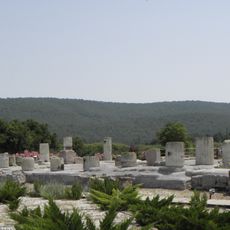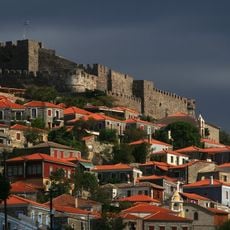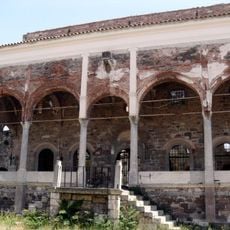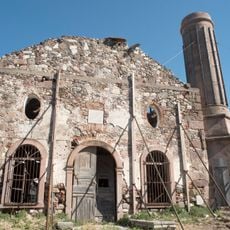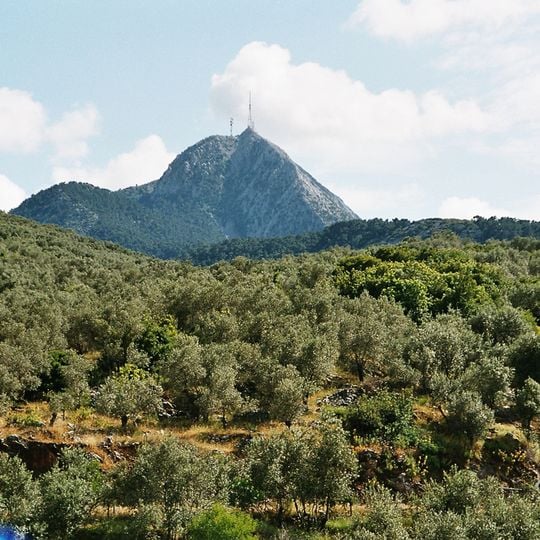
Lesbos, Greek island in North Aegean, Greece.
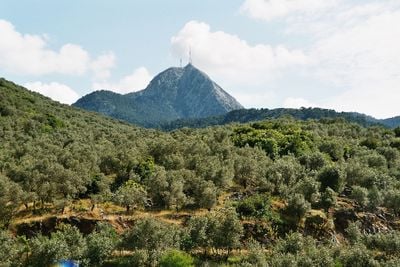
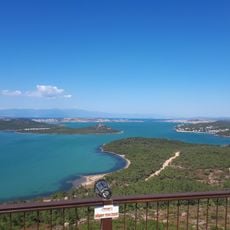
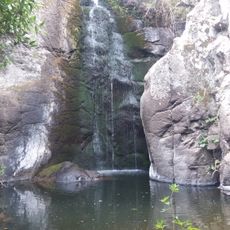
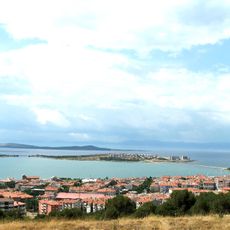
Lesbos is a Greek island in the northern Aegean and stretches across hills covered in pine, olive groves, and coastal plains interrupted by bays and cliffs. The terrain rises in the center and drops to fishing villages, sand beaches, and rocky headlands where salt pans and hot springs emerge.
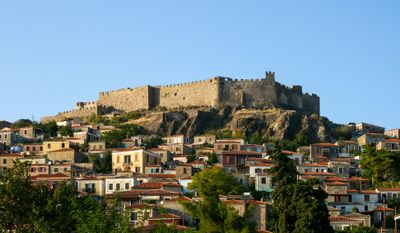
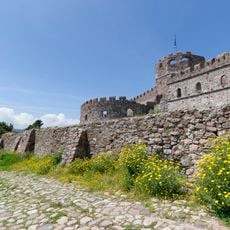
Ancient poets and philosophers drew patrons to the island in the 7th century BCE before Roman, Byzantine, and Ottoman rulers followed. It joined Greece in 1912 after a brief conflict and retained agricultural traditions that had developed over generations.
Local festivals follow the rhythm of the olive harvest and distillation season, with families passing down their own recipes for the anise spirit. In the villages, people gather in kafenia to share mezze plates of sardines and broad beans while traditional songs are played on the santuri.
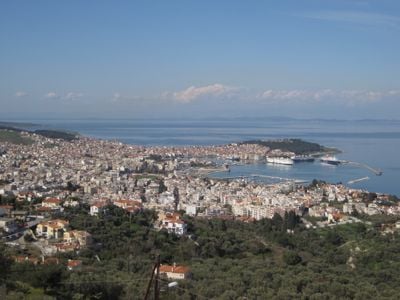
Visitors reach the island by plane in Mytilini or by ferry docking on the east coast, while guesthouses and rooms in private homes spread along the shoreline. Roads connect larger towns, but smaller bays often require driving over winding mountain routes or dirt tracks.
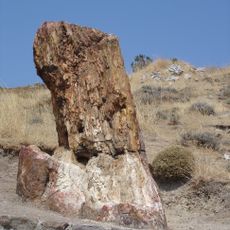
Fossilized tree trunks scattered near Sigri still show bark and growth rings preserved several million years ago by volcanic ash. The area allows visitors to recognize petrified roots and branches buried in the sediment.
The community of curious travelers
AroundUs brings together thousands of curated places, local tips, and hidden gems, enriched daily by 91,936 contributors worldwide.