See the monuments around you in AROpen chests in the app
Around Us is built for your phone — point your camera at the streets and discover the monuments and places around you in augmented reality.Around Us is built for your phone — chests unlock when you walk, explore and capture nearby places.
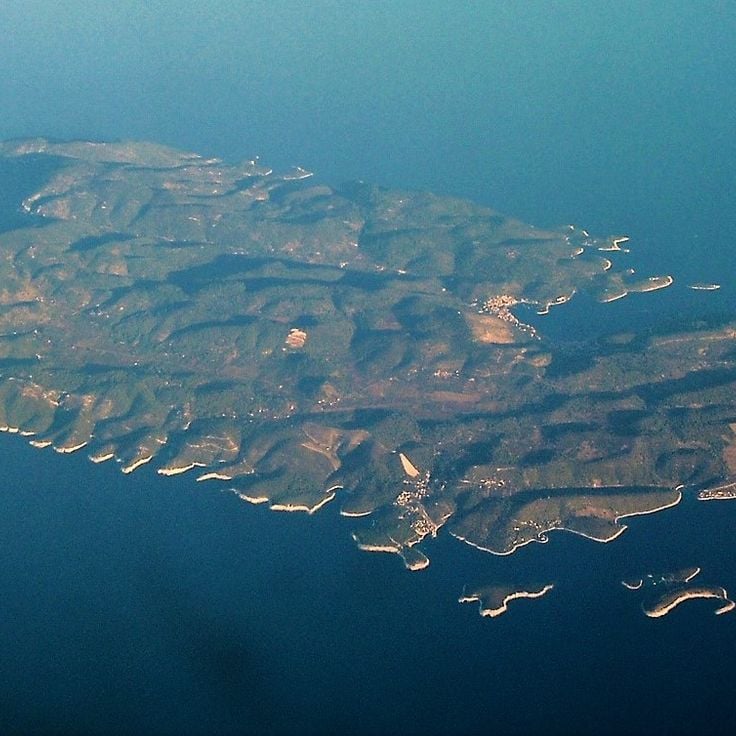
We present to you 25 Croatian islands in the Adriatic, each with its own character: medieval towns, beaches with white sand, cliffs, natural parks, and villages.
Each of the Croatian islands has its own character and landscape. You will find old towns with stone streets, white sandy beaches, cliffs overlooking blue water, thick forests, and villages where life changes with the seasons. Some islands attract many visitors, while others stay calm and less crowded. This mix makes each island different: from evening celebrations to starry nights, from local crafts to wild nature.
Some islands stand out for what makes them special. Hvar attracts visitors with its nightlife and lavender fields whose smell fills the air. Brač is known for a beach whose shape changes with the currents and wind. Korčula looks like a walled town on the water and is linked to stories about Marco Polo. Vis stayed closed to tourism for many years, which kept its simple way of life. Mljet has thick forests along saltwater lakes that surround an old monastery.
If you seek quiet, the smaller islands have it. Prvić and Silba have no cars, which keeps things slow. The sky over Lastovo is so free of light pollution that it is filled with stars from one end to the other. Krapanj, small as it is, keeps alive the tradition of collecting sea sponges. From busy groups of islands to remote villages, the Adriatic shows a different side at each stop.
We present to you 25 Croatian islands in the Adriatic, each with its own character: medieval towns, beaches with white sand, cliffs, natural parks, and villages.
Each of the Croatian islands has its own character and landscape. You will find old towns with stone streets, white sandy beaches, cliffs overlooking blue water, thick forests, and villages where life changes with the seasons. Some islands attract many visitors, while others stay calm and less crowded. This mix makes each island different: from evening celebrations to starry nights, from local crafts to wild nature.
Some islands stand out for what makes them special. Hvar attracts visitors with its nightlife and lavender fields whose smell fills the air. Brač is known for a beach whose shape changes with the currents and wind. Korčula looks like a walled town on the water and is linked to stories about Marco Polo. Vis stayed closed to tourism for many years, which kept its simple way of life. Mljet has thick forests along saltwater lakes that surround an old monastery.
If you seek quiet, the smaller islands have it. Prvić and Silba have no cars, which keeps things slow. The sky over Lastovo is so free of light pollution that it is filled with stars from one end to the other. Krapanj, small as it is, keeps alive the tradition of collecting sea sponges. From busy groups of islands to remote villages, the Adriatic shows a different side at each stop.
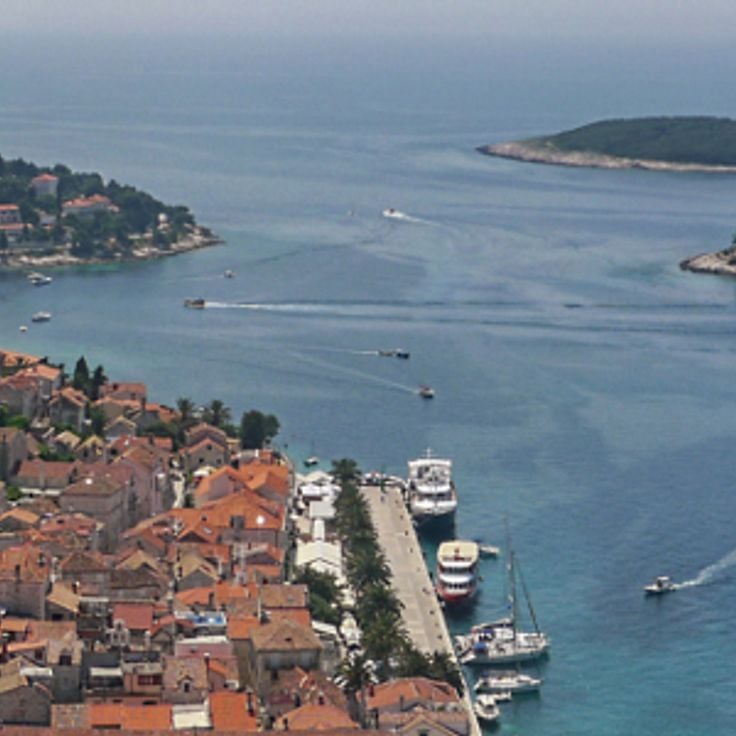
Hvar is an island in the central Adriatic, known for its lavender fields, stone alleys, and busy nightlife. The old town sits behind a Venetian fortress and looks out over a long square that serves as the main meeting point for locals and visitors alike. During the day, people walk between stone churches and small cafés. In the evening, the terraces and bars fill up quickly.
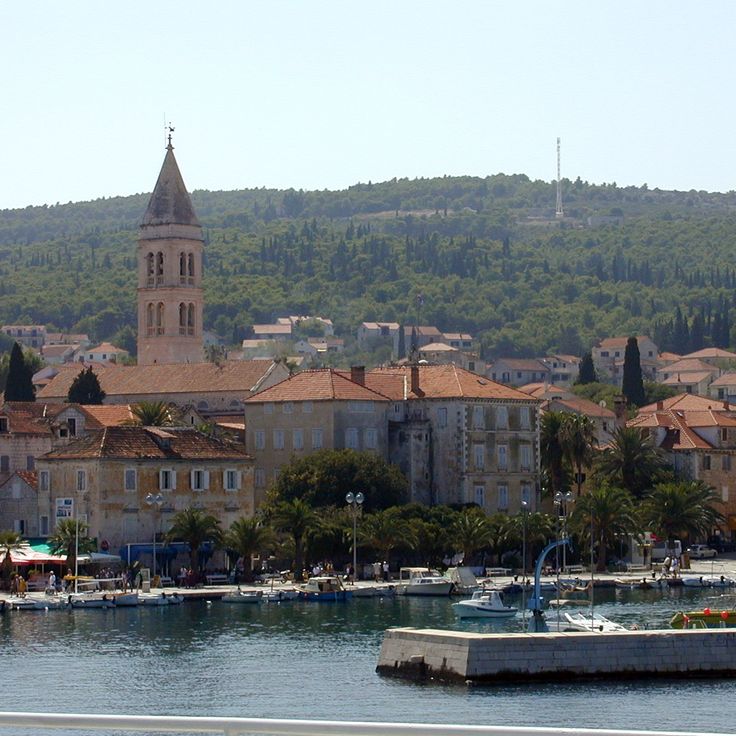
Brač is a Croatian island best known for Zlatni Rat, a beach whose tip shifts with the currents and winds. The sand is bright white against very blue water. Beyond the shore, the island has stone villages, olive groves, and dry-stone walls that speak to centuries of farming life. The local stone, quarried here for generations, was used in buildings as far away as Washington, D.C.
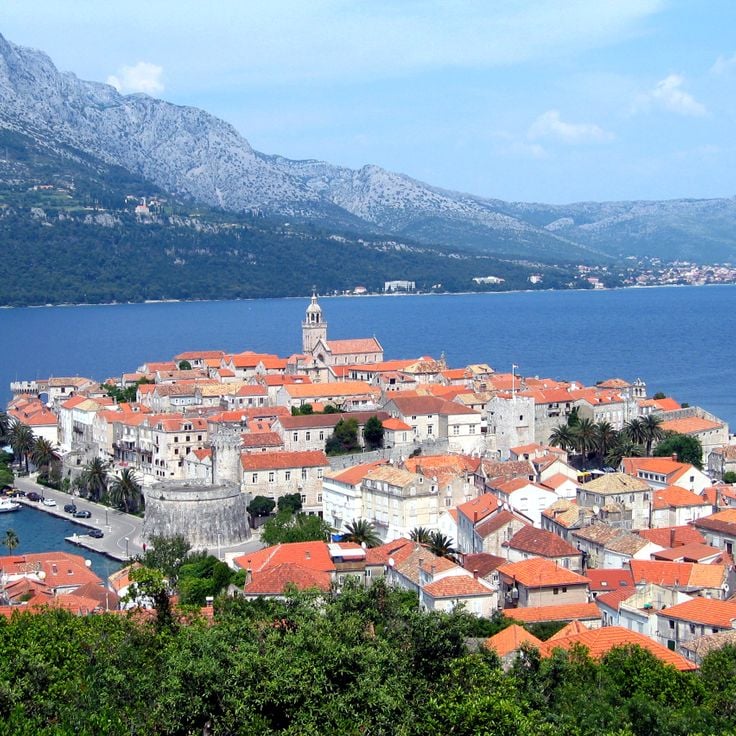
Korčula is a fortified town built on a small peninsula in the southern part of the island of the same name. Its narrow streets follow a herringbone pattern designed to channel the wind and keep the houses cool. Medieval towers and walls still stand almost intact around the old town. The town claims to be the birthplace of Marco Polo, though the story is debated. Daily life unfolds on stone squares and in small cafes tucked between old buildings.
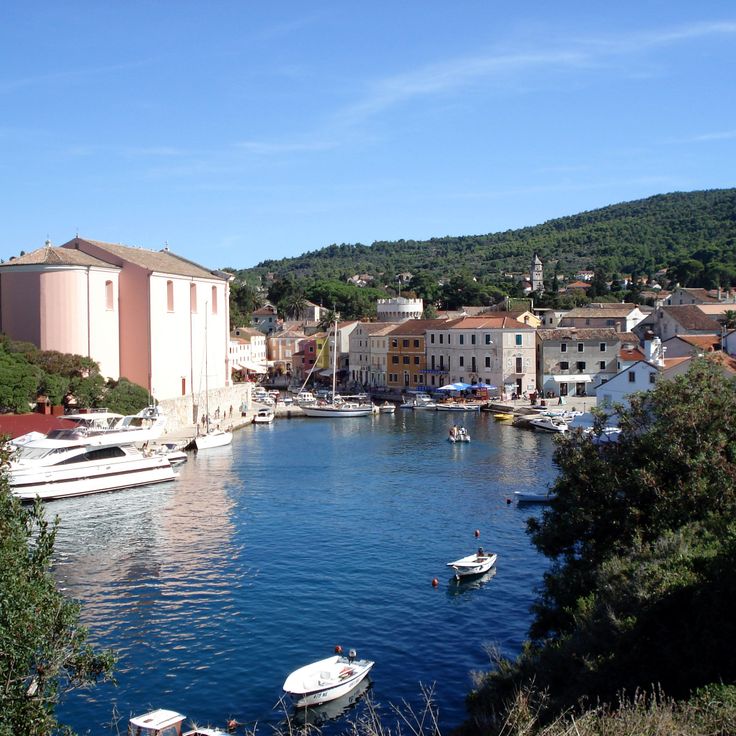
Vis spent decades as a restricted military zone, which kept large crowds away for a long time. Today, the island feels like a place where time slowed down. Small fishing villages, old fortifications, and stretches of coastline that look much as they did generations ago give Vis a character that sets it apart from the busier Croatian islands.
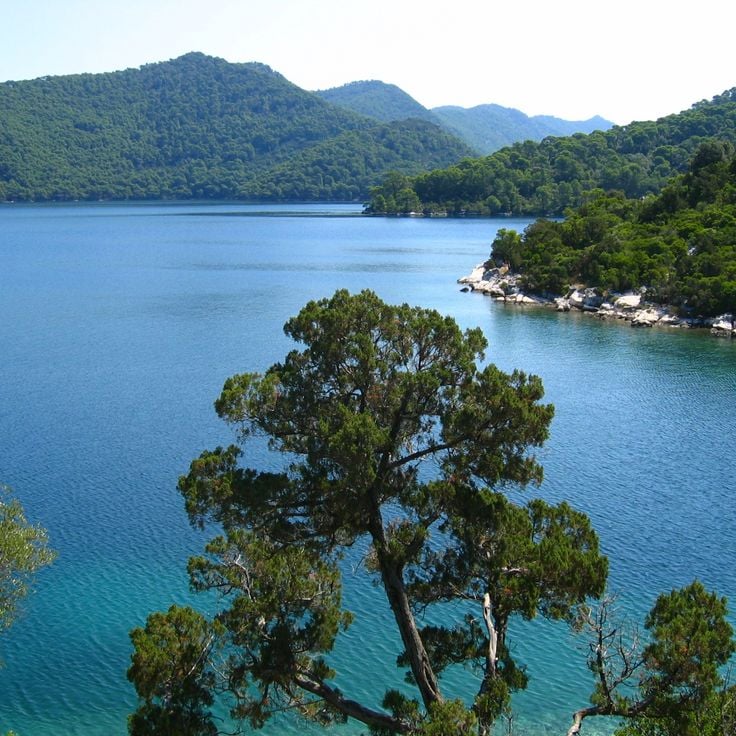
Mljet is an island in the southern Adriatic, not far from Dubrovnik. Much of the island is a national park, where dense forest grows right down to the water. At the heart of the park sit two saltwater lakes connected to the sea by a narrow channel. On a small islet in the middle of the larger lake stands a monastery dating back to the 12th century, reached by boat. The island moves at a slow pace, with few cars and a daily life shaped by nature.
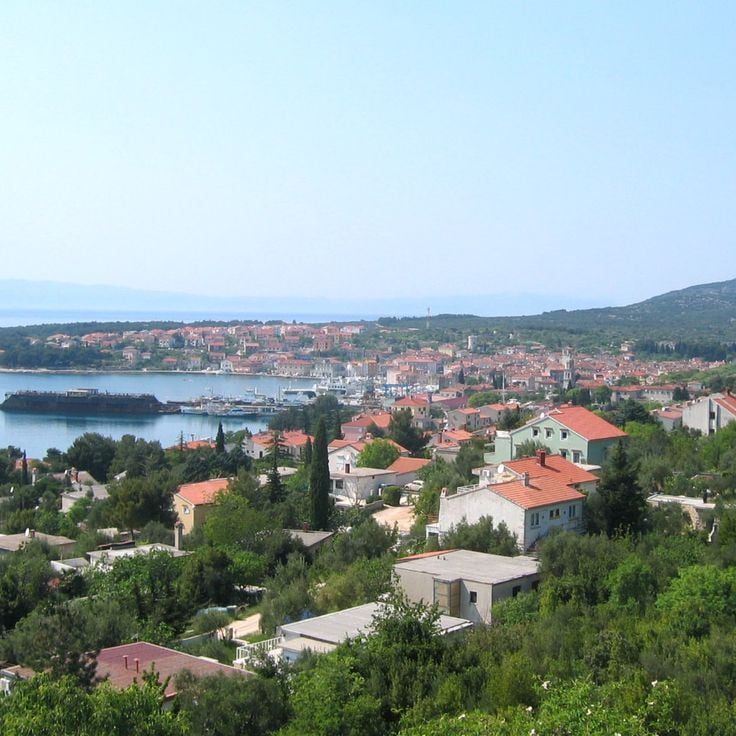
Cres is one of the largest islands in the Adriatic and feels wilder than most. Walking through its interior, you pass dense forests, stone walls, and villages that have been slowly emptying for generations. Along the coast, rocky coves alternate with steep cliffs dropping into clear water. The island is home to one of the last natural colonies of griffon vultures in Europe. On a clear day, you can watch them glide above the hills in wide, slow circles.
Lošinj sits in the northern Adriatic and has been known since the 19th century for its clean air, which doctors once prescribed to patients recovering from illness. The two main towns, Mali Lošinj and Veli Lošinj, line sheltered bays with rows of colorful houses reflected in the water. Wild dolphins live in the surrounding sea and can sometimes be spotted from the shore or a boat. Pine forests and coastal paths make it easy to spend a day simply walking.
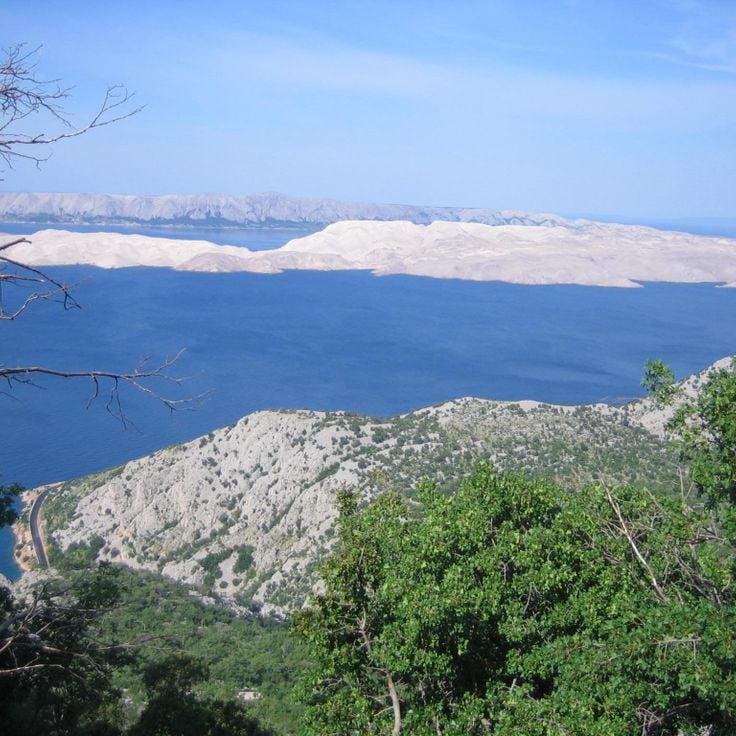
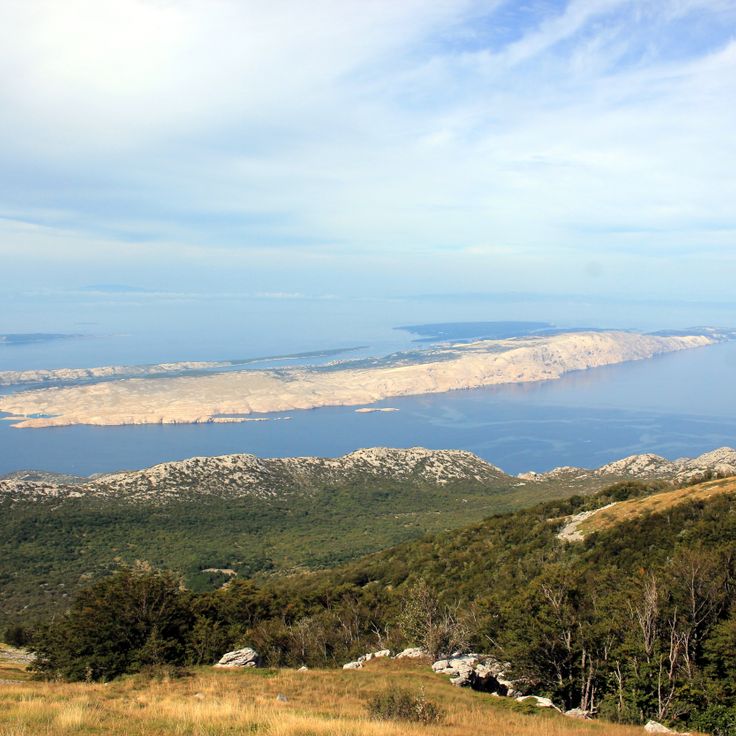
Pag is an island that looks unlike most others along the Croatian coast. Its land is bare and pale, shaped by wind and salt until it resembles a moonscape. The island is known for its cheese, made from the milk of sheep that graze on this open terrain, and for a lace tradition passed down through families over centuries. At the same time, the Zrće beach draws young visitors from across Europe looking for open-air parties.
Rab is a Croatian island in the Adriatic, known for its sandy beaches, a rarity along this rocky coastline. The medieval old town sits on a narrow peninsula jutting into the sea, topped by four stone bell towers you can spot from far away. Narrow lanes, stone walls and old churches fill the town. Wooded hills cover much of the island, while the sheltered bays offer calm, shallow water that draws families and swimmers throughout the summer.
Šolta sits just across the water from Split and sees far fewer visitors than its famous neighbors. The island is covered with olive groves and small stone villages, where daily life moves at its own pace. Its coves are rocky and quiet, and the roads wind through the interior without leading anywhere in particular. A good place to slow down.
Dugi Otok is a long, narrow island in the Adriatic Sea, known for its tall cliffs that drop straight into the water. The Telašćica Nature Park covers the southern tip of the island, where sheltered coves and a saltwater lake sit side by side. The beach at Sakarun, in the north, is one of the few sandy beaches on this part of the coast, with shallow, clear water and fine white sand. The island moves at a slow pace, and few tourists make it this far.
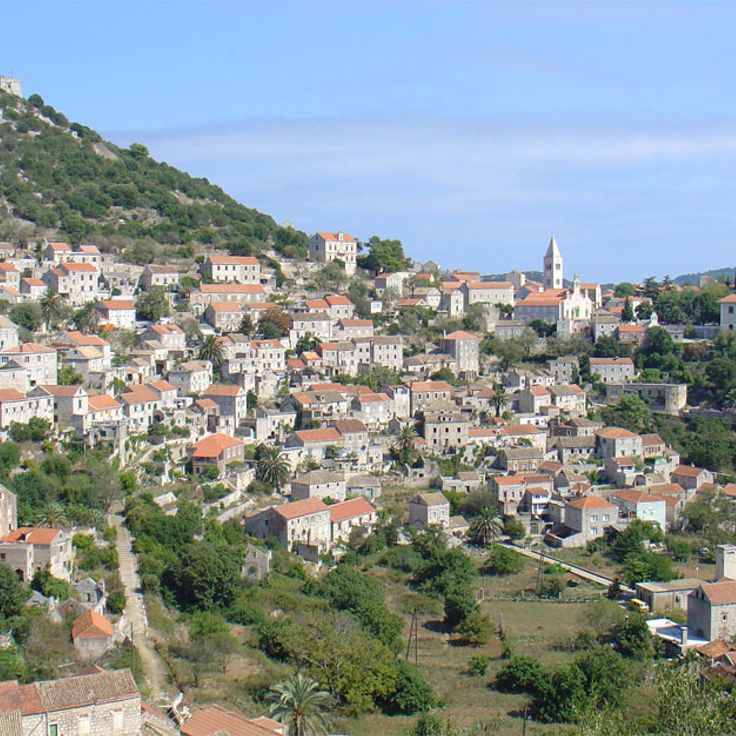
Lastovo is an island in southern Croatia that was closed to visitors for decades. Its isolation has kept light pollution away, making its night sky one of the darkest in Europe. On a clear night, the Milky Way is visible to the naked eye. During the day, the island's forests, coves and stone villages give a sense of a place that has changed very little over time.
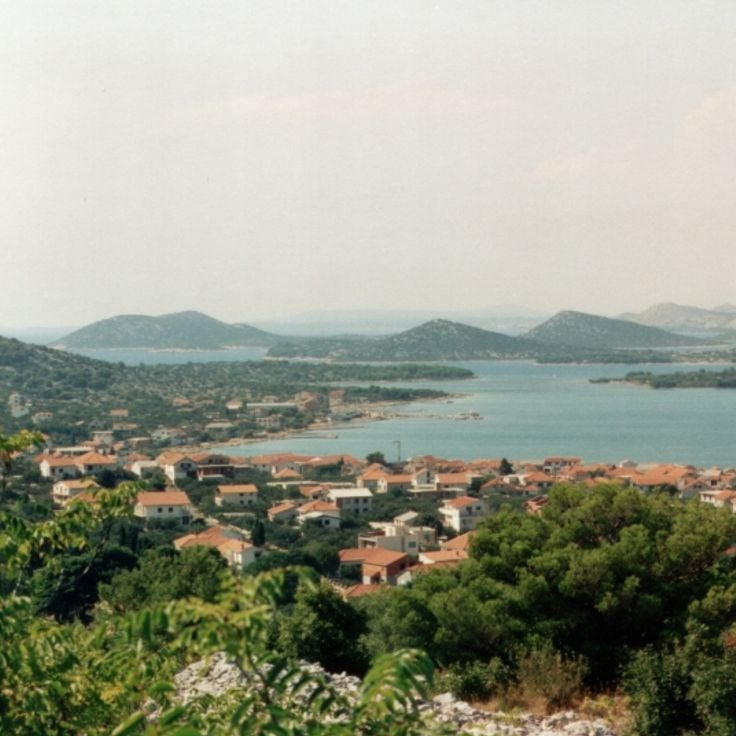
Murter is an island on the Dalmatian coast and the main starting point for reaching Kornati National Park. From its small harbors, boats head out to this archipelago of bare limestone islands rising from the sea. On the island itself, narrow lanes, stone houses, and waterside cafés mark the daily rhythm of the locals. Life here moves with the sea and the seasons.
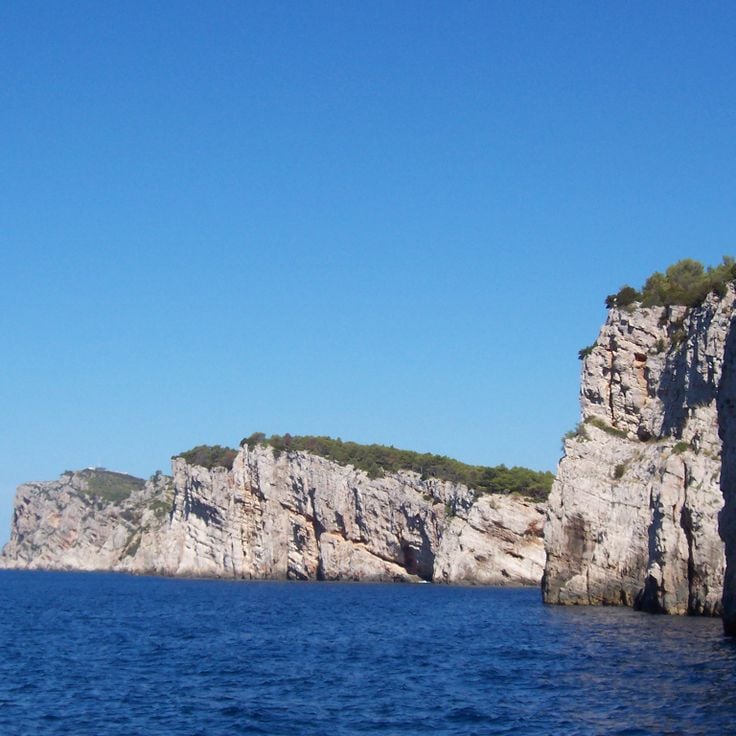
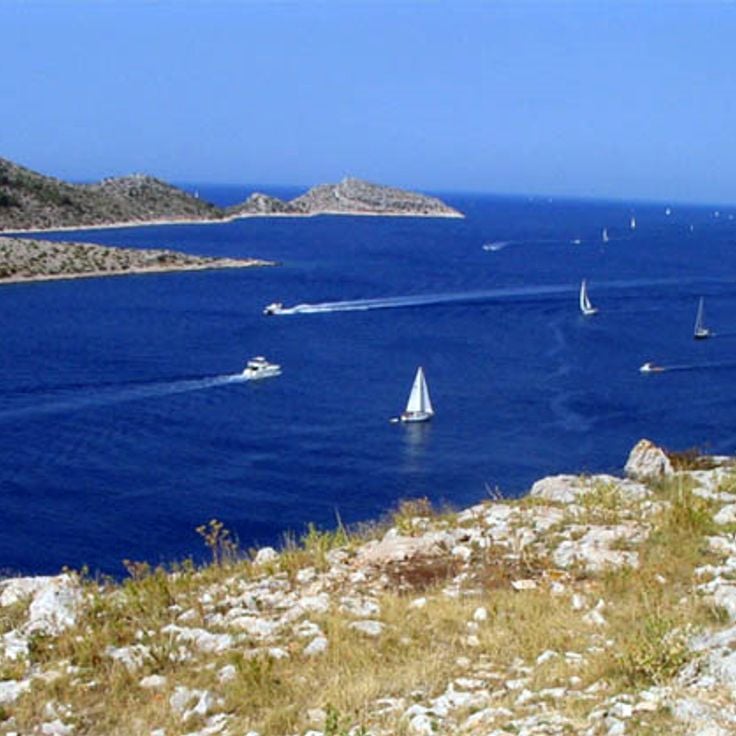
Kornat is the largest island in the Kornati archipelago, a group of around a hundred islands and rocky outcroppings in the northern part of the Dalmatian coast. The water surrounding Kornat is very clear, which draws sailors and divers throughout the summer season. The island is mostly uninhabited. Steep cliffs drop directly into the sea, and the interior is covered with dry grass and low scrub. There are few facilities here, and the landscape feels raw and open.
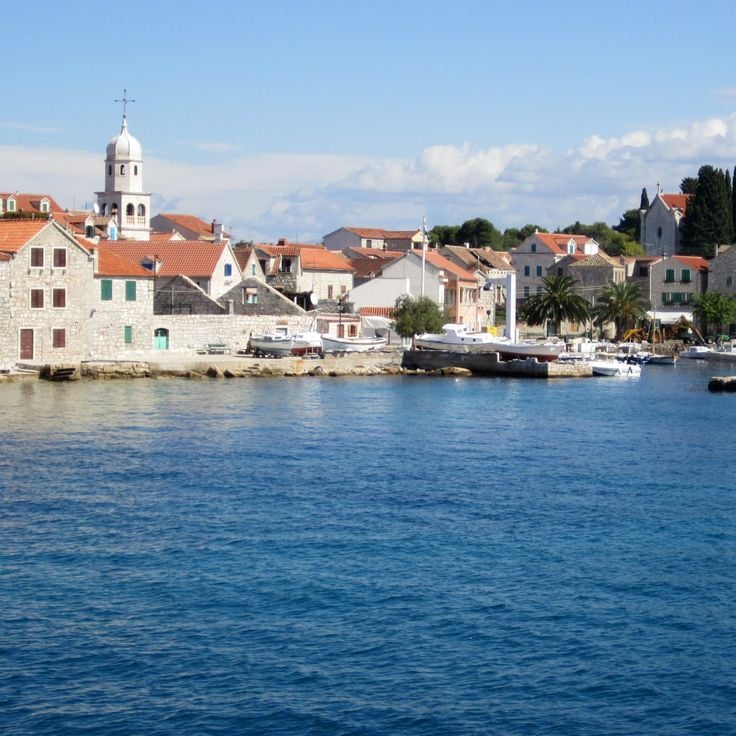
Prvić is a small car-free island off the Croatian coast. The only way to get there is by ferry, and once you arrive, you notice right away that life here moves at a different pace. The lanes are narrow, the houses are old, and there is no engine noise. People walk everywhere, and the days feel longer and quieter than on the mainland.
Krapanj is said to be the smallest inhabited island in the Adriatic. Its identity is tied to sponge harvesting, a tradition that local divers have carried on for generations. Walking through the village, you notice how close everything is to the sea. A small museum on the island tells the story of this trade, which once shaped the daily life of every family here.
Silba is a Croatian island where no cars are allowed. Visitors get around on foot or by bike, which gives the whole place a different feel from the moment you arrive. The streets are narrow and made of stone, the houses old and modest. Life here moves slowly, shaped by the sea and the seasons. The beaches are simple and natural. Silba draws people who are looking for a break from noise and movement, and who want to experience an island at a walking pace.
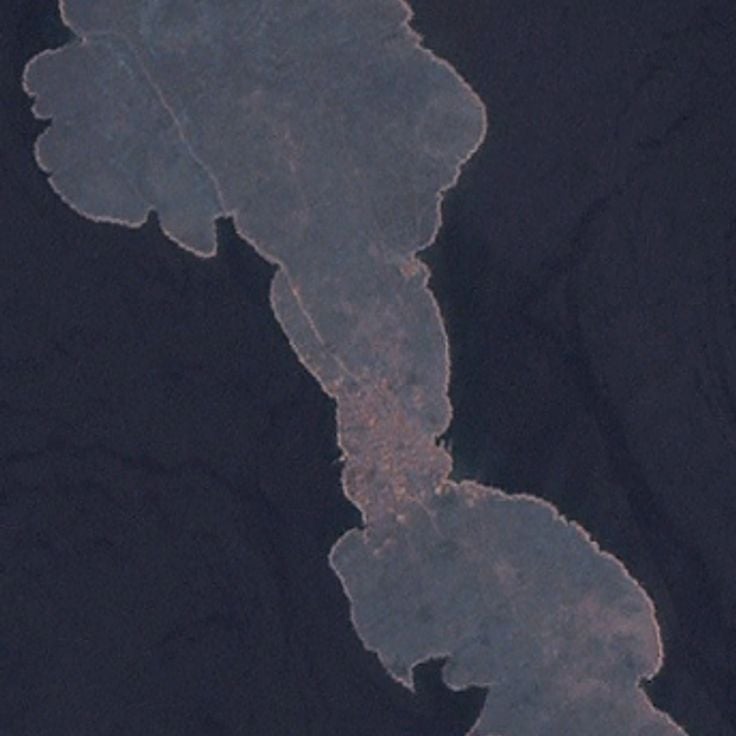
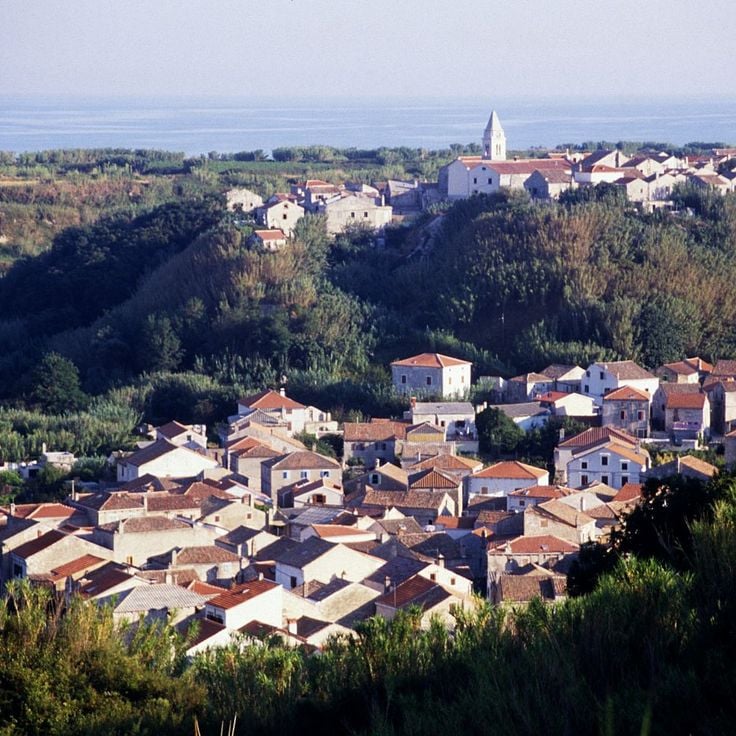
Susak stands apart from most Croatian islands because it is made almost entirely of sand rather than rock. This rare feature has shaped the way people live there over the centuries, giving rise to a local culture and a dialect found nowhere else in the Adriatic. Walking around Susak, you notice soft sandy paths instead of stone lanes, a landscape that feels unlike anything else along this coast.
Ilovik is often called the island of flowers because gardens and plants cover nearly every corner of this small island. Flowers grow along the paths, climb the walls of old stone houses, and spill down toward the sea. The village is compact, the pace is slow, and the whole place feels like it has stayed the same for a long time.
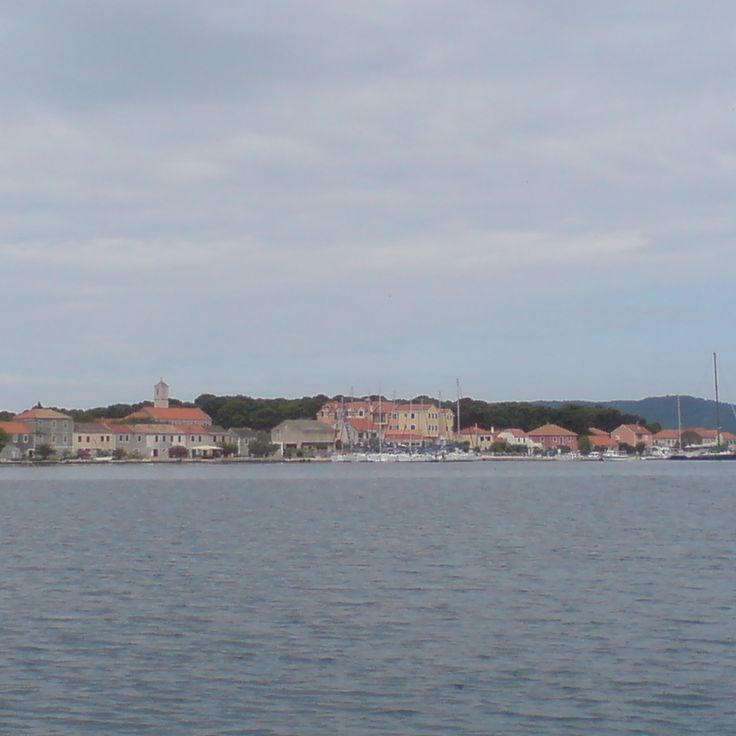
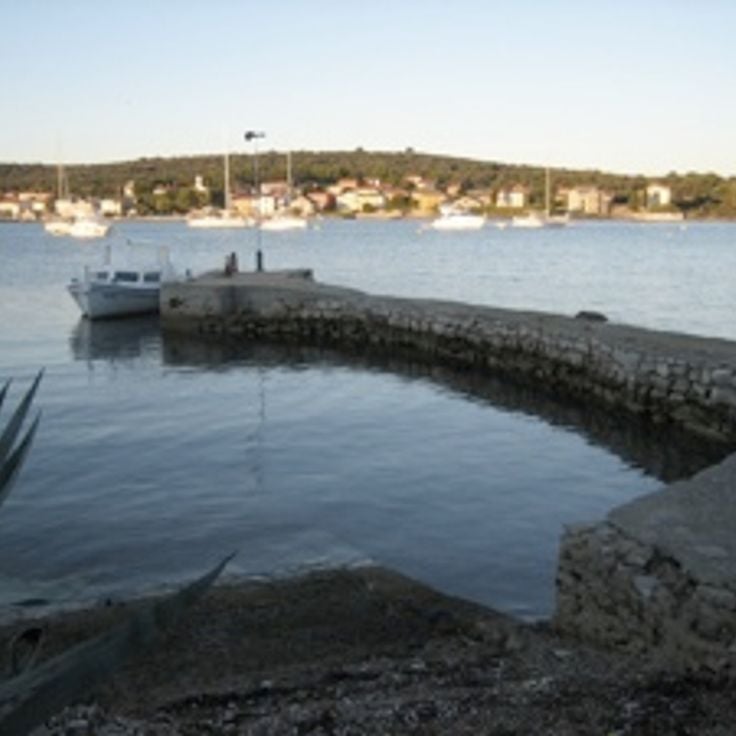
Olib is an island in the northern Adriatic that sees few visitors. Its only village sits in the interior, surrounded by olive groves and dry-stone walls. The beaches are sandy and often empty, even in summer. Life here moves slowly, shaped by fishing and small-scale farming.
Biševo is a small island off the coast of Vis, in southern Croatia. It is best known for the Blue Cave, a sea cave where light enters from below the water and turns everything a deep blue color. The island has very few permanent residents and almost no tourist facilities. Most visitors arrive by boat from Vis and spend just a few hours here. Beyond the cave, there are small coves and rocky shores that are easy to explore on a calm day.
Lopud is one of the Elaphiti Islands, a short ferry ride from Dubrovnik. No cars are allowed on the island, so the lanes stay quiet and village life moves at a slow pace. On the south side, Šunj Bay opens up with a sandy beach where the water stays shallow for a good stretch and pine trees line the shore. In the village, old stone villas and the remains of monasteries recall a time when Lopud was a busy trading port.
Koločep is a small, green island reachable by ferry from Dubrovnik in just a few minutes. There are no cars, only two villages connected by a path that runs through a dense forest. The coastline alternates between sandy coves and rocky shores, and the water is clear enough to snorkel directly from the beach. Many people come for the day, but the island also invites longer stays for those who want to step away from the bustle of Dubrovnik.
Šipan is the largest of the Elaphiti Islands and sits just north of Dubrovnik, a short ferry ride away. The island has two small villages, Šipanska Luka and Suđurađ, connected by a path lined with olive trees and grapevines. Stone walls, old churches, and a handful of Renaissance-style summer houses mark the landscape. Life here moves at a slow pace, and Šipan stays quieter than most of its neighbors throughout the year.
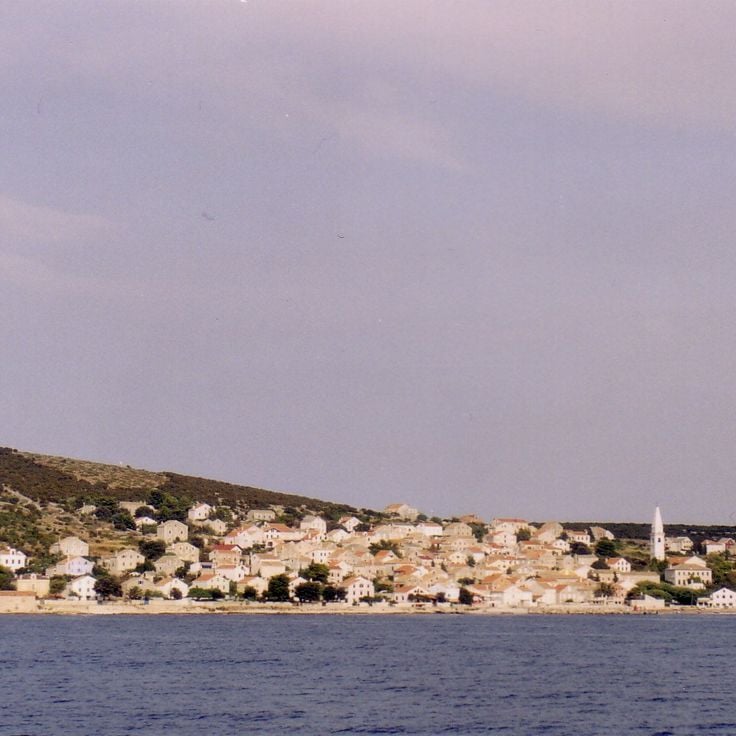
Unije is a small island in the Kvarner Bay, away from the busy routes of the Croatian coast. There are no cars here, the paths are narrow, and the village feels like it has barely changed over the decades. Sailors often stop here to anchor in the sheltered bay, enjoying the calm water and the slow pace of island life.
Hvar is an island in the central Adriatic, known for its lavender fields, stone alleys, and busy nightlife. The old town sits behind a Venetian fortress and looks out over a long square that serves as the main meeting point for locals and visitors alike. During the day, people walk between stone churches and small cafés. In the evening, the terraces and bars fill up quickly.
Brač is a Croatian island best known for Zlatni Rat, a beach whose tip shifts with the currents and winds. The sand is bright white against very blue water. Beyond the shore, the island has stone villages, olive groves, and dry-stone walls that speak to centuries of farming life. The local stone, quarried here for generations, was used in buildings as far away as Washington, D.C.
Korčula is a fortified town built on a small peninsula in the southern part of the island of the same name. Its narrow streets follow a herringbone pattern designed to channel the wind and keep the houses cool. Medieval towers and walls still stand almost intact around the old town. The town claims to be the birthplace of Marco Polo, though the story is debated. Daily life unfolds on stone squares and in small cafes tucked between old buildings.
Vis spent decades as a restricted military zone, which kept large crowds away for a long time. Today, the island feels like a place where time slowed down. Small fishing villages, old fortifications, and stretches of coastline that look much as they did generations ago give Vis a character that sets it apart from the busier Croatian islands.
Mljet is an island in the southern Adriatic, not far from Dubrovnik. Much of the island is a national park, where dense forest grows right down to the water. At the heart of the park sit two saltwater lakes connected to the sea by a narrow channel. On a small islet in the middle of the larger lake stands a monastery dating back to the 12th century, reached by boat. The island moves at a slow pace, with few cars and a daily life shaped by nature.
Cres is one of the largest islands in the Adriatic and feels wilder than most. Walking through its interior, you pass dense forests, stone walls, and villages that have been slowly emptying for generations. Along the coast, rocky coves alternate with steep cliffs dropping into clear water. The island is home to one of the last natural colonies of griffon vultures in Europe. On a clear day, you can watch them glide above the hills in wide, slow circles.
Lošinj sits in the northern Adriatic and has been known since the 19th century for its clean air, which doctors once prescribed to patients recovering from illness. The two main towns, Mali Lošinj and Veli Lošinj, line sheltered bays with rows of colorful houses reflected in the water. Wild dolphins live in the surrounding sea and can sometimes be spotted from the shore or a boat. Pine forests and coastal paths make it easy to spend a day simply walking.
Pag is an island that looks unlike most others along the Croatian coast. Its land is bare and pale, shaped by wind and salt until it resembles a moonscape. The island is known for its cheese, made from the milk of sheep that graze on this open terrain, and for a lace tradition passed down through families over centuries. At the same time, the Zrće beach draws young visitors from across Europe looking for open-air parties.
Rab is a Croatian island in the Adriatic, known for its sandy beaches, a rarity along this rocky coastline. The medieval old town sits on a narrow peninsula jutting into the sea, topped by four stone bell towers you can spot from far away. Narrow lanes, stone walls and old churches fill the town. Wooded hills cover much of the island, while the sheltered bays offer calm, shallow water that draws families and swimmers throughout the summer.
Šolta sits just across the water from Split and sees far fewer visitors than its famous neighbors. The island is covered with olive groves and small stone villages, where daily life moves at its own pace. Its coves are rocky and quiet, and the roads wind through the interior without leading anywhere in particular. A good place to slow down.
Dugi Otok is a long, narrow island in the Adriatic Sea, known for its tall cliffs that drop straight into the water. The Telašćica Nature Park covers the southern tip of the island, where sheltered coves and a saltwater lake sit side by side. The beach at Sakarun, in the north, is one of the few sandy beaches on this part of the coast, with shallow, clear water and fine white sand. The island moves at a slow pace, and few tourists make it this far.
Lastovo is an island in southern Croatia that was closed to visitors for decades. Its isolation has kept light pollution away, making its night sky one of the darkest in Europe. On a clear night, the Milky Way is visible to the naked eye. During the day, the island's forests, coves and stone villages give a sense of a place that has changed very little over time.
Murter is an island on the Dalmatian coast and the main starting point for reaching Kornati National Park. From its small harbors, boats head out to this archipelago of bare limestone islands rising from the sea. On the island itself, narrow lanes, stone houses, and waterside cafés mark the daily rhythm of the locals. Life here moves with the sea and the seasons.
Kornat is the largest island in the Kornati archipelago, a group of around a hundred islands and rocky outcroppings in the northern part of the Dalmatian coast. The water surrounding Kornat is very clear, which draws sailors and divers throughout the summer season. The island is mostly uninhabited. Steep cliffs drop directly into the sea, and the interior is covered with dry grass and low scrub. There are few facilities here, and the landscape feels raw and open.
Prvić is a small car-free island off the Croatian coast. The only way to get there is by ferry, and once you arrive, you notice right away that life here moves at a different pace. The lanes are narrow, the houses are old, and there is no engine noise. People walk everywhere, and the days feel longer and quieter than on the mainland.
Krapanj is said to be the smallest inhabited island in the Adriatic. Its identity is tied to sponge harvesting, a tradition that local divers have carried on for generations. Walking through the village, you notice how close everything is to the sea. A small museum on the island tells the story of this trade, which once shaped the daily life of every family here.
Silba is a Croatian island where no cars are allowed. Visitors get around on foot or by bike, which gives the whole place a different feel from the moment you arrive. The streets are narrow and made of stone, the houses old and modest. Life here moves slowly, shaped by the sea and the seasons. The beaches are simple and natural. Silba draws people who are looking for a break from noise and movement, and who want to experience an island at a walking pace.
Susak stands apart from most Croatian islands because it is made almost entirely of sand rather than rock. This rare feature has shaped the way people live there over the centuries, giving rise to a local culture and a dialect found nowhere else in the Adriatic. Walking around Susak, you notice soft sandy paths instead of stone lanes, a landscape that feels unlike anything else along this coast.
Ilovik is often called the island of flowers because gardens and plants cover nearly every corner of this small island. Flowers grow along the paths, climb the walls of old stone houses, and spill down toward the sea. The village is compact, the pace is slow, and the whole place feels like it has stayed the same for a long time.
Olib is an island in the northern Adriatic that sees few visitors. Its only village sits in the interior, surrounded by olive groves and dry-stone walls. The beaches are sandy and often empty, even in summer. Life here moves slowly, shaped by fishing and small-scale farming.
Biševo is a small island off the coast of Vis, in southern Croatia. It is best known for the Blue Cave, a sea cave where light enters from below the water and turns everything a deep blue color. The island has very few permanent residents and almost no tourist facilities. Most visitors arrive by boat from Vis and spend just a few hours here. Beyond the cave, there are small coves and rocky shores that are easy to explore on a calm day.
Lopud is one of the Elaphiti Islands, a short ferry ride from Dubrovnik. No cars are allowed on the island, so the lanes stay quiet and village life moves at a slow pace. On the south side, Šunj Bay opens up with a sandy beach where the water stays shallow for a good stretch and pine trees line the shore. In the village, old stone villas and the remains of monasteries recall a time when Lopud was a busy trading port.
Koločep is a small, green island reachable by ferry from Dubrovnik in just a few minutes. There are no cars, only two villages connected by a path that runs through a dense forest. The coastline alternates between sandy coves and rocky shores, and the water is clear enough to snorkel directly from the beach. Many people come for the day, but the island also invites longer stays for those who want to step away from the bustle of Dubrovnik.
Šipan is the largest of the Elaphiti Islands and sits just north of Dubrovnik, a short ferry ride away. The island has two small villages, Šipanska Luka and Suđurađ, connected by a path lined with olive trees and grapevines. Stone walls, old churches, and a handful of Renaissance-style summer houses mark the landscape. Life here moves at a slow pace, and Šipan stays quieter than most of its neighbors throughout the year.
Unije is a small island in the Kvarner Bay, away from the busy routes of the Croatian coast. There are no cars here, the paths are narrow, and the village feels like it has barely changed over the decades. Sailors often stop here to anchor in the sheltered bay, enjoying the calm water and the slow pace of island life.
Hvar is an island in the central Adriatic, known for its lavender fields, stone alleys, and busy nightlife. The old town sits behind a Venetian fortress and looks out over a long square that serves as the main meeting point for locals and visitors alike. During the day, people walk between stone churches and small cafés. In the evening, the terraces and bars fill up quickly.
Brač is a Croatian island best known for Zlatni Rat, a beach whose tip shifts with the currents and winds. The sand is bright white against very blue water. Beyond the shore, the island has stone villages, olive groves, and dry-stone walls that speak to centuries of farming life. The local stone, quarried here for generations, was used in buildings as far away as Washington, D.C.
Korčula is a fortified town built on a small peninsula in the southern part of the island of the same name. Its narrow streets follow a herringbone pattern designed to channel the wind and keep the houses cool. Medieval towers and walls still stand almost intact around the old town. The town claims to be the birthplace of Marco Polo, though the story is debated. Daily life unfolds on stone squares and in small cafes tucked between old buildings.
Vis spent decades as a restricted military zone, which kept large crowds away for a long time. Today, the island feels like a place where time slowed down. Small fishing villages, old fortifications, and stretches of coastline that look much as they did generations ago give Vis a character that sets it apart from the busier Croatian islands.
Mljet is an island in the southern Adriatic, not far from Dubrovnik. Much of the island is a national park, where dense forest grows right down to the water. At the heart of the park sit two saltwater lakes connected to the sea by a narrow channel. On a small islet in the middle of the larger lake stands a monastery dating back to the 12th century, reached by boat. The island moves at a slow pace, with few cars and a daily life shaped by nature.
Cres is one of the largest islands in the Adriatic and feels wilder than most. Walking through its interior, you pass dense forests, stone walls, and villages that have been slowly emptying for generations. Along the coast, rocky coves alternate with steep cliffs dropping into clear water. The island is home to one of the last natural colonies of griffon vultures in Europe. On a clear day, you can watch them glide above the hills in wide, slow circles.
Lošinj sits in the northern Adriatic and has been known since the 19th century for its clean air, which doctors once prescribed to patients recovering from illness. The two main towns, Mali Lošinj and Veli Lošinj, line sheltered bays with rows of colorful houses reflected in the water. Wild dolphins live in the surrounding sea and can sometimes be spotted from the shore or a boat. Pine forests and coastal paths make it easy to spend a day simply walking.
Pag is an island that looks unlike most others along the Croatian coast. Its land is bare and pale, shaped by wind and salt until it resembles a moonscape. The island is known for its cheese, made from the milk of sheep that graze on this open terrain, and for a lace tradition passed down through families over centuries. At the same time, the Zrće beach draws young visitors from across Europe looking for open-air parties.
Rab is a Croatian island in the Adriatic, known for its sandy beaches, a rarity along this rocky coastline. The medieval old town sits on a narrow peninsula jutting into the sea, topped by four stone bell towers you can spot from far away. Narrow lanes, stone walls and old churches fill the town. Wooded hills cover much of the island, while the sheltered bays offer calm, shallow water that draws families and swimmers throughout the summer.
Šolta sits just across the water from Split and sees far fewer visitors than its famous neighbors. The island is covered with olive groves and small stone villages, where daily life moves at its own pace. Its coves are rocky and quiet, and the roads wind through the interior without leading anywhere in particular. A good place to slow down.
Dugi Otok is a long, narrow island in the Adriatic Sea, known for its tall cliffs that drop straight into the water. The Telašćica Nature Park covers the southern tip of the island, where sheltered coves and a saltwater lake sit side by side. The beach at Sakarun, in the north, is one of the few sandy beaches on this part of the coast, with shallow, clear water and fine white sand. The island moves at a slow pace, and few tourists make it this far.
Lastovo is an island in southern Croatia that was closed to visitors for decades. Its isolation has kept light pollution away, making its night sky one of the darkest in Europe. On a clear night, the Milky Way is visible to the naked eye. During the day, the island's forests, coves and stone villages give a sense of a place that has changed very little over time.
Murter is an island on the Dalmatian coast and the main starting point for reaching Kornati National Park. From its small harbors, boats head out to this archipelago of bare limestone islands rising from the sea. On the island itself, narrow lanes, stone houses, and waterside cafés mark the daily rhythm of the locals. Life here moves with the sea and the seasons.
Kornat is the largest island in the Kornati archipelago, a group of around a hundred islands and rocky outcroppings in the northern part of the Dalmatian coast. The water surrounding Kornat is very clear, which draws sailors and divers throughout the summer season. The island is mostly uninhabited. Steep cliffs drop directly into the sea, and the interior is covered with dry grass and low scrub. There are few facilities here, and the landscape feels raw and open.
Prvić is a small car-free island off the Croatian coast. The only way to get there is by ferry, and once you arrive, you notice right away that life here moves at a different pace. The lanes are narrow, the houses are old, and there is no engine noise. People walk everywhere, and the days feel longer and quieter than on the mainland.
Krapanj is said to be the smallest inhabited island in the Adriatic. Its identity is tied to sponge harvesting, a tradition that local divers have carried on for generations. Walking through the village, you notice how close everything is to the sea. A small museum on the island tells the story of this trade, which once shaped the daily life of every family here.
Silba is a Croatian island where no cars are allowed. Visitors get around on foot or by bike, which gives the whole place a different feel from the moment you arrive. The streets are narrow and made of stone, the houses old and modest. Life here moves slowly, shaped by the sea and the seasons. The beaches are simple and natural. Silba draws people who are looking for a break from noise and movement, and who want to experience an island at a walking pace.
Susak stands apart from most Croatian islands because it is made almost entirely of sand rather than rock. This rare feature has shaped the way people live there over the centuries, giving rise to a local culture and a dialect found nowhere else in the Adriatic. Walking around Susak, you notice soft sandy paths instead of stone lanes, a landscape that feels unlike anything else along this coast.
Ilovik is often called the island of flowers because gardens and plants cover nearly every corner of this small island. Flowers grow along the paths, climb the walls of old stone houses, and spill down toward the sea. The village is compact, the pace is slow, and the whole place feels like it has stayed the same for a long time.
Olib is an island in the northern Adriatic that sees few visitors. Its only village sits in the interior, surrounded by olive groves and dry-stone walls. The beaches are sandy and often empty, even in summer. Life here moves slowly, shaped by fishing and small-scale farming.
Biševo is a small island off the coast of Vis, in southern Croatia. It is best known for the Blue Cave, a sea cave where light enters from below the water and turns everything a deep blue color. The island has very few permanent residents and almost no tourist facilities. Most visitors arrive by boat from Vis and spend just a few hours here. Beyond the cave, there are small coves and rocky shores that are easy to explore on a calm day.
Lopud is one of the Elaphiti Islands, a short ferry ride from Dubrovnik. No cars are allowed on the island, so the lanes stay quiet and village life moves at a slow pace. On the south side, Šunj Bay opens up with a sandy beach where the water stays shallow for a good stretch and pine trees line the shore. In the village, old stone villas and the remains of monasteries recall a time when Lopud was a busy trading port.
Koločep is a small, green island reachable by ferry from Dubrovnik in just a few minutes. There are no cars, only two villages connected by a path that runs through a dense forest. The coastline alternates between sandy coves and rocky shores, and the water is clear enough to snorkel directly from the beach. Many people come for the day, but the island also invites longer stays for those who want to step away from the bustle of Dubrovnik.
Šipan is the largest of the Elaphiti Islands and sits just north of Dubrovnik, a short ferry ride away. The island has two small villages, Šipanska Luka and Suđurađ, connected by a path lined with olive trees and grapevines. Stone walls, old churches, and a handful of Renaissance-style summer houses mark the landscape. Life here moves at a slow pace, and Šipan stays quieter than most of its neighbors throughout the year.
Unije is a small island in the Kvarner Bay, away from the busy routes of the Croatian coast. There are no cars here, the paths are narrow, and the village feels like it has barely changed over the decades. Sailors often stop here to anchor in the sheltered bay, enjoying the calm water and the slow pace of island life.
Visit the islands outside the busy season if you can, to see how people live there. Between April and May, or in September and October, there are fewer visitors, lower prices, and you will see daily life. The ferries also run more often than in winter.