See the monuments around you in AROpen chests in the app
Around Us is built for your phone — point your camera at the streets and discover the monuments and places around you in augmented reality.Around Us is built for your phone — chests unlock when you walk, explore and capture nearby places.
Historic sites in Dubrovnik: city walls, palaces, fortresses
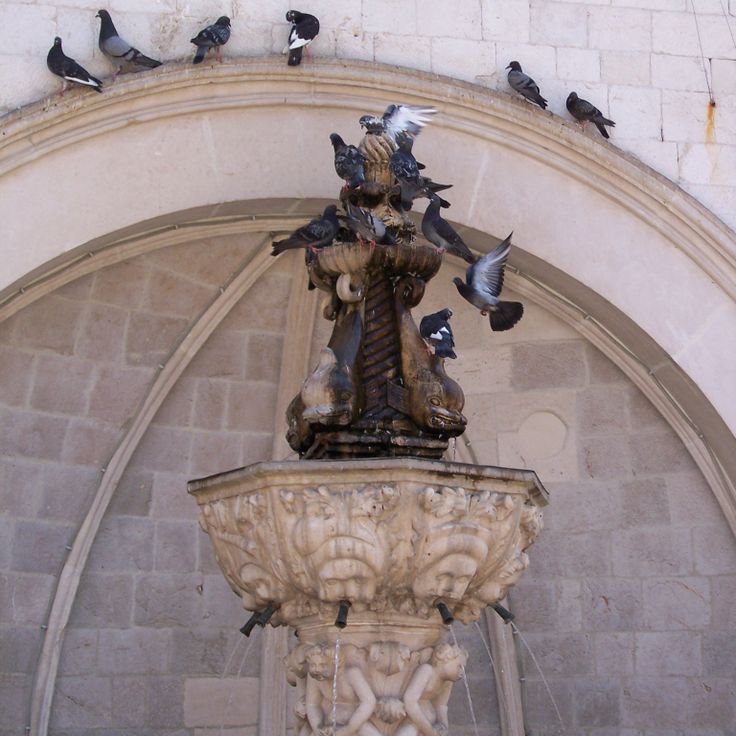
The old town of Dubrovnik sits on the Adriatic coast and shows buildings from the 13th to the 17th centuries. The city was an independent maritime republic for hundreds of years and developed its own architecture that combines Venetian and local elements. The city walls enclose a compact core of palaces, churches and public squares built on limestone. The main street Stradun runs straight through the town and connects the main gates. At both ends stand fountains from the 15th century that once secured the water supply. The Rector's Palace shows how the elected rulers lived and worked, while Sponza Palace once served as a customs house and mint.
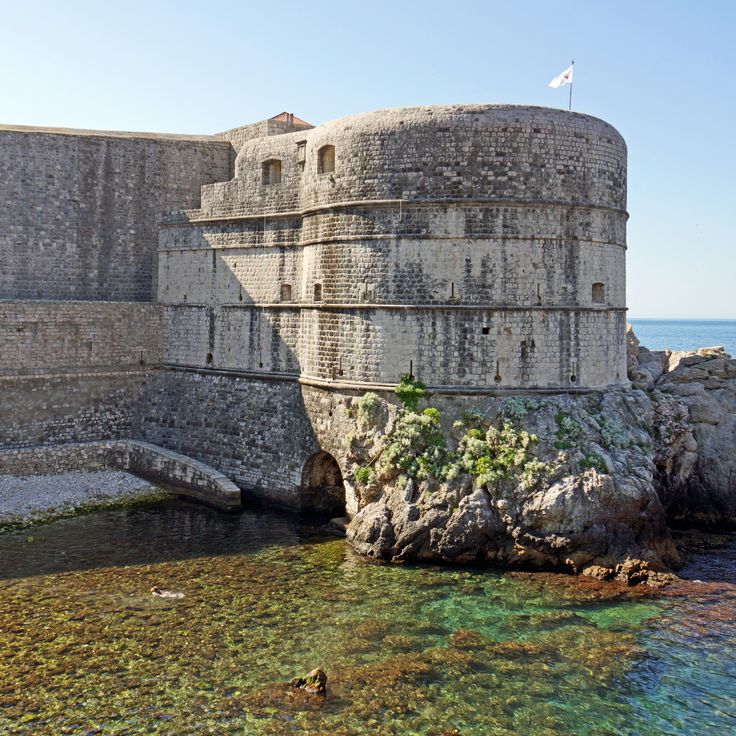
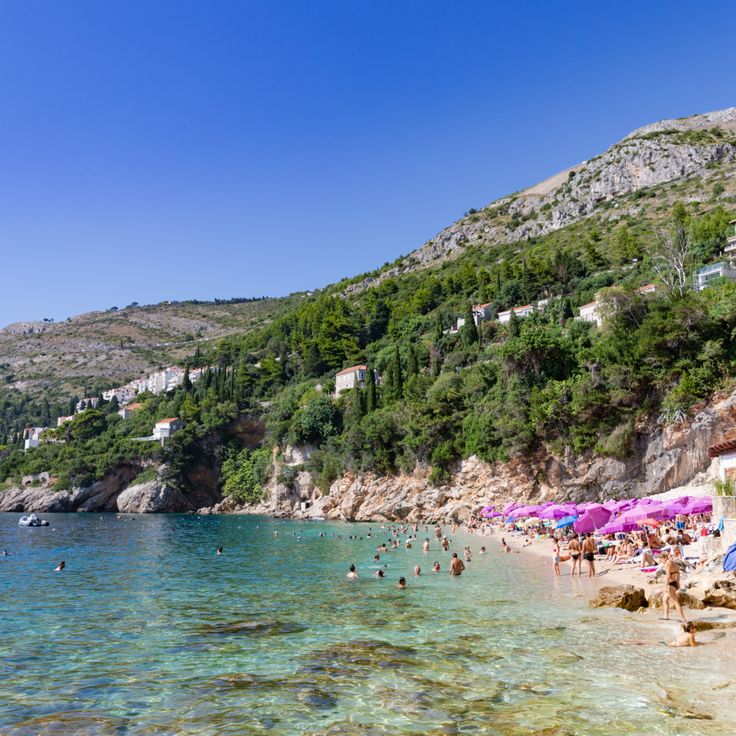
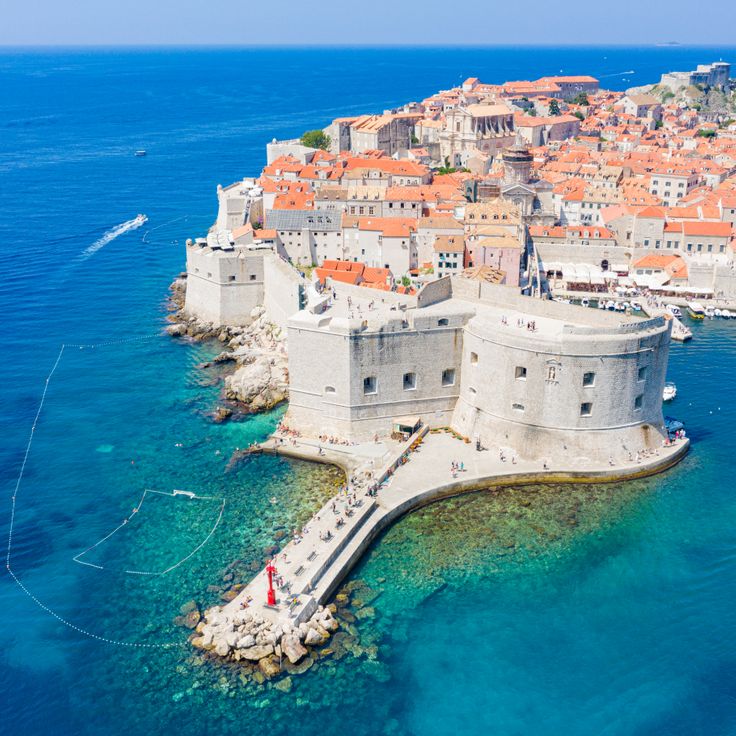
The city wall itself is walkable and offers views of the sea and the rooftops of the old town. Several fortresses reinforced the defenses: Fort Lovrijenac perches on a rock outside the walls, Revelin Fortress protected the eastern approach, and the sea wall ends at St. John's Fortress, which now houses a maritime museum. Lokrum Island lies just a short boat ride away and was once a monastic site. Today plants from different climates grow there. The beaches around Dubrovnik often sit in small coves between rocks, where the water is clear and deep. The Dominican Monastery and Franciscan Monastery preserve art and manuscripts from the republic's era. The cathedral was rebuilt in baroque style after an earthquake in the 17th century destroyed the older church.
Historic sites in Dubrovnik: city walls, palaces, fortresses
The old town of Dubrovnik sits on the Adriatic coast and shows buildings from the 13th to the 17th centuries. The city was an independent maritime republic for hundreds of years and developed its own architecture that combines Venetian and local elements. The city walls enclose a compact core of palaces, churches and public squares built on limestone. The main street Stradun runs straight through the town and connects the main gates. At both ends stand fountains from the 15th century that once secured the water supply. The Rector's Palace shows how the elected rulers lived and worked, while Sponza Palace once served as a customs house and mint.
The city wall itself is walkable and offers views of the sea and the rooftops of the old town. Several fortresses reinforced the defenses: Fort Lovrijenac perches on a rock outside the walls, Revelin Fortress protected the eastern approach, and the sea wall ends at St. John's Fortress, which now houses a maritime museum. Lokrum Island lies just a short boat ride away and was once a monastic site. Today plants from different climates grow there. The beaches around Dubrovnik often sit in small coves between rocks, where the water is clear and deep. The Dominican Monastery and Franciscan Monastery preserve art and manuscripts from the republic's era. The cathedral was rebuilt in baroque style after an earthquake in the 17th century destroyed the older church.
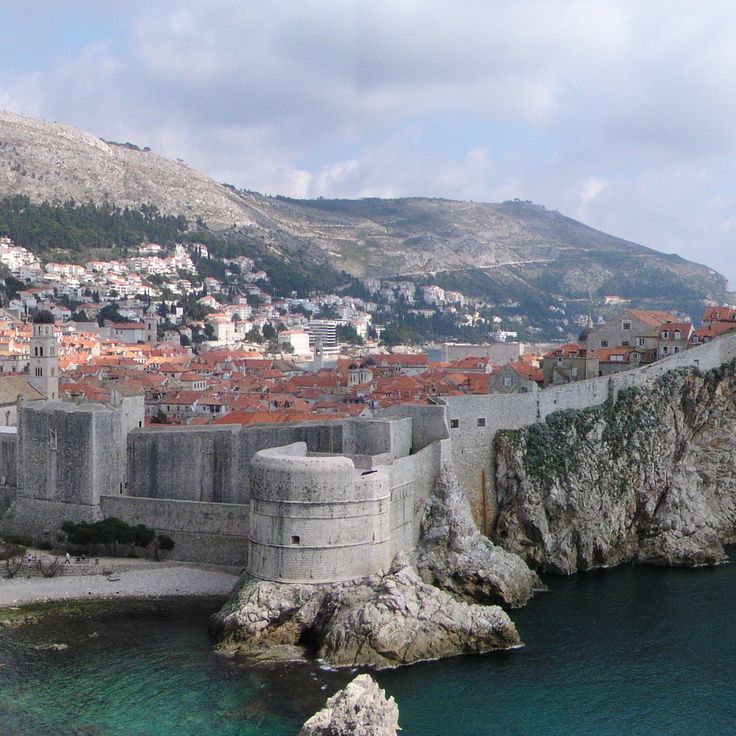
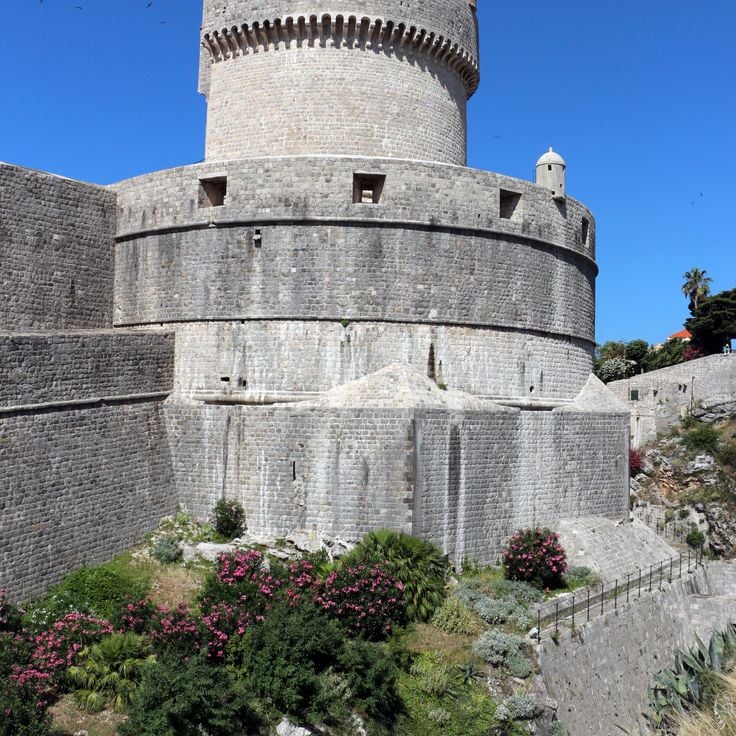
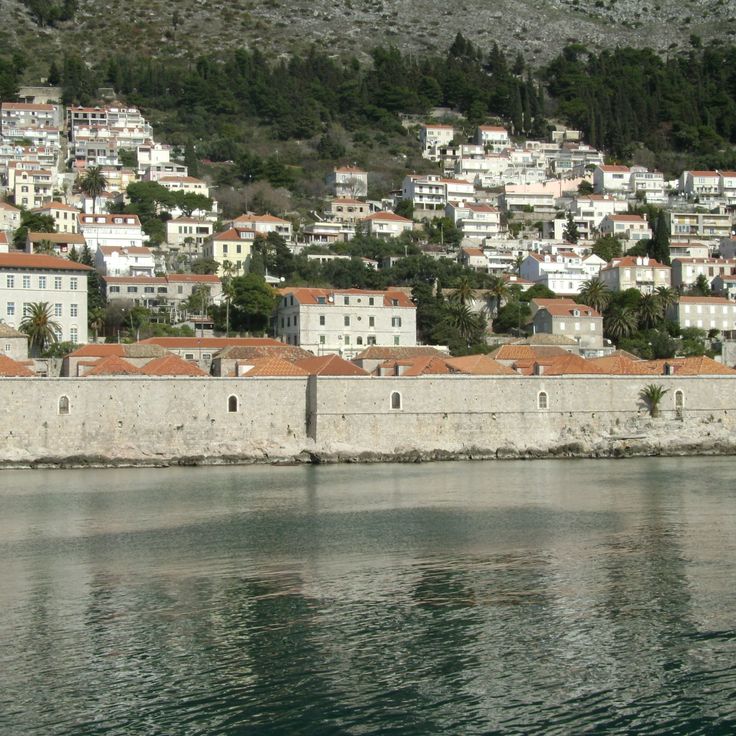
The medieval walls of Dubrovnik surround the old town entirely, rising above the sea and the limestone streets. Built starting in the thirteenth century, this fortification connects several towers with massive stone ramparts that kept attackers at bay for hundreds of years. Walking along the top reveals the Adriatic on one side and the tightly packed roofs of the former republic on the other. The walls follow the natural topography, climbing steeply in some places while adapting to the coastline in others.
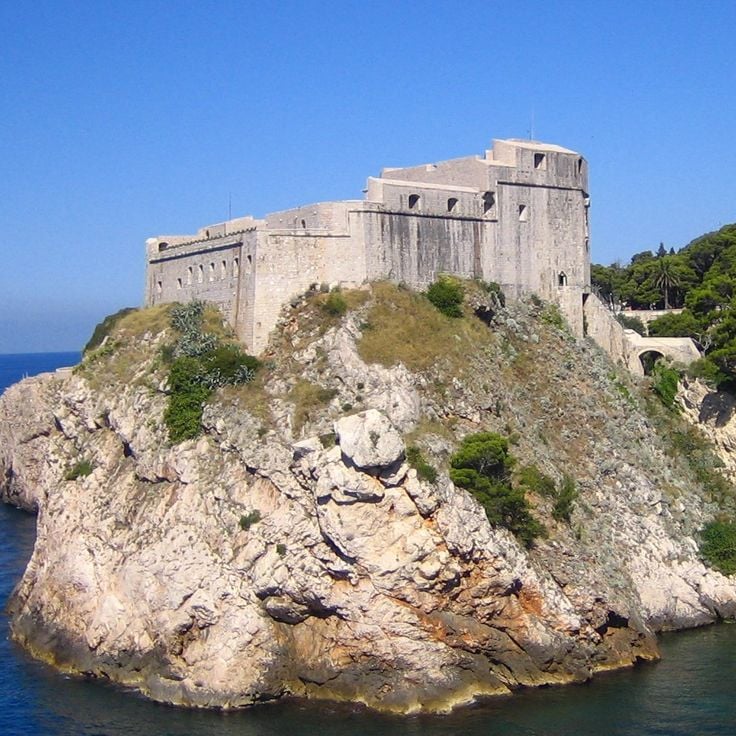
This fortress stands on a rock outside the city walls and was built in the 11th century. Three terraces rise one above the other, and the walls reach a thickness of 12 meters in some places. The location was strategically important for controlling the western approach to the city, and the fortress could withstand attacks from both sea and land. The stone blocks were worked directly on site, and the entire structure follows the natural shape of the rock. From the upper terraces you see the Adriatic and the old town.
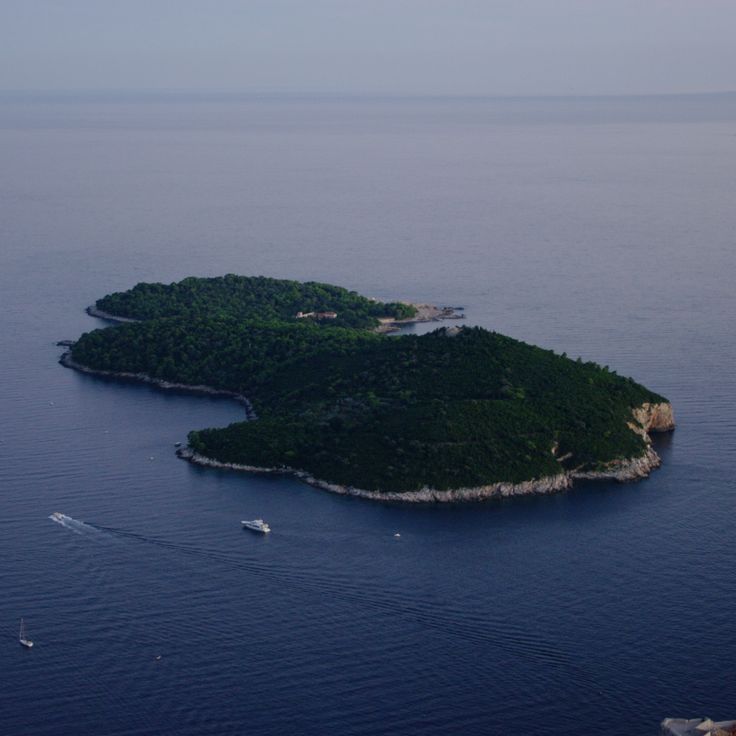
This island sits a few minutes by boat from Dubrovnik and shows the ruins of an 11th-century Benedictine monastery. Monks lived here for centuries until the monastery was abandoned. Between the old stone walls, plants from different climates grow, planted in later years. Paths lead through dense shade to the rocky shore, where the water is deep and clear.
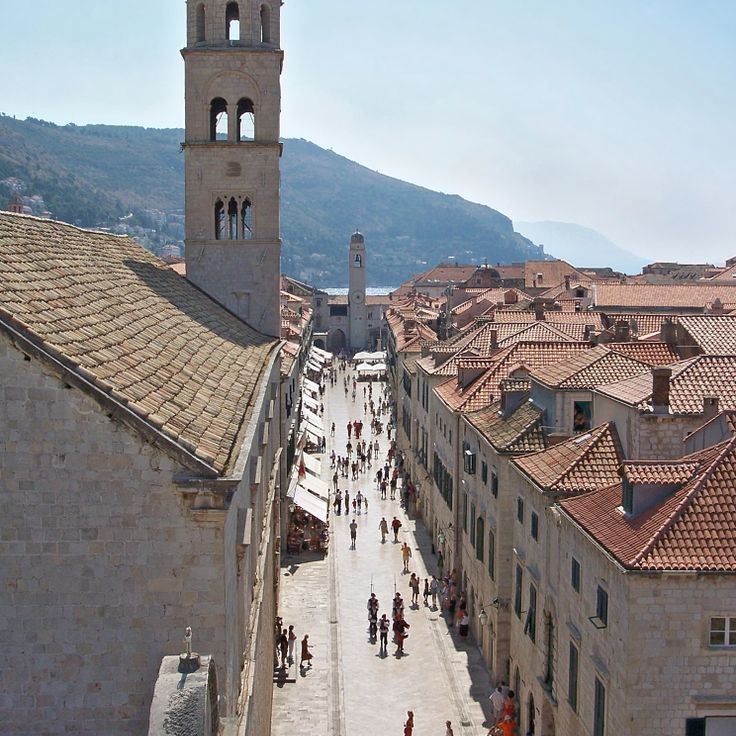
Rue Stradun runs straight through the old town of Dubrovnik, connecting the eastern and western gates. Shops and cafés line both sides, while the pavement has been polished smooth by centuries of footsteps.
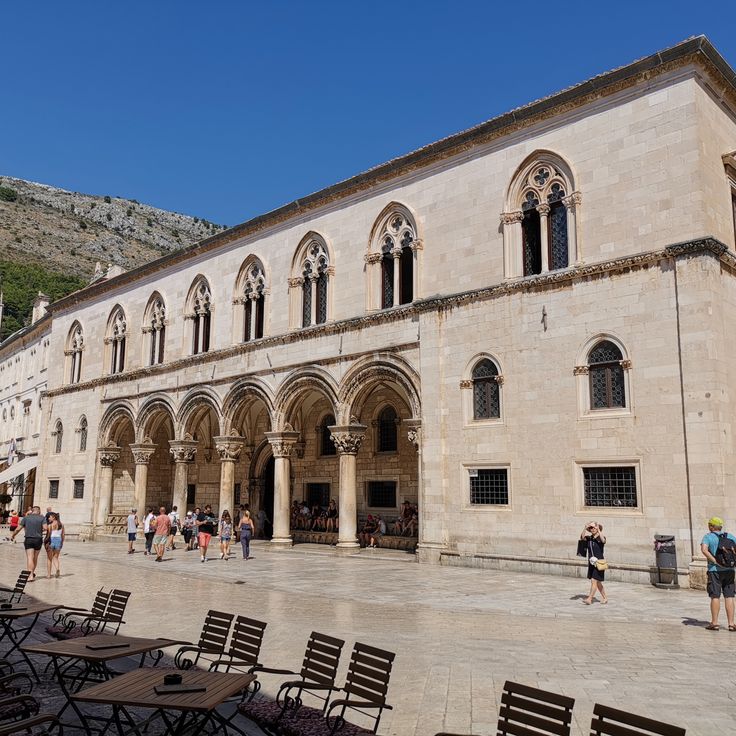
The Rector's Palace shows how the elected rulers of the old Republic of Dubrovnik lived and worked. The building combines Gothic and Renaissance elements in its design. Columns in the courtyard support arches that open to the upper floors. Today the palace houses a museum displaying furniture, paintings and objects from the time of the republic. The rooms show where government business was conducted and where the elected rector lived during his term in office.
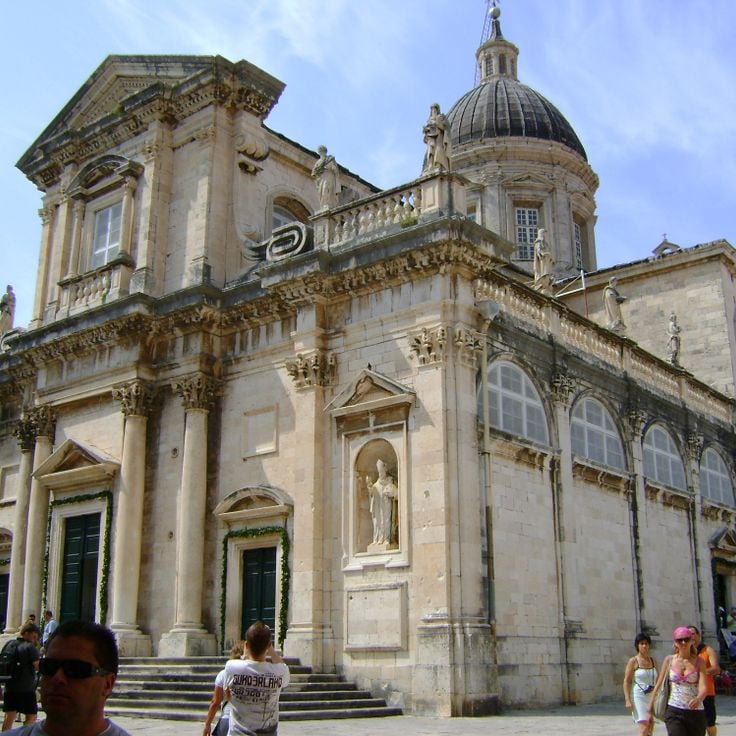
The Cathedral of Dubrovnik was built in the 17th century in baroque forms after an earthquake destroyed the older church. The building shows how the republic rebuilt its religious structures following the disaster. Inside, a narrow passage leads to the treasury, where objects from different centuries are kept, including vessels and pieces of fabric linked to Saint Blaise, the patron saint of the city. The facade stands on the site where the center of religious life once existed.
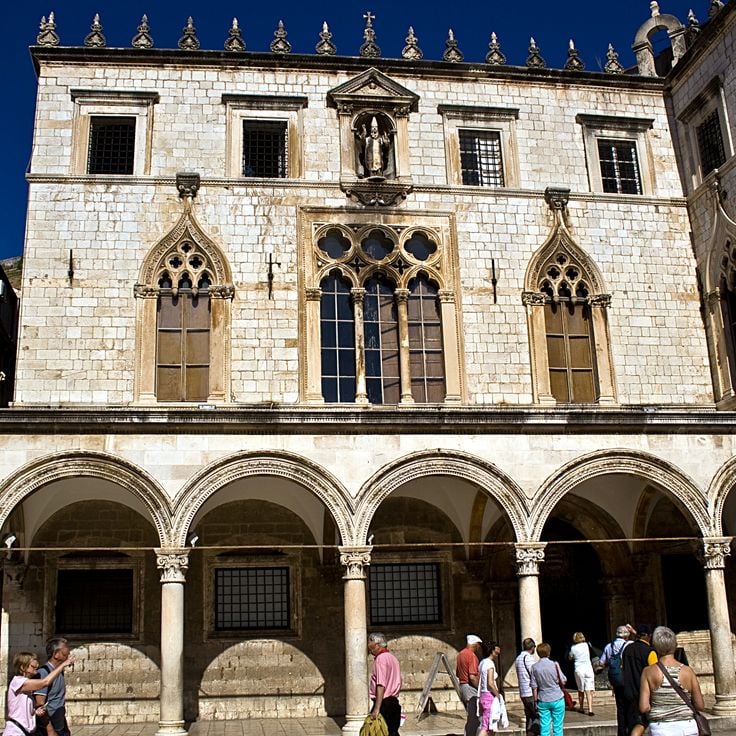
The Sponza Palace was built in the sixteenth century and combines Gothic windows with Renaissance arcades. The building served for several centuries as the customs house, mint and trade bank of the independent Republic of Dubrovnik. Merchants declared their goods and paid duties here, while the upper floor housed the city mint. The ground floor hall opens onto the courtyard through a series of arches, where traders and officials met. Today the palace preserves the city's historical archive, including trade agreements and official documents from the republican era.
This tower stands at the highest point of Dubrovnik's city walls and forms the northwestern corner of the fortification. It was completed in the fifteenth century and was built to defend the city against attacks from the land. The thick stone walls enclose a round structure that once served as a strategic lookout post. From the top platform you can see the roofs of the old town, the Adriatic Sea and the island of Lokrum. The climb leads through narrow passages inside the wall.
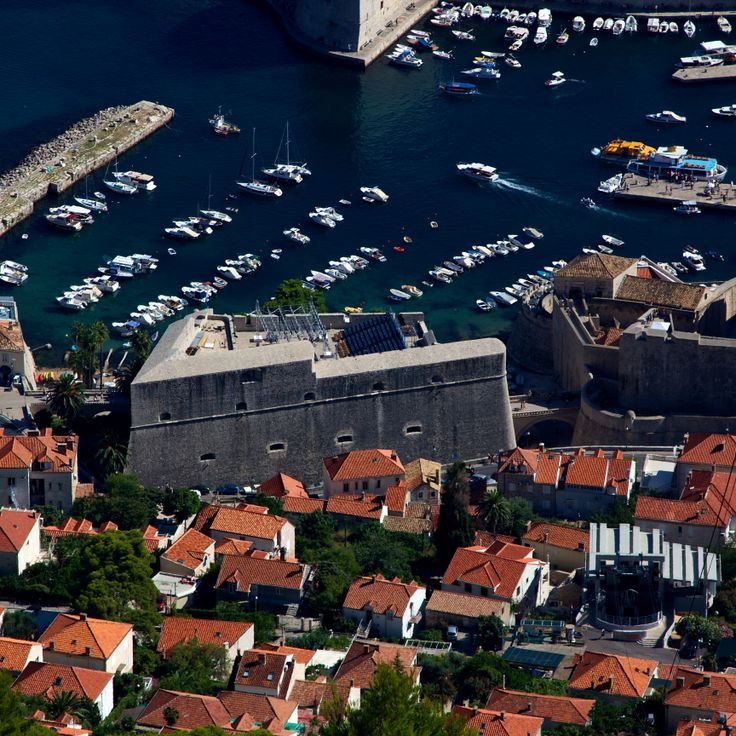
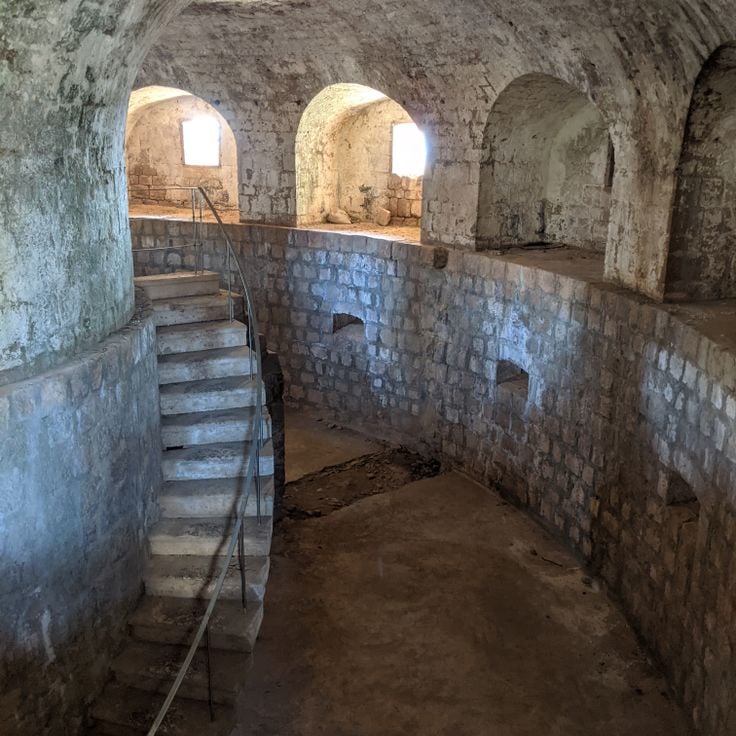
This fortress on the western city walls dates from the 15th century and protected the old harbor. The round towers served as gun positions. Stone platforms jut out over the Adriatic coast, and thick walls enclose a small courtyard. From here, defenders could monitor incoming ships and secure access to the harbor basin.
This 14th-century monastery stands within the city walls and was rebuilt several times after earthquakes and fires damaged parts of the complex. The church combines Gothic elements with later Baroque additions. Orange trees grow in the cloister among stone columns. The museum rooms display paintings by local masters and religious objects once used in ceremonies. The library holds handwritten books and documents from the time of the republic. A wide staircase leads from the entrance near the city wall up to the main portal. The monastery served for centuries as a religious and cultural center and housed monks who practiced medicine and teaching.
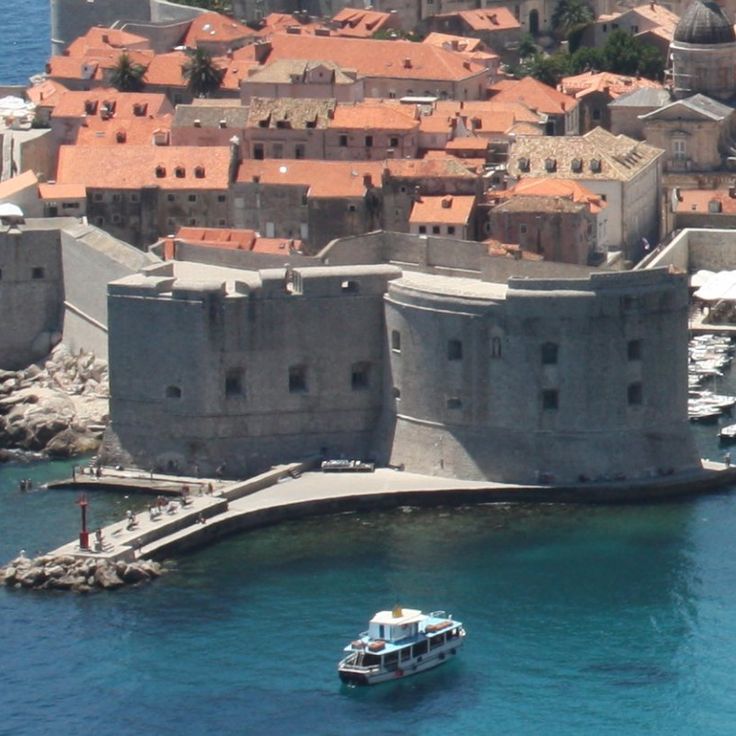
This sea fortress from the 16th century guards the entrance to the old harbor and closes the city walls to the south. The massive walls rise directly from the cliffs and form a compact structure with several floors. Inside, a maritime museum displays ship models, nautical charts and navigation instruments from the time of the republic. An aquarium on the ground floor houses fish and other marine creatures from the Adriatic. From the upper terraces you can see the harbor entrance and the offshore islands. For centuries the fortress served as an arsenal and customs post, controlling all ship traffic into the protected harbor.
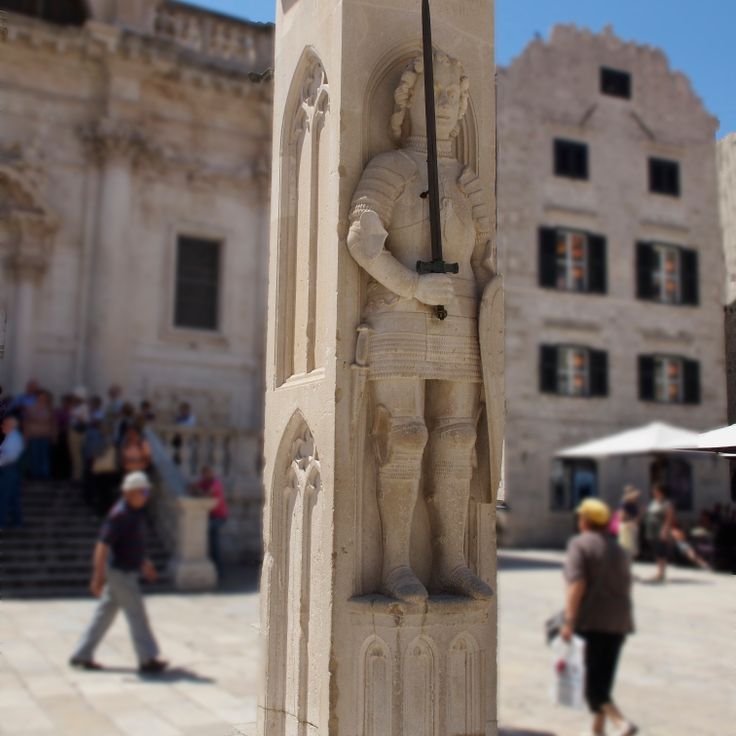
This stone column has stood on the main square of the old town since 1418 and shows a medieval knight in armor. The figure once held a sword and served merchants as the official unit of length, defining how cloth and other goods should be measured. The base carries carved inscriptions that recall the rules of the republic. The column marks the center of public life in Dubrovnik and stands where announcements were read and proclamations made. The stone surface shows the marks of six centuries of weather and history.
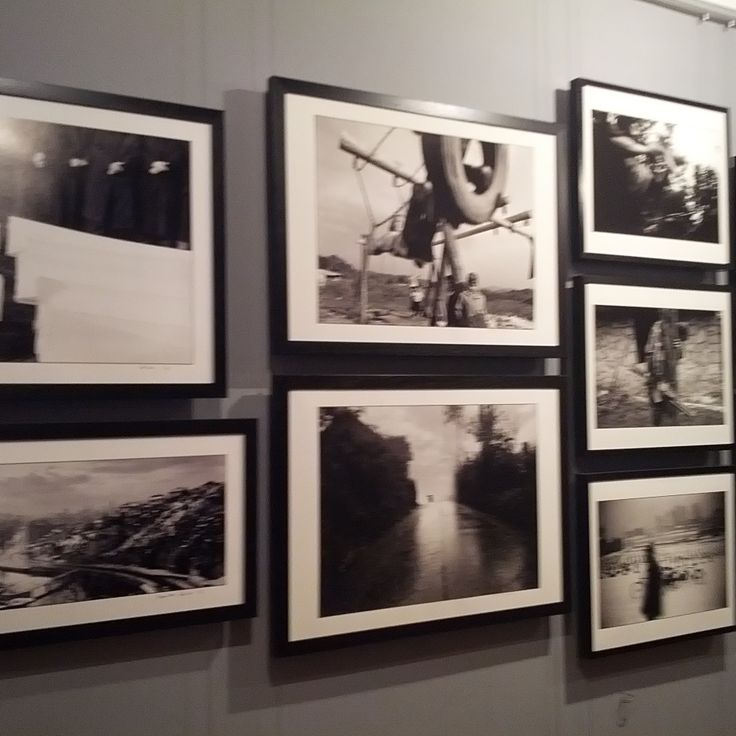
This gallery shows war photography by international photojournalists who have documented conflicts from different parts of the world. The exhibition space occupies a stone building in the old town and presents rotating collections alongside a permanent display. The photographs capture moments from armed confrontations, humanitarian crises and the effects of violence on civilians. Several rooms spread across two floors, with each hall devoted to a particular conflict or photographic theme. The images come from reporters working in war zones who supply their work to international news agencies. Some series focus on the war in Croatia during the nineties, while other galleries show scenes from the Middle East, Africa or Asia. The exhibition works without lengthy explanatory texts, since the photographs mostly speak for themselves. Visitors walk through dimmed halls where individual shots are illuminated. The atmosphere remains quiet and serious, matching the documentary character of the work on display.
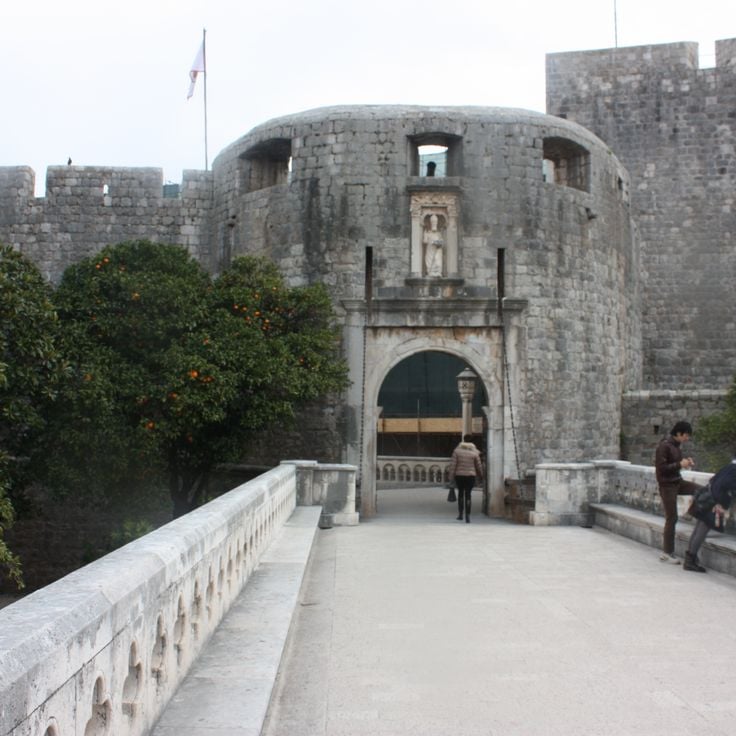
This gate complex from the 15th century marks the western approach to the old town and demonstrates how the republic built its fortifications. A stone bridge structure links the outer and inner gates, both erected at different times to strengthen the defenses. Above the outer passage stands a niche with the statue of the city patron, while the inner gate shows a Gothic arch. The entrance leads directly to Stradun, the main street that crosses the historic center. Those who pass through find themselves in the compact core of limestone buildings, where houses, churches and squares stand from centuries of republican self-rule.
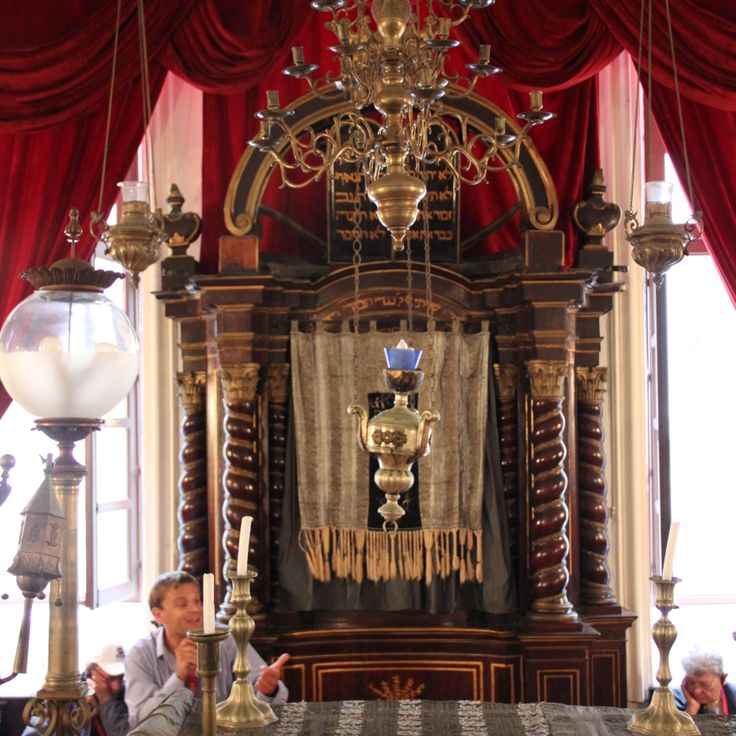
This Sephardic synagogue has stood since the fourteenth century and preserves ritual objects and Torah scrolls from the Jewish community. It remains one of the oldest continuously used synagogues in Europe and sits in a narrow lane within the walled old town. The rooms are small and unadorned, the furnishings collected over centuries, showing how the Sephardic tradition continued in Dubrovnik through different periods. Individual pieces recall the arrival of Jews from Spain after the expulsion and the religious life during the time of the republic.
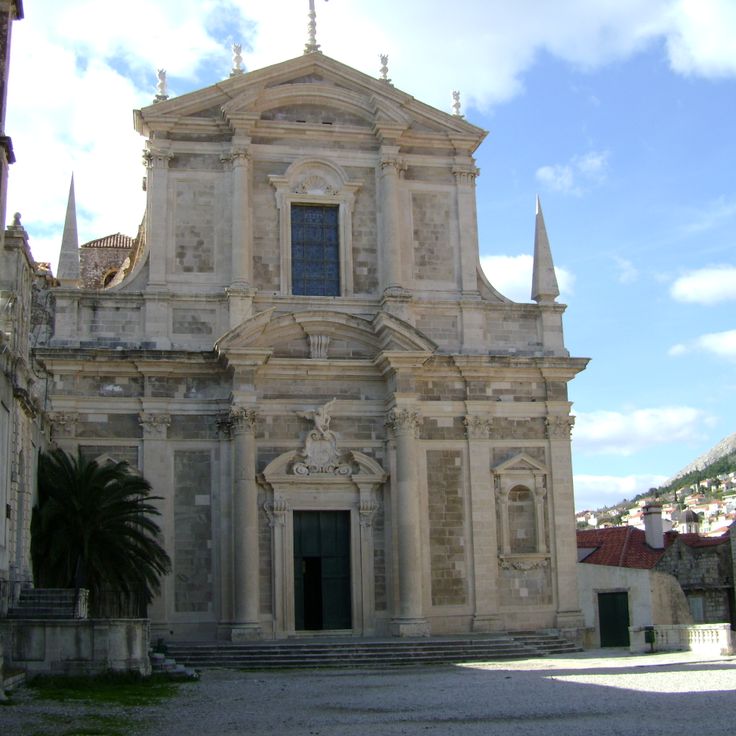
The Church of Saint-Ignace stands on a raised square in the old town of Dubrovnik and belongs to a former Jesuit college. The facade with its stairway recalls Roman Baroque buildings from the first half of the eighteenth century. Inside, wall paintings and stucco decorations show the style of that time, when the Jesuits promoted education and church art.
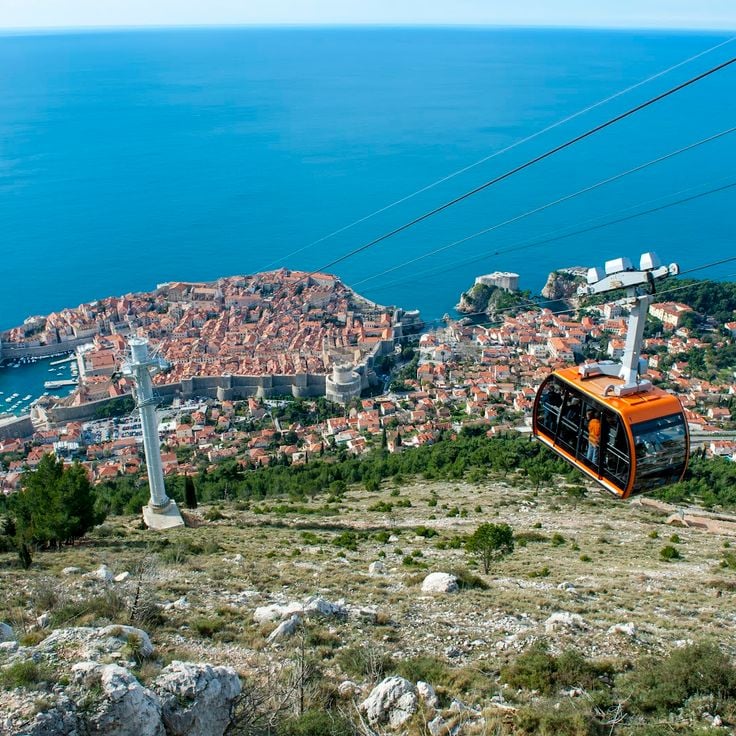
This cable car goes up Mount Srđ to about thirteen hundred feet and shows the rooftops of the former republic, the city walls and the Adriatic Sea stretching to the horizon, as well as the nearby island of Lokrum, which once housed a monastery and now grows plants from different climates.
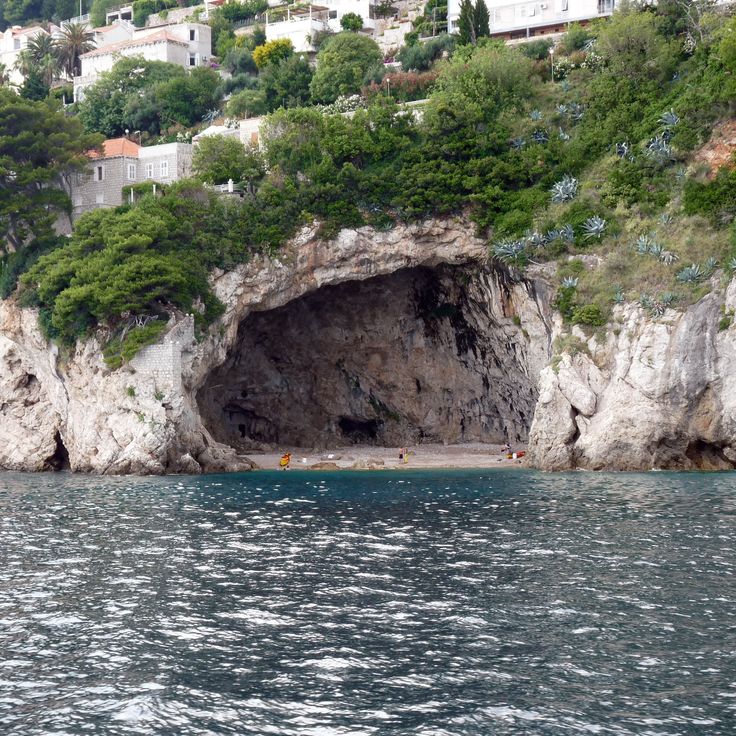
The Plage de la Grotte Betina sits inside a natural limestone cave and can only be reached by boat or by swimming. Water enters through the opening and lights up the interior space with shifting brightness depending on the time of day. The walls show the layered structure of the rock, shaped over long periods by the Adriatic Sea. Access requires a short stretch through open water or renting a small boat from Dubrovnik. Inside the cave, the beach is narrow and made of smooth pebbles that shift underfoot.
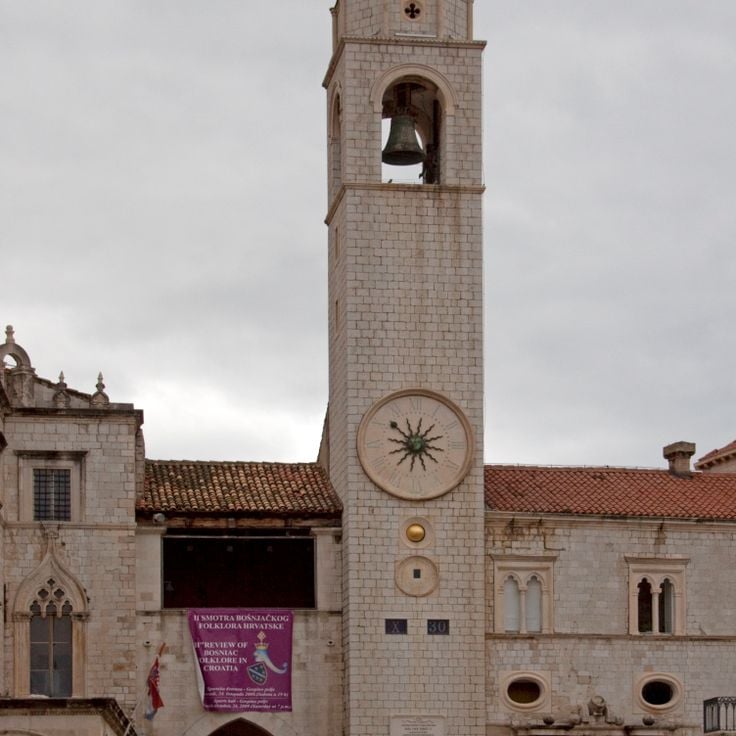
This clock tower stands at the eastern end of Stradun and has been marking time since the 15th century. Two bronze figures strike a bell with hammers to mark the full hour. The mechanism has been renewed several times but follows the original principle. The tower top rises above the surrounding roofs and serves as a landmark in the old town. From the square below, visitors watch the bell ringing, which belongs to the daily routine of the city. The green patina on the figures shows their age.
This beach sits at the bottom of a long stone stairway on the rocky coast south of the old town. The water is deep and clear. From here you can see the city walls and the wooded island of Lokrum. The path down follows a series of steps through the vegetation. The shore is covered with pebbles rather than sand. Locals come here because the beach is not directly on the road.
This fountain stands at the eastern end of the main street and once served as one of the central water taps for residents. It was built in the fifteenth century as part of an aqueduct system that brought fresh water into the walled city and made daily life in the republic possible.
This former quarantine station was built outside the city walls in the seventeenth century to house travelers and goods during required isolation periods. The stone buildings form a complex with courtyards and arches that shows how Dubrovnik organized health measures as a maritime republic. The restored spaces now host cultural events.
This stone breakwater was built in 1873 and protects the old harbor of Dubrovnik from Adriatic waves. Locals and visitors use Porporela for swimming, sunbathing and watching the open sea. From here you see the fortress walls of the old town from the water side and observe boats entering the harbor. On warm days people jump from the stones into the deep water. The breakwater sits directly below the city wall and offers a calm place to linger at the edge of the historic town.
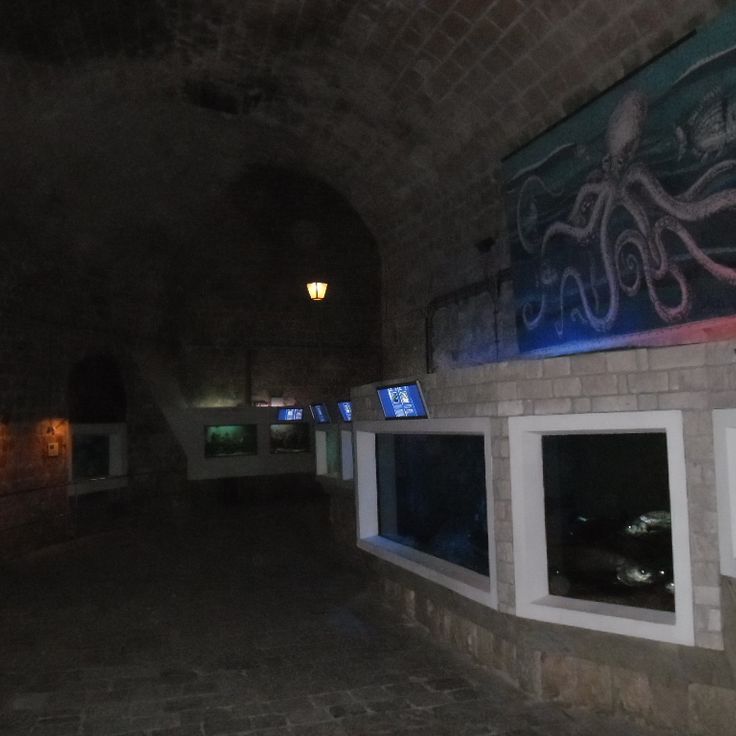
The Maritime Museum inside the Sveti Ivan Fortress shows fish and marine life from the Adriatic Sea and walks visitors through the underwater world of this region. The collection sits within the vaulted chambers of the old harbor fortress at the southern end of the city walls. Here you see species that live along the Croatian coast. This aquarium forms part of the defenses that once protected Dubrovnik's harbor during its time as a maritime republic. The tanks give a sense of what the sea looks like before you head out to the rocks and coves yourself.
This church stands on the main square of the old town and was built in the early eighteenth century in baroque forms with columns and statues on the facade. The building rose after a fire that destroyed an earlier church dedicated to the city's patron saint. Inside, the altar holds a gilded figure of the patron saint carrying a model of the city in his hands. The church sits near the old harbor and forms part of the sequence of baroque buildings that appeared after the earthquakes of the seventeenth century.
This French fortress from the nineteenth century stands on the island of Lokrum near Dubrovnik and houses military history exhibitions. The structure was built during the Napoleonic occupation and sits on the highest point of the island. From the ramparts the view opens toward the Adriatic and the old town of Dubrovnik. The rooms display weapons, uniforms and documents from different periods of coastal defense in this region. The fortress belongs to the military buildings that protected Dubrovnik and its surroundings over the centuries.
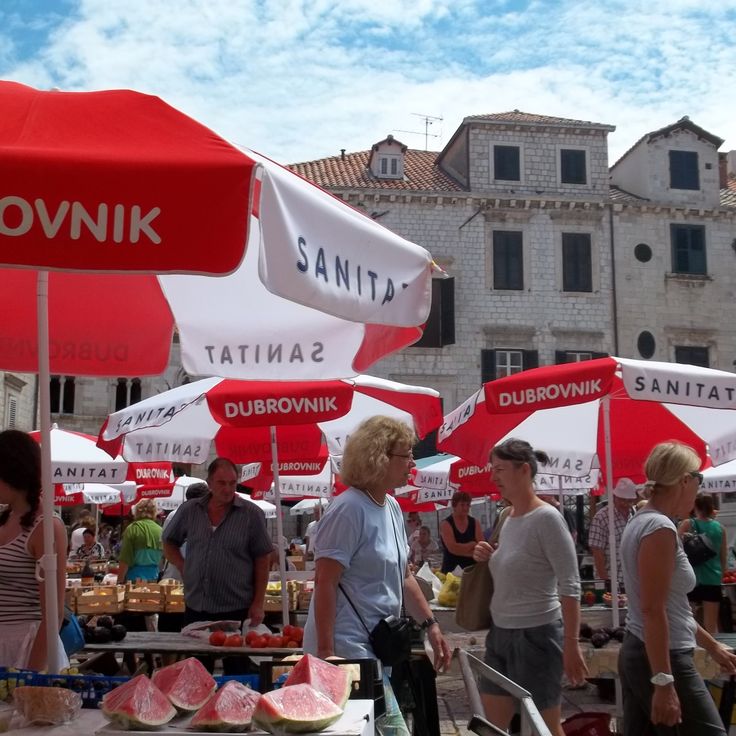
This square sits in the southern part of the old town and takes its name from the poet Ivan Gundulić, who is honored here with a monument. Every morning vendors set up their stalls and sell fruit, vegetables and other food, often brought in from surrounding villages. The atmosphere is lively, filled with conversations between sellers and buyers bargaining over prices and quality. Buildings made of limestone surround the square, their facades showing the same pale color found throughout the city. Steps lead up to streets above, and by early afternoon things grow quieter as stalls are packed away.
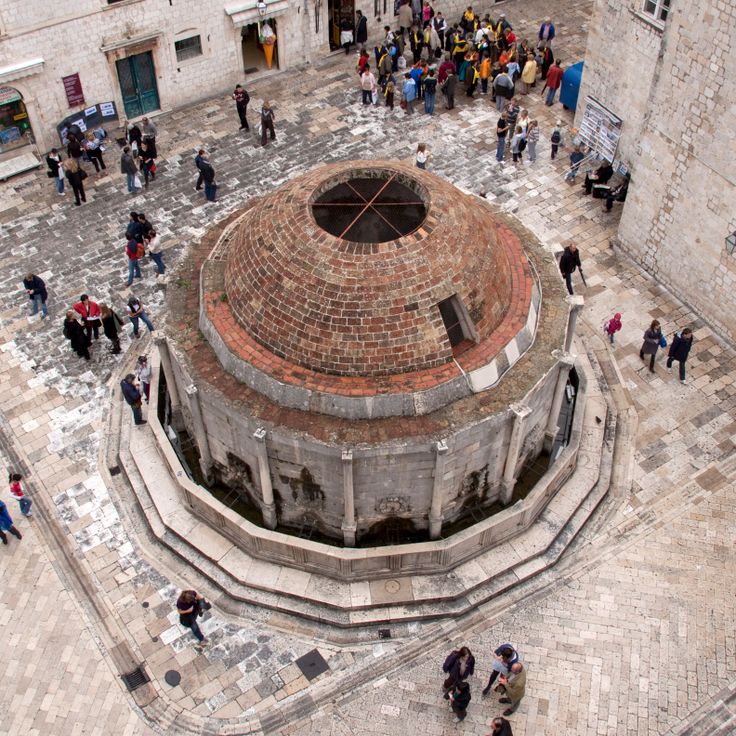
This monumental fountain from the 15th century supplied the city with water. Its 16 taps are set into stone masks and stand at the western city gate of Dubrovnik, where the historic main street Stradun begins. The fountain was designed by an Italian architect and connected to the aqueduct that brought water from several miles away into the fortified city. The round structure shows the style of a period when the Dalmatian republic expanded its public buildings and wanted to secure water supply for all residents.
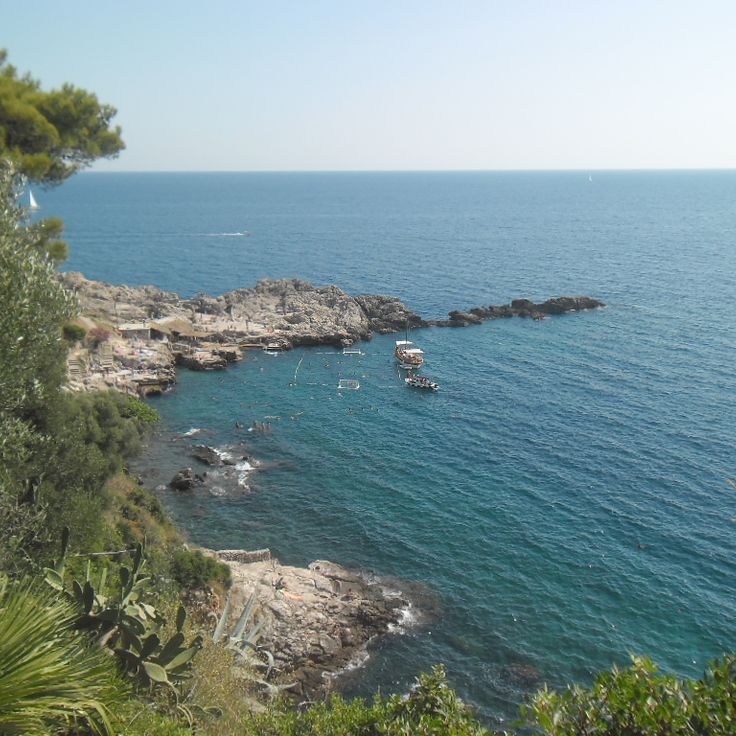
Dance Beach lies south of the old town, where limestone formations drop into the Adriatic. The path descends steep stone steps between rocks to a narrow shoreline where the water is deep and clean. The rock surface forms natural sun terraces with views of the city walls and the open sea. Swimmers enter directly from the stone ledges.
This island belongs to the Elaphites west of Dubrovnik and shows two settlements without motorized traffic. Pine forests cover much of the area and olive trees grow between the trunks. Narrow paths connect the houses and lead to coves with pebble beaches. Fishermen tie their boats at small docks and locals spend afternoons in the shade of the trees. The remains of an old monastery recall that monks once produced wine and oil here. The water along the coast is deep and clear and in summer visitors come to swim and walk.
This fortress dates from the sixteenth century and protected the eastern harbor from approaching ships. The walls secured access to the old town during a time when Dubrovnik survived through sea trade and diplomatic skill. Today the fortress hosts exhibitions and events, while the rooms recall the earlier military function.
The medieval walls of Dubrovnik surround the old town entirely, rising above the sea and the limestone streets. Built starting in the thirteenth century, this fortification connects several towers with massive stone ramparts that kept attackers at bay for hundreds of years. Walking along the top reveals the Adriatic on one side and the tightly packed roofs of the former republic on the other. The walls follow the natural topography, climbing steeply in some places while adapting to the coastline in others.
This fortress stands on a rock outside the city walls and was built in the 11th century. Three terraces rise one above the other, and the walls reach a thickness of 12 meters in some places. The location was strategically important for controlling the western approach to the city, and the fortress could withstand attacks from both sea and land. The stone blocks were worked directly on site, and the entire structure follows the natural shape of the rock. From the upper terraces you see the Adriatic and the old town.
This island sits a few minutes by boat from Dubrovnik and shows the ruins of an 11th-century Benedictine monastery. Monks lived here for centuries until the monastery was abandoned. Between the old stone walls, plants from different climates grow, planted in later years. Paths lead through dense shade to the rocky shore, where the water is deep and clear.
Rue Stradun runs straight through the old town of Dubrovnik, connecting the eastern and western gates. Shops and cafés line both sides, while the pavement has been polished smooth by centuries of footsteps.
The Rector's Palace shows how the elected rulers of the old Republic of Dubrovnik lived and worked. The building combines Gothic and Renaissance elements in its design. Columns in the courtyard support arches that open to the upper floors. Today the palace houses a museum displaying furniture, paintings and objects from the time of the republic. The rooms show where government business was conducted and where the elected rector lived during his term in office.
The Cathedral of Dubrovnik was built in the 17th century in baroque forms after an earthquake destroyed the older church. The building shows how the republic rebuilt its religious structures following the disaster. Inside, a narrow passage leads to the treasury, where objects from different centuries are kept, including vessels and pieces of fabric linked to Saint Blaise, the patron saint of the city. The facade stands on the site where the center of religious life once existed.
The Sponza Palace was built in the sixteenth century and combines Gothic windows with Renaissance arcades. The building served for several centuries as the customs house, mint and trade bank of the independent Republic of Dubrovnik. Merchants declared their goods and paid duties here, while the upper floor housed the city mint. The ground floor hall opens onto the courtyard through a series of arches, where traders and officials met. Today the palace preserves the city's historical archive, including trade agreements and official documents from the republican era.
This tower stands at the highest point of Dubrovnik's city walls and forms the northwestern corner of the fortification. It was completed in the fifteenth century and was built to defend the city against attacks from the land. The thick stone walls enclose a round structure that once served as a strategic lookout post. From the top platform you can see the roofs of the old town, the Adriatic Sea and the island of Lokrum. The climb leads through narrow passages inside the wall.
This fortress on the western city walls dates from the 15th century and protected the old harbor. The round towers served as gun positions. Stone platforms jut out over the Adriatic coast, and thick walls enclose a small courtyard. From here, defenders could monitor incoming ships and secure access to the harbor basin.
This 14th-century monastery stands within the city walls and was rebuilt several times after earthquakes and fires damaged parts of the complex. The church combines Gothic elements with later Baroque additions. Orange trees grow in the cloister among stone columns. The museum rooms display paintings by local masters and religious objects once used in ceremonies. The library holds handwritten books and documents from the time of the republic. A wide staircase leads from the entrance near the city wall up to the main portal. The monastery served for centuries as a religious and cultural center and housed monks who practiced medicine and teaching.
This sea fortress from the 16th century guards the entrance to the old harbor and closes the city walls to the south. The massive walls rise directly from the cliffs and form a compact structure with several floors. Inside, a maritime museum displays ship models, nautical charts and navigation instruments from the time of the republic. An aquarium on the ground floor houses fish and other marine creatures from the Adriatic. From the upper terraces you can see the harbor entrance and the offshore islands. For centuries the fortress served as an arsenal and customs post, controlling all ship traffic into the protected harbor.
This stone column has stood on the main square of the old town since 1418 and shows a medieval knight in armor. The figure once held a sword and served merchants as the official unit of length, defining how cloth and other goods should be measured. The base carries carved inscriptions that recall the rules of the republic. The column marks the center of public life in Dubrovnik and stands where announcements were read and proclamations made. The stone surface shows the marks of six centuries of weather and history.
This gallery shows war photography by international photojournalists who have documented conflicts from different parts of the world. The exhibition space occupies a stone building in the old town and presents rotating collections alongside a permanent display. The photographs capture moments from armed confrontations, humanitarian crises and the effects of violence on civilians. Several rooms spread across two floors, with each hall devoted to a particular conflict or photographic theme. The images come from reporters working in war zones who supply their work to international news agencies. Some series focus on the war in Croatia during the nineties, while other galleries show scenes from the Middle East, Africa or Asia. The exhibition works without lengthy explanatory texts, since the photographs mostly speak for themselves. Visitors walk through dimmed halls where individual shots are illuminated. The atmosphere remains quiet and serious, matching the documentary character of the work on display.
This gate complex from the 15th century marks the western approach to the old town and demonstrates how the republic built its fortifications. A stone bridge structure links the outer and inner gates, both erected at different times to strengthen the defenses. Above the outer passage stands a niche with the statue of the city patron, while the inner gate shows a Gothic arch. The entrance leads directly to Stradun, the main street that crosses the historic center. Those who pass through find themselves in the compact core of limestone buildings, where houses, churches and squares stand from centuries of republican self-rule.
This Sephardic synagogue has stood since the fourteenth century and preserves ritual objects and Torah scrolls from the Jewish community. It remains one of the oldest continuously used synagogues in Europe and sits in a narrow lane within the walled old town. The rooms are small and unadorned, the furnishings collected over centuries, showing how the Sephardic tradition continued in Dubrovnik through different periods. Individual pieces recall the arrival of Jews from Spain after the expulsion and the religious life during the time of the republic.
The Church of Saint-Ignace stands on a raised square in the old town of Dubrovnik and belongs to a former Jesuit college. The facade with its stairway recalls Roman Baroque buildings from the first half of the eighteenth century. Inside, wall paintings and stucco decorations show the style of that time, when the Jesuits promoted education and church art.
This cable car goes up Mount Srđ to about thirteen hundred feet and shows the rooftops of the former republic, the city walls and the Adriatic Sea stretching to the horizon, as well as the nearby island of Lokrum, which once housed a monastery and now grows plants from different climates.
The Plage de la Grotte Betina sits inside a natural limestone cave and can only be reached by boat or by swimming. Water enters through the opening and lights up the interior space with shifting brightness depending on the time of day. The walls show the layered structure of the rock, shaped over long periods by the Adriatic Sea. Access requires a short stretch through open water or renting a small boat from Dubrovnik. Inside the cave, the beach is narrow and made of smooth pebbles that shift underfoot.
This clock tower stands at the eastern end of Stradun and has been marking time since the 15th century. Two bronze figures strike a bell with hammers to mark the full hour. The mechanism has been renewed several times but follows the original principle. The tower top rises above the surrounding roofs and serves as a landmark in the old town. From the square below, visitors watch the bell ringing, which belongs to the daily routine of the city. The green patina on the figures shows their age.
This beach sits at the bottom of a long stone stairway on the rocky coast south of the old town. The water is deep and clear. From here you can see the city walls and the wooded island of Lokrum. The path down follows a series of steps through the vegetation. The shore is covered with pebbles rather than sand. Locals come here because the beach is not directly on the road.
This fountain stands at the eastern end of the main street and once served as one of the central water taps for residents. It was built in the fifteenth century as part of an aqueduct system that brought fresh water into the walled city and made daily life in the republic possible.
This former quarantine station was built outside the city walls in the seventeenth century to house travelers and goods during required isolation periods. The stone buildings form a complex with courtyards and arches that shows how Dubrovnik organized health measures as a maritime republic. The restored spaces now host cultural events.
This stone breakwater was built in 1873 and protects the old harbor of Dubrovnik from Adriatic waves. Locals and visitors use Porporela for swimming, sunbathing and watching the open sea. From here you see the fortress walls of the old town from the water side and observe boats entering the harbor. On warm days people jump from the stones into the deep water. The breakwater sits directly below the city wall and offers a calm place to linger at the edge of the historic town.
The Maritime Museum inside the Sveti Ivan Fortress shows fish and marine life from the Adriatic Sea and walks visitors through the underwater world of this region. The collection sits within the vaulted chambers of the old harbor fortress at the southern end of the city walls. Here you see species that live along the Croatian coast. This aquarium forms part of the defenses that once protected Dubrovnik's harbor during its time as a maritime republic. The tanks give a sense of what the sea looks like before you head out to the rocks and coves yourself.
This church stands on the main square of the old town and was built in the early eighteenth century in baroque forms with columns and statues on the facade. The building rose after a fire that destroyed an earlier church dedicated to the city's patron saint. Inside, the altar holds a gilded figure of the patron saint carrying a model of the city in his hands. The church sits near the old harbor and forms part of the sequence of baroque buildings that appeared after the earthquakes of the seventeenth century.
This French fortress from the nineteenth century stands on the island of Lokrum near Dubrovnik and houses military history exhibitions. The structure was built during the Napoleonic occupation and sits on the highest point of the island. From the ramparts the view opens toward the Adriatic and the old town of Dubrovnik. The rooms display weapons, uniforms and documents from different periods of coastal defense in this region. The fortress belongs to the military buildings that protected Dubrovnik and its surroundings over the centuries.
This square sits in the southern part of the old town and takes its name from the poet Ivan Gundulić, who is honored here with a monument. Every morning vendors set up their stalls and sell fruit, vegetables and other food, often brought in from surrounding villages. The atmosphere is lively, filled with conversations between sellers and buyers bargaining over prices and quality. Buildings made of limestone surround the square, their facades showing the same pale color found throughout the city. Steps lead up to streets above, and by early afternoon things grow quieter as stalls are packed away.
This monumental fountain from the 15th century supplied the city with water. Its 16 taps are set into stone masks and stand at the western city gate of Dubrovnik, where the historic main street Stradun begins. The fountain was designed by an Italian architect and connected to the aqueduct that brought water from several miles away into the fortified city. The round structure shows the style of a period when the Dalmatian republic expanded its public buildings and wanted to secure water supply for all residents.
Dance Beach lies south of the old town, where limestone formations drop into the Adriatic. The path descends steep stone steps between rocks to a narrow shoreline where the water is deep and clean. The rock surface forms natural sun terraces with views of the city walls and the open sea. Swimmers enter directly from the stone ledges.
This island belongs to the Elaphites west of Dubrovnik and shows two settlements without motorized traffic. Pine forests cover much of the area and olive trees grow between the trunks. Narrow paths connect the houses and lead to coves with pebble beaches. Fishermen tie their boats at small docks and locals spend afternoons in the shade of the trees. The remains of an old monastery recall that monks once produced wine and oil here. The water along the coast is deep and clear and in summer visitors come to swim and walk.
This fortress dates from the sixteenth century and protected the eastern harbor from approaching ships. The walls secured access to the old town during a time when Dubrovnik survived through sea trade and diplomatic skill. Today the fortress hosts exhibitions and events, while the rooms recall the earlier military function.
The medieval walls of Dubrovnik surround the old town entirely, rising above the sea and the limestone streets. Built starting in the thirteenth century, this fortification connects several towers with massive stone ramparts that kept attackers at bay for hundreds of years. Walking along the top reveals the Adriatic on one side and the tightly packed roofs of the former republic on the other. The walls follow the natural topography, climbing steeply in some places while adapting to the coastline in others.
This fortress stands on a rock outside the city walls and was built in the 11th century. Three terraces rise one above the other, and the walls reach a thickness of 12 meters in some places. The location was strategically important for controlling the western approach to the city, and the fortress could withstand attacks from both sea and land. The stone blocks were worked directly on site, and the entire structure follows the natural shape of the rock. From the upper terraces you see the Adriatic and the old town.
This island sits a few minutes by boat from Dubrovnik and shows the ruins of an 11th-century Benedictine monastery. Monks lived here for centuries until the monastery was abandoned. Between the old stone walls, plants from different climates grow, planted in later years. Paths lead through dense shade to the rocky shore, where the water is deep and clear.
Rue Stradun runs straight through the old town of Dubrovnik, connecting the eastern and western gates. Shops and cafés line both sides, while the pavement has been polished smooth by centuries of footsteps.
The Rector's Palace shows how the elected rulers of the old Republic of Dubrovnik lived and worked. The building combines Gothic and Renaissance elements in its design. Columns in the courtyard support arches that open to the upper floors. Today the palace houses a museum displaying furniture, paintings and objects from the time of the republic. The rooms show where government business was conducted and where the elected rector lived during his term in office.
The Cathedral of Dubrovnik was built in the 17th century in baroque forms after an earthquake destroyed the older church. The building shows how the republic rebuilt its religious structures following the disaster. Inside, a narrow passage leads to the treasury, where objects from different centuries are kept, including vessels and pieces of fabric linked to Saint Blaise, the patron saint of the city. The facade stands on the site where the center of religious life once existed.
The Sponza Palace was built in the sixteenth century and combines Gothic windows with Renaissance arcades. The building served for several centuries as the customs house, mint and trade bank of the independent Republic of Dubrovnik. Merchants declared their goods and paid duties here, while the upper floor housed the city mint. The ground floor hall opens onto the courtyard through a series of arches, where traders and officials met. Today the palace preserves the city's historical archive, including trade agreements and official documents from the republican era.
This tower stands at the highest point of Dubrovnik's city walls and forms the northwestern corner of the fortification. It was completed in the fifteenth century and was built to defend the city against attacks from the land. The thick stone walls enclose a round structure that once served as a strategic lookout post. From the top platform you can see the roofs of the old town, the Adriatic Sea and the island of Lokrum. The climb leads through narrow passages inside the wall.
This fortress on the western city walls dates from the 15th century and protected the old harbor. The round towers served as gun positions. Stone platforms jut out over the Adriatic coast, and thick walls enclose a small courtyard. From here, defenders could monitor incoming ships and secure access to the harbor basin.
This 14th-century monastery stands within the city walls and was rebuilt several times after earthquakes and fires damaged parts of the complex. The church combines Gothic elements with later Baroque additions. Orange trees grow in the cloister among stone columns. The museum rooms display paintings by local masters and religious objects once used in ceremonies. The library holds handwritten books and documents from the time of the republic. A wide staircase leads from the entrance near the city wall up to the main portal. The monastery served for centuries as a religious and cultural center and housed monks who practiced medicine and teaching.
This sea fortress from the 16th century guards the entrance to the old harbor and closes the city walls to the south. The massive walls rise directly from the cliffs and form a compact structure with several floors. Inside, a maritime museum displays ship models, nautical charts and navigation instruments from the time of the republic. An aquarium on the ground floor houses fish and other marine creatures from the Adriatic. From the upper terraces you can see the harbor entrance and the offshore islands. For centuries the fortress served as an arsenal and customs post, controlling all ship traffic into the protected harbor.
This stone column has stood on the main square of the old town since 1418 and shows a medieval knight in armor. The figure once held a sword and served merchants as the official unit of length, defining how cloth and other goods should be measured. The base carries carved inscriptions that recall the rules of the republic. The column marks the center of public life in Dubrovnik and stands where announcements were read and proclamations made. The stone surface shows the marks of six centuries of weather and history.
This gallery shows war photography by international photojournalists who have documented conflicts from different parts of the world. The exhibition space occupies a stone building in the old town and presents rotating collections alongside a permanent display. The photographs capture moments from armed confrontations, humanitarian crises and the effects of violence on civilians. Several rooms spread across two floors, with each hall devoted to a particular conflict or photographic theme. The images come from reporters working in war zones who supply their work to international news agencies. Some series focus on the war in Croatia during the nineties, while other galleries show scenes from the Middle East, Africa or Asia. The exhibition works without lengthy explanatory texts, since the photographs mostly speak for themselves. Visitors walk through dimmed halls where individual shots are illuminated. The atmosphere remains quiet and serious, matching the documentary character of the work on display.
This gate complex from the 15th century marks the western approach to the old town and demonstrates how the republic built its fortifications. A stone bridge structure links the outer and inner gates, both erected at different times to strengthen the defenses. Above the outer passage stands a niche with the statue of the city patron, while the inner gate shows a Gothic arch. The entrance leads directly to Stradun, the main street that crosses the historic center. Those who pass through find themselves in the compact core of limestone buildings, where houses, churches and squares stand from centuries of republican self-rule.
This Sephardic synagogue has stood since the fourteenth century and preserves ritual objects and Torah scrolls from the Jewish community. It remains one of the oldest continuously used synagogues in Europe and sits in a narrow lane within the walled old town. The rooms are small and unadorned, the furnishings collected over centuries, showing how the Sephardic tradition continued in Dubrovnik through different periods. Individual pieces recall the arrival of Jews from Spain after the expulsion and the religious life during the time of the republic.
The Church of Saint-Ignace stands on a raised square in the old town of Dubrovnik and belongs to a former Jesuit college. The facade with its stairway recalls Roman Baroque buildings from the first half of the eighteenth century. Inside, wall paintings and stucco decorations show the style of that time, when the Jesuits promoted education and church art.
This cable car goes up Mount Srđ to about thirteen hundred feet and shows the rooftops of the former republic, the city walls and the Adriatic Sea stretching to the horizon, as well as the nearby island of Lokrum, which once housed a monastery and now grows plants from different climates.
The Plage de la Grotte Betina sits inside a natural limestone cave and can only be reached by boat or by swimming. Water enters through the opening and lights up the interior space with shifting brightness depending on the time of day. The walls show the layered structure of the rock, shaped over long periods by the Adriatic Sea. Access requires a short stretch through open water or renting a small boat from Dubrovnik. Inside the cave, the beach is narrow and made of smooth pebbles that shift underfoot.
This clock tower stands at the eastern end of Stradun and has been marking time since the 15th century. Two bronze figures strike a bell with hammers to mark the full hour. The mechanism has been renewed several times but follows the original principle. The tower top rises above the surrounding roofs and serves as a landmark in the old town. From the square below, visitors watch the bell ringing, which belongs to the daily routine of the city. The green patina on the figures shows their age.
This beach sits at the bottom of a long stone stairway on the rocky coast south of the old town. The water is deep and clear. From here you can see the city walls and the wooded island of Lokrum. The path down follows a series of steps through the vegetation. The shore is covered with pebbles rather than sand. Locals come here because the beach is not directly on the road.
This fountain stands at the eastern end of the main street and once served as one of the central water taps for residents. It was built in the fifteenth century as part of an aqueduct system that brought fresh water into the walled city and made daily life in the republic possible.
This former quarantine station was built outside the city walls in the seventeenth century to house travelers and goods during required isolation periods. The stone buildings form a complex with courtyards and arches that shows how Dubrovnik organized health measures as a maritime republic. The restored spaces now host cultural events.
This stone breakwater was built in 1873 and protects the old harbor of Dubrovnik from Adriatic waves. Locals and visitors use Porporela for swimming, sunbathing and watching the open sea. From here you see the fortress walls of the old town from the water side and observe boats entering the harbor. On warm days people jump from the stones into the deep water. The breakwater sits directly below the city wall and offers a calm place to linger at the edge of the historic town.
The Maritime Museum inside the Sveti Ivan Fortress shows fish and marine life from the Adriatic Sea and walks visitors through the underwater world of this region. The collection sits within the vaulted chambers of the old harbor fortress at the southern end of the city walls. Here you see species that live along the Croatian coast. This aquarium forms part of the defenses that once protected Dubrovnik's harbor during its time as a maritime republic. The tanks give a sense of what the sea looks like before you head out to the rocks and coves yourself.
This church stands on the main square of the old town and was built in the early eighteenth century in baroque forms with columns and statues on the facade. The building rose after a fire that destroyed an earlier church dedicated to the city's patron saint. Inside, the altar holds a gilded figure of the patron saint carrying a model of the city in his hands. The church sits near the old harbor and forms part of the sequence of baroque buildings that appeared after the earthquakes of the seventeenth century.
This French fortress from the nineteenth century stands on the island of Lokrum near Dubrovnik and houses military history exhibitions. The structure was built during the Napoleonic occupation and sits on the highest point of the island. From the ramparts the view opens toward the Adriatic and the old town of Dubrovnik. The rooms display weapons, uniforms and documents from different periods of coastal defense in this region. The fortress belongs to the military buildings that protected Dubrovnik and its surroundings over the centuries.
This square sits in the southern part of the old town and takes its name from the poet Ivan Gundulić, who is honored here with a monument. Every morning vendors set up their stalls and sell fruit, vegetables and other food, often brought in from surrounding villages. The atmosphere is lively, filled with conversations between sellers and buyers bargaining over prices and quality. Buildings made of limestone surround the square, their facades showing the same pale color found throughout the city. Steps lead up to streets above, and by early afternoon things grow quieter as stalls are packed away.
This monumental fountain from the 15th century supplied the city with water. Its 16 taps are set into stone masks and stand at the western city gate of Dubrovnik, where the historic main street Stradun begins. The fountain was designed by an Italian architect and connected to the aqueduct that brought water from several miles away into the fortified city. The round structure shows the style of a period when the Dalmatian republic expanded its public buildings and wanted to secure water supply for all residents.
Dance Beach lies south of the old town, where limestone formations drop into the Adriatic. The path descends steep stone steps between rocks to a narrow shoreline where the water is deep and clean. The rock surface forms natural sun terraces with views of the city walls and the open sea. Swimmers enter directly from the stone ledges.
This island belongs to the Elaphites west of Dubrovnik and shows two settlements without motorized traffic. Pine forests cover much of the area and olive trees grow between the trunks. Narrow paths connect the houses and lead to coves with pebble beaches. Fishermen tie their boats at small docks and locals spend afternoons in the shade of the trees. The remains of an old monastery recall that monks once produced wine and oil here. The water along the coast is deep and clear and in summer visitors come to swim and walk.
This fortress dates from the sixteenth century and protected the eastern harbor from approaching ships. The walls secured access to the old town during a time when Dubrovnik survived through sea trade and diplomatic skill. Today the fortress hosts exhibitions and events, while the rooms recall the earlier military function.