Lazzarettos of Dubrovnik, Quarantine station in Dubrovnik, Croatia
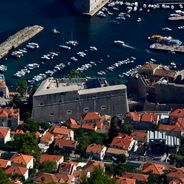
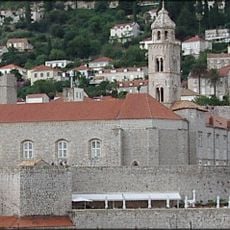
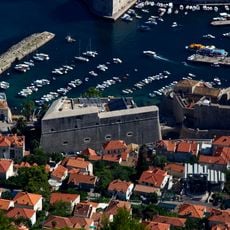
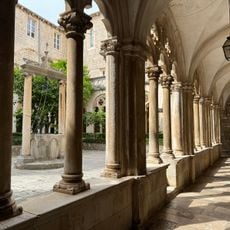
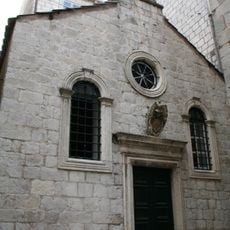
The Lazzarettos of Dubrovnik form a complex of ten multi-storey buildings, called lađe, linked by five interior courtyards, called badžaferi, built in stages between 1590 and 1642. Each courtyard had a door facing the sea for unloading goods, with arcades for storage on the lower ground floor and a staircase leading to an upper shared courtyard with small residential buildings. The complex is enclosed by a high wall with gates on the sea and land sides.
Construction of the Lazzarettos began in 1590 and was completed in 1642, reflecting the long timeline for this ambitious project. The complex played a crucial role in protecting the Republic of Ragusa against disease outbreaks that threatened trade routes.
The name comes from the Italian lazaretto, a quarantine station, not from leprosy. The Ragusan quarantine was supervised by three health officers called kacamorti, and the 1397 decree set penalties of 100 ducats or prison for those who broke it. Today the complex houses the Art radionica Lazareti, the Kavana Lazareti and the peace organisation Deša.
The complex stands about 300 metres east of the city walls, reached on foot from Ploče. Ten halls called lađe alternate with five inner courtyards, badžaferi, and the whole site is enclosed by a high wall with gates on the sea and land sides. Two two-storey houses, the kapetanija and the janjičarski han, stand at the entrance and at the far end.
Dubrovnik introduced the first documented quarantine regulation in 1377, requiring travelers to isolate on remote islands before entering the city. This early health measure was revolutionary and later inspired similar practices in other Mediterranean ports.
The community of curious travelers
AroundUs brings together thousands of curated places, local tips, and hidden gems, enriched daily by 92,755 contributors worldwide.