See the monuments around you in AROpen chests in the app
Around Us is built for your phone — point your camera at the streets and discover the monuments and places around you in augmented reality.Around Us is built for your phone — chests unlock when you walk, explore and capture nearby places.
The Irish islands are known for rocky coasts, Gaelic villages, and traces of history that have shaped the landscape of the Atlantic.
The islands we show on this list offer different views and real experiences. This list of twenty-five islands includes popular spots, islands where Irish is still spoken, wild areas, and places less visited. You will see cliffs like those on Skellig Michael, beaches like Keem Bay on Achill, the Aran Islands with their old villages, and hidden spots in Donegal. These islands show the heart of Ireland's natural and cultural roots.
From the rocky coasts of the Atlantic to stone villages, each island has its own story of the people who lived there. You find old forts, ancient churches, cliffs that drop into the sea, and communities where Irish is still used. The landscape changes with each island: mountains and wetlands on Achill, stone walls on the Aran Islands, wild beaches on Arranmore, and gardens that seem tropical on Garnish.
The Irish islands are known for rocky coasts, Gaelic villages, and traces of history that have shaped the landscape of the Atlantic.
The islands we show on this list offer different views and real experiences. This list of twenty-five islands includes popular spots, islands where Irish is still spoken, wild areas, and places less visited. You will see cliffs like those on Skellig Michael, beaches like Keem Bay on Achill, the Aran Islands with their old villages, and hidden spots in Donegal. These islands show the heart of Ireland's natural and cultural roots.
From the rocky coasts of the Atlantic to stone villages, each island has its own story of the people who lived there. You find old forts, ancient churches, cliffs that drop into the sea, and communities where Irish is still used. The landscape changes with each island: mountains and wetlands on Achill, stone walls on the Aran Islands, wild beaches on Arranmore, and gardens that seem tropical on Garnish.
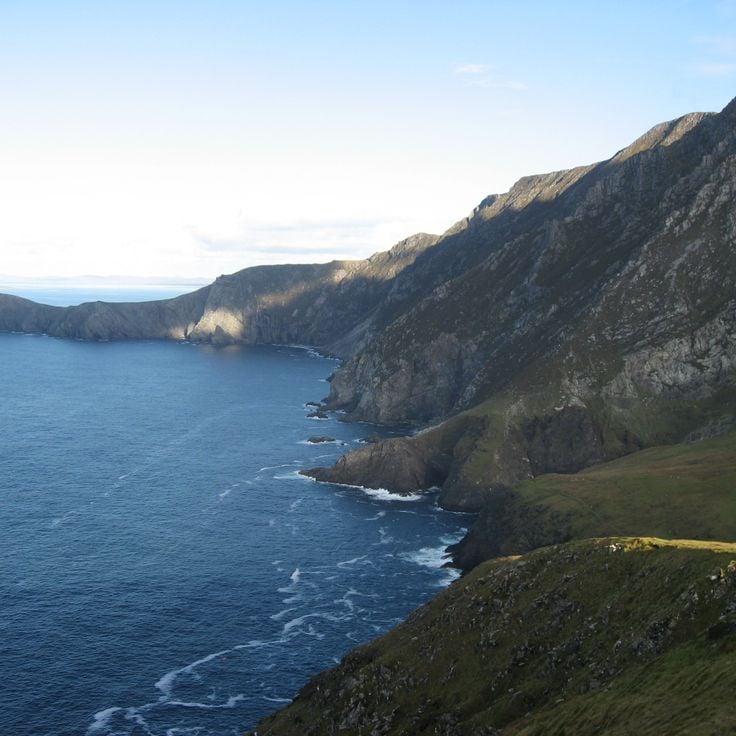
Achill Island is the largest island in Ireland and can be reached by a bridge from the mainland. The landscape shifts between open bogland, mountain slopes, and a long Atlantic coastline. Keem Bay offers a sheltered sandy beach at the foot of tall cliffs, and the water there is known for its clarity. The cliffs along the western edge of the island drop sharply into the ocean. Scattered ruins of old stone buildings remind visitors that people have lived and worked here for centuries.
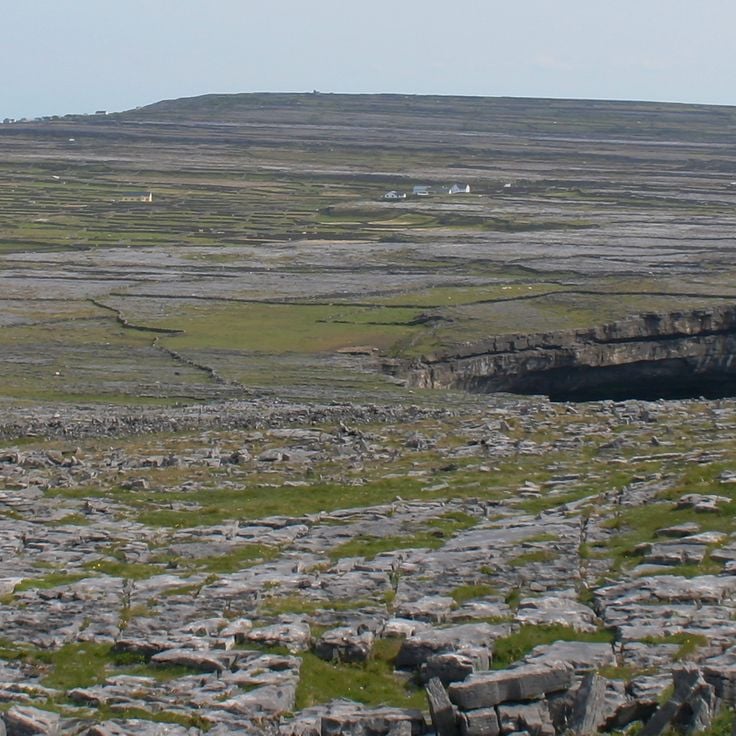
Inis Mór is the largest of the Aran Islands, off the coast of County Galway. The island is known for Dún Aonghasa, a prehistoric stone fort that sits right at the edge of tall cliffs dropping into the Atlantic. Walking across the limestone slabs and past the old stone walls gives a real sense of how life has been lived here for centuries. Irish is still spoken on the island every day.
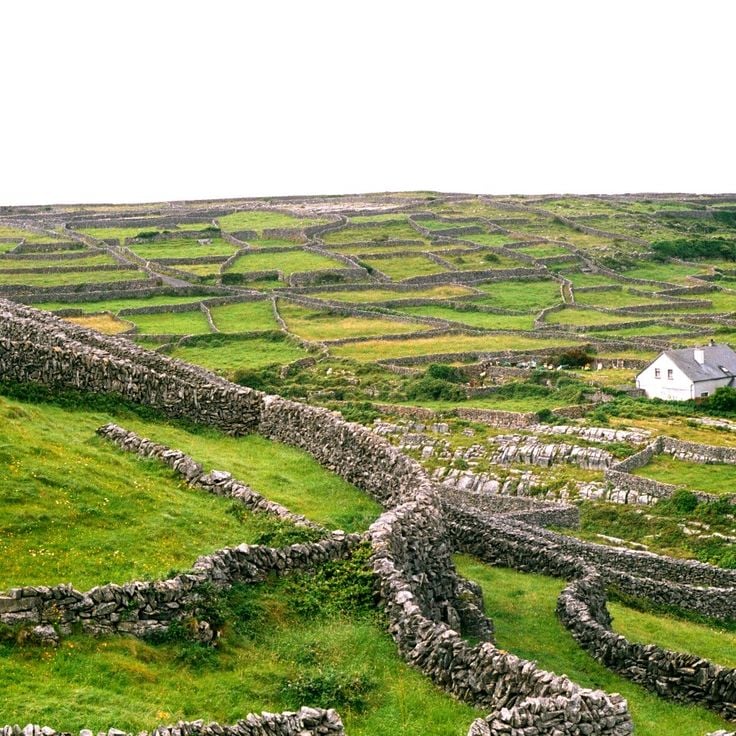
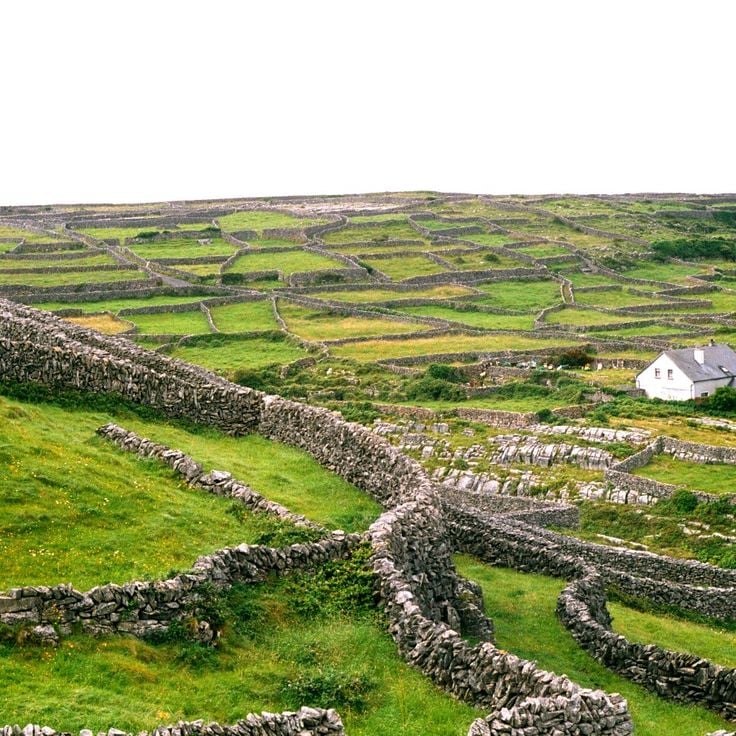
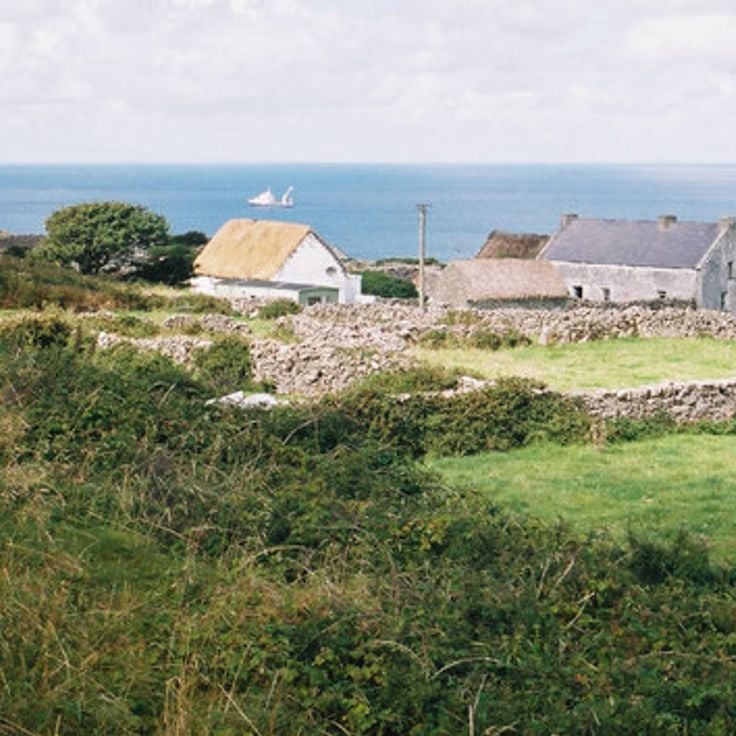
Inis Oírr is the smallest of the Aran Islands, sitting off the coast of Galway. Stone walls cross the land in every direction, dividing the fields into tight patches. A white lighthouse stands at one end of the island, and the rusting hull of the Plassey, a cargo ship that ran aground in 1960, rests on the rocks near the shore. The water around the island turns a clear shade of blue on sunny days, and the beaches stay quiet and open. Irish Gaelic is spoken here every day, and life on the island follows the slow pace set by the sea.
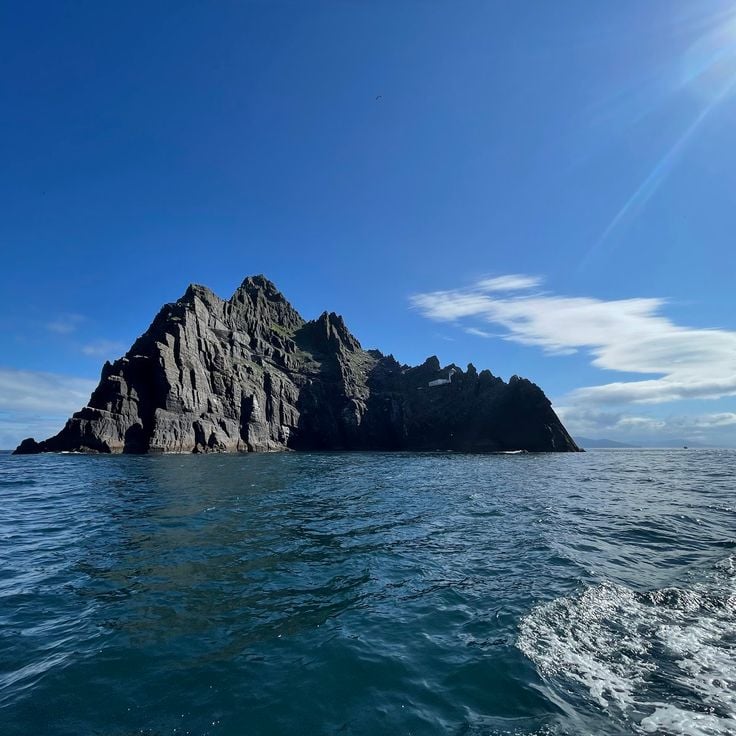
Skellig Michael rises from the Atlantic about 7 miles (11 km) off the coast of County Kerry. At its summit, monks built a stone monastery in the early Middle Ages, and much of it still stands today. Small stone huts called beehive cells, along with a chapel, cling to a very steep rocky slope. To reach them, you climb around 600 steps cut directly into the rock. That climb gives a real sense of what life was like for those who once lived here. Skellig Michael is listed as a UNESCO World Heritage Site, making it one of the most visited monastic ruins on the Irish coast.
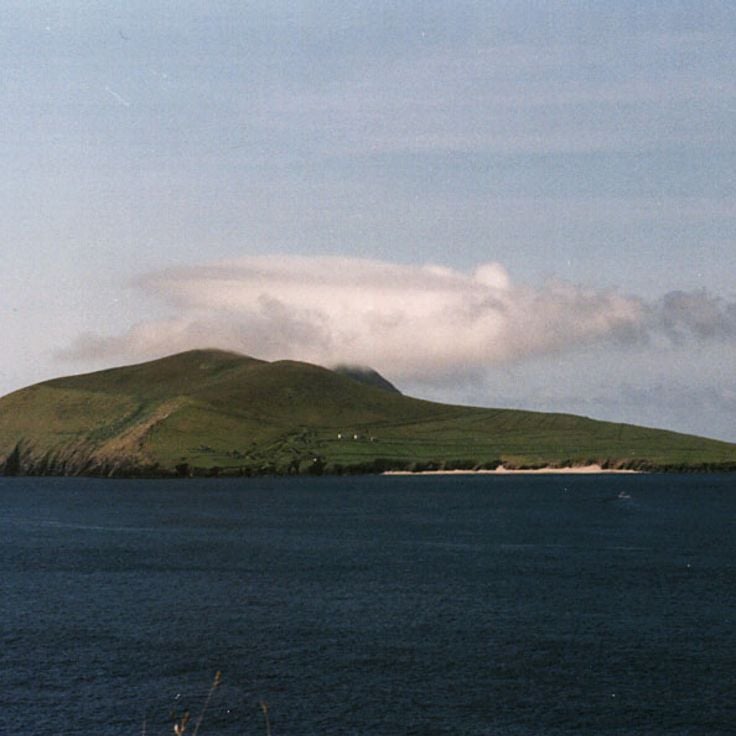
Great Blasket Island is the largest island in the Blasket archipelago, off the coast of County Kerry. It has been uninhabited since 1953, when the last residents left for the mainland. The island holds a special place in Irish literary history: writers like Tomás Ó Criomhthain and Peig Sayers described daily life here in books that are still read today. Visitors walk among abandoned stone houses, follow paths along cliffs that drop straight into the Atlantic, and spot seals and seabirds along the shore.
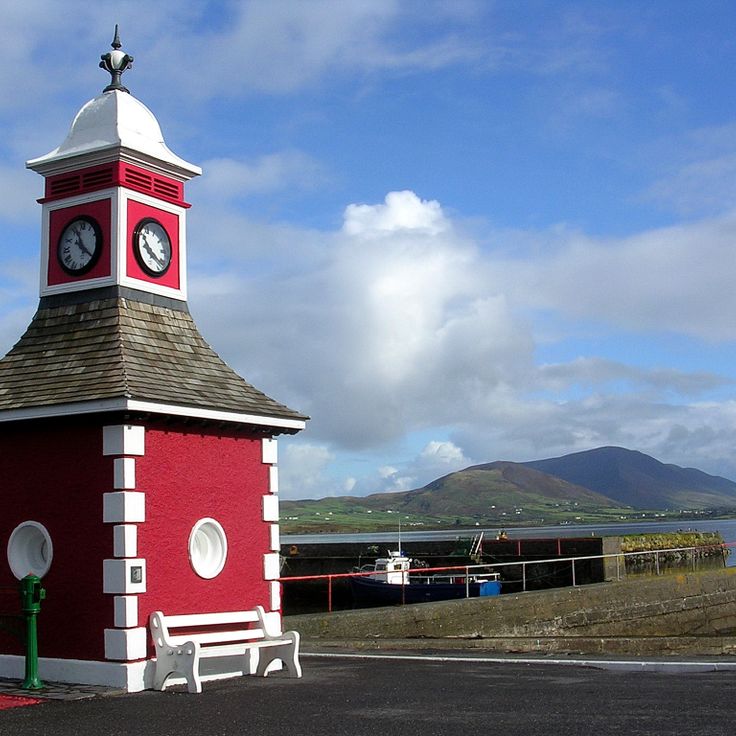
Valentia Island sits off the coast of Kerry and can be reached by bridge or ferry. The island has tall cliffs, an old lighthouse, and wide views over the Atlantic. In the 19th century, the first transatlantic telegraph cable was laid here, giving the island a special place in the history of long-distance communication.
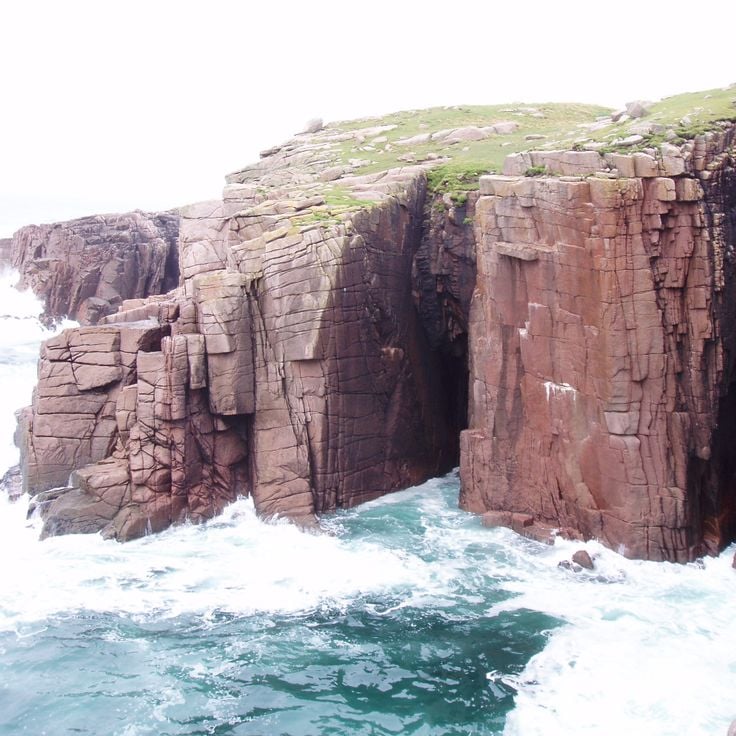
Tory Island sits far off the Donegal coast and is one of the most remote inhabited islands in Ireland. Irish is spoken here every day, and a local school of naive painting has been active on the island for decades. The cliffs drop sharply into the Atlantic, and the wind shapes daily life on Tory more than almost anywhere else.
Arranmore Island sits off the coast of County Donegal and draws walkers with its long beaches, sea cliffs, and inland lakes. The trails cross open moorland and rocky ground, with the Atlantic always close by. Irish is still spoken here as a daily language, and the island gives a clear sense of life on the western edge of Ireland.
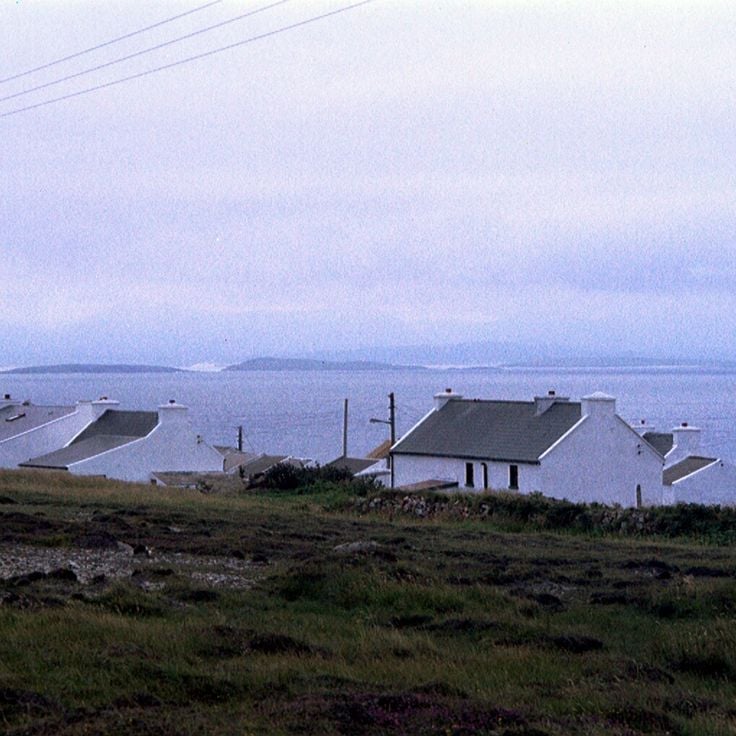
Gola Island sits off the coast of County Donegal and was once a working fishing community. Today, almost no one lives there permanently. Visitors walk past stone houses that were left behind when the last residents moved to the mainland, and the island has kept much of its old character. There are sandy beaches, open moorland, and rock faces that attract climbers. Gola offers a quiet look at what life on the Atlantic edge once looked like.
Inishbofin sits off the coast of County Galway and moves at a slow, steady pace. Footpaths wind past sandy beaches and low cliffs where seabirds gather in large numbers. In the evenings, locals and visitors come together in the pubs for traditional music sessions that can go on for hours. This island fits naturally into any journey through the Irish islands, offering both coastal scenery and a living sense of local culture.
Clare Island sits at the entrance to Clew Bay, off the coast of County Mayo. The island is closely tied to Grace O'Malley, a 16th-century Irish seafarer who lived and ruled here. Visitors can explore her castle, an old abbey, and cliffs that drop sharply into the Atlantic. Life here moves more slowly than on nearby Achill, and the island draws those looking for open trails, sea views, and a strong sense of local history.
Inishturk is a small, hilly island off the coast of County Mayo, home to very few residents. Walking here means following narrow paths along the cliffs, with the Atlantic stretching out below. The island moves at its own slow pace, and the silence is part of what draws visitors. It is a place where daily life feels simple and close to the land.
Collanmore Island sits in Clew Bay, off the coast of County Mayo, surrounded by dozens of small islets scattered across the water. The bay changes with the tides, revealing rocky outcrops and quiet channels between the islands. Getting there requires a boat, which keeps the place away from heavy foot traffic. It is a good spot for those who want to experience the Irish Atlantic coast without crowds.
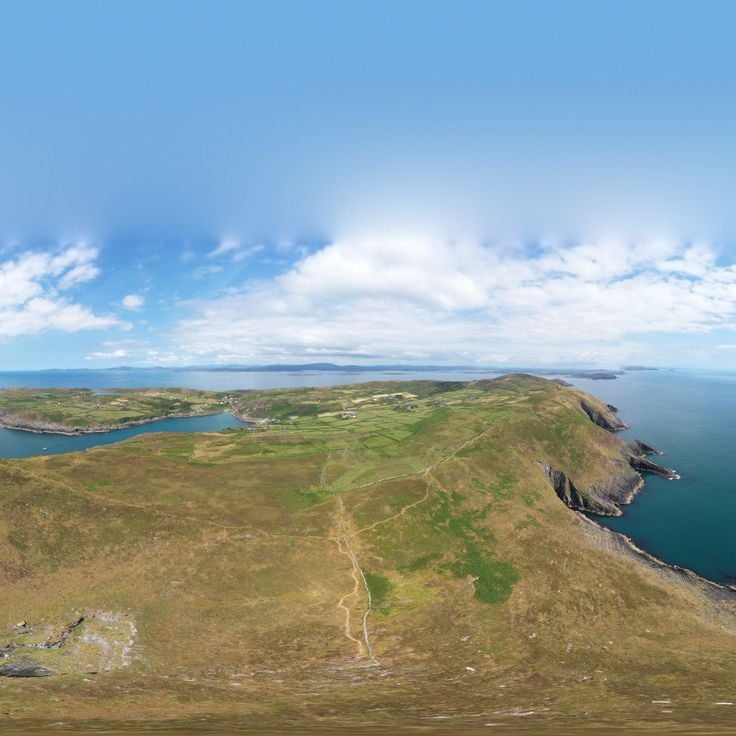
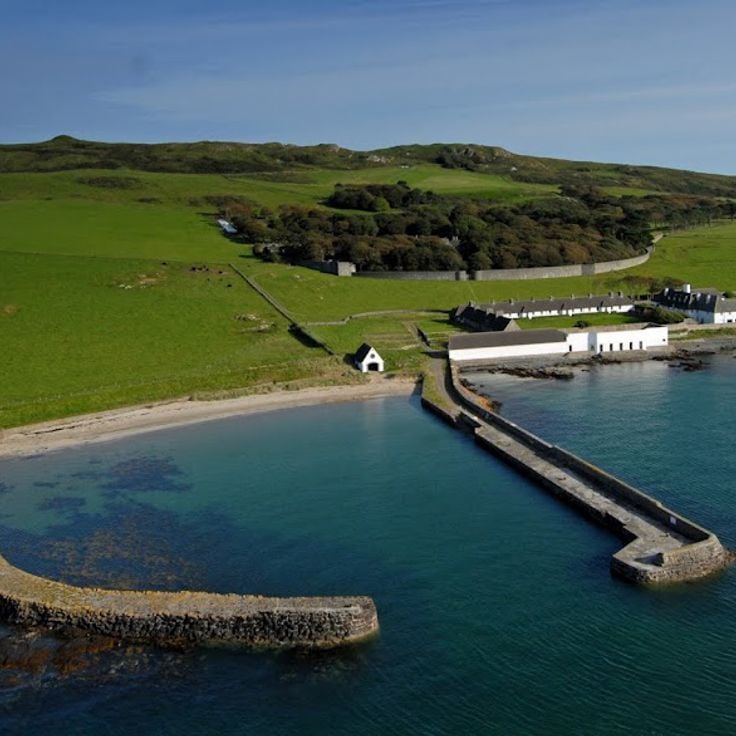
Bere Island sits in Bantry Bay, off the coast of Cork. The island has military remains from the early 20th century, old lighthouses, and small fishing harbors. Walking paths run along the coast, offering views over the bay and the surrounding hills. Life on the island moves at a slow pace, and a ferry connects it to the mainland every day.
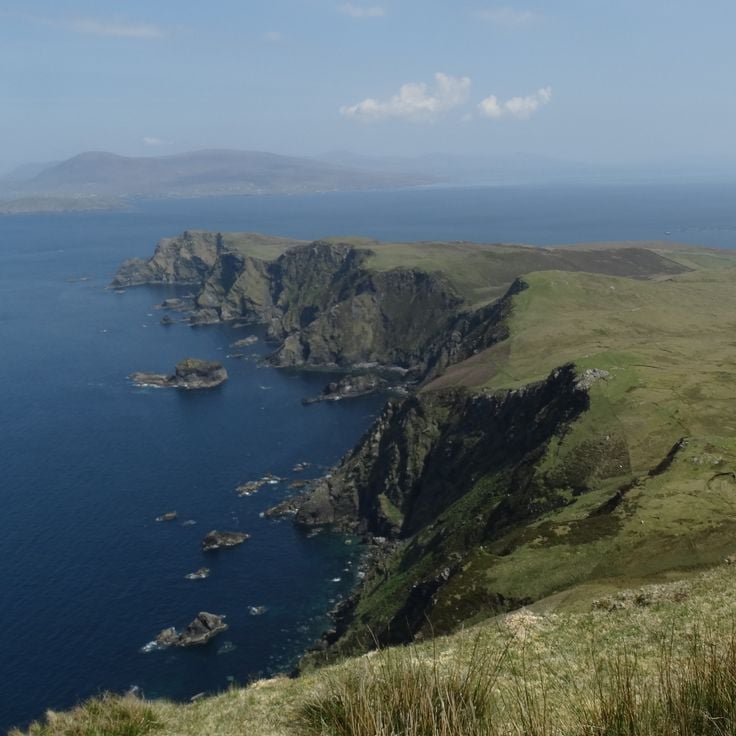
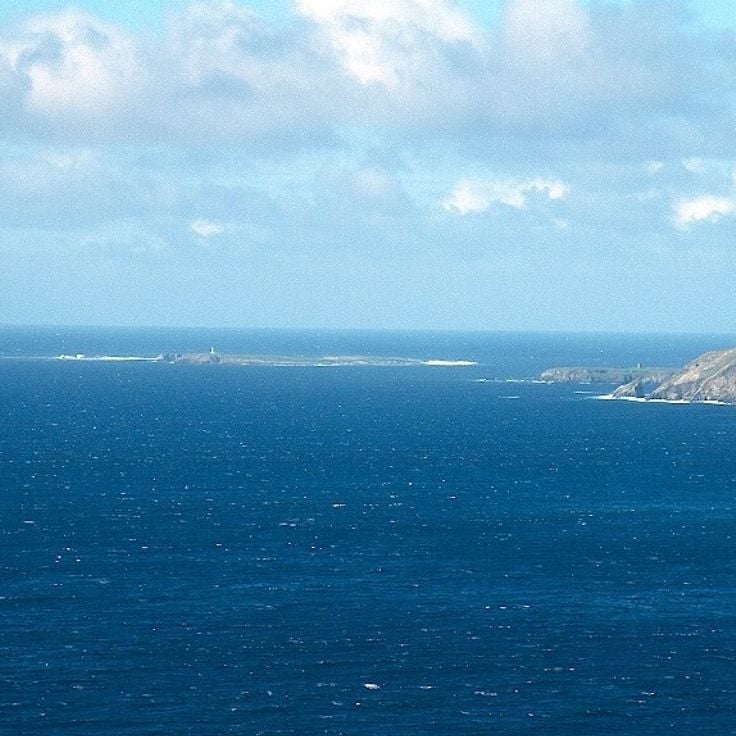
Dursey Island sits at the far tip of the Beara Peninsula in County Cork, reachable only by a cable car that crosses a narrow sound. The island is known for its sea cliffs and the many migratory birds that stop here on their journey. Walking paths run past old stone ruins, and the views stretch out over open Atlantic water. It is a remote, wind-swept place where the pace of life feels very different from the mainland.
Cape Clear Island is the southernmost inhabited island in Ireland, sitting off the coast of County Cork. Irish is still spoken here as a living language in everyday life. The island is home to a bird observatory that draws visitors during migration season, when rare species pass through. From its high points, the views stretch far out over the open Atlantic.
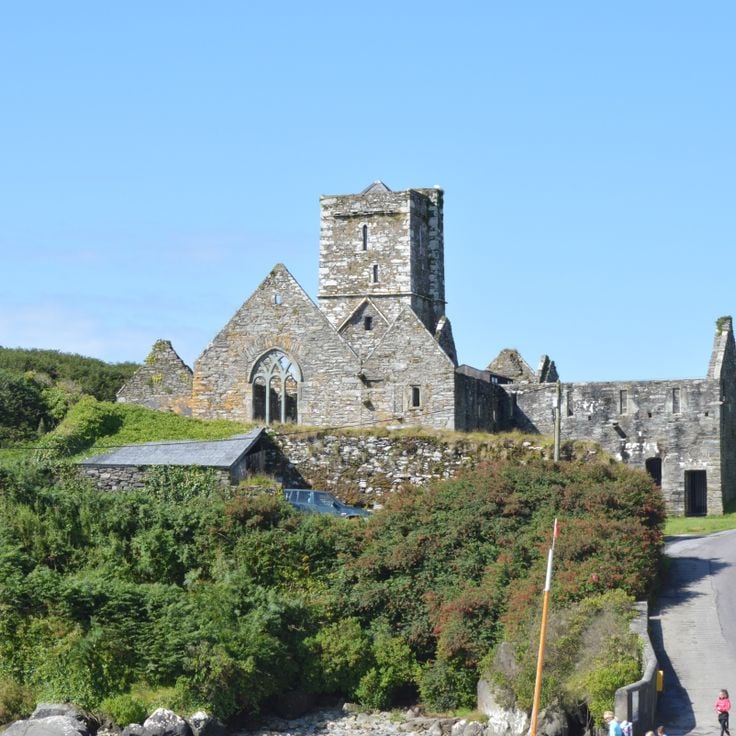
Sherkin Island sits just off Baltimore in County Cork and is easy to reach by ferry. The island has sandy beaches that stay wild and quiet, a small community with a notable artistic presence, and the ruins of a Franciscan abbey from the 15th century standing near the shore as a reminder of the island's long past.
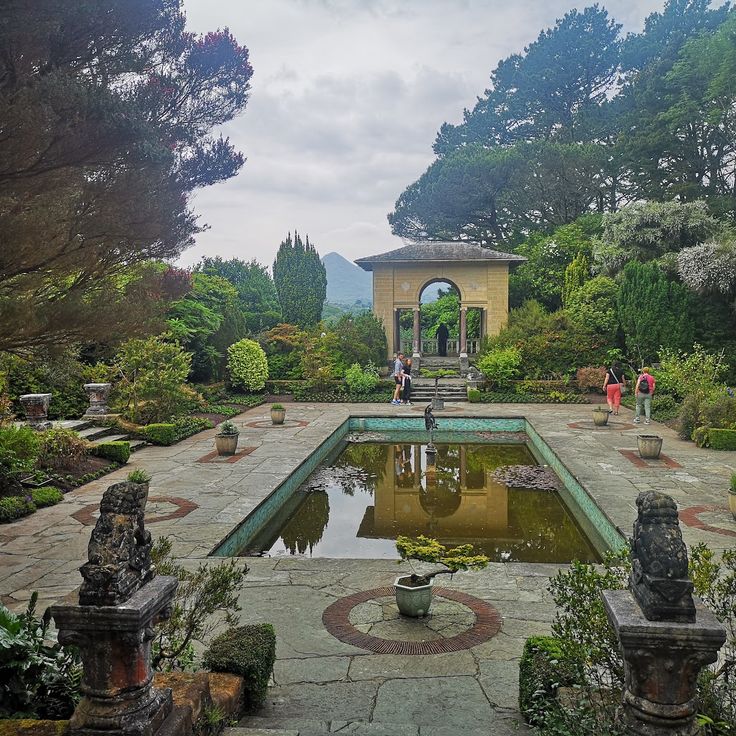
Garnish Island sits in Bantry Bay, County Cork, and stands out among Irish islands for its formal gardens. Thanks to a mild coastal climate, plants from the Mediterranean and the Southern Hemisphere grow here alongside native species. Visitors walk through stone paths, past small pavilions and pools, in a setting that feels far removed from the rocky Atlantic coast just beyond the bay.
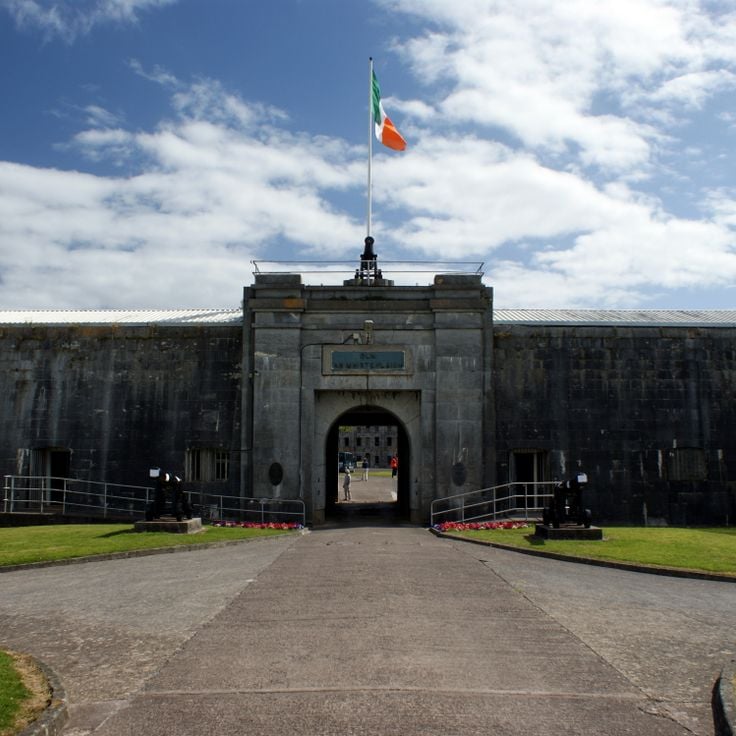
Spike Island sits in Cork Harbour and carries a long, difficult past. For centuries, the island's fort served as a military base before becoming one of Ireland's largest prisons. Today, visitors can walk through the old walls and imagine what life once looked like here.
Lambay Island sits just off the coast of County Dublin and is one of the more unusual spots on the Irish island map. It has been in private hands for centuries and is not open to visitors, which helps explain why its wildlife has been left largely undisturbed. The island is home to a historic castle and a colony of wallabies, brought over long ago and now breeding freely. Seabirds nest here in large numbers, and the waters around the island are known for their marine life.
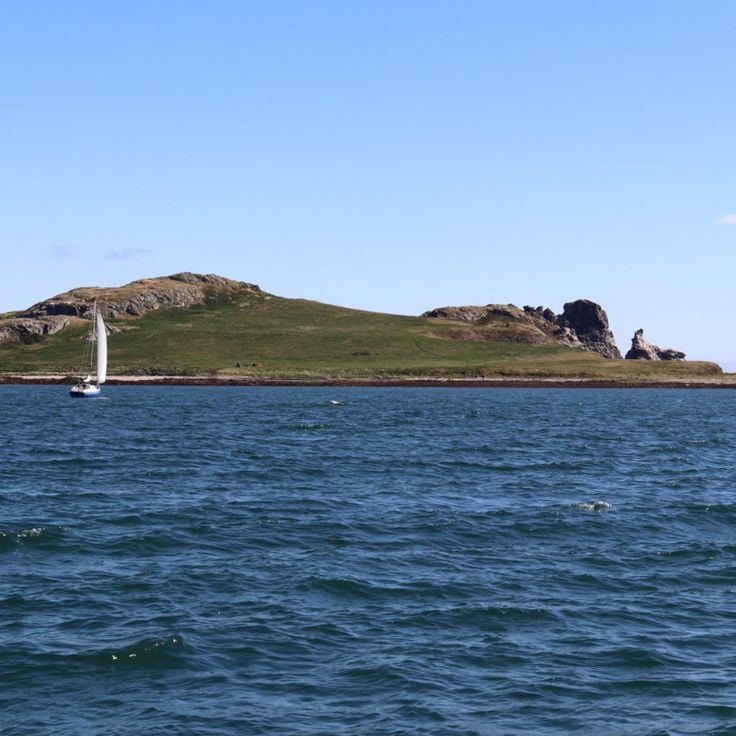
Ireland's Eye is a small, uninhabited island just off the coast of Howth, north of Dublin. A short boat ride brings you to a rocky beach, from which you can walk to the cliffs on the eastern side. Gannets, cormorants, and other seabirds nest there in large numbers. A Martello tower built in the 19th century stands near the shore, and the ruins of an early medieval church hint at a longer human history on the island.
Rathlin Island is the northernmost inhabited island in Northern Ireland. Its cliffs drop sharply into the sea, and in spring, large numbers of puffins nest on the rocky faces. The lighthouse sits built directly into the cliff side, giving it an unusual appearance. The island lies off the coast of County Antrim and is reached by ferry from Ballycastle. Walking paths follow the cliff edges and open onto wide views of the Atlantic.
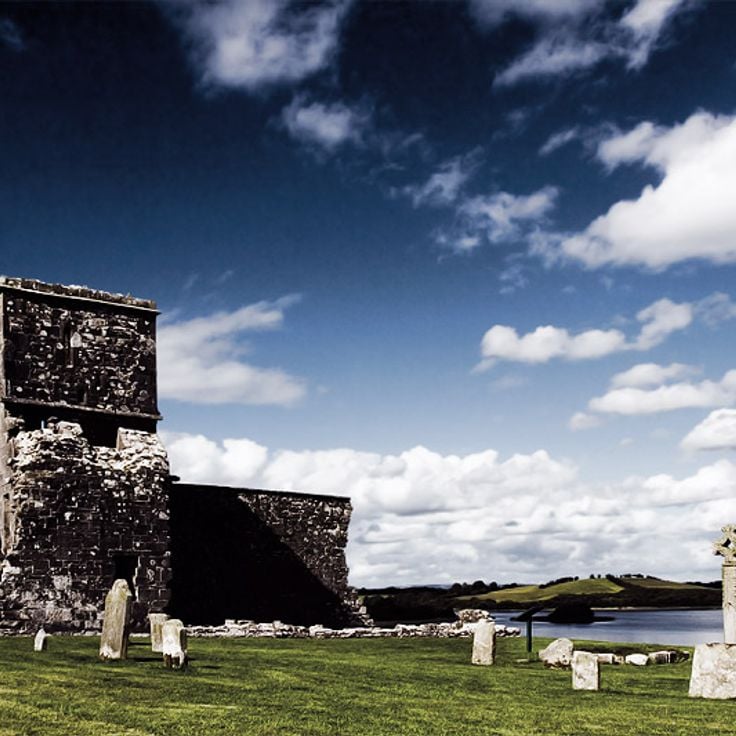
Devenish Island sits in Lough Erne and holds one of the oldest monastic sites in Ireland. A round tower from the 12th century still stands nearly whole, alongside the ruins of a church and a medieval tomb. Monks lived here for centuries, and walking among the old stones gives a strong sense of just how long this place has been inhabited. A short ferry ride from the shore brings you to the island.
Boa Island sits in Lough Erne in County Fermanagh and can be reached by road across two bridges. The island is best known for the stone figures at Caldragh cemetery, a small, tree-shaded burial ground at its western end. These ancient carvings, sometimes called Janus figures, show two faces looking in opposite directions and date back to the early Celtic period. They stand low to the ground, worn by centuries of weather, and give the place a feeling that is hard to find anywhere else. For visitors exploring the Irish islands collection, Boa Island offers a quiet but memorable stop where old stone tells stories no words fully can.
Inis Meáin is the middle of the three Aran Islands and the least visited of them. Irish is still spoken here as a living language, and daily life on the island follows a pace that has changed little over generations. Stone walls divide the land into small plots, and the paths along the coast open onto raw Atlantic views. For travelers exploring the Aran Islands, Inis Meáin offers the most direct contact with traditional island life.
Achill Island is the largest island in Ireland and can be reached by a bridge from the mainland. The landscape shifts between open bogland, mountain slopes, and a long Atlantic coastline. Keem Bay offers a sheltered sandy beach at the foot of tall cliffs, and the water there is known for its clarity. The cliffs along the western edge of the island drop sharply into the ocean. Scattered ruins of old stone buildings remind visitors that people have lived and worked here for centuries.
Inis Mór is the largest of the Aran Islands, off the coast of County Galway. The island is known for Dún Aonghasa, a prehistoric stone fort that sits right at the edge of tall cliffs dropping into the Atlantic. Walking across the limestone slabs and past the old stone walls gives a real sense of how life has been lived here for centuries. Irish is still spoken on the island every day.
Inis Oírr is the smallest of the Aran Islands, sitting off the coast of Galway. Stone walls cross the land in every direction, dividing the fields into tight patches. A white lighthouse stands at one end of the island, and the rusting hull of the Plassey, a cargo ship that ran aground in 1960, rests on the rocks near the shore. The water around the island turns a clear shade of blue on sunny days, and the beaches stay quiet and open. Irish Gaelic is spoken here every day, and life on the island follows the slow pace set by the sea.
Skellig Michael rises from the Atlantic about 7 miles (11 km) off the coast of County Kerry. At its summit, monks built a stone monastery in the early Middle Ages, and much of it still stands today. Small stone huts called beehive cells, along with a chapel, cling to a very steep rocky slope. To reach them, you climb around 600 steps cut directly into the rock. That climb gives a real sense of what life was like for those who once lived here. Skellig Michael is listed as a UNESCO World Heritage Site, making it one of the most visited monastic ruins on the Irish coast.
Great Blasket Island is the largest island in the Blasket archipelago, off the coast of County Kerry. It has been uninhabited since 1953, when the last residents left for the mainland. The island holds a special place in Irish literary history: writers like Tomás Ó Criomhthain and Peig Sayers described daily life here in books that are still read today. Visitors walk among abandoned stone houses, follow paths along cliffs that drop straight into the Atlantic, and spot seals and seabirds along the shore.
Valentia Island sits off the coast of Kerry and can be reached by bridge or ferry. The island has tall cliffs, an old lighthouse, and wide views over the Atlantic. In the 19th century, the first transatlantic telegraph cable was laid here, giving the island a special place in the history of long-distance communication.
Tory Island sits far off the Donegal coast and is one of the most remote inhabited islands in Ireland. Irish is spoken here every day, and a local school of naive painting has been active on the island for decades. The cliffs drop sharply into the Atlantic, and the wind shapes daily life on Tory more than almost anywhere else.
Arranmore Island sits off the coast of County Donegal and draws walkers with its long beaches, sea cliffs, and inland lakes. The trails cross open moorland and rocky ground, with the Atlantic always close by. Irish is still spoken here as a daily language, and the island gives a clear sense of life on the western edge of Ireland.
Gola Island sits off the coast of County Donegal and was once a working fishing community. Today, almost no one lives there permanently. Visitors walk past stone houses that were left behind when the last residents moved to the mainland, and the island has kept much of its old character. There are sandy beaches, open moorland, and rock faces that attract climbers. Gola offers a quiet look at what life on the Atlantic edge once looked like.
Inishbofin sits off the coast of County Galway and moves at a slow, steady pace. Footpaths wind past sandy beaches and low cliffs where seabirds gather in large numbers. In the evenings, locals and visitors come together in the pubs for traditional music sessions that can go on for hours. This island fits naturally into any journey through the Irish islands, offering both coastal scenery and a living sense of local culture.
Clare Island sits at the entrance to Clew Bay, off the coast of County Mayo. The island is closely tied to Grace O'Malley, a 16th-century Irish seafarer who lived and ruled here. Visitors can explore her castle, an old abbey, and cliffs that drop sharply into the Atlantic. Life here moves more slowly than on nearby Achill, and the island draws those looking for open trails, sea views, and a strong sense of local history.
Inishturk is a small, hilly island off the coast of County Mayo, home to very few residents. Walking here means following narrow paths along the cliffs, with the Atlantic stretching out below. The island moves at its own slow pace, and the silence is part of what draws visitors. It is a place where daily life feels simple and close to the land.
Collanmore Island sits in Clew Bay, off the coast of County Mayo, surrounded by dozens of small islets scattered across the water. The bay changes with the tides, revealing rocky outcrops and quiet channels between the islands. Getting there requires a boat, which keeps the place away from heavy foot traffic. It is a good spot for those who want to experience the Irish Atlantic coast without crowds.
Bere Island sits in Bantry Bay, off the coast of Cork. The island has military remains from the early 20th century, old lighthouses, and small fishing harbors. Walking paths run along the coast, offering views over the bay and the surrounding hills. Life on the island moves at a slow pace, and a ferry connects it to the mainland every day.
Dursey Island sits at the far tip of the Beara Peninsula in County Cork, reachable only by a cable car that crosses a narrow sound. The island is known for its sea cliffs and the many migratory birds that stop here on their journey. Walking paths run past old stone ruins, and the views stretch out over open Atlantic water. It is a remote, wind-swept place where the pace of life feels very different from the mainland.
Cape Clear Island is the southernmost inhabited island in Ireland, sitting off the coast of County Cork. Irish is still spoken here as a living language in everyday life. The island is home to a bird observatory that draws visitors during migration season, when rare species pass through. From its high points, the views stretch far out over the open Atlantic.
Sherkin Island sits just off Baltimore in County Cork and is easy to reach by ferry. The island has sandy beaches that stay wild and quiet, a small community with a notable artistic presence, and the ruins of a Franciscan abbey from the 15th century standing near the shore as a reminder of the island's long past.
Garnish Island sits in Bantry Bay, County Cork, and stands out among Irish islands for its formal gardens. Thanks to a mild coastal climate, plants from the Mediterranean and the Southern Hemisphere grow here alongside native species. Visitors walk through stone paths, past small pavilions and pools, in a setting that feels far removed from the rocky Atlantic coast just beyond the bay.
Spike Island sits in Cork Harbour and carries a long, difficult past. For centuries, the island's fort served as a military base before becoming one of Ireland's largest prisons. Today, visitors can walk through the old walls and imagine what life once looked like here.
Lambay Island sits just off the coast of County Dublin and is one of the more unusual spots on the Irish island map. It has been in private hands for centuries and is not open to visitors, which helps explain why its wildlife has been left largely undisturbed. The island is home to a historic castle and a colony of wallabies, brought over long ago and now breeding freely. Seabirds nest here in large numbers, and the waters around the island are known for their marine life.
Ireland's Eye is a small, uninhabited island just off the coast of Howth, north of Dublin. A short boat ride brings you to a rocky beach, from which you can walk to the cliffs on the eastern side. Gannets, cormorants, and other seabirds nest there in large numbers. A Martello tower built in the 19th century stands near the shore, and the ruins of an early medieval church hint at a longer human history on the island.
Rathlin Island is the northernmost inhabited island in Northern Ireland. Its cliffs drop sharply into the sea, and in spring, large numbers of puffins nest on the rocky faces. The lighthouse sits built directly into the cliff side, giving it an unusual appearance. The island lies off the coast of County Antrim and is reached by ferry from Ballycastle. Walking paths follow the cliff edges and open onto wide views of the Atlantic.
Devenish Island sits in Lough Erne and holds one of the oldest monastic sites in Ireland. A round tower from the 12th century still stands nearly whole, alongside the ruins of a church and a medieval tomb. Monks lived here for centuries, and walking among the old stones gives a strong sense of just how long this place has been inhabited. A short ferry ride from the shore brings you to the island.
Boa Island sits in Lough Erne in County Fermanagh and can be reached by road across two bridges. The island is best known for the stone figures at Caldragh cemetery, a small, tree-shaded burial ground at its western end. These ancient carvings, sometimes called Janus figures, show two faces looking in opposite directions and date back to the early Celtic period. They stand low to the ground, worn by centuries of weather, and give the place a feeling that is hard to find anywhere else. For visitors exploring the Irish islands collection, Boa Island offers a quiet but memorable stop where old stone tells stories no words fully can.
Inis Meáin is the middle of the three Aran Islands and the least visited of them. Irish is still spoken here as a living language, and daily life on the island follows a pace that has changed little over generations. Stone walls divide the land into small plots, and the paths along the coast open onto raw Atlantic views. For travelers exploring the Aran Islands, Inis Meáin offers the most direct contact with traditional island life.
Achill Island is the largest island in Ireland and can be reached by a bridge from the mainland. The landscape shifts between open bogland, mountain slopes, and a long Atlantic coastline. Keem Bay offers a sheltered sandy beach at the foot of tall cliffs, and the water there is known for its clarity. The cliffs along the western edge of the island drop sharply into the ocean. Scattered ruins of old stone buildings remind visitors that people have lived and worked here for centuries.
Inis Mór is the largest of the Aran Islands, off the coast of County Galway. The island is known for Dún Aonghasa, a prehistoric stone fort that sits right at the edge of tall cliffs dropping into the Atlantic. Walking across the limestone slabs and past the old stone walls gives a real sense of how life has been lived here for centuries. Irish is still spoken on the island every day.
Inis Oírr is the smallest of the Aran Islands, sitting off the coast of Galway. Stone walls cross the land in every direction, dividing the fields into tight patches. A white lighthouse stands at one end of the island, and the rusting hull of the Plassey, a cargo ship that ran aground in 1960, rests on the rocks near the shore. The water around the island turns a clear shade of blue on sunny days, and the beaches stay quiet and open. Irish Gaelic is spoken here every day, and life on the island follows the slow pace set by the sea.
Skellig Michael rises from the Atlantic about 7 miles (11 km) off the coast of County Kerry. At its summit, monks built a stone monastery in the early Middle Ages, and much of it still stands today. Small stone huts called beehive cells, along with a chapel, cling to a very steep rocky slope. To reach them, you climb around 600 steps cut directly into the rock. That climb gives a real sense of what life was like for those who once lived here. Skellig Michael is listed as a UNESCO World Heritage Site, making it one of the most visited monastic ruins on the Irish coast.
Great Blasket Island is the largest island in the Blasket archipelago, off the coast of County Kerry. It has been uninhabited since 1953, when the last residents left for the mainland. The island holds a special place in Irish literary history: writers like Tomás Ó Criomhthain and Peig Sayers described daily life here in books that are still read today. Visitors walk among abandoned stone houses, follow paths along cliffs that drop straight into the Atlantic, and spot seals and seabirds along the shore.
Valentia Island sits off the coast of Kerry and can be reached by bridge or ferry. The island has tall cliffs, an old lighthouse, and wide views over the Atlantic. In the 19th century, the first transatlantic telegraph cable was laid here, giving the island a special place in the history of long-distance communication.
Tory Island sits far off the Donegal coast and is one of the most remote inhabited islands in Ireland. Irish is spoken here every day, and a local school of naive painting has been active on the island for decades. The cliffs drop sharply into the Atlantic, and the wind shapes daily life on Tory more than almost anywhere else.
Arranmore Island sits off the coast of County Donegal and draws walkers with its long beaches, sea cliffs, and inland lakes. The trails cross open moorland and rocky ground, with the Atlantic always close by. Irish is still spoken here as a daily language, and the island gives a clear sense of life on the western edge of Ireland.
Gola Island sits off the coast of County Donegal and was once a working fishing community. Today, almost no one lives there permanently. Visitors walk past stone houses that were left behind when the last residents moved to the mainland, and the island has kept much of its old character. There are sandy beaches, open moorland, and rock faces that attract climbers. Gola offers a quiet look at what life on the Atlantic edge once looked like.
Inishbofin sits off the coast of County Galway and moves at a slow, steady pace. Footpaths wind past sandy beaches and low cliffs where seabirds gather in large numbers. In the evenings, locals and visitors come together in the pubs for traditional music sessions that can go on for hours. This island fits naturally into any journey through the Irish islands, offering both coastal scenery and a living sense of local culture.
Clare Island sits at the entrance to Clew Bay, off the coast of County Mayo. The island is closely tied to Grace O'Malley, a 16th-century Irish seafarer who lived and ruled here. Visitors can explore her castle, an old abbey, and cliffs that drop sharply into the Atlantic. Life here moves more slowly than on nearby Achill, and the island draws those looking for open trails, sea views, and a strong sense of local history.
Inishturk is a small, hilly island off the coast of County Mayo, home to very few residents. Walking here means following narrow paths along the cliffs, with the Atlantic stretching out below. The island moves at its own slow pace, and the silence is part of what draws visitors. It is a place where daily life feels simple and close to the land.
Collanmore Island sits in Clew Bay, off the coast of County Mayo, surrounded by dozens of small islets scattered across the water. The bay changes with the tides, revealing rocky outcrops and quiet channels between the islands. Getting there requires a boat, which keeps the place away from heavy foot traffic. It is a good spot for those who want to experience the Irish Atlantic coast without crowds.
Bere Island sits in Bantry Bay, off the coast of Cork. The island has military remains from the early 20th century, old lighthouses, and small fishing harbors. Walking paths run along the coast, offering views over the bay and the surrounding hills. Life on the island moves at a slow pace, and a ferry connects it to the mainland every day.
Dursey Island sits at the far tip of the Beara Peninsula in County Cork, reachable only by a cable car that crosses a narrow sound. The island is known for its sea cliffs and the many migratory birds that stop here on their journey. Walking paths run past old stone ruins, and the views stretch out over open Atlantic water. It is a remote, wind-swept place where the pace of life feels very different from the mainland.
Cape Clear Island is the southernmost inhabited island in Ireland, sitting off the coast of County Cork. Irish is still spoken here as a living language in everyday life. The island is home to a bird observatory that draws visitors during migration season, when rare species pass through. From its high points, the views stretch far out over the open Atlantic.
Sherkin Island sits just off Baltimore in County Cork and is easy to reach by ferry. The island has sandy beaches that stay wild and quiet, a small community with a notable artistic presence, and the ruins of a Franciscan abbey from the 15th century standing near the shore as a reminder of the island's long past.
Garnish Island sits in Bantry Bay, County Cork, and stands out among Irish islands for its formal gardens. Thanks to a mild coastal climate, plants from the Mediterranean and the Southern Hemisphere grow here alongside native species. Visitors walk through stone paths, past small pavilions and pools, in a setting that feels far removed from the rocky Atlantic coast just beyond the bay.
Spike Island sits in Cork Harbour and carries a long, difficult past. For centuries, the island's fort served as a military base before becoming one of Ireland's largest prisons. Today, visitors can walk through the old walls and imagine what life once looked like here.
Lambay Island sits just off the coast of County Dublin and is one of the more unusual spots on the Irish island map. It has been in private hands for centuries and is not open to visitors, which helps explain why its wildlife has been left largely undisturbed. The island is home to a historic castle and a colony of wallabies, brought over long ago and now breeding freely. Seabirds nest here in large numbers, and the waters around the island are known for their marine life.
Ireland's Eye is a small, uninhabited island just off the coast of Howth, north of Dublin. A short boat ride brings you to a rocky beach, from which you can walk to the cliffs on the eastern side. Gannets, cormorants, and other seabirds nest there in large numbers. A Martello tower built in the 19th century stands near the shore, and the ruins of an early medieval church hint at a longer human history on the island.
Rathlin Island is the northernmost inhabited island in Northern Ireland. Its cliffs drop sharply into the sea, and in spring, large numbers of puffins nest on the rocky faces. The lighthouse sits built directly into the cliff side, giving it an unusual appearance. The island lies off the coast of County Antrim and is reached by ferry from Ballycastle. Walking paths follow the cliff edges and open onto wide views of the Atlantic.
Devenish Island sits in Lough Erne and holds one of the oldest monastic sites in Ireland. A round tower from the 12th century still stands nearly whole, alongside the ruins of a church and a medieval tomb. Monks lived here for centuries, and walking among the old stones gives a strong sense of just how long this place has been inhabited. A short ferry ride from the shore brings you to the island.
Boa Island sits in Lough Erne in County Fermanagh and can be reached by road across two bridges. The island is best known for the stone figures at Caldragh cemetery, a small, tree-shaded burial ground at its western end. These ancient carvings, sometimes called Janus figures, show two faces looking in opposite directions and date back to the early Celtic period. They stand low to the ground, worn by centuries of weather, and give the place a feeling that is hard to find anywhere else. For visitors exploring the Irish islands collection, Boa Island offers a quiet but memorable stop where old stone tells stories no words fully can.
Inis Meáin is the middle of the three Aran Islands and the least visited of them. Irish is still spoken here as a living language, and daily life on the island follows a pace that has changed little over generations. Stone walls divide the land into small plots, and the paths along the coast open onto raw Atlantic views. For travelers exploring the Aran Islands, Inis Meáin offers the most direct contact with traditional island life.
These Irish islands deserve a quiet stay. Take time to talk with the people in small harbors, get a little lost (but not too much) on the coastal paths, and listen to the Irish language in the villages. Bring rain gear: fog and rain can come quickly from the Atlantic.