Falun Mine, Historic copper mine in Falun, Sweden
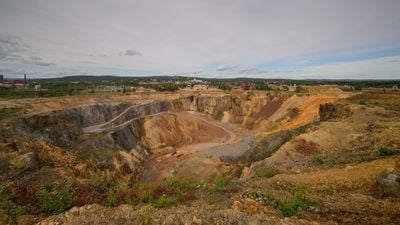
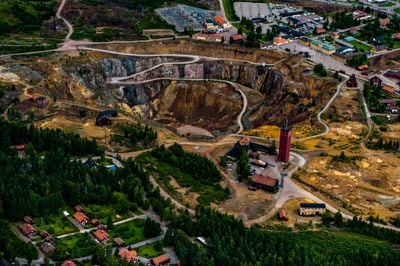
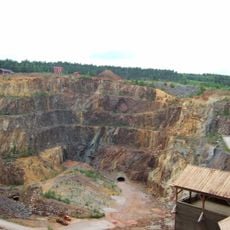
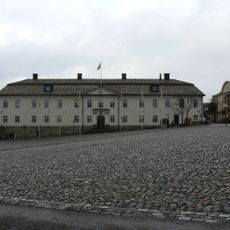
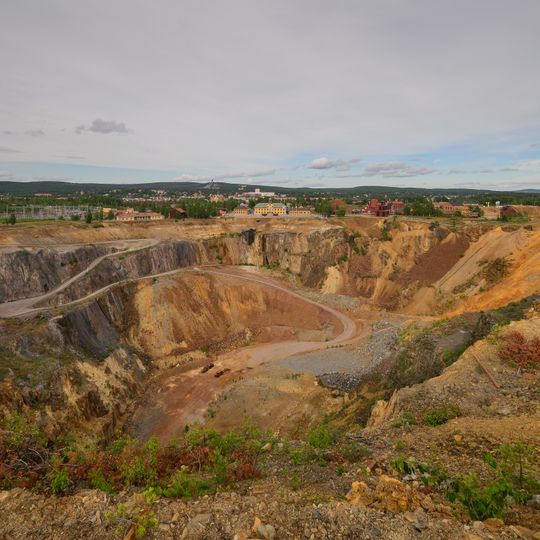
Falun Mine is a historic copper mining site in Falun, Sweden, and a UNESCO World Heritage site with an extensive underground network carved over centuries. The complex features visible shafts, chambers, and a dramatic pit landscape at the surface where visitors can see the impact of hundreds of years of extraction.
The copper mine became Sweden's dominant industrial operation in the 17th century and played a major role in European resource supply during that period. A dramatic collapse in 1687 caused parts of the mine to cave in, creating the large crater that defines the site today.
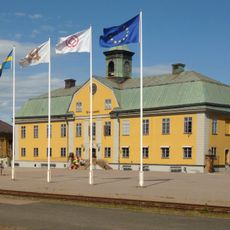
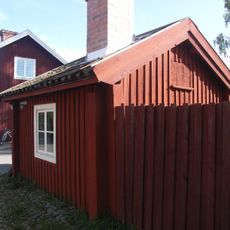
Falun red, a pigment byproduct from copper extraction, became the defining color of wooden buildings throughout Sweden and remains deeply connected to Swedish identity. Walking through the town today, you see this distinctive hue on homes and structures as a living reminder of the mine's influence on the country's appearance.
Guided tours take visitors underground through a staircase descent where conditions remain cool year-round, so plan for comfortable cool-weather clothing. The site is most enjoyable when you bring layers and sturdy footwear suitable for navigating uneven surfaces and steps.
The large pit was created when the mine collapsed on Midsummer Day in 1687, and remarkably no one died despite the catastrophic scale of the event. This dramatic crater remains visible on the landscape today as a striking reminder of the mine's power and fragility.
The community of curious travelers
AroundUs brings together thousands of curated places, local tips, and hidden gems, enriched daily by 60,000 contributors worldwide.