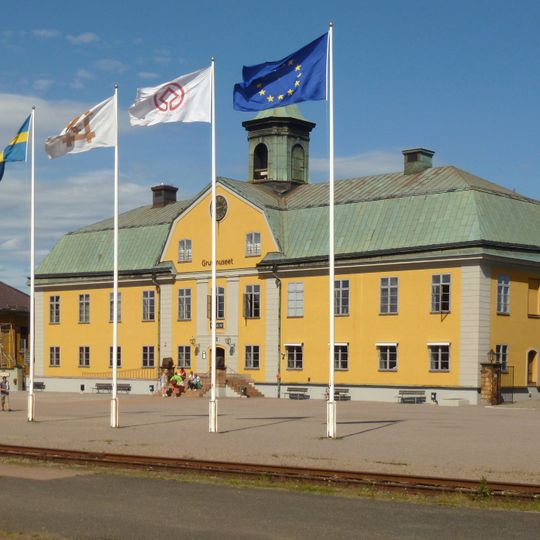
Falun Mine, Mining museum in Falun, Sweden
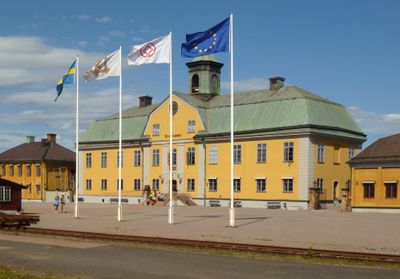
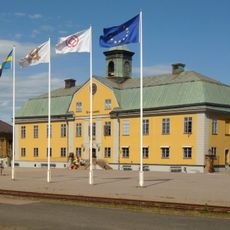
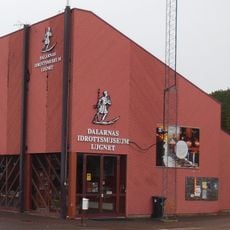
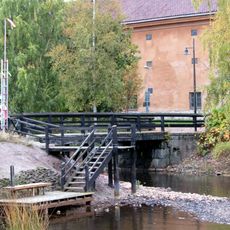
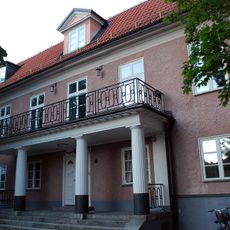
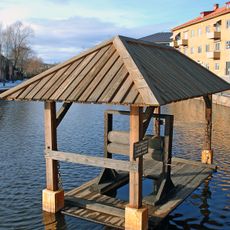
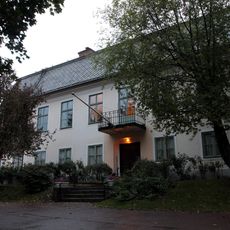
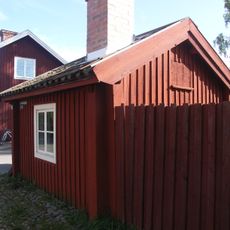
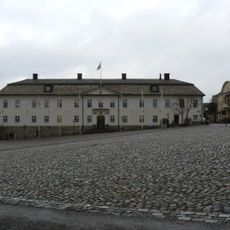
The Falun Mine Museum showcases copper mining techniques, tools, and regional geology displayed within well-preserved timber buildings dating from the 17th century. The site includes underground tunnel sections and restored mining facilities that provide a complete picture of the operations that once took place here.
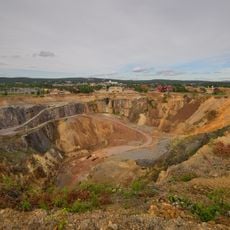
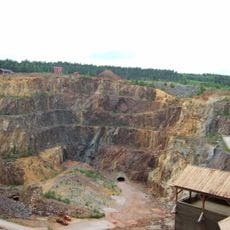
Mining at Falun began between 850 and 1080, and copper from the deposit reached Gotland by the 800s–900s. The mine first appears in written records in 1288 and received its first known privileges from King Magnus Eriksson in 1347. In the Middle Ages it supplied two-thirds of Europe's copper, and production peaked around 1650, when about 1,000 workers made it Sweden's largest workplace. The last blast was fired on 8 December 1992.
The exhibitions show how miners worked and lived, revealing their medical practices and the social bonds formed among the community. Visitors can see the craftsmanship and daily routines that shaped life around these operations.
Visitors can explore the site on guided tours offered in several languages that lead through underground tunnels and exhibition halls. Most areas are accessible year-round, though some outdoor sections may be limited during poor weather.
The mine's copper also gave Sweden its national colour: the red pigment Falun red, still produced today as the mine's only industrial output. The same site yielded the sausage Falukorv, a by-product of the mining industry.
The community of curious travelers
AroundUs brings together thousands of curated places, local tips, and hidden gems, enriched daily by 94,139 contributors worldwide.