Lönneberga, minor locality in Hultsfred Municipality, Sweden
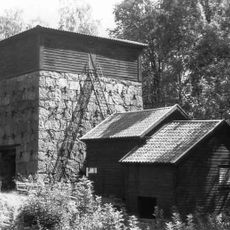
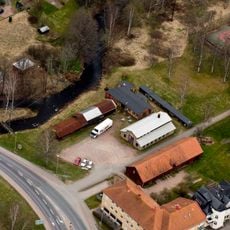
Lönneberga is a small settlement in Småland, Sweden, with around 130 residents living in single-family homes arranged along the main road and former railway tracks. The place grew after a train line arrived in the 1870s and now features an Emil sculpture seated in his toolshed, created in 1998, as well as Ålunds Mekaniska Verkstad, an early-1900s factory that functions as an open-air museum showing how machines and engines were once made.
Lönneberga emerged as a railway station settlement after a train line was built in the 1870s through previously empty fields, attracting people to work and settle in the area. The railway stopped running in 2014, after which the population gradually declined, though early-1900s industrial operations like Ålunds Mekaniska Verkstad shaped the place's development and character.
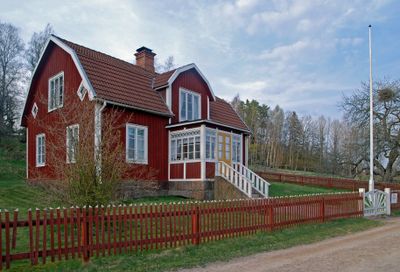
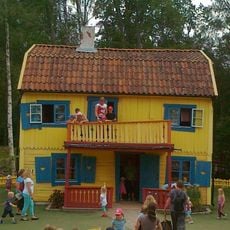
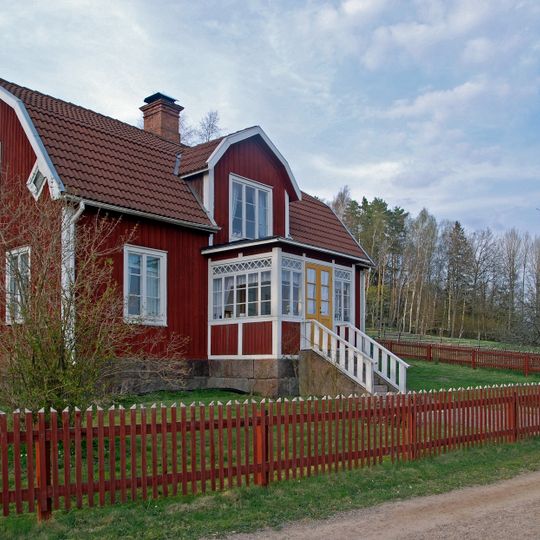
Lönneberga is linked to Astrid Lindgren's stories about Emil, a mischievous boy whose adventures made this small place known around the world. Visitors come to experience the settings that inspired the author and to connect with the tales rooted in this rural community.
The place is accessible by car, bus, or air, with the nearest airport at Växjö about 118 kilometers away and good connections from larger cities like Stockholm, Gothenburg, and Malmö. Visitors should know that the train no longer runs here, and since the settlement is very small, it is worth exploring the surrounding countryside and nearby nature reserves like Lundens Naturreservat.
A memorable detail is the Emil sculpture created in 1998, which playfully shows the mischievous boy sitting in his toolshed, drawn directly from Lindgren's stories. Also worth noting is Lönneberga Hembygdsgård, a heritage museum with a carefully assembled old farm featuring grass-roof houses, barns, and historical tools that reveal how people once lived and worked here.
The community of curious travelers
AroundUs brings together thousands of curated places, local tips, and hidden gems, enriched daily by 60,000 contributors worldwide.