Old Uppsala Church, 12th-century Romanesque church in Uppsala, Sweden
Old Uppsala Church is a 12th-century stone church built on elevated ground with a central tower and features medieval wooden sculptures. The building displays three crucifixes from different time periods and sits within its own historic cemetery.
Gamla Uppsala became a bishop's see around 1150, moved from Sigtuna, and in 1164 an archbishopric. The present church, begun in the mid-12th century and finished shortly before a fire in the 1240s, was then a three-aisled cathedral with apse-ended transepts. In 1273 the see moved to Östra Aros, which took the name Uppsala, and the old cathedral became a parish church; in the 15th century the nave and transepts were demolished after further fire damage.
The parish still belongs to the Church of Sweden, and the medieval church keeps wooden furnishings from the 12th century, among them one of three surviving triumphal crucifixes. In the nave lies the grave of astronomer Anders Celsius, who gave his name to the temperature scale.
The church stands on the edge of Gamla Uppsala, a short drive north of central Uppsala, near the royal mounds. The entrance is on the west side, through the later porch; the choir and apse lie to the east. The churchyard is uneven ground, so plan for gravel paths and a slight slope.
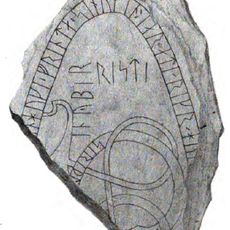
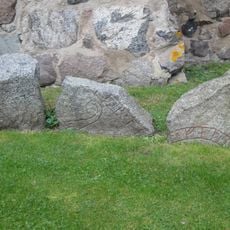
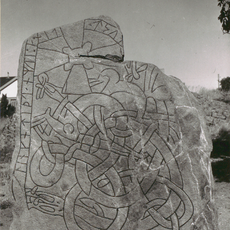
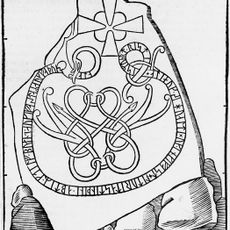
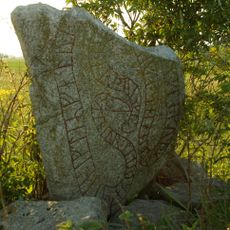
In the middle aisle of the church lies the grave of astronomer Anders Celsius, who gave his name to the temperature scale. A runestone, Upplands runinskrifter 978, is set into the south wall. The organ facade dates from the 1806 instrument by Johan Ewerhardt the younger.
The community of curious travelers
AroundUs brings together thousands of curated places, local tips, and hidden gems, enriched daily by 93,231 contributors worldwide.