Kieselstein Castle, Medieval castle in Kranj, Slovenia
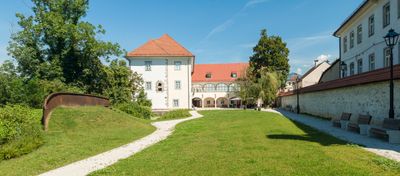
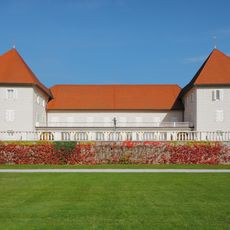
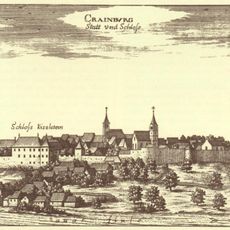
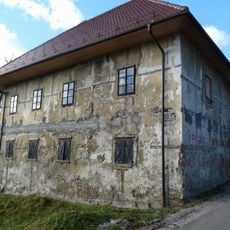
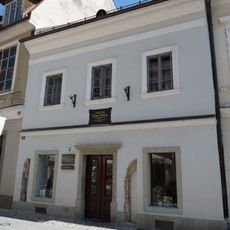
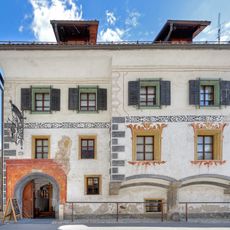
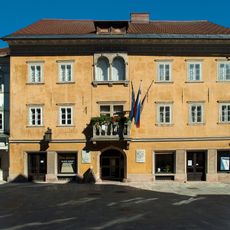
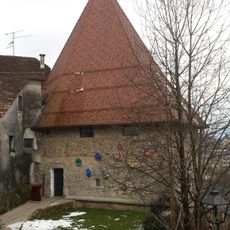
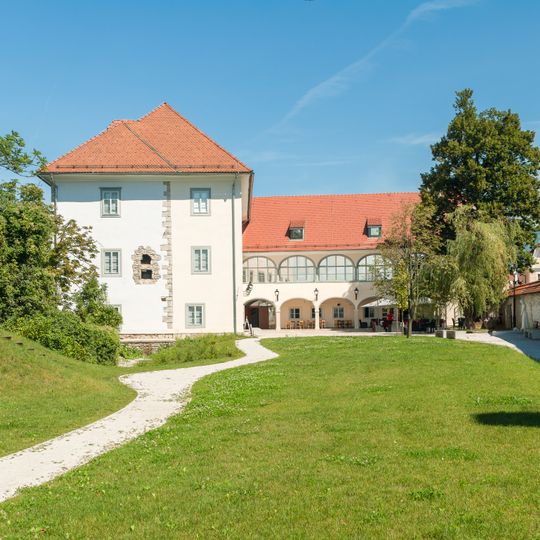
Kieselstein Castle, also called Khislstein, stands in Kranj on a defensible point above the crossing of the Sava. Its L-shaped form dates from the mid-16th-century expansion by Baron Hans Khiessl, who obtained permission from Emperor Ferdinand I to rename it after himself. The building now houses the Upper Carniola Museum and the municipal heritage agency.
The current structure was built in 1256 by the Counts of Ortenburg, on a site that had held a round 11th-century keep. Until 1420 the tower was managed by their vassals, the knights von Chreinburch, then passed to Count Hermann II of Celje. After the Counts of Celje died out in 1456, the Habsburgs inherited it and sold it in the mid-16th century to Baron Hans Khiessl, who expanded the tower into an L-shaped castle and obtained the right to rename it after himself.
The castle is named after Baron Hans Khiessl, who bought it in the mid-16th century and obtained Emperor Ferdinand I's permission to rename it after himself; the Slovene form Khislstein preserves his name. Since the 1952 renovation by architect Jože Plečnik, the building has housed the Upper Carniola Museum, whose collections cover the region around Kranj.
The castle stands on the former defensive promontory above the Sava crossing in Kranj, and the building now houses the Upper Carniola Museum and the municipal heritage agency. The sources give no opening hours, so confirm access with the museum before visiting. The 1952 renovation followed plans by architect Jože Plečnik.
The castle stands on the site of a round 11th-century keep that preceded the Ortenburg tower of 1256. Baron Hans Khiessl, who bought the castle in the mid-16th century, obtained Emperor Ferdinand I's permission to rename it after himself, which is why it is also called Khislstein.
The community of curious travelers
AroundUs brings together thousands of curated places, local tips, and hidden gems, enriched daily by 93,977 contributors worldwide.