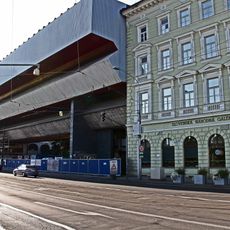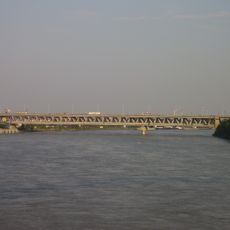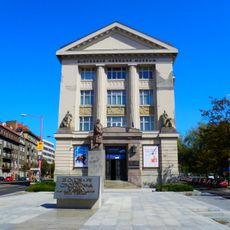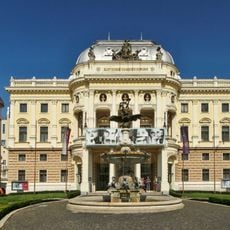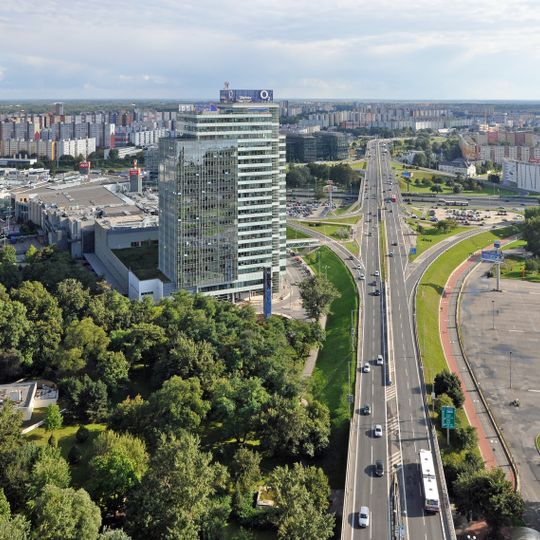
Petržalka, borough of Bratislava (Slovakia)
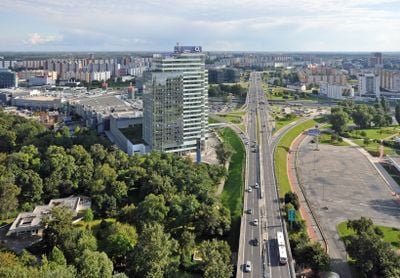
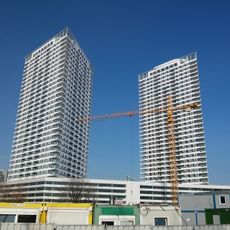
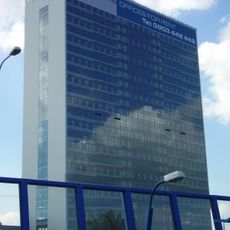
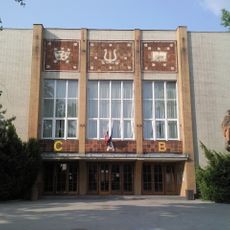
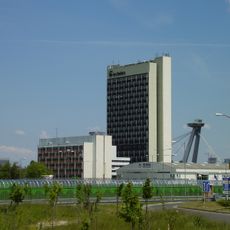
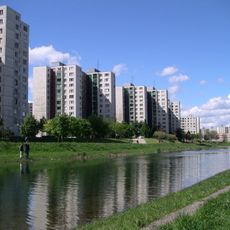
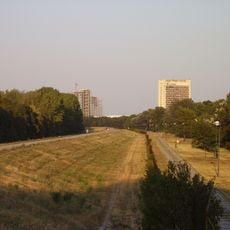
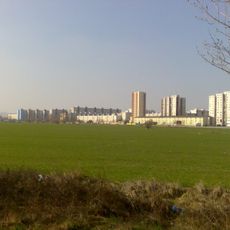
Petržalka is a large residential district on the southern side of the Danube in Bratislava, defined by wide streets and rows of concrete panel apartment buildings. The neighborhood extends across numerous parks, lakes, and green spaces, with comprehensive public transit connecting it through trams, buses, and multiple bridges to the city center.
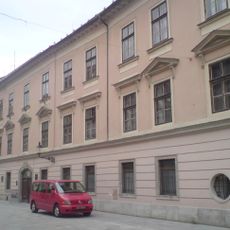
First mentioned in 1225, the area was initially an island landscape repeatedly flooded by the Danube, with sparse permanent settlement until German and other populations arrived in medieval times. In the 20th century, it transformed dramatically: transferred to Czechoslovakia in 1919, occupied by Nazi Germany from 1938 to 1945, then incorporated into Bratislava in 1946 and rapidly developed with large concrete housing blocks from the 1960s onward.
Petržalka developed around working-class families who settled here from the 1960s onward, creating a strong neighborhood identity. Visitors notice everyday life unfolding in the parks and courtyards: children playing, neighbors chatting, and the wide streets serving as informal gathering spaces for the community.
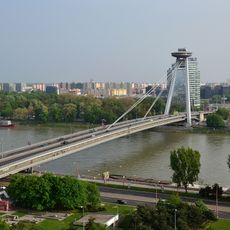
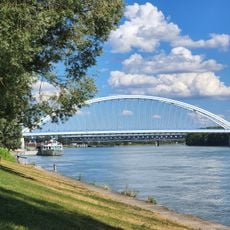
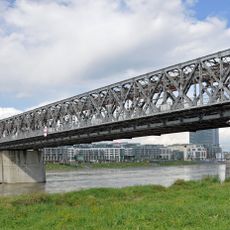
Petržalka is easily accessible by tram, bus, and car, with multiple bridges connecting directly to the city center. The wide streets and parks are pedestrian-friendly, and the riverside area offers running and cycling paths for exploring.
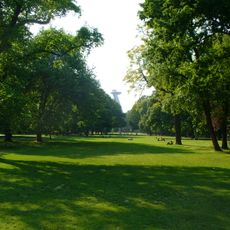
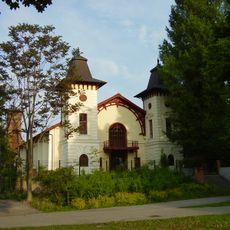
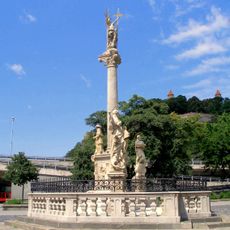
The oldest park in Central Europe, Sad Janka Kráľa, was established here in 1776 and offers visitors a glimpse of the area's older layers. Meanwhile, the district's modern character stems from radical urban transformation that made it one of the densest residential areas in the continent.
The community of curious travelers
AroundUs brings together thousands of curated places, local tips, and hidden gems, enriched daily by 60,000 contributors worldwide.