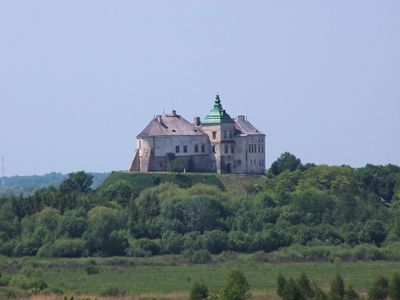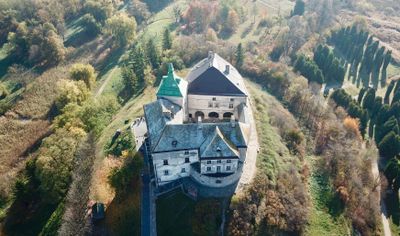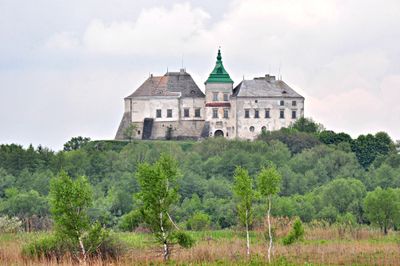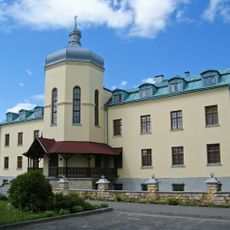
Olesko Castle, Castle in Olesko, Lviv Oblast, Ukraine
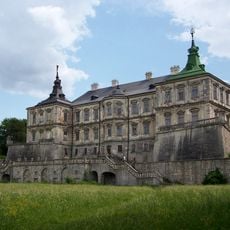
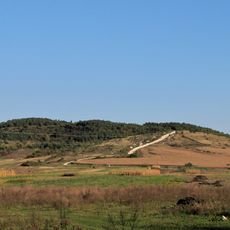
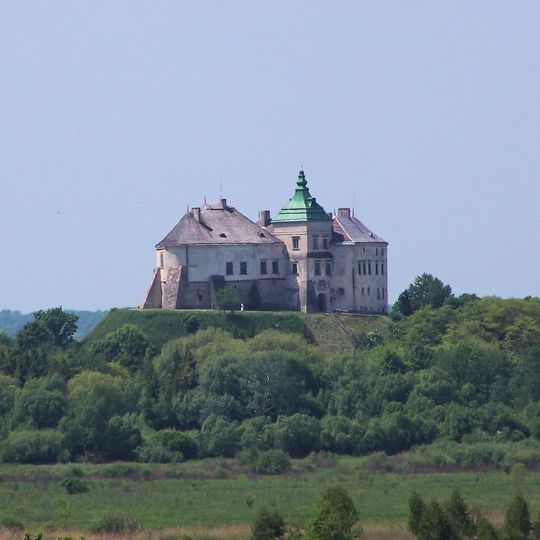
Olesko Castle is a fortress on a hilltop with an oval layout and defensive walls surrounding its structure. The location is ringed by a moat and marshy terrain, which provided natural protection for the stronghold.
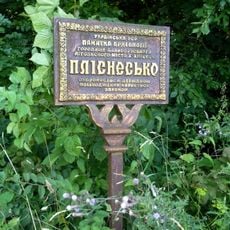
Olesko Castle stands on a hill above the Libertsia floodplain near the site of Plisnesk, destroyed by Batu's troops in 1241. A papal bull of Boniface IX from 1390 is the first reliable record of the castle, granting it to the Galician Catholic archbishop. In 1431 local boyars backed Grand Duke Svidrigailo against Jogaila, and the following year the Polish king's troops took the fortress. From 1441 it passed to Jan of Sienna, whose descendants, the Oleski family, held it for generations.
The castle is a branch of the Lviv National Art Gallery, opened on 21 December 1975. Its displays include carved wooden sculpture, paintings and decorative arts, and a room is shown as the one where Jan III Sobieski was born in 1629. The castle also hosts a museum of the history of the Olesko region.
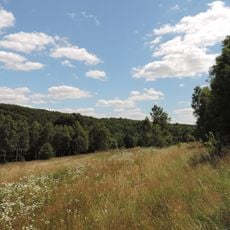
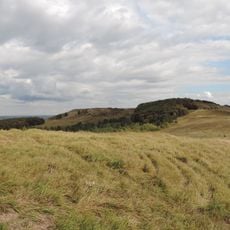
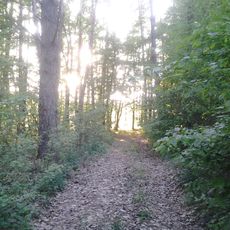
The terrain is hilly and damp, so appropriate footwear and clothing are important for a comfortable visit. The castle is best accessed on dry days when the paths are easier to navigate.
On 17 August 1629, during a Crimean Tatar raid and a violent thunderstorm, the daughter of owner Ivan Danylovych gave birth in one of the castle rooms to Jan III Sobieski, later king of the Polish-Lithuanian Commonwealth. He bought the castle back in 1682 and restored it from 1684.
The community of curious travelers
AroundUs brings together thousands of curated places, local tips, and hidden gems, enriched daily by 94,754 contributors worldwide.