Belle Mina, human settlement in Alabama, United States of America
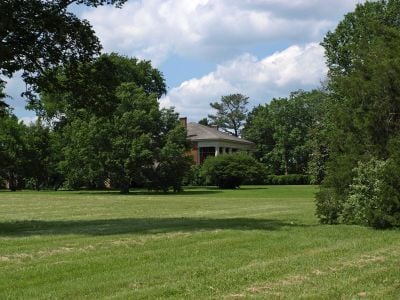
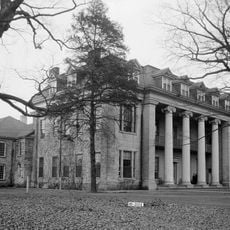
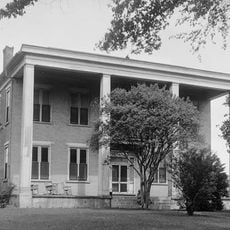
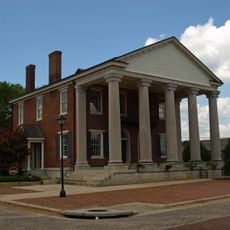
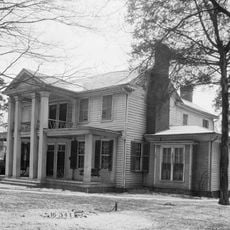
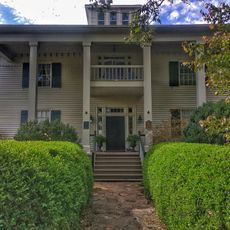
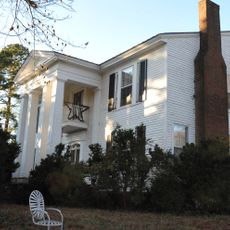
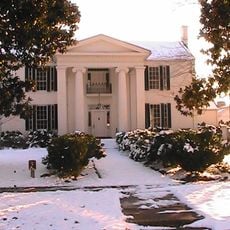
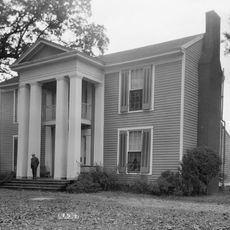
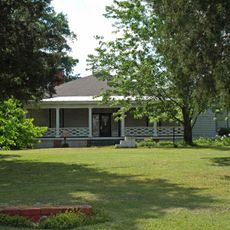
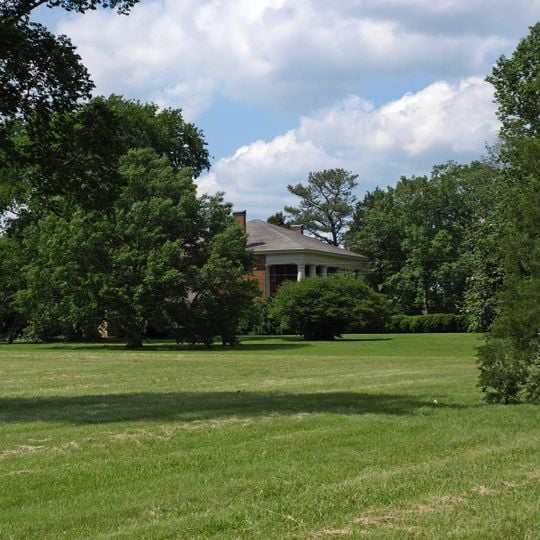
Belle Mina is a Late Georgian-style house built in 1826 on a large estate in Alabama and features a distinctive front porch with six tall Doric columns. Attached to one side of the main house is a single-story wing that connects smaller buildings including work quarters and a kitchen, creating an integrated layout different from typical plantations of that era.
The house was built in 1826 by Thomas Bibb, the second governor of Alabama, on a vast estate in northern Alabama. During the Civil War, federal troops occupied the building, marking a significant moment in its passage through American history.
Belle Mina takes its name from the settlement where it stands, reflecting how prosperous families built and arranged their homes in early Alabama. The way the main house connects to smaller attached buildings gives visitors a view of daily life and relationships between the different people who lived and worked there.
The site is listed on the National Register of Historic Places and accessible to visitors interested in learning about early Alabama life. Take time to observe details like the handcrafted columns, the layout of the grounds, and interior trim work to understand the craftsmanship and care that shaped the space.
The brick walls and carved woodwork inside the house were made by enslaved workers, whose detailed craftsmanship is still visible today in the ornate fireplace mantels and trim work. This fine handiwork speaks to the skills and labor of people whose individual stories are often absent from historical records.
The community of curious travelers
AroundUs brings together thousands of curated places, local tips, and hidden gems, enriched daily by 92,193 contributors worldwide.