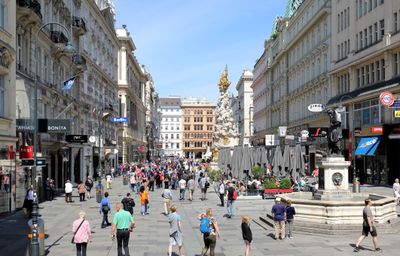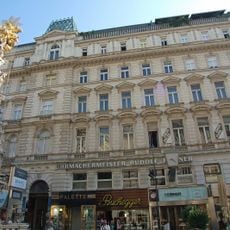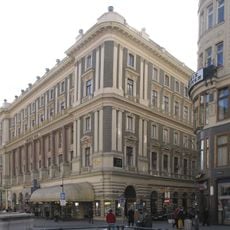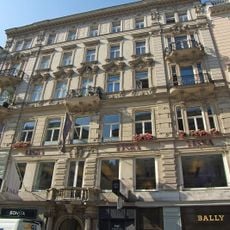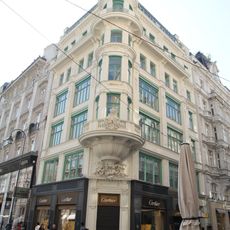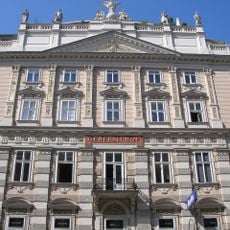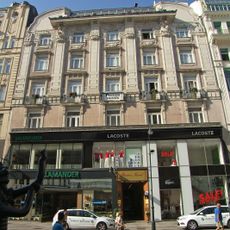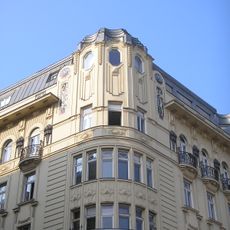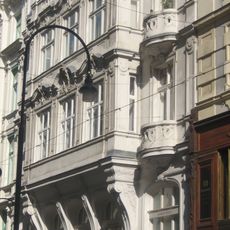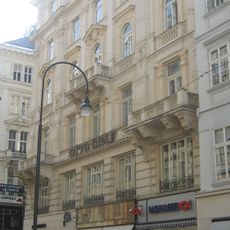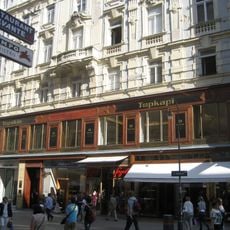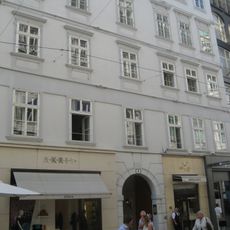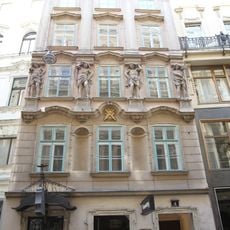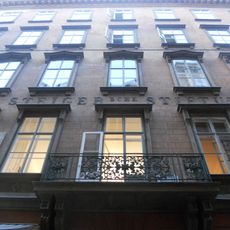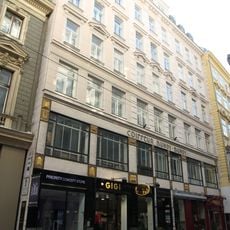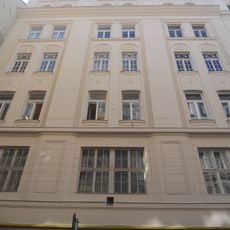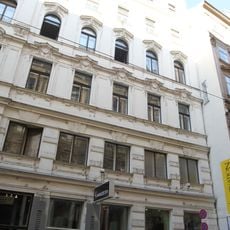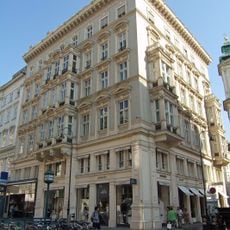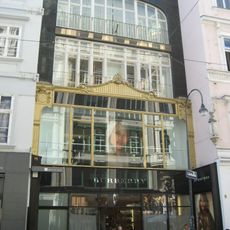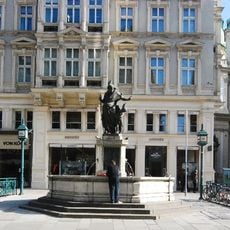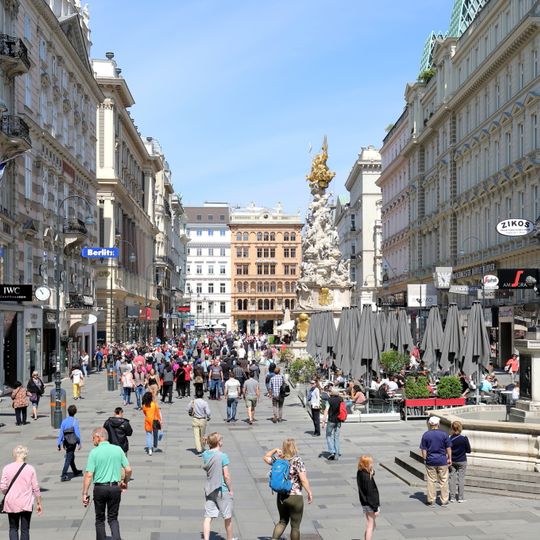
Graben, Historic square and pedestrian street in Vienna's first district, Austria.
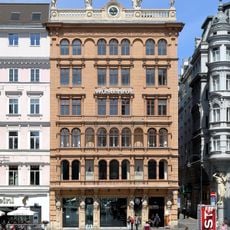
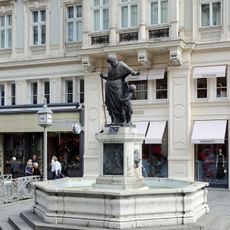
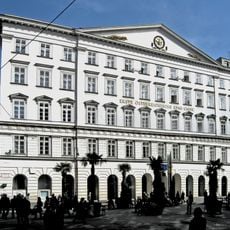
The Graben stretches from Stock-im-Eisen-Platz to the intersections of Kohlmarkt and Tuchlauben, forming part of Vienna's Golden U shopping district with luxury boutiques, traditional court suppliers, and elegant architecture lining both sides of the pedestrianized street.
Originally a Roman defensive ditch around the encampment of Vindobona, the trench was filled in during the twelfth century with ransom money paid for King Richard the Lionheart, transforming the area into a residential and commercial street that developed throughout the Middle Ages.
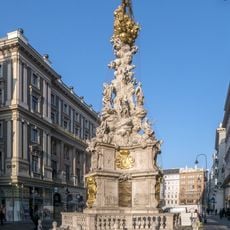
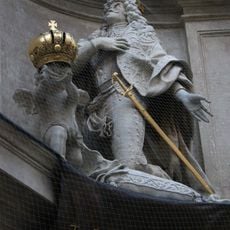
The street served as a venue for grand imperial processions and religious festivals, including the Feast of Corpus Christi, and features the baroque Pestsäule plague column erected by Emperor Leopold I as a memorial commemorating Vienna's deliverance from the plague epidemic of the seventeenth century.
Converted into Vienna's first pedestrian zone in nineteen seventy-three, the Graben is accessible via the Stephansplatz U-Bahn station and remains open year-round, with shops operating during standard business hours and seasonal decorations enhancing the area during the Christmas period.
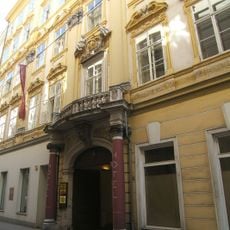
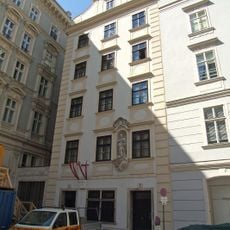
Wolfgang Amadeus Mozart lived at Graben seventeen as a young man in seventeen eighty-one, and in fifteen fifty-two, the first elephant ever seen in Austria was paraded along the street during Emperor Maximilian's celebrations, marking two memorable moments in the street's long history.
The community of curious travelers
AroundUs brings together thousands of curated places, local tips, and hidden gems, enriched daily by 92,003 contributors worldwide.