Salza-Stausee, lake in Styria, Austria
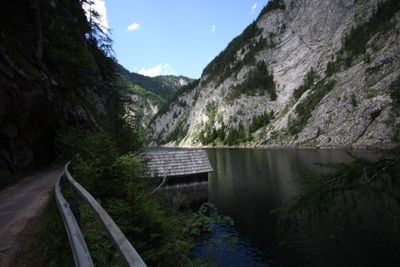
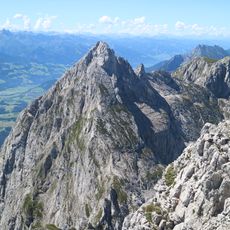
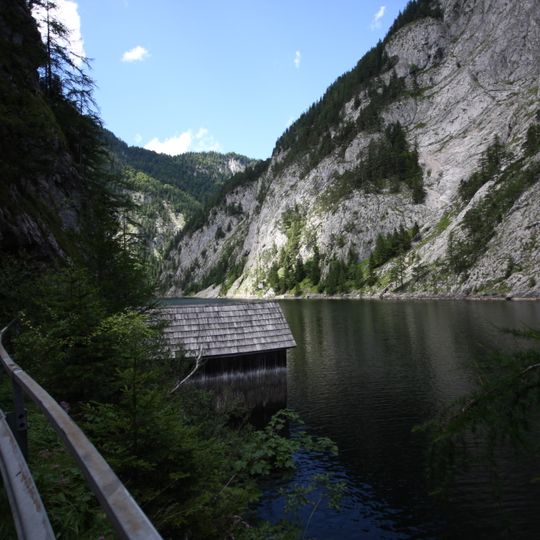
Salza-Stausee is a large reservoir in Styria, Austria, created in the late 1940s to hold water from the Salza River. The lake stretches about 5.5 kilometers with steep rocky cliffs rising up to 500 meters on either side, giving it the appearance of a narrow fjord with clear water throughout.
Construction of the Salza-Stausee took place between 1947 and 1949 after World War II to dam the Salza River for hydroelectric power and flood control. The dam itself rises over 50 meters tall and has undergone major renovation in recent years to ensure structural safety and stability.
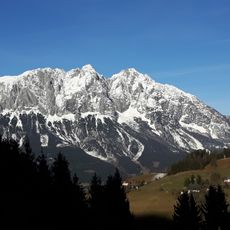
The reservoir sits within a protected nature reserve where locals and visitors come to enjoy quiet moments and connect with the landscape. The surrounding region has a long tradition of outdoor life, with communities in nearby towns keeping their relationship with the mountains and water as part of daily rhythms.
The area around the lake is best explored on foot along the shoreline, though some sections have rocky and uneven terrain that requires careful footing. Boat rentals are available near the northern end, and visitors should dress warmly as mountain weather can change suddenly with wind and rain.
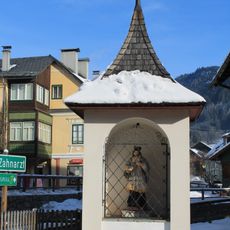
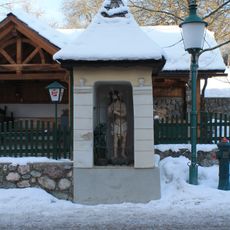
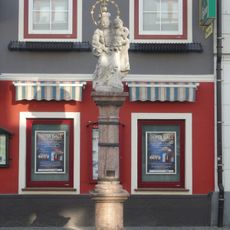
Near the dam stands a small waterfall and a statue of the Virgin Mary that many visitors notice as they pass by, adding a spiritual element to the natural setting. This quiet religious marker is often overlooked but gives the place a reflective quality beyond its role as a water storage facility.
The community of curious travelers
AroundUs brings together thousands of curated places, local tips, and hidden gems, enriched daily by 92,345 contributors worldwide.