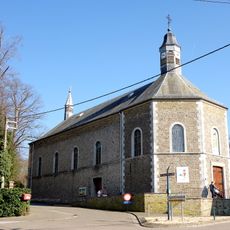
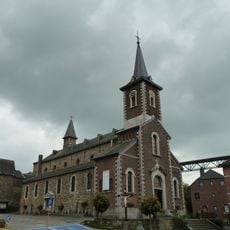
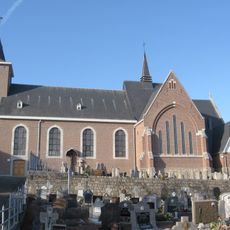
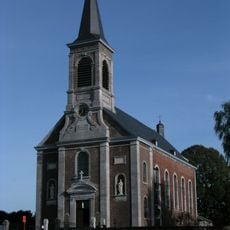
Moresnet, section of Plombières, Wallonia, Belgium
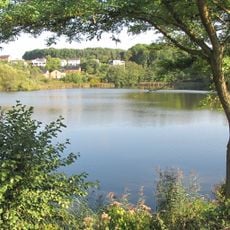
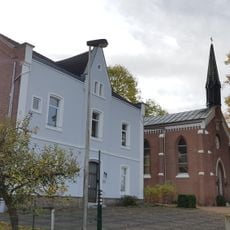
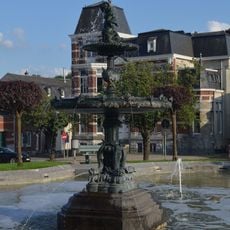
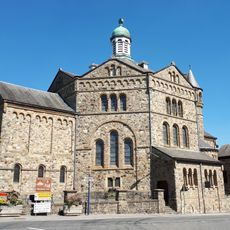
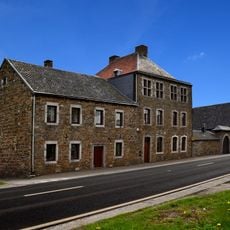
Moresnet is a small village in Wallonia, Belgium, part of the municipality of Plombières in Liege province. The place shows a mix of old buildings and quiet streets where history and daily life meet, with residents speaking French while maintaining local traditions and pride in their unique past.
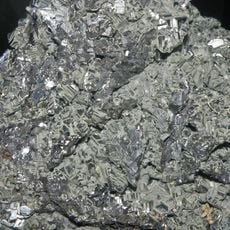
From the late 1800s until after World War I, this place was a neutral zone between the Netherlands and Prussia due to disputes over zinc deposits, with each power claiming rights to the land. After 1920, it was officially incorporated into Belgium following a period of German occupation during World War II.
The village carries traces of its past as a border region between Belgium, the Netherlands, and Germany. Local customs blend Belgian, Dutch, and German influences, and residents continue to celebrate festivals that mark their distinctive history as a once-independent territory.
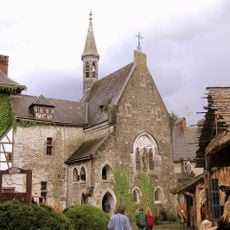
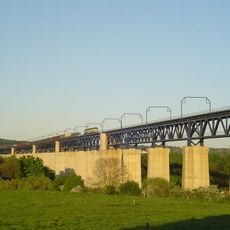
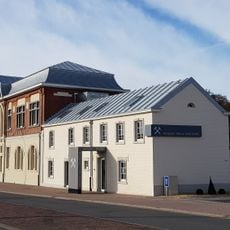
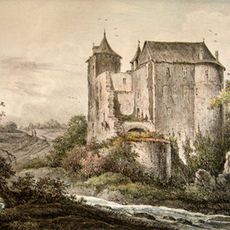
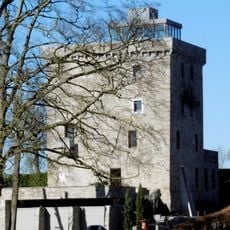
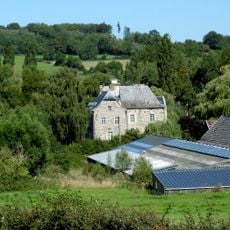
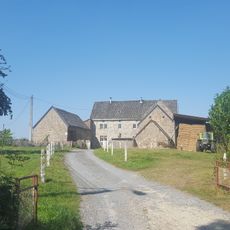
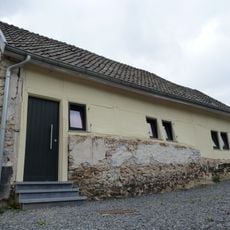
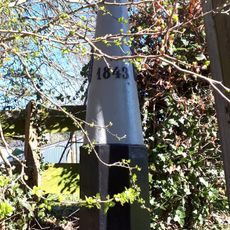
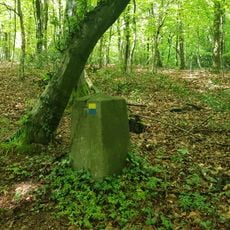
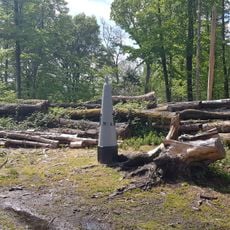
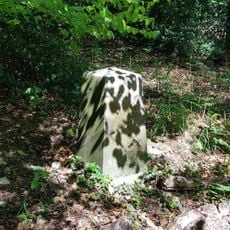
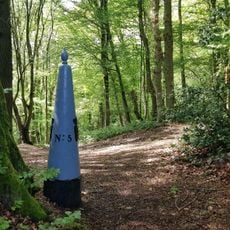
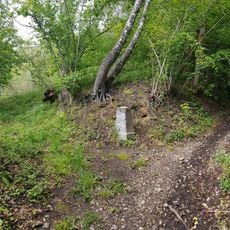
Visitors can explore old mining sites, boundary stones, and traditional farmhouses from the 17th century that show how life once looked here. The village also offers views of Castle Alsenberg from the 15th century and a railway viaduct that both reflect the area's long history.
This place was once home to an attempt to create an Esperanto-speaking territory called Amikejo, an idea showing how residents saw their neutrality as a chance for international understanding. This ambitious project reflected the spirit of hope that marked the small community during its time as an independent territory.
The community of curious travelers
AroundUs brings together thousands of curated places, local tips, and hidden gems, enriched daily by 92,529 contributors worldwide.