Lepe, Coastal municipality in southwestern Andalusia, Spain
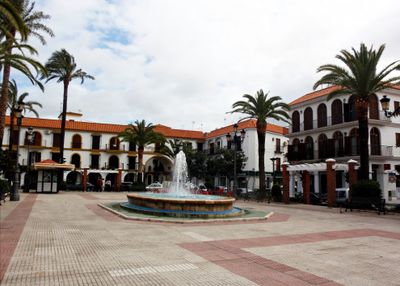
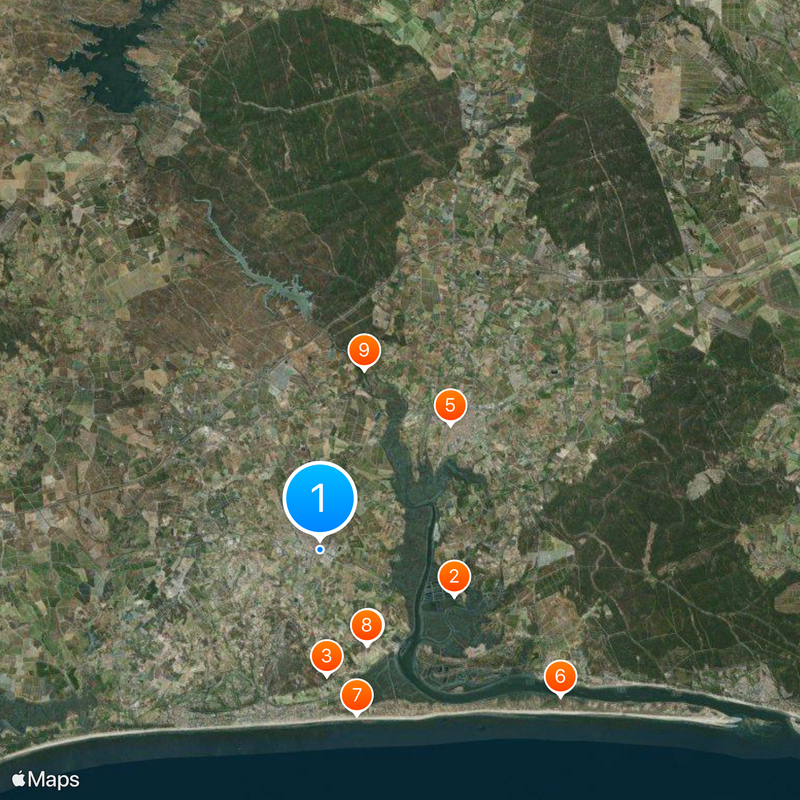
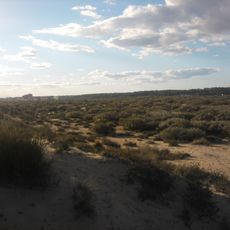
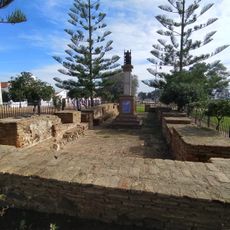
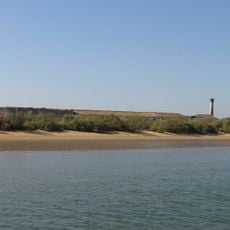
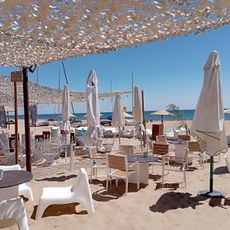
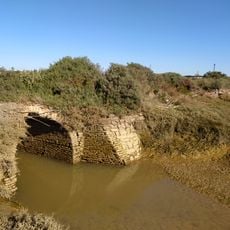
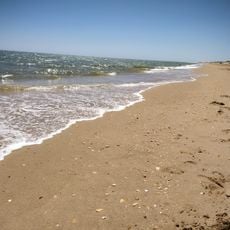
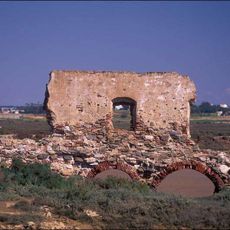
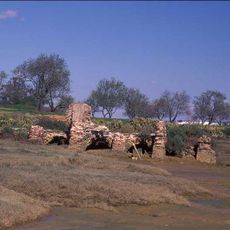
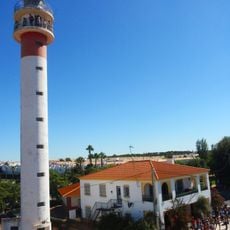
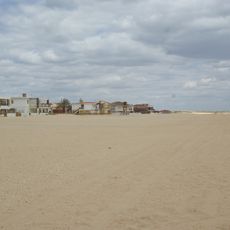
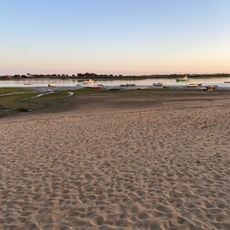
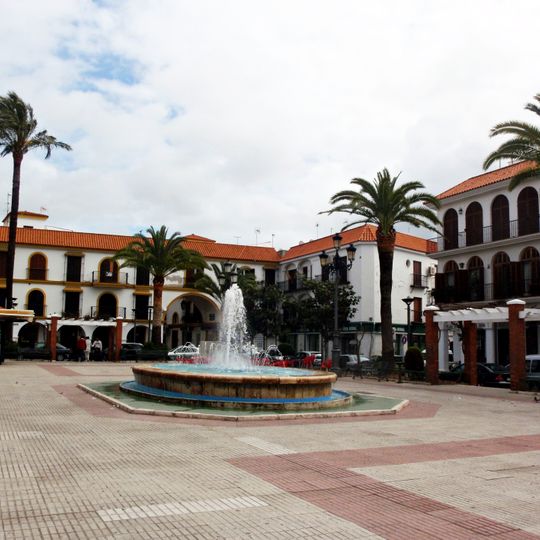
Lepe is a municipality on the Atlantic coast in southwestern Andalusia that stretches along the shoreline with beaches and countryside. The landscape shifts between farmland and wetlands, particularly where the Piedras River meets the sea.
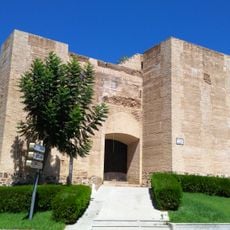
The area fell under Christian control in the 14th century when Doña María Coronel purchased the territory from the Knights Templar, ending the region's earlier period under Arab rule. This transition reshaped how the territory was governed and populated.
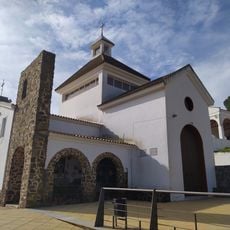
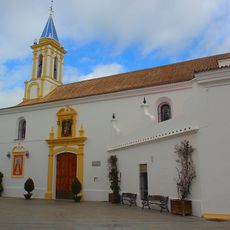
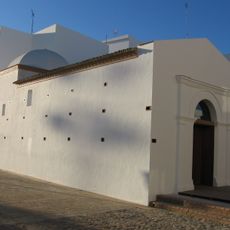
The Parish Church of Santo Domingo de Guzmán shows Mudéjar architectural features and holds the revered Virgen de la Bella statue, which draws pilgrims each May. The church sits at the heart of local religious life and shapes how the town looks and feels.
The town sits on the Quinto Centenario Highway, which connects to larger cities and airports in both directions. This central location makes it straightforward to arrive from elsewhere and travel around the region.
Rodrigo de Triana, a sailor from this town, is often credited as the first European to spot land in the Americas during Columbus's voyage. While this claim remains debated, the connection to this historical discovery has left its mark on how people remember the place.
The community of curious travelers
AroundUs brings together thousands of curated places, local tips, and hidden gems, enriched daily by 92,763 contributors worldwide.