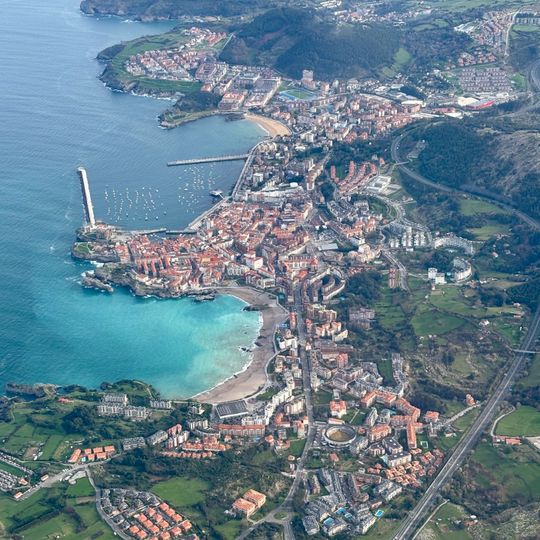
Castro Urdiales, Coastal municipality in Cantabria, Spain.
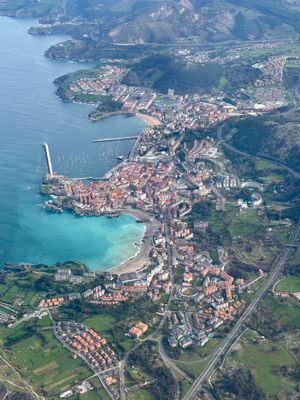
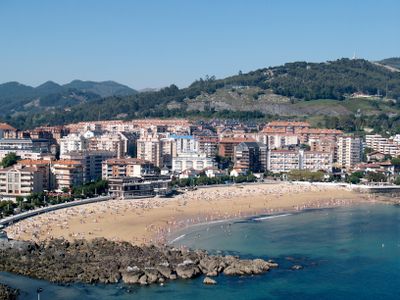
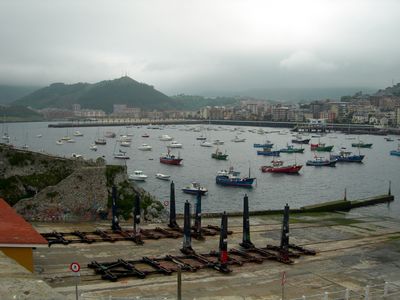
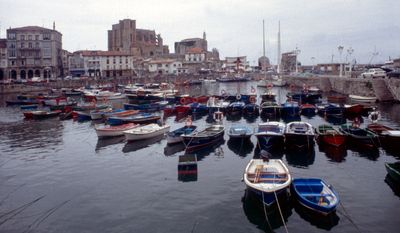
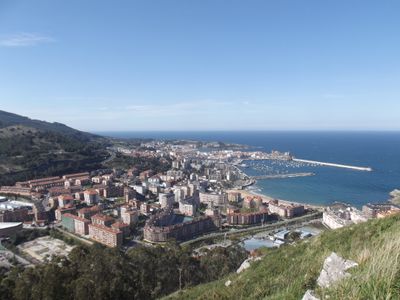
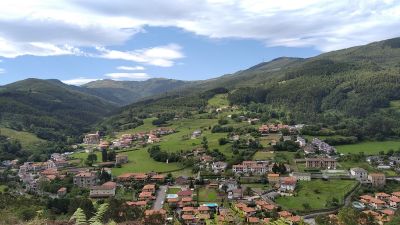
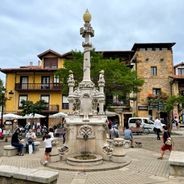
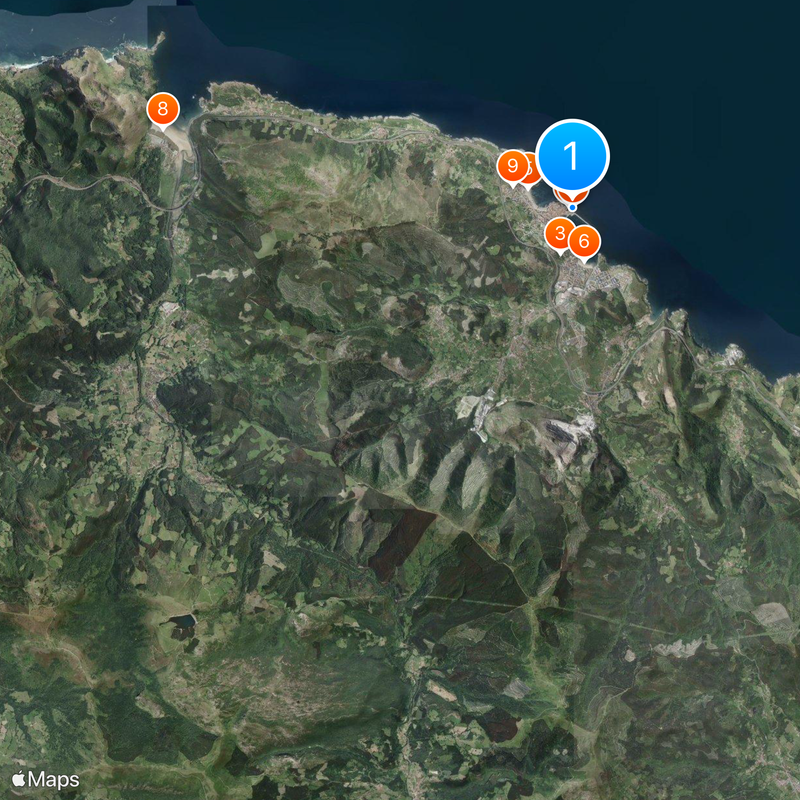
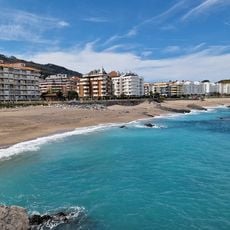
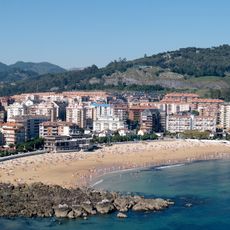
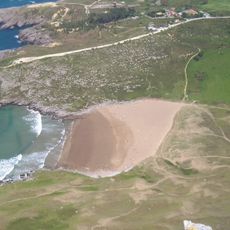
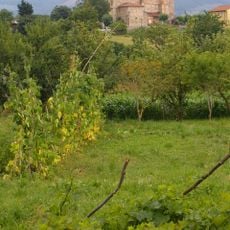
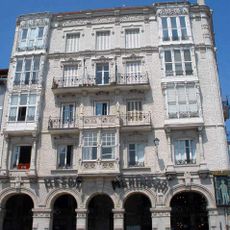
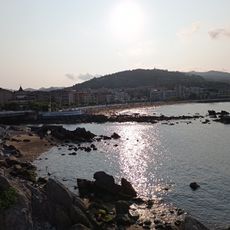
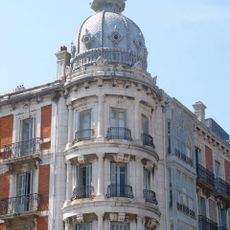
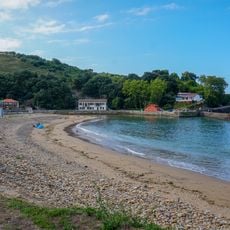
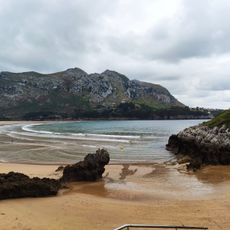
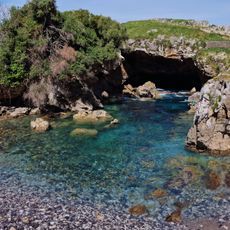
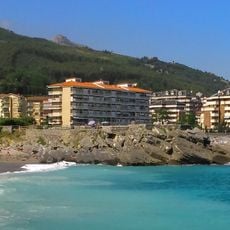
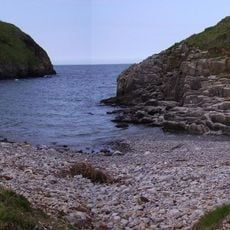
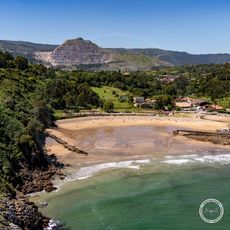
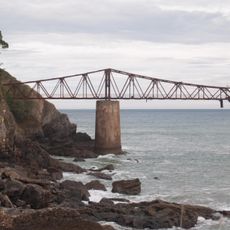
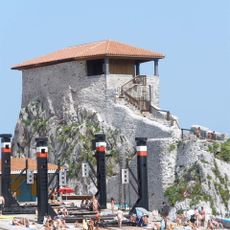
Castro Urdiales is a port town along the Bay of Biscay where narrow streets filled with shops and restaurants wind through the area near Parque de Amestoy. The town spreads along the coast with several beaches including Playa de Brazomar and Playa Ostende, and seafood restaurants serve local catches like sardines and anchovies.
The settlement started as the Roman port Portus Amanum and later became the colony Flaviobriga under Emperor Vespasian, with iron mining driving its economy. This Roman past now lies buried beneath the modern town and shows the area's long history of continuous habitation.
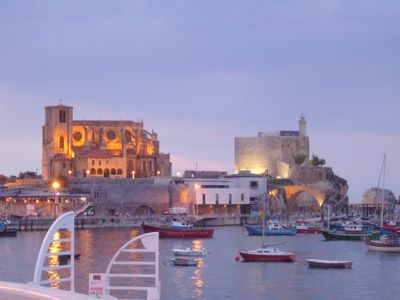
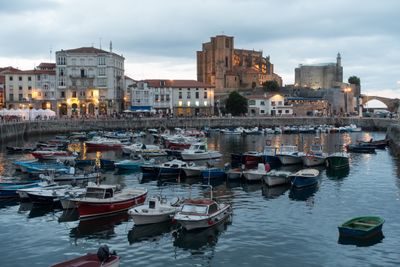
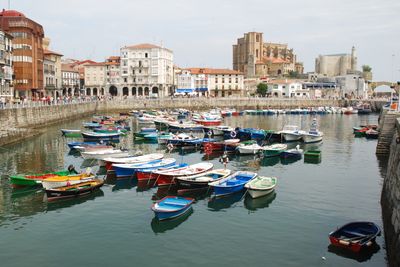
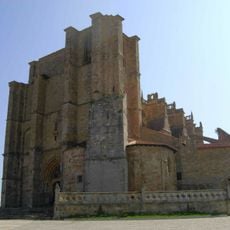
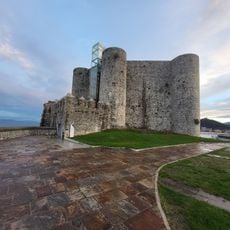
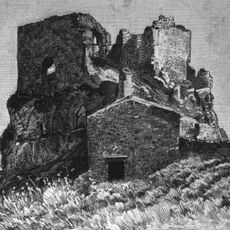
The church of Santa María sits prominently on a rocky outcrop and shows how religious architecture shaped the town's character over centuries. Walking through the streets, you notice how this structure anchors the community's visual and social identity.
The best time to explore is during warmer months when beaches and restaurants buzz with activity, though the town is accessible year-round. Comfortable shoes matter since steep narrow streets and the climb to the clifftop church require effort.
El Cuco Cave holds Upper Paleolithic rock art showing deer, horses, and goats dating back thousands of years. These ancient artistic traces reveal that people lived and worked in this coastal area long before the Romans arrived.
The community of curious travelers
AroundUs brings together thousands of curated places, local tips, and hidden gems, enriched daily by 91,997 contributors worldwide.