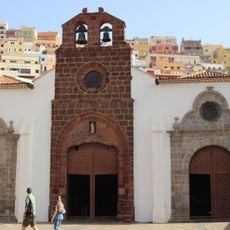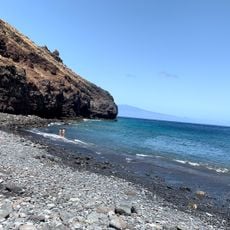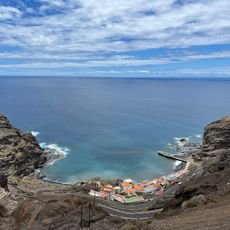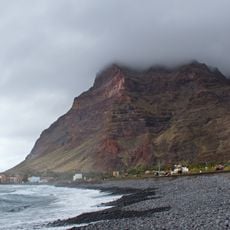
La Gomera, Volcanic island in Santa Cruz de Tenerife Province, Spain.
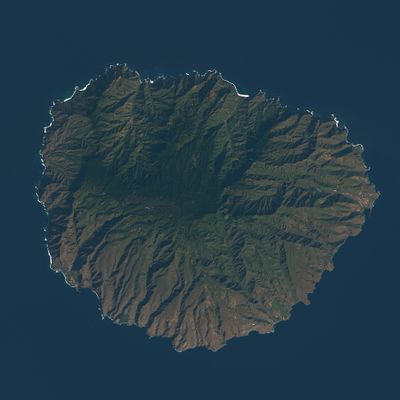
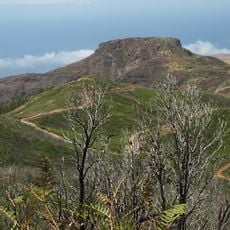
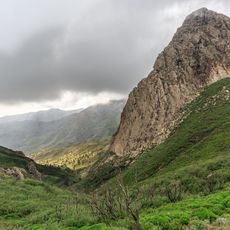
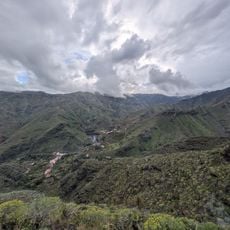
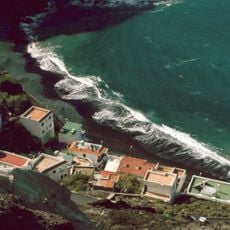
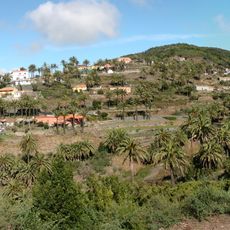
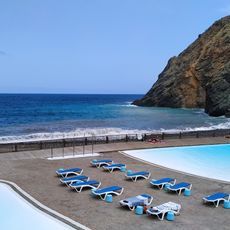
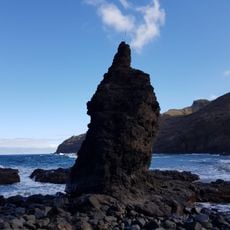
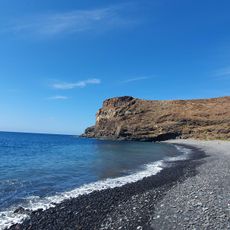
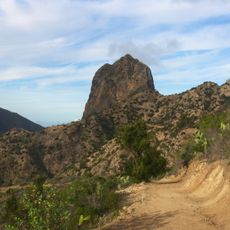
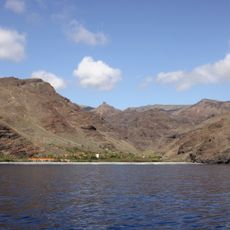
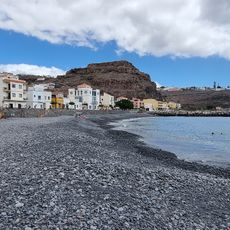
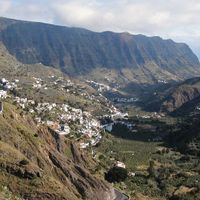
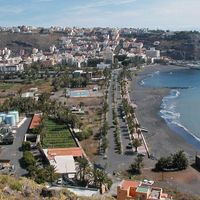
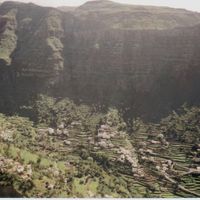
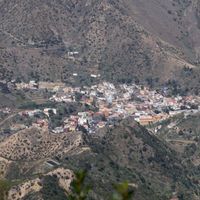
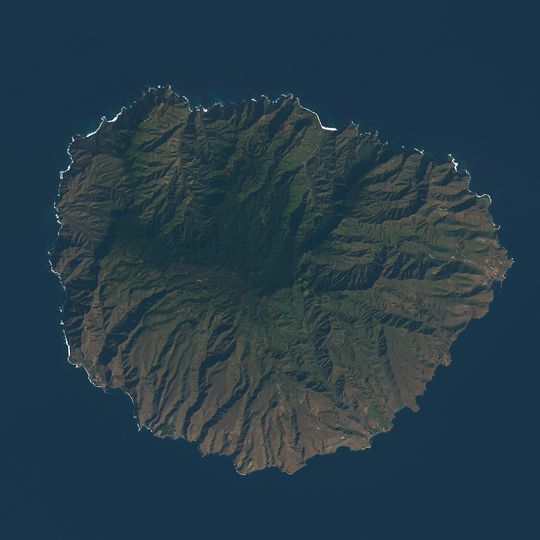
La Gomera rises 1,484 meters (4,869 feet) above the Atlantic, forming a circular landmass with steep cliffs and deep valleys across 370 square kilometers (143 square miles). The center of the island is covered by dense cloud forests, while the coasts feature black sand beaches and fishing villages.
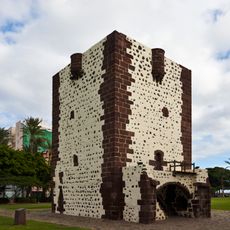
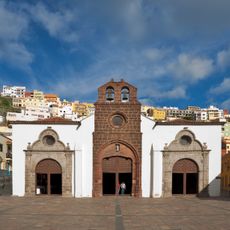
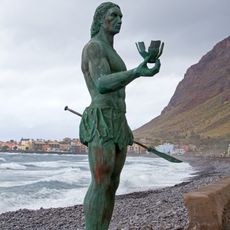
Christopher Columbus chose San Sebastián de La Gomera as his final supply point for the first voyage to America in 1492, gathering water and provisions there. The original inhabitants of the island, the Gomeros, lived in caves and small settlements before the Spanish conquest in the 15th century.
The Silbo Gomero language transmits messages through whistles across the valleys, reaching distances up to five kilometers through the mountainous terrain. Shepherds and farmers still use this technique today to communicate in hard-to-reach areas.
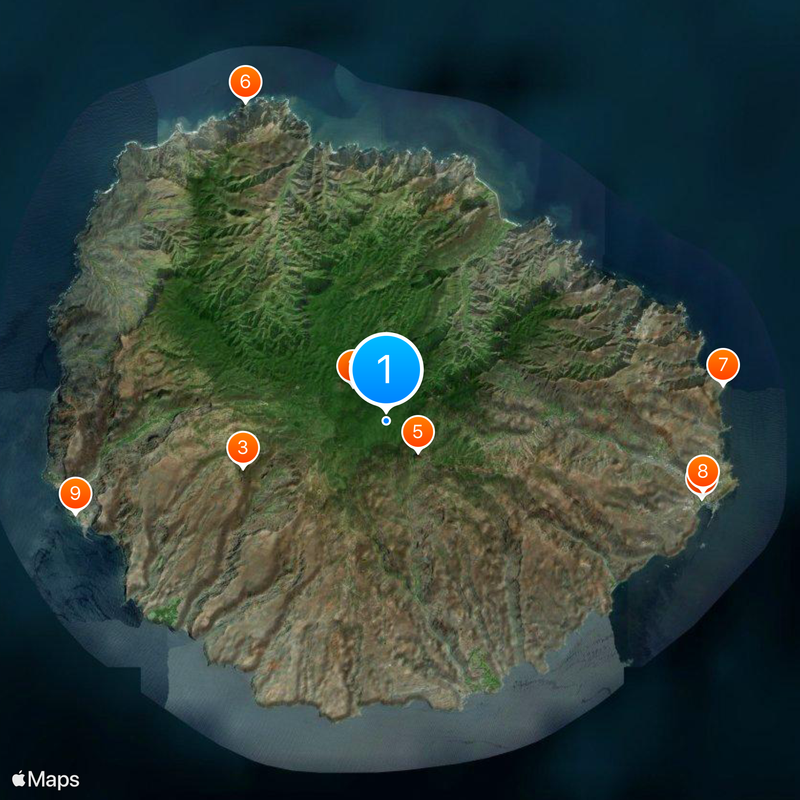
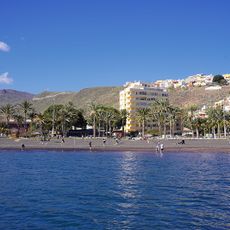
Six municipalities connect through a road network, with San Sebastián serving as the main entry point for ferries from the island of Tenerife. The roads are winding and narrow, so visitors should allow extra travel time for journeys through the mountainous areas.
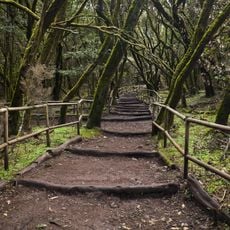
Garajonay National Park contains a prehistoric laurel forest ecosystem that existed before the Ice Age, now protected as UNESCO World Heritage. This forest captures moisture from the trade winds and supplies the island with water.
The community of curious travelers
AroundUs brings together thousands of curated places, local tips, and hidden gems, enriched daily by 92,257 contributors worldwide.