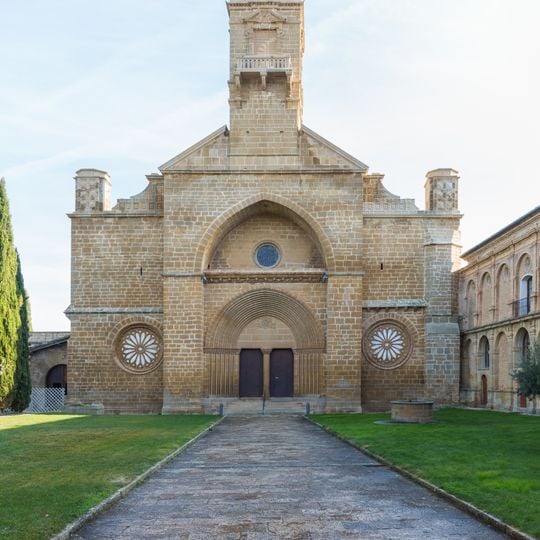
Santa María de la Oliva, Trappist monastery in Carcastillo, Spain
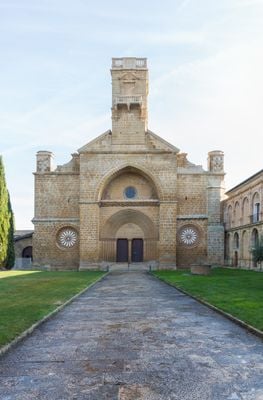
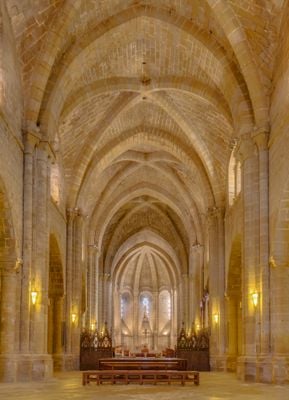
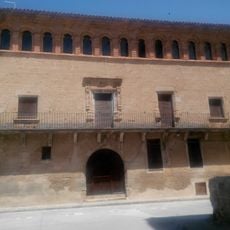
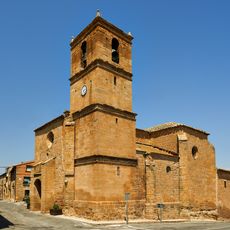
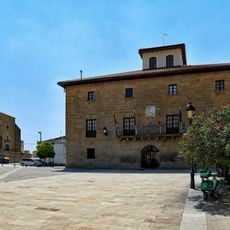
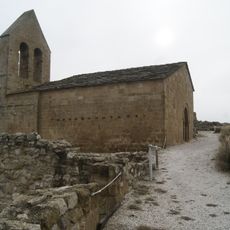
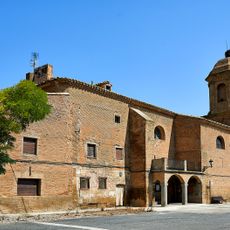
Santa María de la Oliva is a Cistercian monastery in Carcastillo built from stone with typical monastic spaces including a church with a central nave, cloister, chapter house, sacristy, refectory, and kitchen. These areas date from medieval times and show the functions needed for daily monastic life.
The monastery was founded in 1134 as the Cistercian movement spread across Europe establishing many new communities. Over the centuries it grew through land donations, but experienced a period of abandonment in the 19th century before becoming active again.
The name "Oliva" refers to the olive groves that once surrounded this place, connecting the monastery to the agricultural landscape. Visitors today can see how the sparse decoration and clean lines of the spaces reflect the religious community's values of restraint and focus on prayer.
The site is accessible during weekdays but it is best to visit in the morning when light fills the medieval rooms more clearly. Guided tours are available and help explain the different spaces and their purposes.
About 26 monks live here today and continue the ancient tradition of wine production using an old cellar hidden beneath the complex. This winemaking remains a living connection to medieval practices and a surprising aspect of modern monastic life.
The community of curious travelers
AroundUs brings together thousands of curated places, local tips, and hidden gems, enriched daily by 60,000 contributors worldwide.