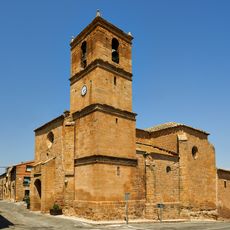
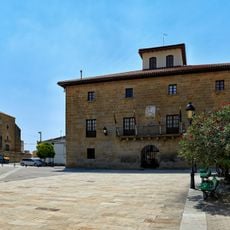
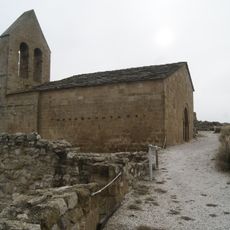
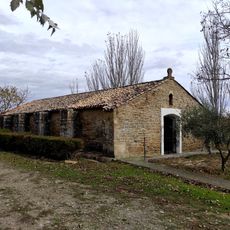
Cara, Roman archaeological site in Santacara, Navarre, Spain
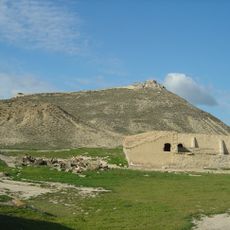
Cara is a Roman town site in Santacara, Navarra, on a terrace above the Aragón River. Seven excavation campaigns led by María Ángeles Mezquíriz between 1974 and 1982 uncovered a 1st-century AD townhouse, walls older than the Roman arrival, a main street, and a temple. Sculpture fragments and objects found there are displayed in the Museo de Navarra.
The town was founded in the 1st century BC during the Sertorius campaigns, though earlier settlements from the Iron Age existed at the site. It reached its greatest size during the 1st and 2nd centuries AD and was abandoned by the 4th century as its importance faded.
Since 2008, Santacara has held Kararen Eguna (Day of Cara) each year in late September, when residents stage Roman-era scenes such as fights and hunts. The town's name comes from the Christianization of the Roman name Cara. Inscriptions found at the site name the inhabitants as Karenses, not Carenses.
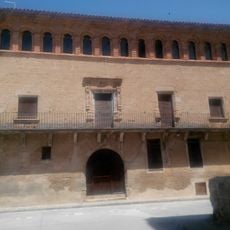
The excavated area lies on a terrace above the Aragón River within Santacara, about 60 km from Pamplona. Only part of the Roman city has been uncovered, so the visible remains are limited to the seven excavation campaigns of 1974–1982. Stone blocks and Roman pieces are built into several house fronts in the village itself, so allow time to walk the streets as well as the site.
Among the finds were coins of emperors such as Tiberius, Claudius and Hadrian, and seashells, which point to goods arriving over long trade routes. The site also yielded a milestone from the 17th century, known before the 1974-1982 excavations by María Ángeles Mezquíriz, and the name of the priestess Postumia Nepotiana, a flaminica who lived in Tarraco.
The community of curious travelers
AroundUs brings together thousands of curated places, local tips, and hidden gems, enriched daily by 95,356 contributors worldwide.