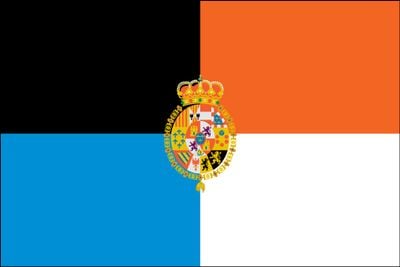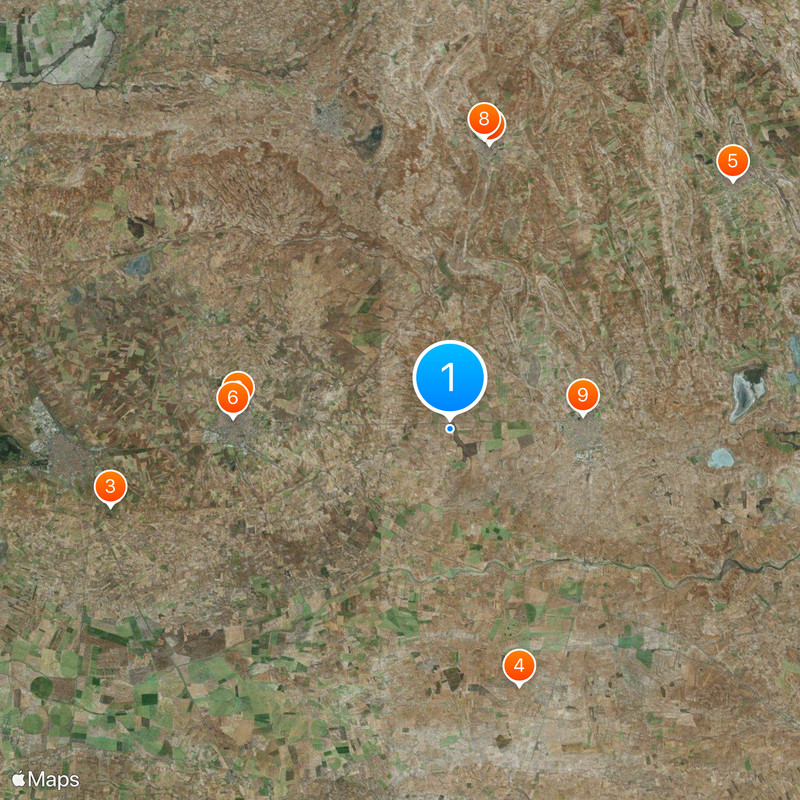
La Mancha, Historical region in central Spain
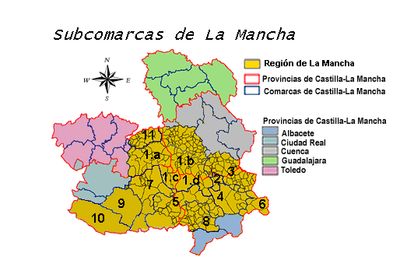
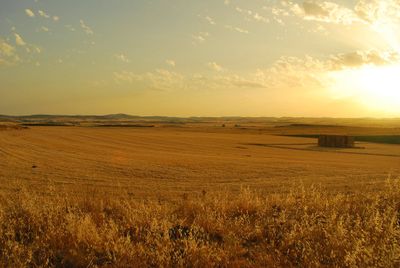
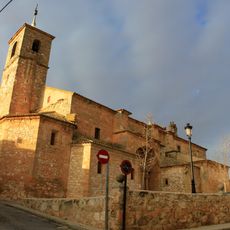
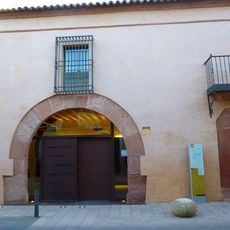
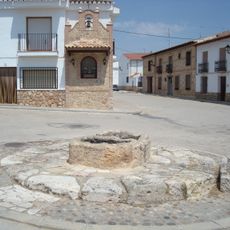
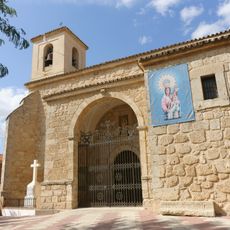
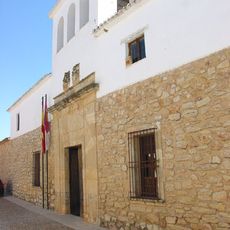
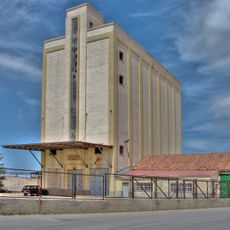
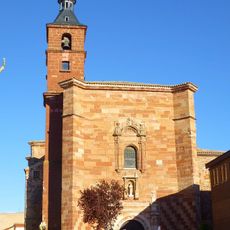
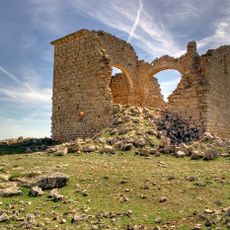
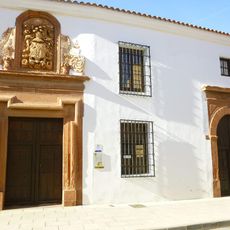
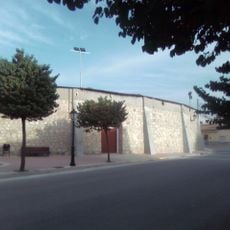
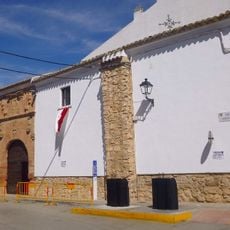
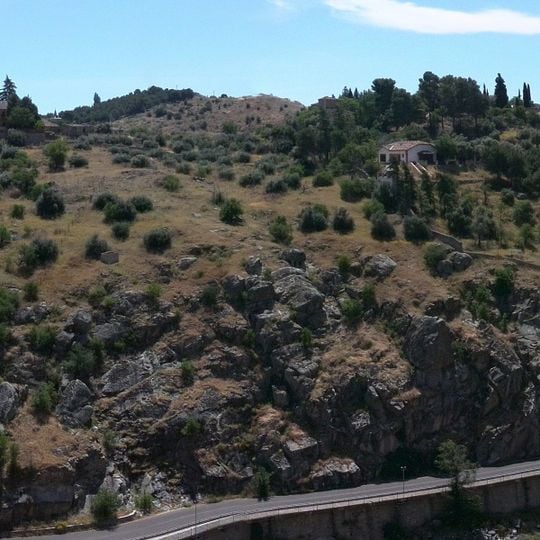
La Mancha stretches across the provinces of Albacete, Cuenca, Ciudad Real, and Toledo, forming a limestone plateau at 610 meters (2,000 feet) elevation. The landscape shows wide, open plains with few trees, broken by gentle hills and scattered villages built from ochre stone.
The name comes from the Arabic word al-mansha, meaning land without water, dating back to the period between Christian and Moorish control. The region later developed into an agricultural center that combined grain, wine, and sheep farming.
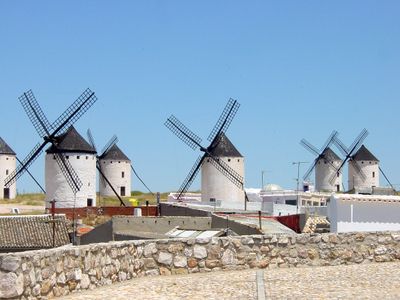
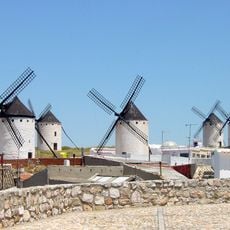
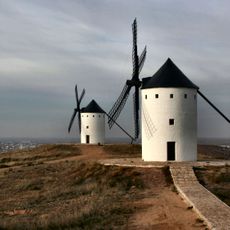
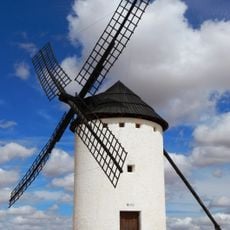
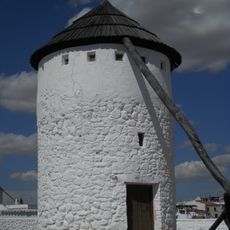
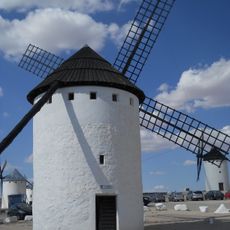
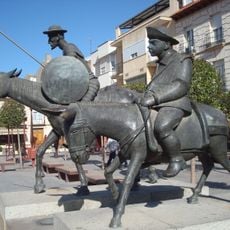
Cervantes chose this dry plateau as the backdrop for Don Quijote, turning its working mills into symbols recognizable around the world. The 16th-century windmills that inspired the novel still stand on the hills, drawing readers who want to see where the knight errant tilted at giants.
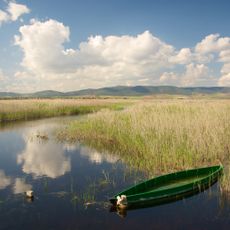
The area includes several designated nature reserves, such as Las Tablas de Daimiel National Park and Las Lagunas de Ruidera Natural Park. Visitors find marked trails, viewpoints, and information centers in both parks, suitable for walking and birdwatching.
This region remains the largest wine-producing area in Spain while also specializing in Manchego cheese and saffron cultivation. All three products have shaped the local economy for centuries and are available directly from producers in most villages.
The community of curious travelers
AroundUs brings together thousands of curated places, local tips, and hidden gems, enriched daily by 92,381 contributors worldwide.