Palomares, human settlement in Almería Province, Spain
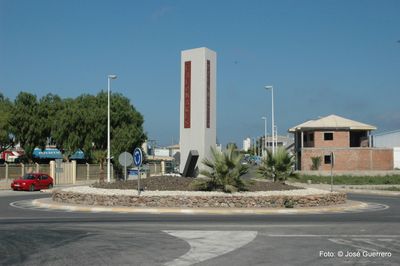
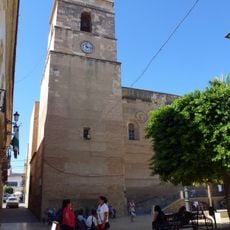
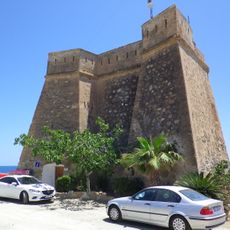
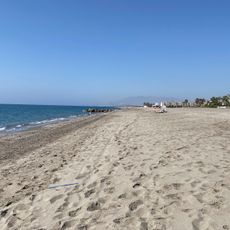
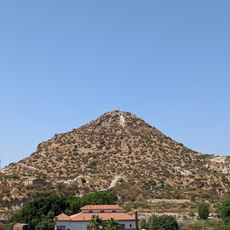
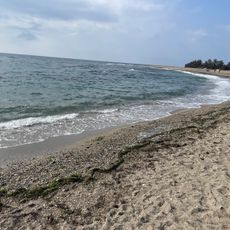
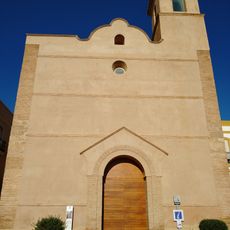
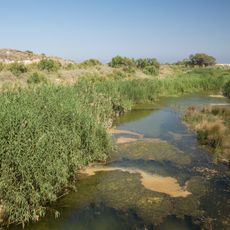
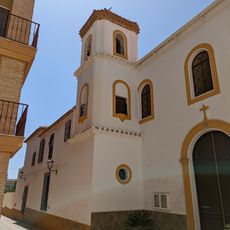
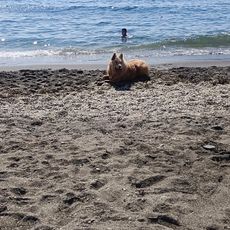
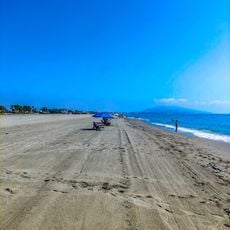
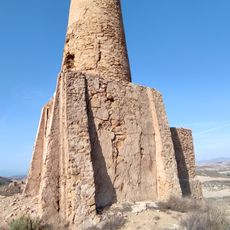
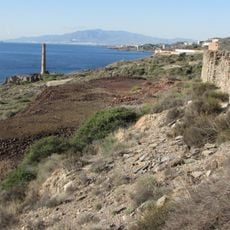
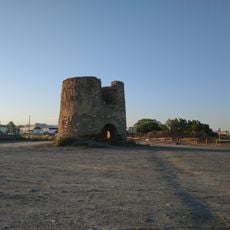
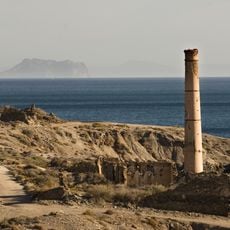
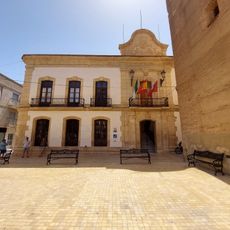
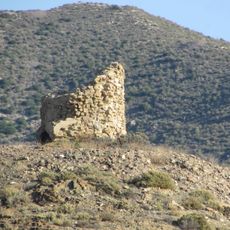
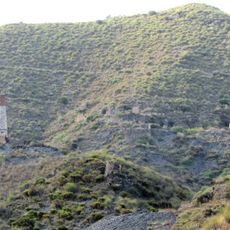
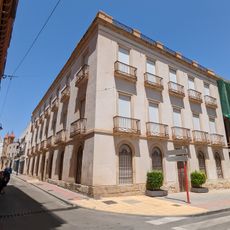
Palomares is a small village on the Mediterranean coast in southern Spain, situated about 20 meters (66 feet) above sea level. The settlement features simple white houses with red tile roofs, surrounded by fields for farming and fishing, with sandy beaches and rocky areas nearby.
The village has been inhabited for many years, historically serving as a center for farming and fishing. Life changed dramatically in 1966 when a military aircraft carrying nuclear weapons crashed near Palomares, scattering radioactive material across the area.
The name Palomares comes from the Spanish word for doves, reflecting the historical presence of these birds in the area. The village maintains a simple, everyday rhythm where fishing and farming shape daily life, and residents gather in small cafes and on streets to share meals and conversation.
The best way to explore Palomares is on foot through the narrow village streets, where cars are limited and details are easy to notice. Visitors should plan to come during spring and fall when the weather is comfortable, as summers can be hot and winters are mild.
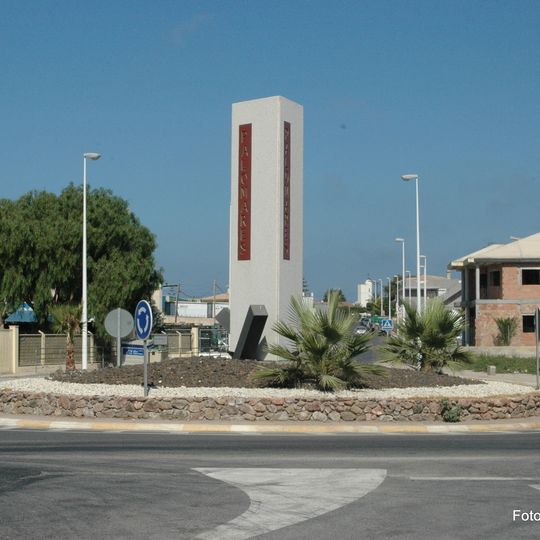
Palomares is linked to a Cold War nuclear accident when an aircraft carrying atomic weapons crashed in 1966, contaminating parts of the region. This history has shaped the village and continues to mark it as a place of resilience and quiet reflection on past events.
The community of curious travelers
AroundUs brings together thousands of curated places, local tips, and hidden gems, enriched daily by 60,000 contributors worldwide.