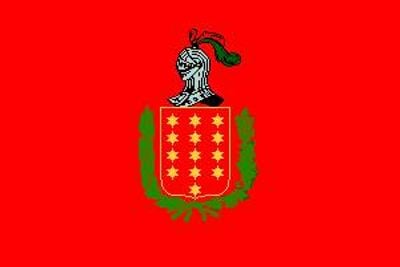
Valle de Trápaga-Trapagaran, municipality of Spain
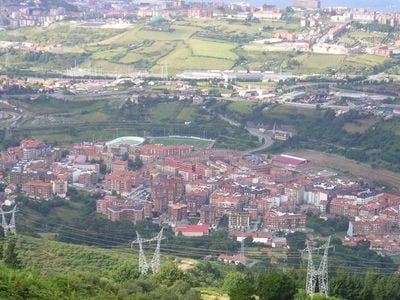
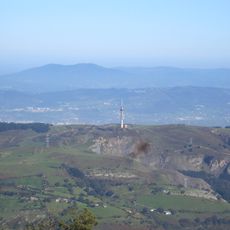
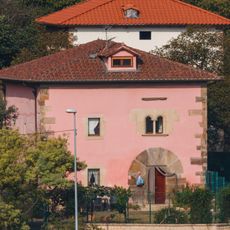
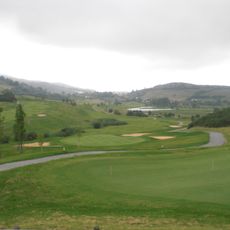
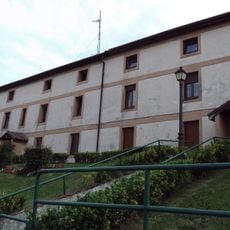
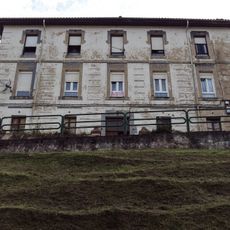
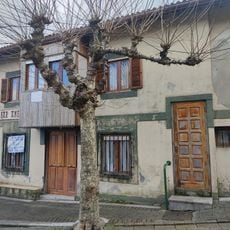
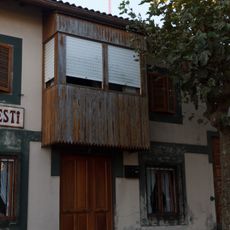
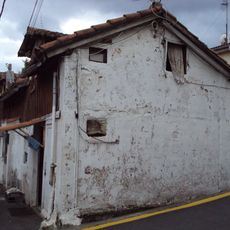
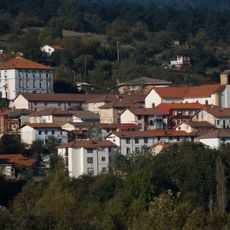
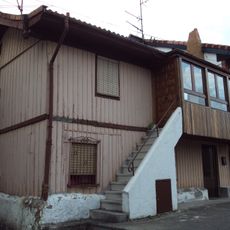
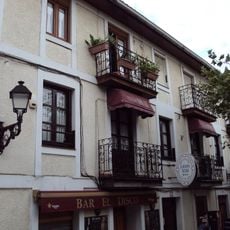
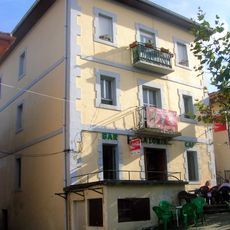
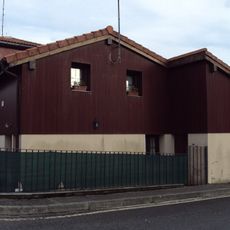
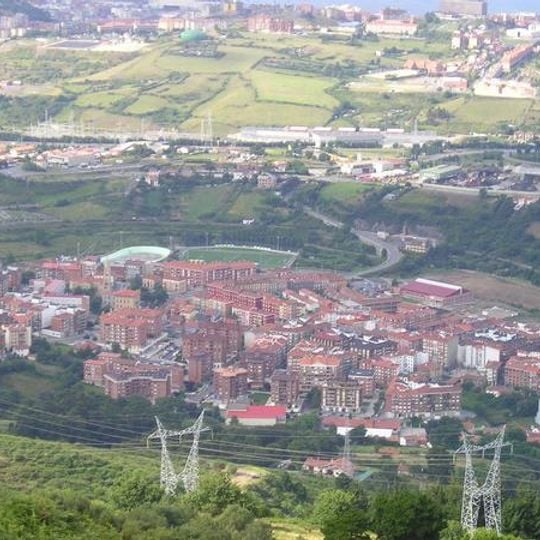
Valle de Trápaga-Trapagaran is a small municipality within Greater Bilbao that grew around the iron industry. The valley contains several adjacent towns built with simple architecture, where historic mining neighborhoods coexist with modern homes, and the landscape is defined by green hills, quiet streets, and remnants of industrial structures.
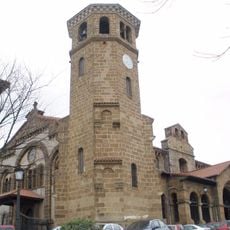
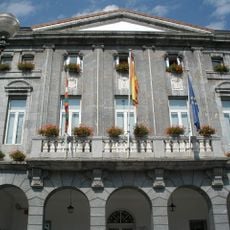
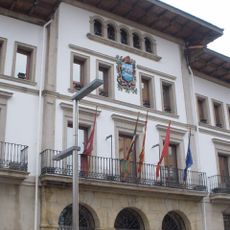
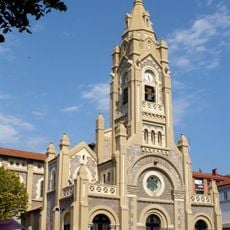
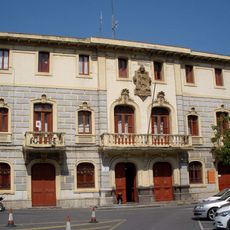
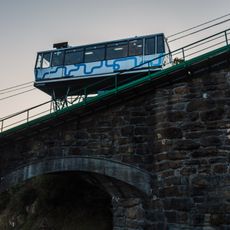
The valley experienced rapid growth in the late 1800s through iron ore extraction and export to other parts of Europe, establishing it as an important and active center. Key structures from this industrial period include the funicular La Reineta built in the 1920s, the Transfiguration of the Lord church from 1930, and the neoclassical town hall from the early 1900s, all marking the era of industrial development.
The valley's identity is rooted in its mining past, which continues to shape local celebrations and traditions. Residents keep this heritage alive through festivals and community events that feature stories and imagery from the town's industrial heyday, helping to maintain connection with the region's working-class roots.
The valley is easily accessible from Bilbao via local trains and roads, making it convenient for day visits. Visitors can explore the area on foot with quiet walking routes through green hills and clearly marked paths connecting different neighborhoods and historic sites.
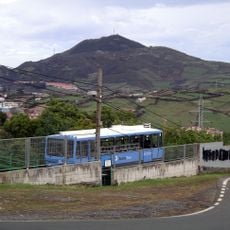
The La Reineta funicular from the 1920s connects two sections of the valley and offers views of Bilbao Bay that feel frozen in time during the ride. This working monument to early railway engineering is often overlooked by visitors, yet it provides a direct experience of the technical innovations that powered early industrialization.
The community of curious travelers
AroundUs brings together thousands of curated places, local tips, and hidden gems, enriched daily by 60,000 contributors worldwide.