Passeig de Gràcia, Main commercial avenue in Eixample, Barcelona, Spain
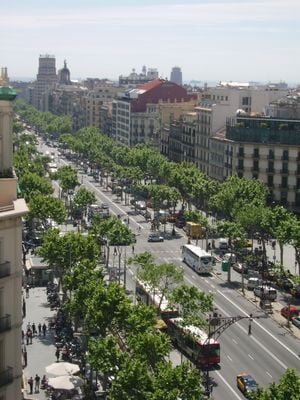
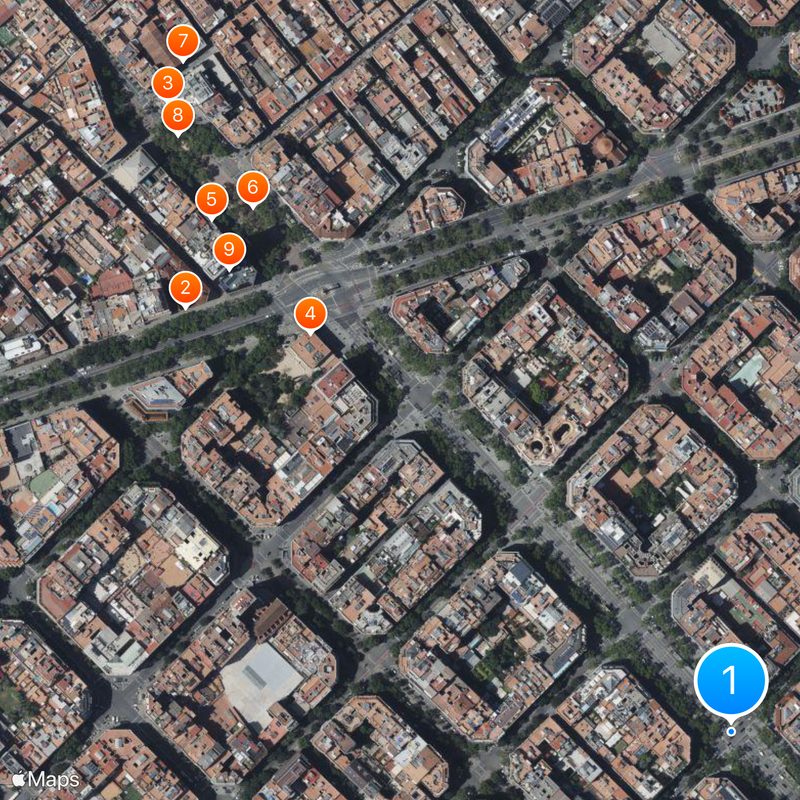
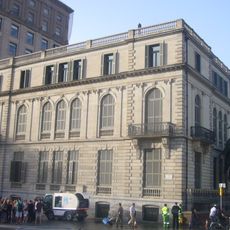
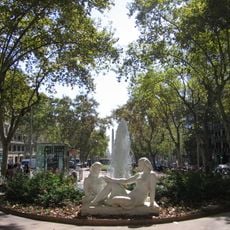
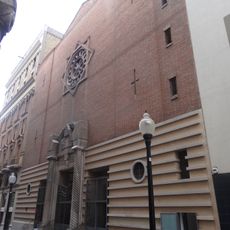
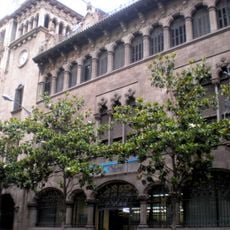
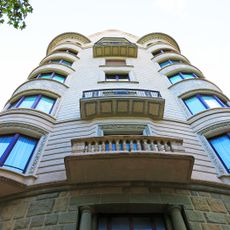
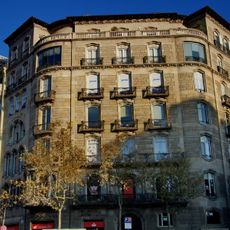
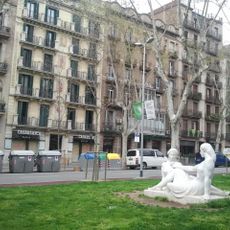
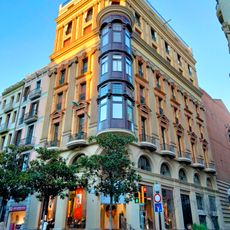
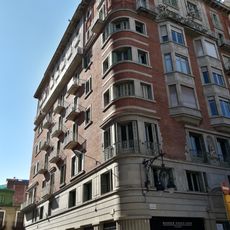
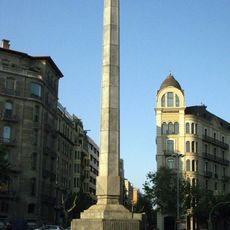
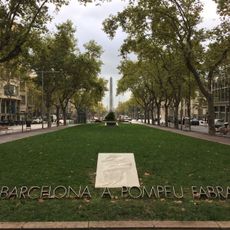
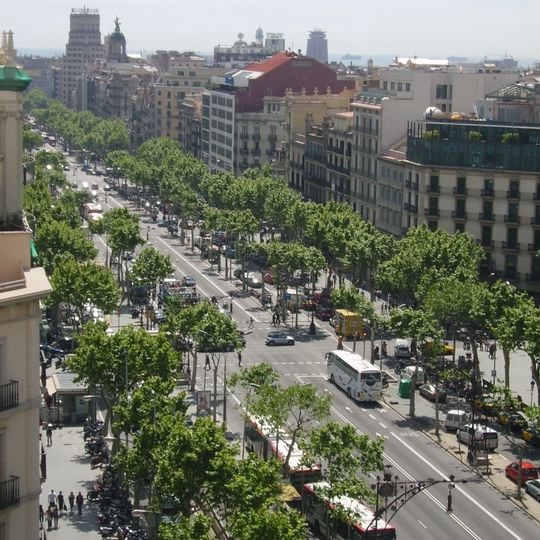
Passeig de Gràcia is a wide commercial avenue running from Plaça Catalunya to Carrer Gran de Gràcia, lined with modernist buildings and high-end shops along its entire length. Tree-lined sections break up the journey, creating a unified public space with consistent architectural character throughout.
The street began as a rural path called Camí de Jesús in 1821 and was redesigned in 1827 to serve as a fashionable equestrian promenade for the aristocracy. This early purpose established the generous proportions and width that still define the boulevard today.
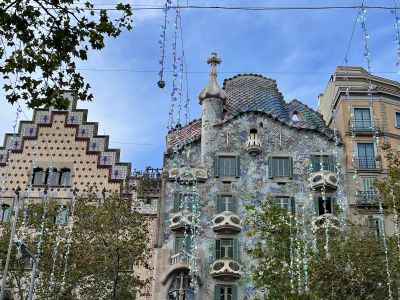
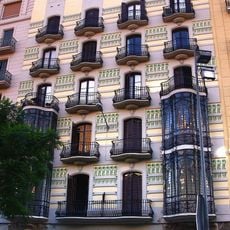
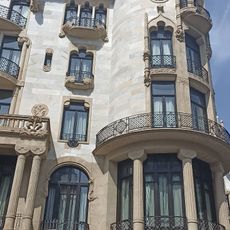
The street displays architectural masterpieces like Casa Batlló and Casa Milà, which showcase Catalan modernism through elaborate facades and forward-thinking design choices. These buildings shape how locals and visitors experience the street and connect the area to broader artistic movements of the time.
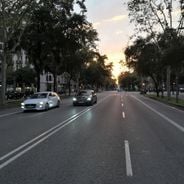
The street is well served by metro lines 2, 3, and 4 at Passeig de Gràcia and Diagonal stations, providing convenient access to shops and attractions. Car traffic is limited, making it best explored on foot or by public transport.
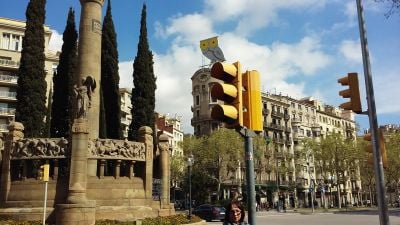
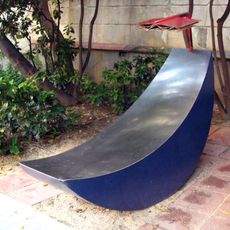
In 1906, Pere Falqués i Urpí designed distinctive benches and lampposts for the street, many of which remain in place today. These design elements are among Barcelona's oldest still-functioning street furniture and are frequently overlooked by passersby.
The community of curious travelers
AroundUs brings together thousands of curated places, local tips, and hidden gems, enriched daily by 91,645 contributors worldwide.