Cape of Creus, Natural headland in Cadaqués, Spain
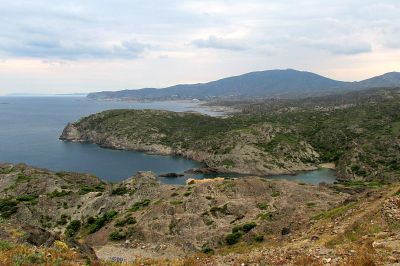
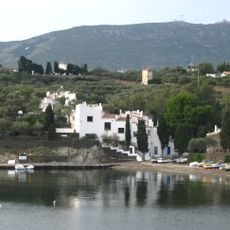
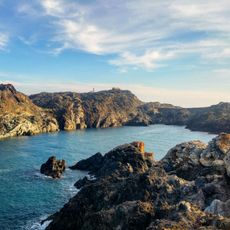
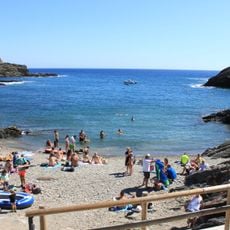
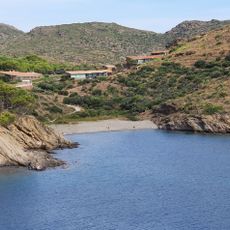
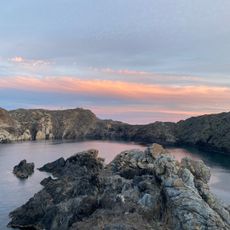
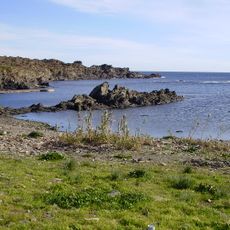
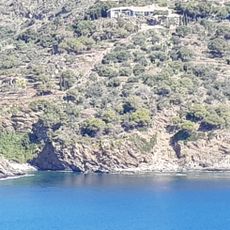
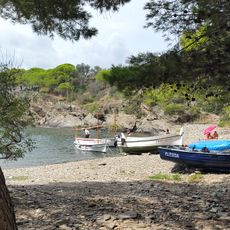
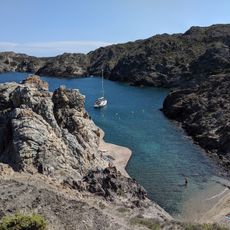
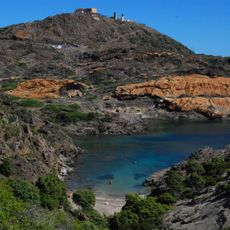
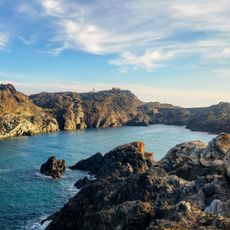
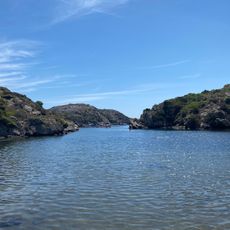
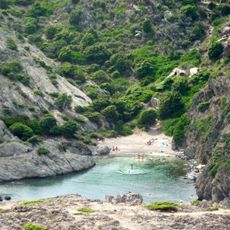
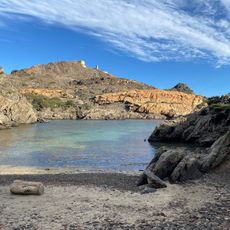
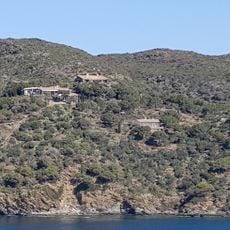
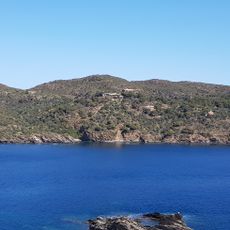
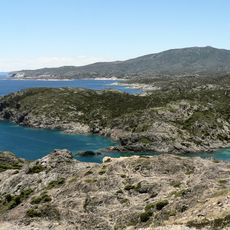
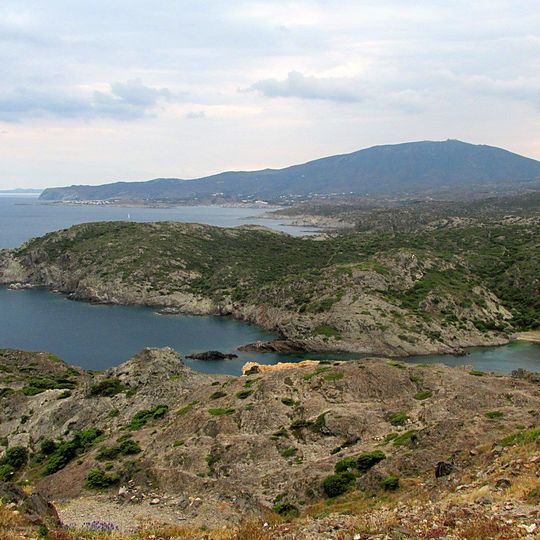
Cape of Creus is the easternmost headland of mainland Spain, extending into the Mediterranean with steep cliffs and jagged rock formations. The coastline features dramatic stone structures that surround several small coves and protected areas along the water.
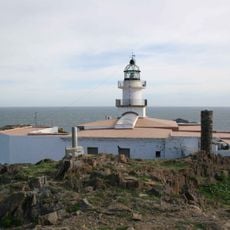
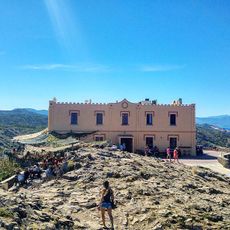
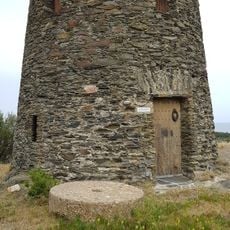
A Roman signal tower once occupied the site of today's lighthouse, serving as a strategic watch post during medieval times for maritime surveillance. Its location at the easternmost point of the mainland made it a vital observation post for sea traffic.
The rocky landscape inspired artist Salvador Dalí, who lived and worked in nearby Port Lligat and used these forms in his paintings. The distinctive stone shapes remain central to how locals and visitors perceive this corner of the coast.
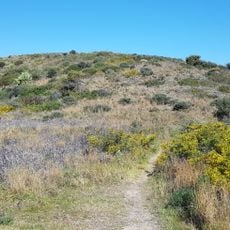
The area is accessible through marked hiking trails that lead to various viewpoints and hidden coves. Visitors should wear sturdy footwear and be prepared for strong winds, which are common at this exposed location.
The area experiences the tramontana, a powerful northern wind that has shaped the rock formations and caused numerous shipwrecks over centuries. This wind remains a defining feature of the place, visible in how the landscape has been carved and weathered.
The community of curious travelers
AroundUs brings together thousands of curated places, local tips, and hidden gems, enriched daily by 91,981 contributors worldwide.