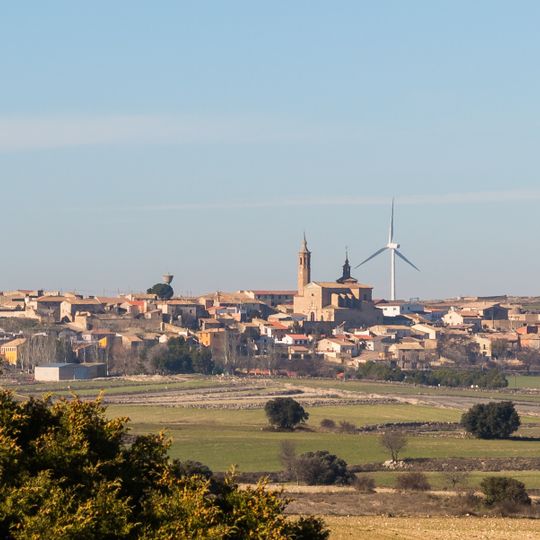
Fuendetodos, municipality of Spain
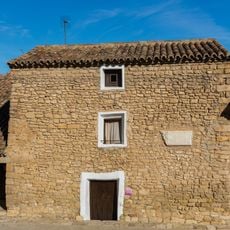
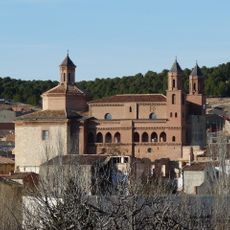
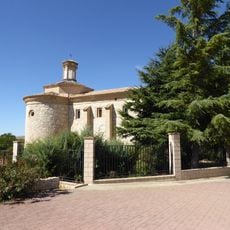
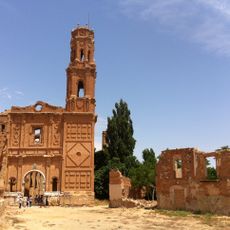
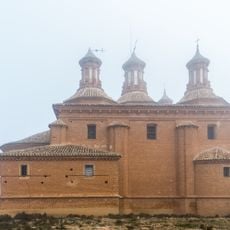
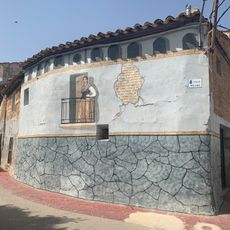
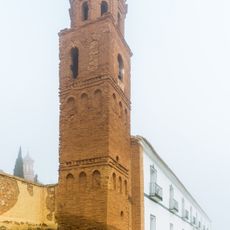
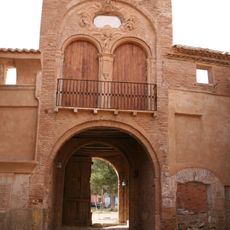
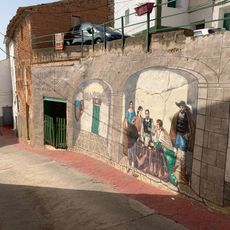
Fuendetodos is a small village in Zaragoza Province composed of stone buildings arranged along narrow streets. The settlement features a central square with a church, traditional houses with sloped roofs, and old structures called 'neveros' that once stored snow and ice during winter months.
The village developed in the Middle Ages around a natural water source that supplied the region. It gained international prominence as the birthplace of painter Francisco Goya in 1746, an event that anchored its place in art history.
The name Fuendetodos means 'fountain for all', reflecting the village's historical role as a water source for the region. Today, visitors can observe how the community maintains its connection to local traditions and the artist who put this place on the map.
The village is best explored on foot, as its narrow streets and compact layout make walking the primary way to see the settlement. More than 100 kilometers of hiking and cycling trails surround the area, passing through forests and farmland for those seeking outdoor activities.
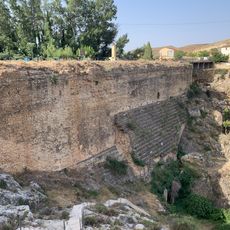
The village preserves several 'neveros', 18th-century ice storage chambers that once held snow and ice for summer transport to Zaragoza. These rare structures reveal how past communities adapted to their landscape and provided resources to distant cities.
The community of curious travelers
AroundUs brings together thousands of curated places, local tips, and hidden gems, enriched daily by 92,797 contributors worldwide.