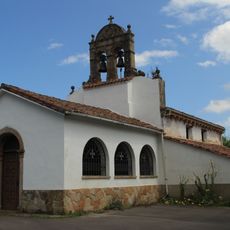
Sidrón Cave, Prehistoric cave site in Piloña, Spain.
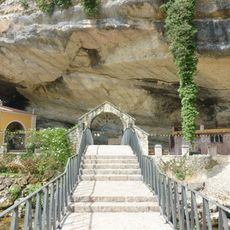
Sidrón Cave is a large limestone cavern with interconnected passages and chambers carved through karst formations. Researchers have recovered thousands of bone and tooth fragments from the site, making it one of the most significant archaeological locations of its kind.
The cave was discovered in 1994 when workers found human remains initially thought to be Spanish Civil War casualties. Only later did researchers realize these fossils were from Neanderthals, sparking intensive excavations that continue to reveal new findings.
The cave's name reflects its setting in the Asturian landscape, and it draws visitors curious about how our distant relatives lived. The site connects people to the everyday reality of Neanderthal groups who once occupied this space.
Access to the cave is restricted to preserve its archaeological contents and protect the bat species living inside. Visitors should check ahead, as not all areas are open and special conditions apply to visits.
Cut marks on bones initially suggested cannibalism to researchers, but newer analysis reveals a more complex picture of how these groups handled their dead. The marks may also reflect butchering techniques or funeral practices rather than consumption of the deceased.
The community of curious travelers
AroundUs brings together thousands of curated places, local tips, and hidden gems, enriched daily by 91,506 contributors worldwide.