Cehegín, human settlement in Region of Murcia, Spain
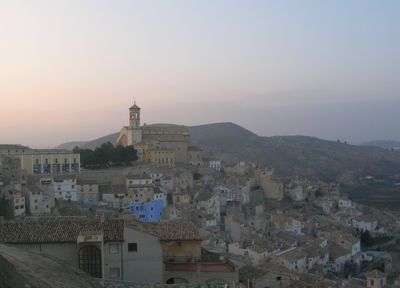
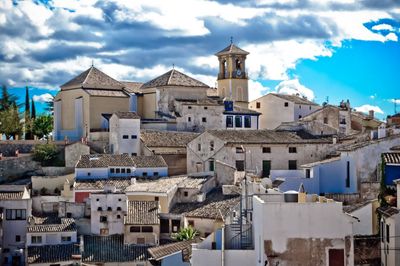
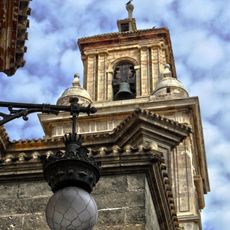
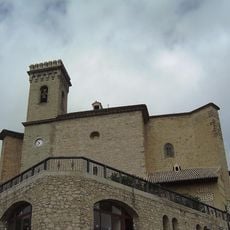
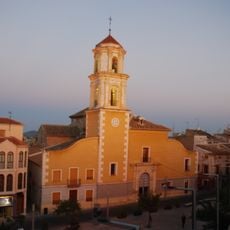
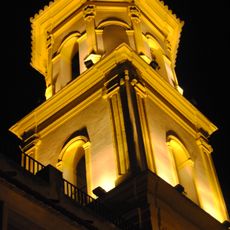
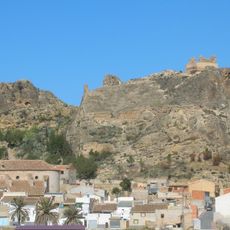
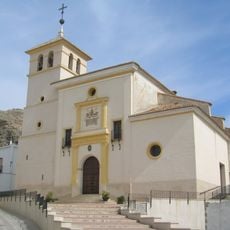
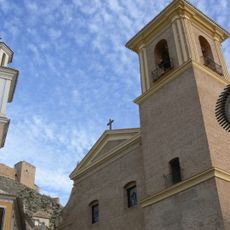
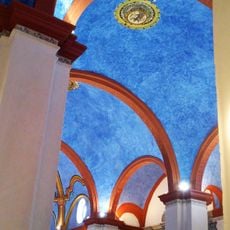
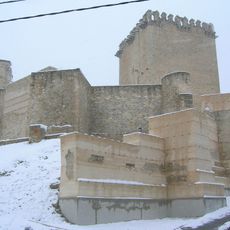
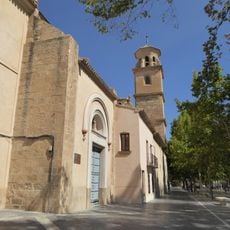
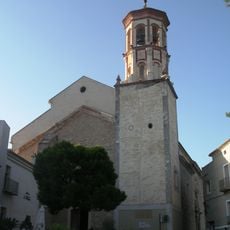
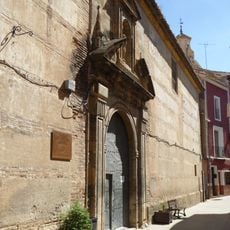
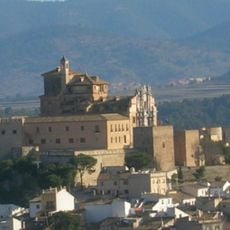
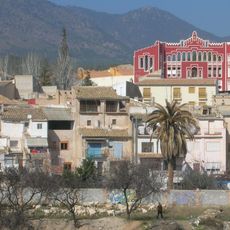
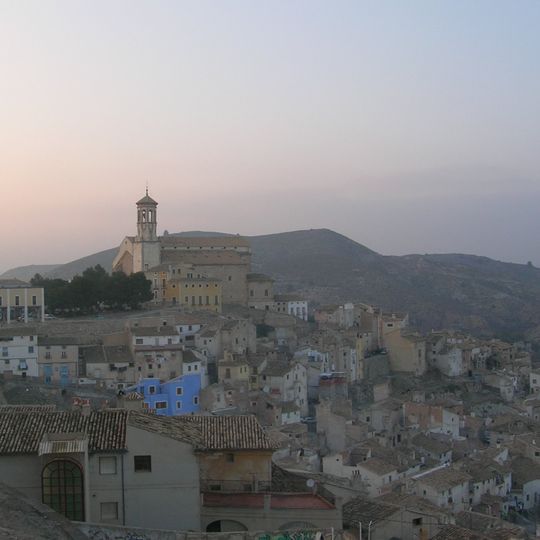
Cehegín is a small municipality in the Region of Murcia, Spain, characterized by narrow stone-paved streets and historic buildings dating back centuries. The town features the Church of La Magdalena, the Baroque Palacio Fajardo, the main square Plaza Alfaro, and traditional houses with carved coats of arms and wooden doors.
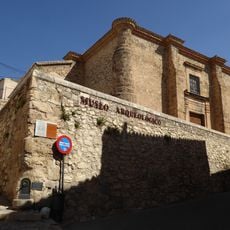
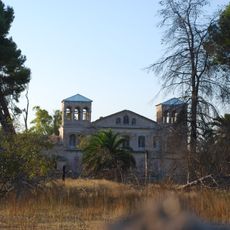
The area around Cehegín has been inhabited since the Bronze Age, linked to the Argaric culture, with archaeological remains visible today. The nearby Roman-Visigothic city of Begastri was an important religious and trade center for centuries before Cehegín emerged as a local administrative and religious hub.
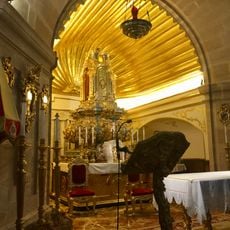
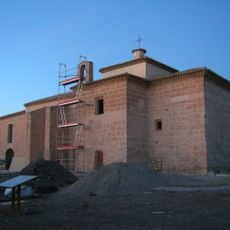
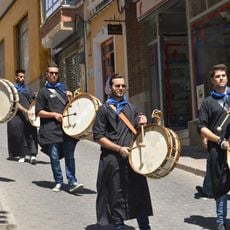
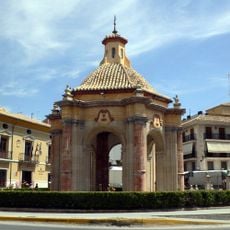
The Virgen de las Maravillas shrine has anchored the town's spiritual life for centuries and remains the focal point for processions and celebrations. Walking through the narrow streets and the main square, you can see how locals gather to observe their festivals, where music, community gatherings, and shared rituals mark the rhythm of the year.
Cehegín is easiest to reach by car, and the old town is compact and walkable on foot. The nearby Roman-Visigothic city of Begastri is only a short walk away, making it practical to visit both sites during the same trip.
The Holy Jubilee Year, which began around 300 years ago with the arrival of the Virgen de las Maravillas statue, is still observed in Cehegín today and draws pilgrims from neighboring areas. This extended veneration period is unusual and reflects the town's deep spiritual connection to this religious figure.
The community of curious travelers
AroundUs brings together thousands of curated places, local tips, and hidden gems, enriched daily by 91,124 contributors worldwide.