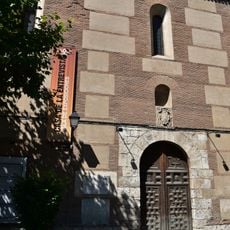
Torres de la Alameda, human settlement in Spain
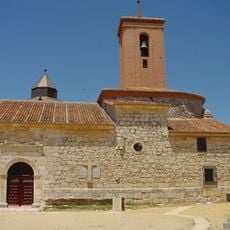
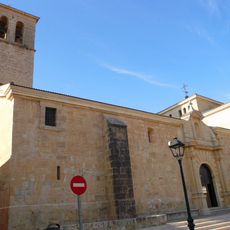
Torres de la Alameda is a small village in Madrid's region featuring narrow winding streets lined with white houses that gather around a 16th century Renaissance church. The landscape consists of gentle hills and agricultural land with olive groves and open fields that define the municipality's boundaries.
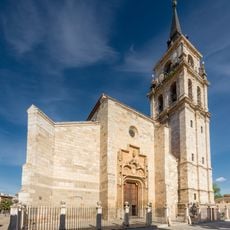
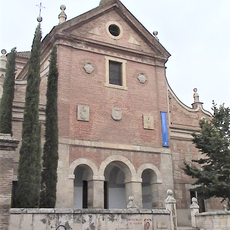
The village has roots reaching back to the Neolithic period, as shown by archaeological remains of collective burials. After Roman times and medieval occupation, the settlement emerged in the 13th century as a dependency of Alcalá de Henares, with the church tower's base built as a fortification during that period.
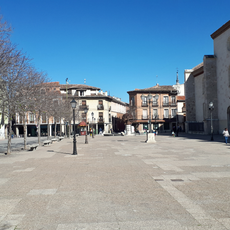
The name Torres de la Alameda refers to the poplar trees that once shaped this landscape. The whitewashed houses with iron balconies and the gathering of residents during celebrations in the main square reflect how the community keeps its traditions alive through daily customs and shared moments.
The village is small enough for a leisurely visit and can be walked through easily. The area offers several walking routes including paths to the Mirador de los Pájaros and Cerro de las Cuevas, though the latter has unpaved trails without marked paths that require navigation through open countryside.
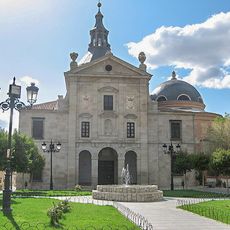
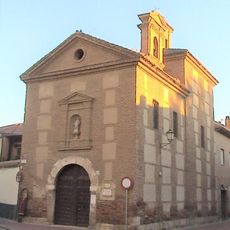
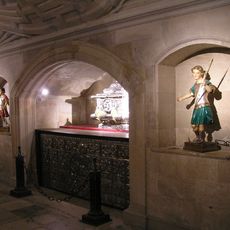
The Chapel of Solitude holds a sanctified copy of the Shroud of Turin from 1620, considered one of the finest reproductions in existence. This rare religious relic is displayed publicly only during Holy Week, drawing believers from the wider region.
The community of curious travelers
AroundUs brings together thousands of curated places, local tips, and hidden gems, enriched daily by 90,830 contributors worldwide.