Pintia, Archaeological site in Peñafiel, Spain
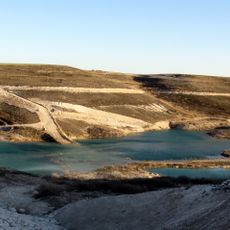
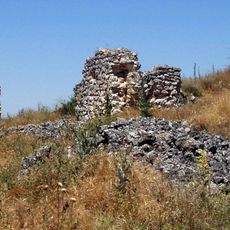
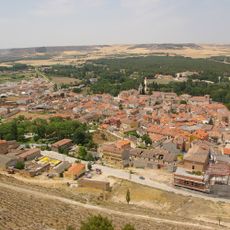
Pintia is an ancient settlement and archaeological site near Peñafiel and Padilla de Duero in Castile and León, Spain, made up of three separate zones: the city area of Las Quintanas, the necropolis of Las Ruedas, and the pottery district of Carralaceña. Each zone covers a different aspect of life in this former community, from housing and burial to craft production.
The Vaccaei, a Celtic people of the northern meseta, established Pintia around 400 BCE as one of their main centers in the region. Roman expansion eventually led to the destruction and abandonment of the settlement.
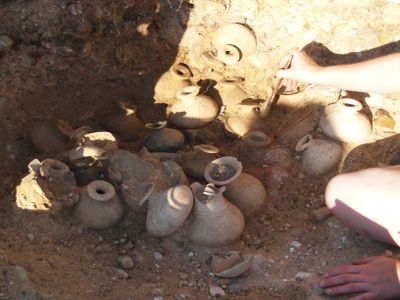
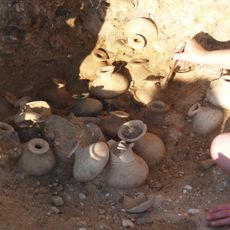
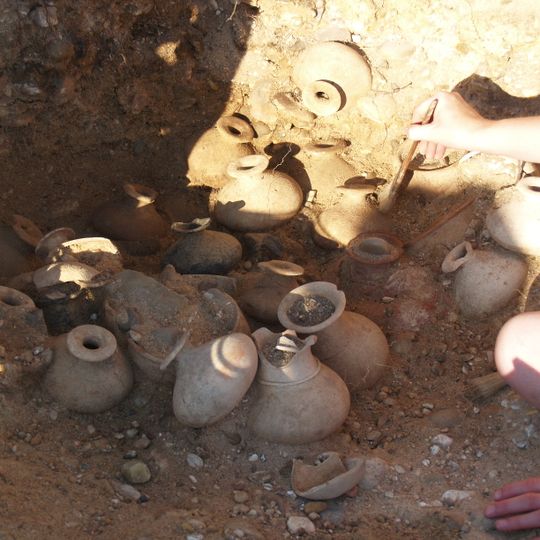
The necropolis at Las Ruedas shows how the Vaccaei buried their dead, placing weapons, pottery, and personal objects alongside them. Walking through the site today, visitors can observe the layout of the graves and the variety of objects recovered from them.
The site sits between Peñafiel and Padilla de Duero and is easiest to reach by car, as public transport in the area is limited. The University of Valladolid runs summer excavation programs that visitors can join to take part directly in the ongoing fieldwork.
The pottery district of Carralaceña contains one of the largest ancient kilns ever found in Europe, suggesting that Pintia produced goods well beyond the needs of its own population. This discovery surprised researchers who had not initially expected such a large production center at this location.
The community of curious travelers
AroundUs brings together thousands of curated places, local tips, and hidden gems, enriched daily by 92,203 contributors worldwide.