Conjunto histórico de Málaga, Cultural Heritage Site in Málaga, Spain
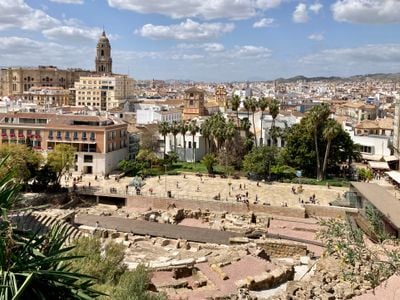
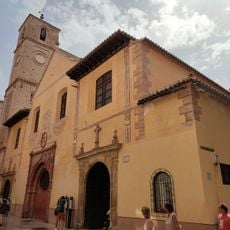
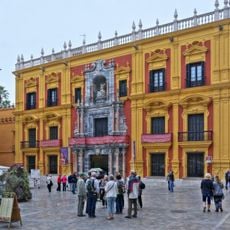
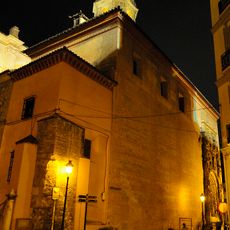
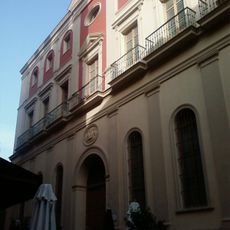
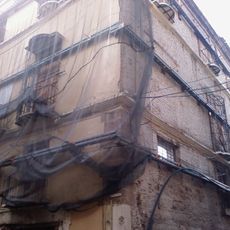
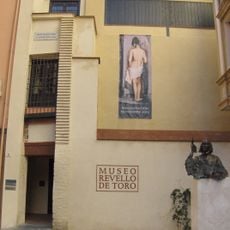
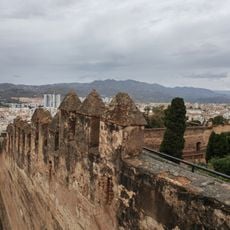
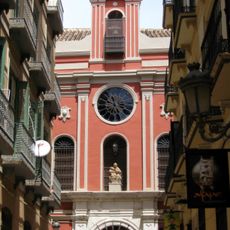
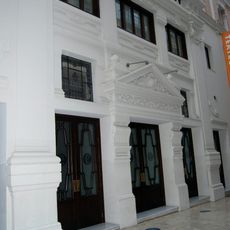
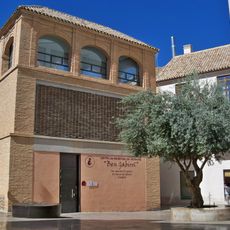
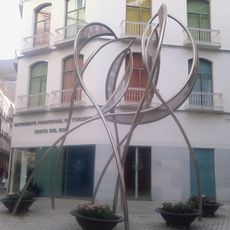
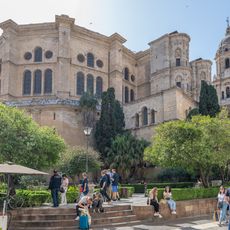
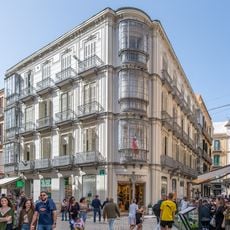
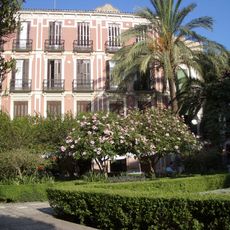
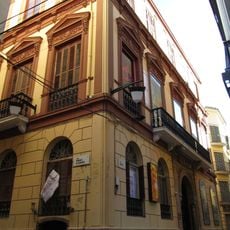
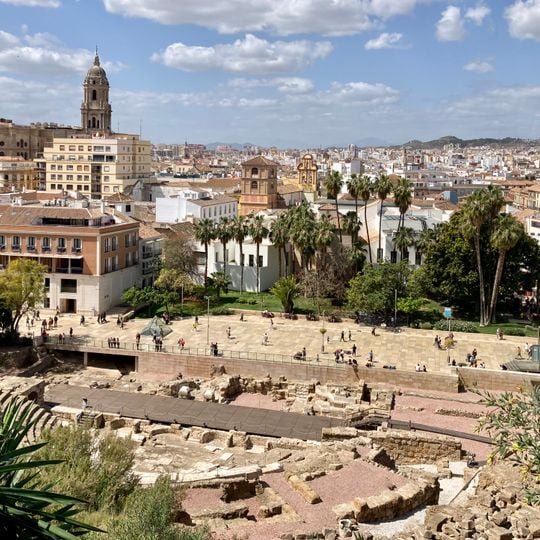
The Historic Ensemble of Málaga is a central district connecting architectural remains from different periods, including Roman ruins, medieval fortifications, Renaissance churches, and 19th-century residential buildings. The area is structured through narrow streets that lead from main squares to monuments and museums, preserving the original medieval street grid.
The area was founded by Phoenicians in the 8th century BC and later developed under Roman, Byzantine, and Muslim rule. Conquest by Catholic monarchs in 1487 ended the Arabic period and began a new urban order.
Street names and layouts reflect different periods, with Arabic origins visible throughout the old quarters. You can see how the city developed over centuries as new neighborhoods grew alongside older districts.
Exploration works best starting from main squares, from which you can venture into narrow streets to discover different periods. Comfortable shoes are important because uneven streets and frequent slopes demand it.
Beneath the University Rectorate lie exposed Phoenician walls thousands of years old that visitors often overlook. These underground discoveries show how layers of history are literally buried beneath the modern city.
The community of curious travelers
AroundUs brings together thousands of curated places, local tips, and hidden gems, enriched daily by 91,640 contributors worldwide.