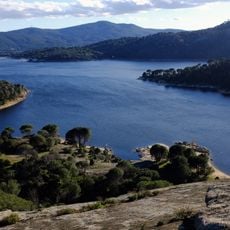
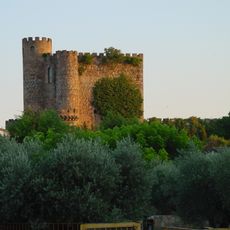
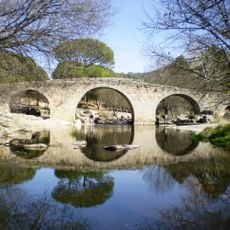
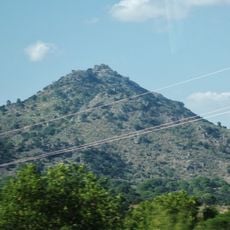
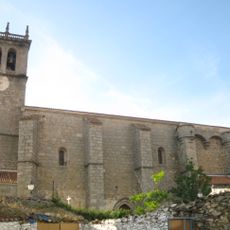
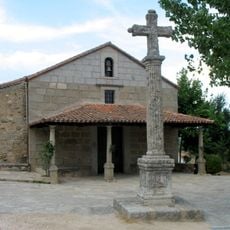
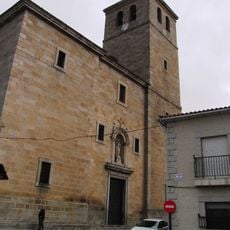
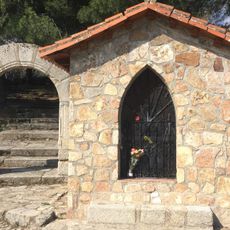
El Quexigal, Renaissance palace in Cebreros, Spain
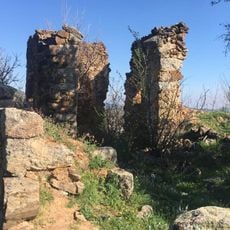
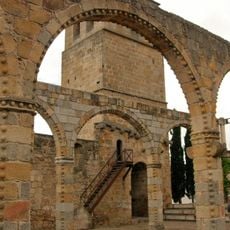
El Quexigal is a Renaissance complex on the eastern edge of Cebreros with multiple buildings, underground cellars, and agricultural structures. The layout connects residential areas with production facilities, showing how the estate functioned as both a noble residence and a working farm.
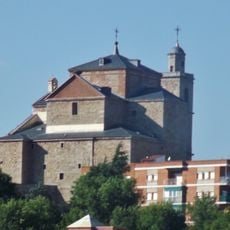
Felipe II commissioned architect Juan de Herrera to design this estate in the 16th century. The property was conceived as a royal residence and simultaneously as a retreat for monks, making it a unique hybrid of religious and secular functions.
The estate's name derives from quejigo, the local term for the Portuguese oak that grew on the land. Its 16th-century wine and oil cellars, built after the pines were felled, still give the property its working character; today the Eulen Group produces white wine and honey there. The Hohenlohe family, who owned it from 1926, held gatherings in the palace.
The palace stands on the 1,800-hectare Quexigal estate near Cebreros, about 74 km from Madrid. The building was gutted by a 1956 fire, and renovations to turn it into a hotel began in 2023, so the interior is not open to visitors. The estate belongs to the Eulen Group, which produces white wine and honey there.
The property combines noble living with agricultural production in an organized system that was rare for its time. This arrangement reveals how power and economics were directly intertwined during the Renaissance period.
The community of curious travelers
AroundUs brings together thousands of curated places, local tips, and hidden gems, enriched daily by 93,971 contributors worldwide.