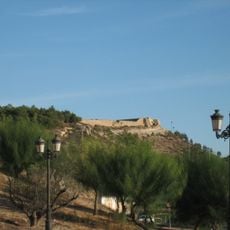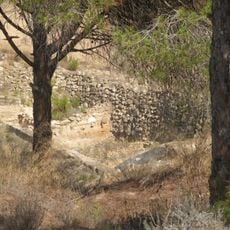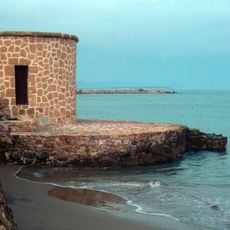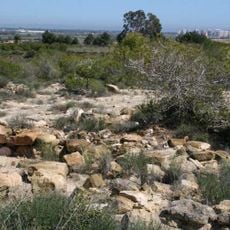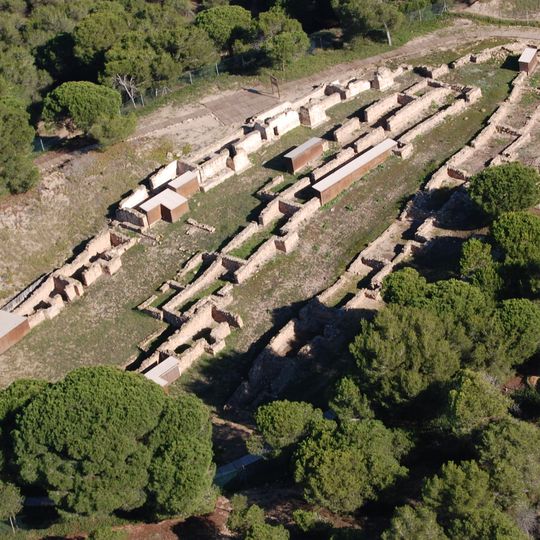
Rábita Califal de las Dunas de Guardamar, Archaeological site in Guardamar del Segura, Spain.
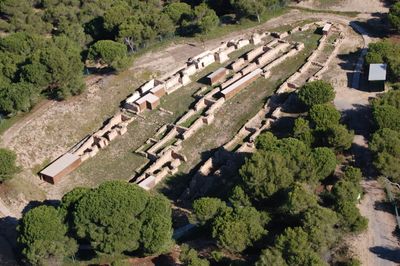
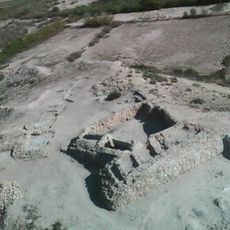
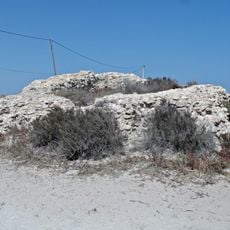
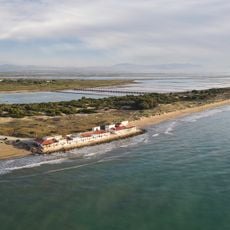
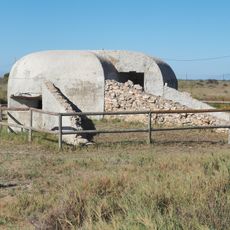
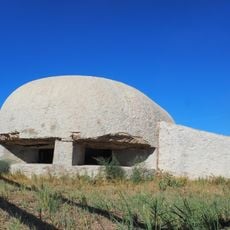
The Rábita Califal is an archaeological site on the Mediterranean coast featuring 23 chambers and a mosque surrounded by extensive sand dunes. The structures reveal the remains of a medieval complex with identifiable living and prayer areas.
A wall of a musalla stood on the highest point of the site at the end of the 9th century. In the second half of the 10th century, under Abd al-Rahman III, the mosque bearing the 1897 tombstone was built and the musalla became a rabita, part of a coastal defence policy against Fatimid influence, alongside those of Almeria and Tortosa.
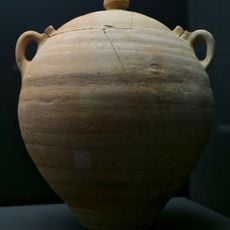
The site consists of cells-oratories separated by streets or open spaces, where a Muslim community devoted itself to spiritual retreat. Excavations found oil lamps, cooking pots and jugs, plus a set of graffiti on the walls of one cell left by pilgrims visiting the monastery.
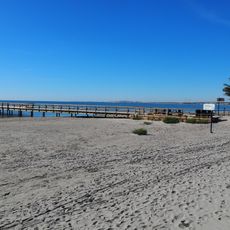
The site is freely accessible and can be combined with a visit to the nearby Natural Park walking trails. The best time to explore is early morning or late afternoon when fewer people are around.
The 1897 find was a stone tombstone bearing an Arabic inscription; excavations began in December 1984 to locate the building it came from. The site is the first rábita discovered in Spain and, with the ribat of Susa in Tunisia (founded 821), among the oldest preserved in the western Islamic world.
The community of curious travelers
AroundUs brings together thousands of curated places, local tips, and hidden gems, enriched daily by 93,549 contributors worldwide.