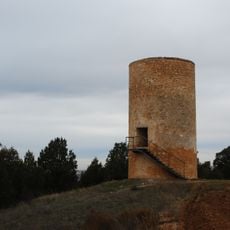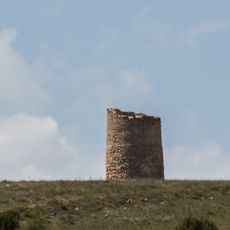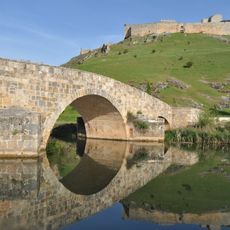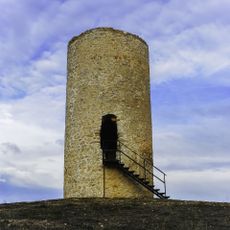
Uxama Argaela, Celtiberian archaeological site in El Burgo de Osma, Spain.
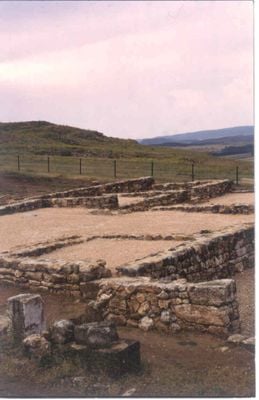
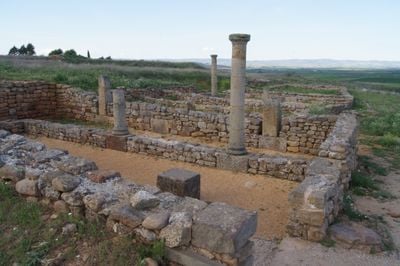
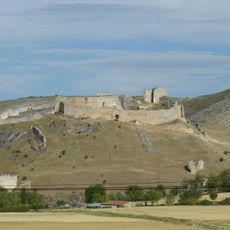
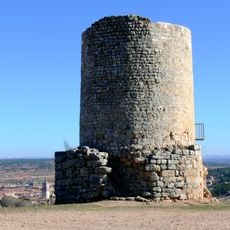
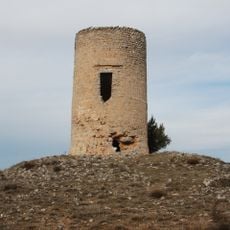
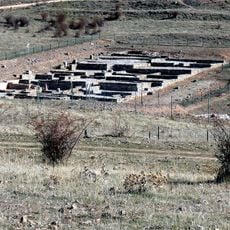
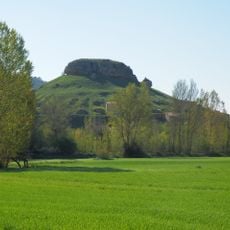
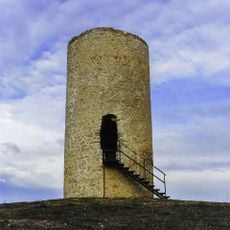
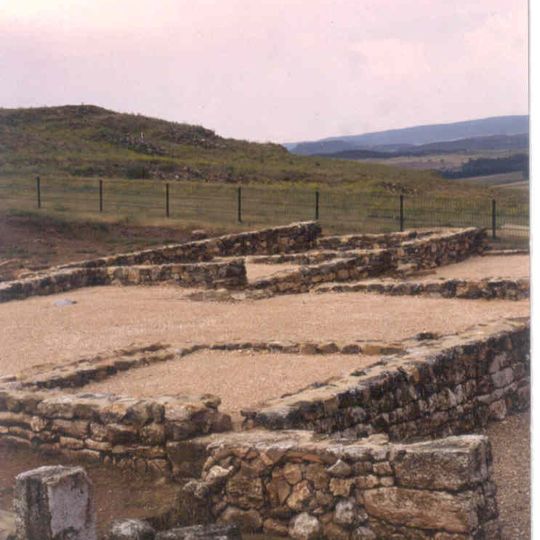
Uxama Argaela is an archaeological site of an ancient city spread across a hillside, displaying foundation walls, defensive towers, bathing facilities, and religious buildings that once served the residents. The visible remains offer a clear picture of how a settlement of this era was organized and built.
Uxama Argaela was an Arevaci city that fought in the Celtiberian Wars (153–133 BC) and was taken by Rome in 99 BC. It backed Quintus Sertorius and was destroyed by Pompey the Great in 72 BC, then rebuilt. It became a municipium under Tiberius, and in the 6th century its bishops attended the Councils of Toledo. After the 8th-century Muslim conquest it was abandoned until repopulation in 912.
The name Uxama Argaela is Celtiberian, recorded by Pliny the Elder and Ptolemy. In the 6th century the city's bishops attended the Councils of Toledo. Today the site is excavated each summer in a joint campaign with Tiermes, and finds such as republican and imperial coins, ceramics, glass and a set of horse bronzes are kept in the museums of Madrid, Soria and Toledo.
The site is open to visitors without charge, and informational signs at key locations explain the visible structures. It is helpful to wear comfortable shoes and allow enough time to explore the scattered remains spread across the hillside.
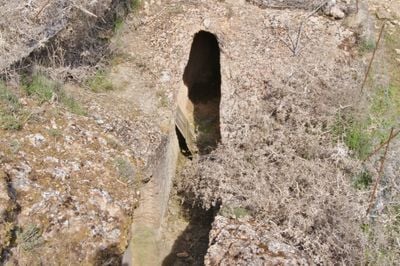
The Mina is a section of a drain cut as a tunnel through solid rock at the edge of the city, and sections of the aqueduct run in similar rock-cut tunnels. The site also preserves cisterns and baths. Excavations continue each summer in conjunction with the Tiermes site.
The community of curious travelers
AroundUs brings together thousands of curated places, local tips, and hidden gems, enriched daily by 93,908 contributors worldwide.