San Pedro de la Mata, Visigothic church ruins in Sonseca, Spain
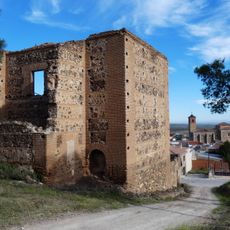
San Pedro de la Mata are the remains of a church standing in the countryside near Casalgordo, with granite foundations, stone walls, and several surviving arches. The site displays a rectangular floor plan with side chambers and a transept arranged in a Latin cross shape.
A fragment of an inscription found nearby suggests the complex dates to the reign of Wamba, in the second half of the 7th century. Traditional historiography instead links it to a monastery founded between 589 and 711, while current thinking places the site in post-711 Mozarabic architecture. The building was remodelled early, and the main chapel was rebuilt in the early medieval period.
The name San Pedro refers to the apostle Peter, and the ruins display the transition from Visigothic to Mozarabic influence in medieval religious architecture across the peninsula. Visitors can see these historical layers reflected in the surviving stone work and arches.
The ruins lie in open countryside about 3 km southwest of Casalgordo, reached by a dirt track that starts west of the village church. The site is unprotected and its condition has concerned Hispania Nostra, so watch for loose masonry. Carved Visigothic stones taken from the ruins are kept in the small museum at Arisgotas, in Orgaz municipality.
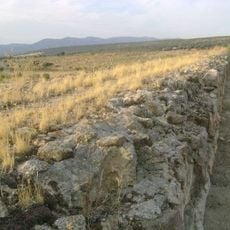
The granite platform foundation has remained remarkably intact, revealing how the church was originally laid out. This base allows archaeologists and visitors to understand the exact structure and dimensions of the building from this distant period.
The community of curious travelers
AroundUs brings together thousands of curated places, local tips, and hidden gems, enriched daily by 95,298 contributors worldwide.