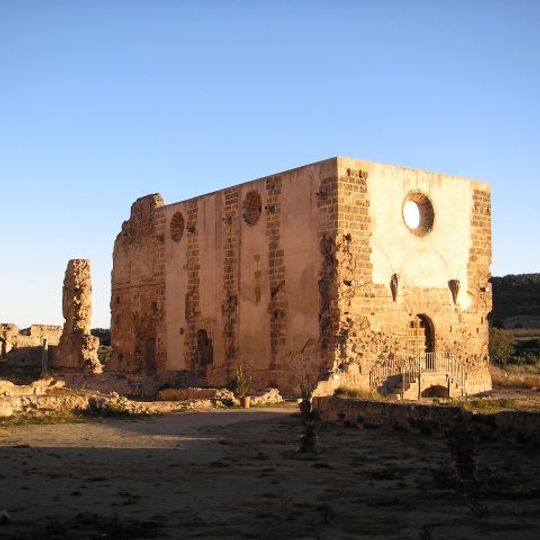
Cartuja de Val de Cristo, Carthusian monastery in Altura, Spain
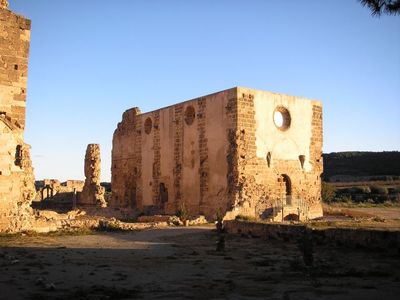
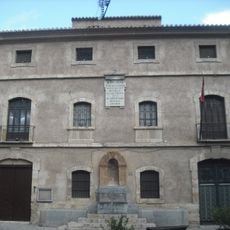
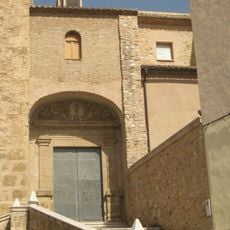
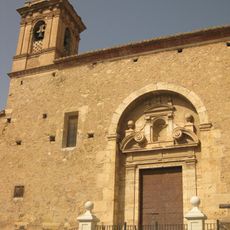
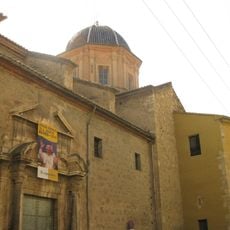
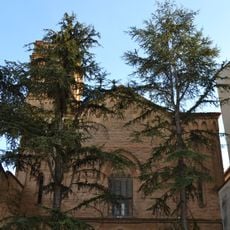
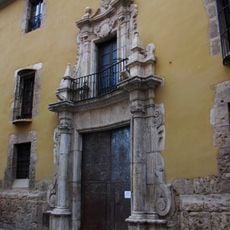
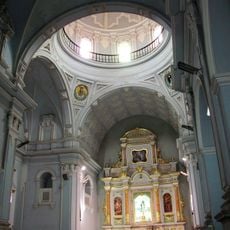
Cartuja de Val de Cristo is a Carthusian monastery spread across a valley with a church, cloisters, and individual monk cells built from stone and Gothic arches. The layout reveals the separate areas where monks lived, worked, and gathered for religious services.
The monastery was founded in 1385 under Prince Martin of Aragon as a major religious center. It operated for over 4 centuries before monks left in 1835 following government orders that affected monasteries across Spain.
The individual cells scattered through the complex show how monks lived in constant solitude, meeting only for prayer in shared spaces. This separation was central to their religious practice and shaped how they experienced daily life.
Access to the ruins is through guided tours arranged by the Altura Tourist Office, with information available in multiple languages. Wear sturdy shoes since the complex covers uneven terrain across the valley.
The monastery's layout was deliberately planned to mirror the geography of Jerusalem's Valley of Josaphat, reflecting Prince Martin's fascination with biblical landscapes. This spiritual geography expressed through architecture makes the site a rare example of religious symbolism built into stone.
The community of curious travelers
AroundUs brings together thousands of curated places, local tips, and hidden gems, enriched daily by 60,000 contributors worldwide.