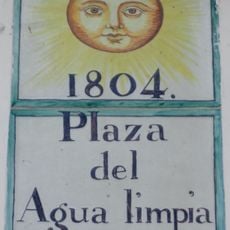
Conjunto histórico de Segorbe, Historic ensemble in Segorbe, Spain
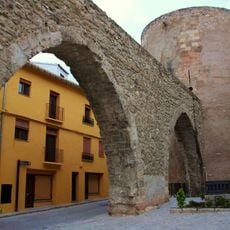
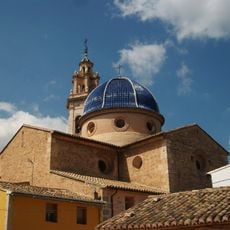
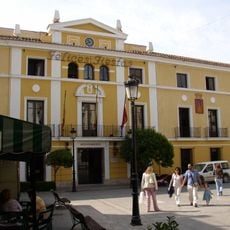
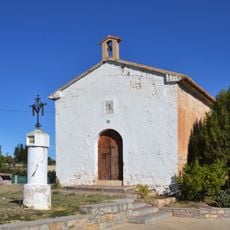
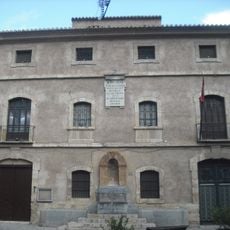
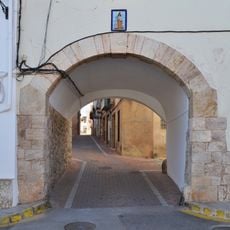
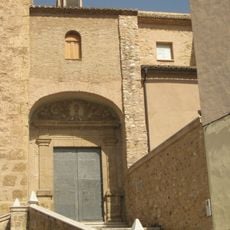
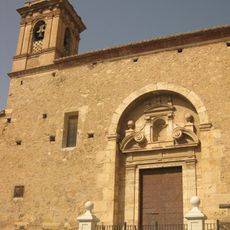
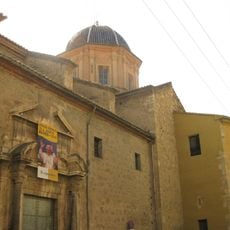
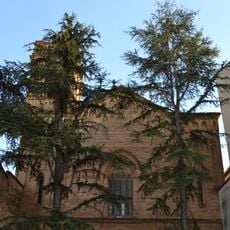
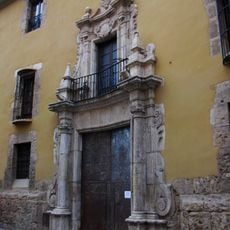
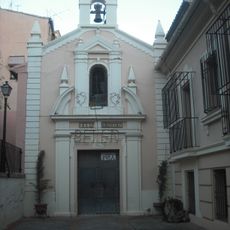
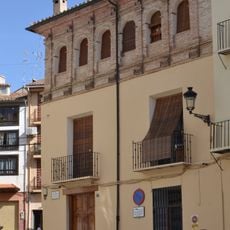
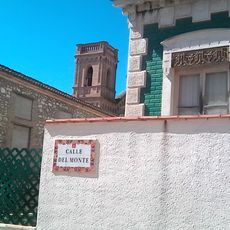
The ensemble in Segorbe is a medieval urban layout enclosed by historic walls that incorporates several key structures including a star-shaped fortress and the Botxí Tower. The entire area consists of tightly packed residential buildings of two to three stories, with light plastered facades and traditional tile roofs that define the streetscape.
Segorbe served as home to successive cultures over millennia, beginning with Iberian settlers in prehistoric times, followed by Romans, Visigoths, and Muslims, each leaving their imprint. The present-day town layout reflects these different periods, with the walls and structures bearing traces of the successive populations that shaped the settlement.
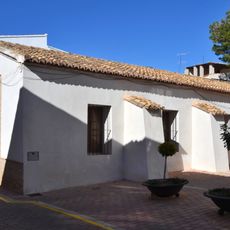
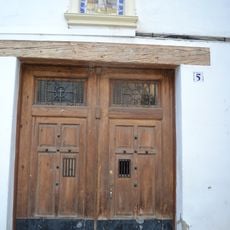
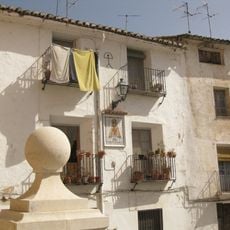
The name Segorbe derives from the Latin Segobriga, a name also claimed for the Roman city at Saelices in Cuenca. The town's houses are of masonry with light plaster, mostly white, and roofs of curved Arabic tiles with slightly projecting eaves. In the 19th- and 20th-century growth areas, small terraces with railings sit at the front, and many balconies have iron railings.
The best way to explore the ensemble is on foot through the old town, which is compact enough to visit in half a day. Comfortable walking shoes are advisable since the narrow alleys have cobblestones and some sections slope steeply uphill.
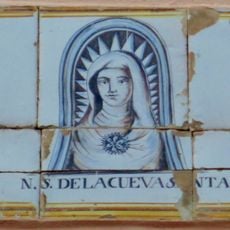
The old town's boundary was fixed by a ministerial declaration on 24 September 2002, under reference R-I-53-0000565. The protected perimeter runs from the Castle of the Star past the former Mercedarian convent, the Plaza de la Cueva Santa, Calle Colón and the Aragón road to the Botxí Tower, then back along the north side.
The community of curious travelers
AroundUs brings together thousands of curated places, local tips, and hidden gems, enriched daily by 94,190 contributors worldwide.