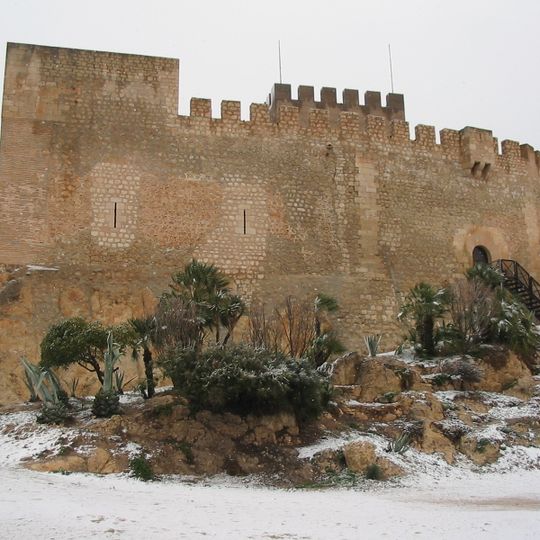
Castillo de Petrer, Medieval fortress in Petrer, Spain.
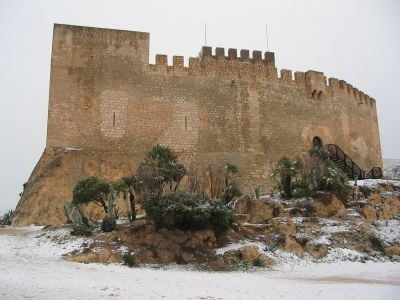
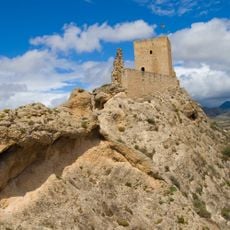
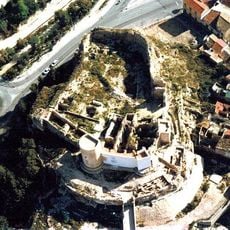
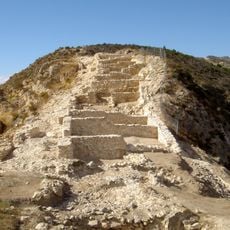
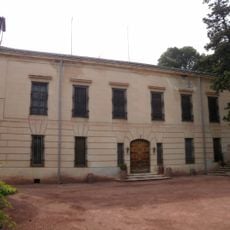
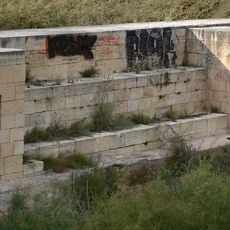
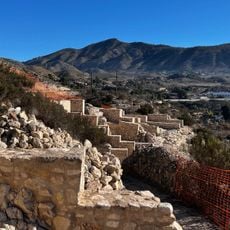
Castillo de Petrer stands on a hill about 500 m high in the northern part of Petrer's town centre, overlooking the Vinalopó valley. Its polygonal walls are built of masonry with dressed stone at the corners, and the interior is crossed by an earth terrace. The outer wall consists of two rammed-earth sections separated by a central tower with cubes at the ends.
The castle originated at the end of the 12th or beginning of the 13th century as a Muslim fortress, probably built over an earlier watchtower. During the revolts of 1265 the moriscos took it; Alfonso X of Castile turned to James I of Aragon, who soon recovered it. Reconstruction works ended in 1982, with further works in 2010, and it has been a national historic-artistic monument since 1983.
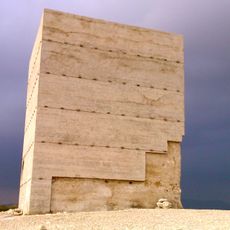
The castle's name comes from Petrer, the town below it. Its most prominent feature is the large square keep, whose basement held a water cistern in Islamic times and later served as a prison. The vaulted hall, once used for the feudal lord's festivities, now hosts chamber concerts during the Semana de la Guitarra and civil weddings.
The site is accessible from Tuesday through Sunday and allows direct access to the old walls and viewpoints. Those arriving on foot should wear sturdy shoes, as the paths are sometimes steep due to the elevation and hillside location.
The keep's basement cistern, dug in the Islamic period, later served as a prison. The large vaulted hall hosted the feudal lord's feasts and today holds chamber concerts during the Semana de la Guitarra and civil weddings. Reconstruction ended in 1982, with further work in 2010.
The community of curious travelers
AroundUs brings together thousands of curated places, local tips, and hidden gems, enriched daily by 93,622 contributors worldwide.