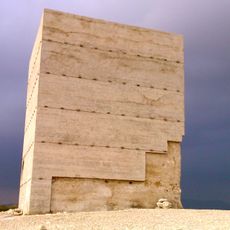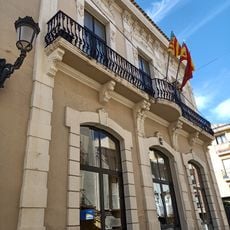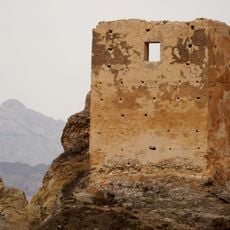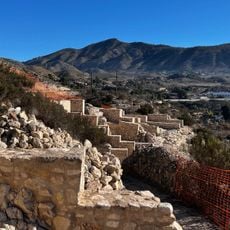
Poblado íbero-romano de El Monastil, Archaeological site near Elda, Spain.
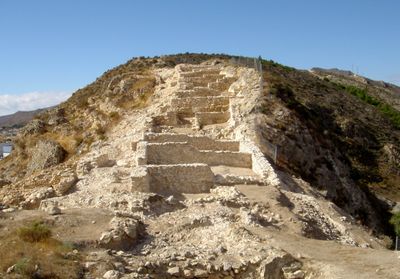
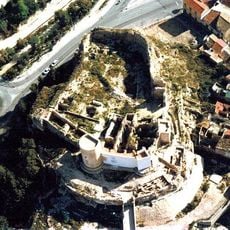
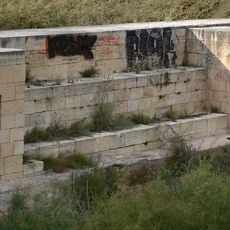
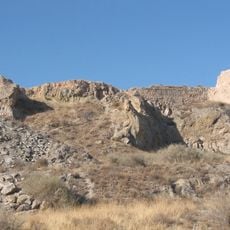
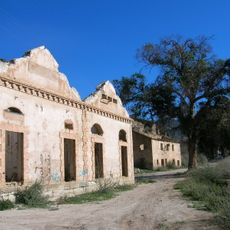
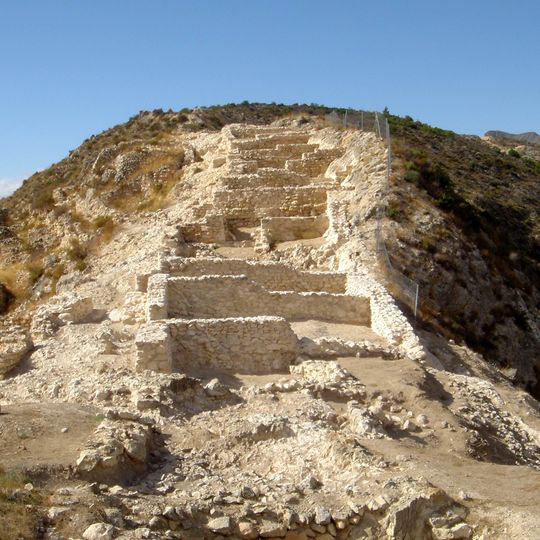
The Poblado íbero-romano de El Monastil is an archaeological site on the crest and southern slope of the Sierra de El Monastil, north of Elda. It was a Contestani settlement from the 5th century BC, later the Roman town of Elo. Houses of 7 to 28 square metres were aligned behind a wall on the steep northern side, and a Christian church was later built within the site.
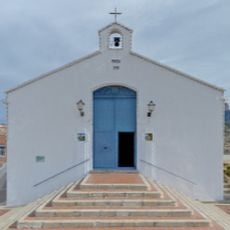
The site was already inhabited in the Bronze Age before the Iberian town arose in the 5th century BC as a Contestani settlement. Under Rome it was known as Elo, within the territory of Carthago Nova, and flourished in the 1st century AD through pottery and esparto crafts. A Christian church was built between the second half of the 6th and first half of the 7th century, and the see appears as ecclesia Elotana at the Synod of Gundemar. After the Islamic conquest the site was abandoned and called al-munastir, 'the monastery'.
The site's name comes from the Arabic munastir, meaning monastery, a word of Latin origin. The Visigothic church was rebuilt between the second half of the 6th century and the first half of the 7th, and the bishopric of Elo is documented at the Synod of Gundemar as ecclesia Elotana. After the Islamic conquest the settlement was abandoned, but the old name survived as El·la, Etla and finally Elda.
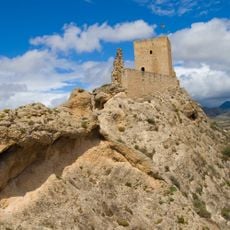
The site occupies the crest and southern slope of the El Monastil range north of Elda, above the Vinalopó river. Access is on foot over steep, unshaded ground, so wear sturdy shoes and carry water. The northern face is a cliff and cannot be climbed; approach from the southern side.
The archaeologist Solveig Nordström identified a local potter she called El Maestro de El Monastil, who painted small game animals on his ceramics, a style found nowhere else. The site also yielded a marble sarcophagus fragment carved with Jonah and the whale.
The community of curious travelers
AroundUs brings together thousands of curated places, local tips, and hidden gems, enriched daily by 95,605 contributors worldwide.