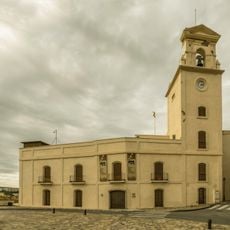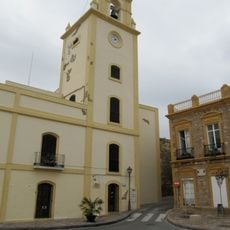
Melilla la Vieja, Fortress in Melilla, Spain
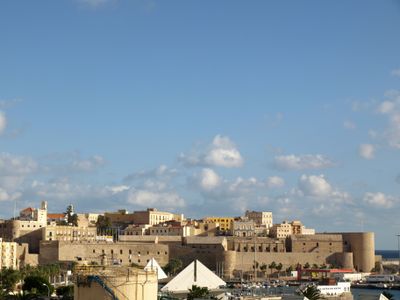
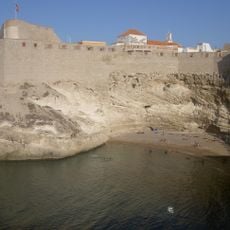
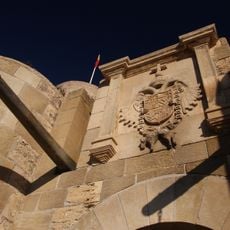
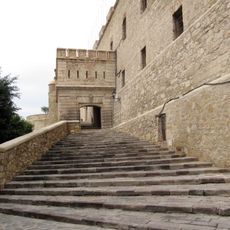
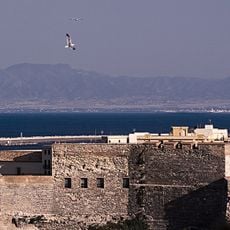
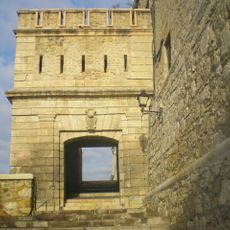
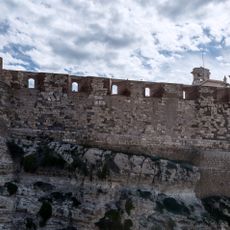
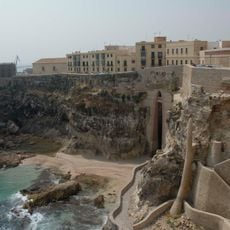
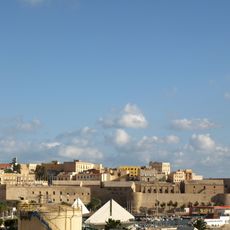
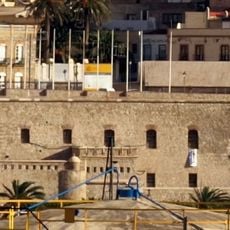
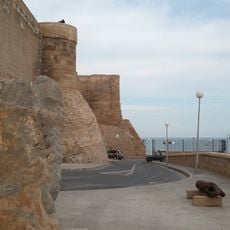
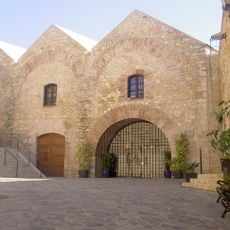
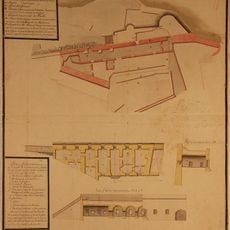
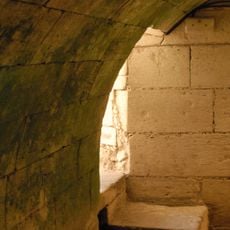
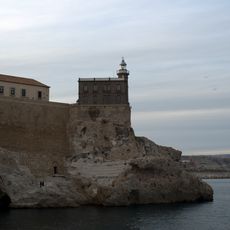
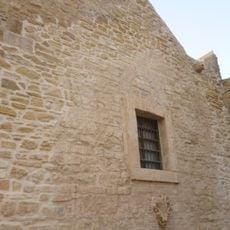
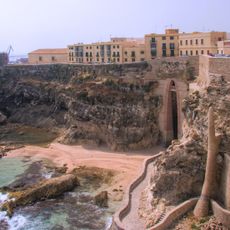
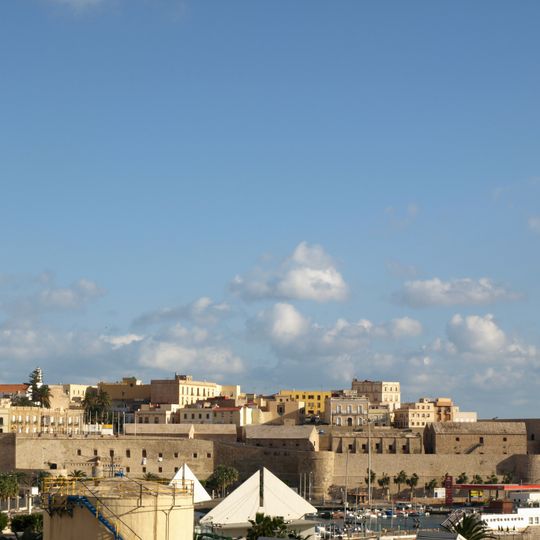
Melilla la Vieja is a fortified complex that rises above the Mediterranean Sea with four distinct levels of defensive structures connected by stairs and passages. The structures display different architectural styles and include areas with museums, caves, and other historical spaces.
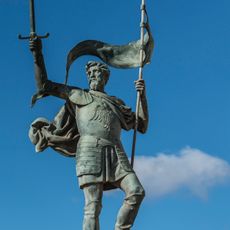
Phoenicians founded the trading settlement of Rusadir in the 8th century BC; a defensive wall is documented by the 1st century BC. After the city was taken for Castile on 17 September 1497 by Pedro de Estopiñán, the 1498 Asiento de Alcalá de Henares authorised rebuilding. The first enclosure, the Villa Nueva, rose between 1497 and 1556, and further walled enclosures were added in the 17th and 18th centuries.
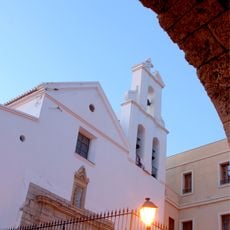
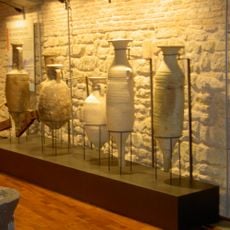
The fortress takes its name from the Phoenician settlement of Rusadir, founded in the 8th century BC. Its walls now house the archaeological and military museums, and the Church of the Conception. The Conventico Caves, used since Phoenician times, are among the sites open to visitors.
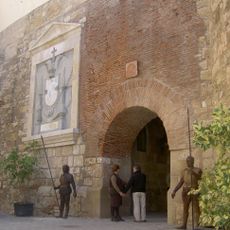
Entry is through Puerta de la Marina, from where visitors can explore multiple levels of fortifications with signs in Spanish, French, and English. The site contains stairs, passages, and interconnected spaces that require some physical movement to navigate properly.
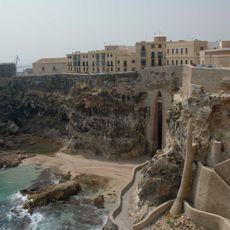
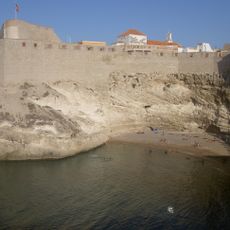
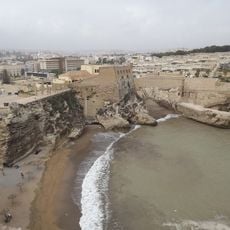
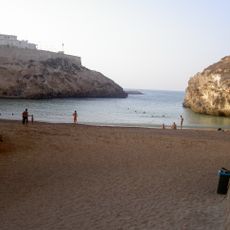
The Conventico Caves within the fortress walls extend down to a secluded beach and historically served as storage spaces and emergency refuges during sieges. These underground passages remain today and offer an unusual look at how defenders managed survival and supplies.
The community of curious travelers
AroundUs brings together thousands of curated places, local tips, and hidden gems, enriched daily by 95,294 contributors worldwide.